Economic growth in Morocco 2023: Five regions exceed the national average
- The five most dynamic regions
- Regions with below-average growth
- Factors explaining regional disparity
- Outlook for the future
In a complex international context, with climatic and economic challenges, Morocco has demonstrated resilience and capacity for growth. In 2023, the country recorded an economic growth rate of 3.7% of its Gross Domestic Product (GDP), equivalent to some $144 billion, according to data from the High Commission for Planning (HCP).
However, behind this national average lies an uneven reality: while some regions achieved rates well above the average, others fell far below, revealing significant contrasts in the dynamics of territorial development.
The five most dynamic regions
Among the country's 12 regions, five stood out above the national average thanks to the dynamism of specific sectors that have boosted their local economies:
Dajla-Oued Eddahab (10.1%)
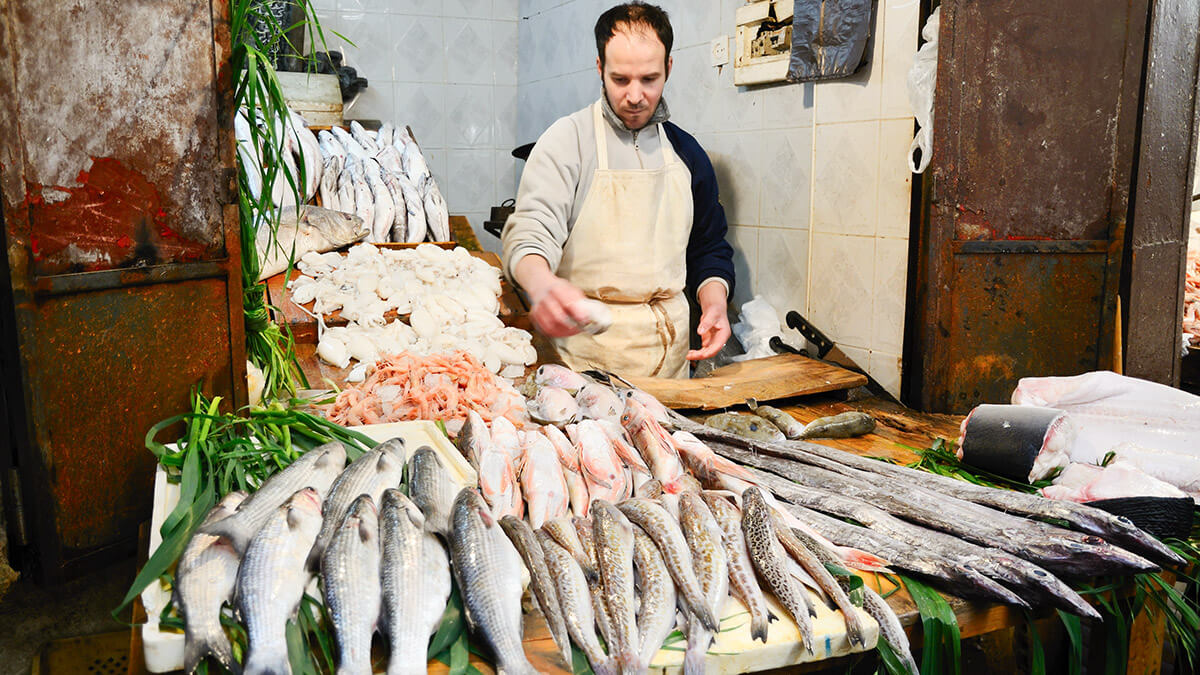
The region ranks as the most dynamic in the country, with double-digit growth. Its main driver has been sea fishing, a key export sector, as well as the boom in construction and infrastructure, which reinforce the strategic role of the city of Dakhla as the main economic hub of the Southern Provinces of Morocco.
Fez-Meknes (8.9%)
This region benefits from agriculture and services, which remain the pillars of its economy. Fez, with its rich craft and cultural tradition, has also relied on the tourism and commercial sectors to strengthen and maintain sustained growth.
Marrakech-Safi (6.3%)
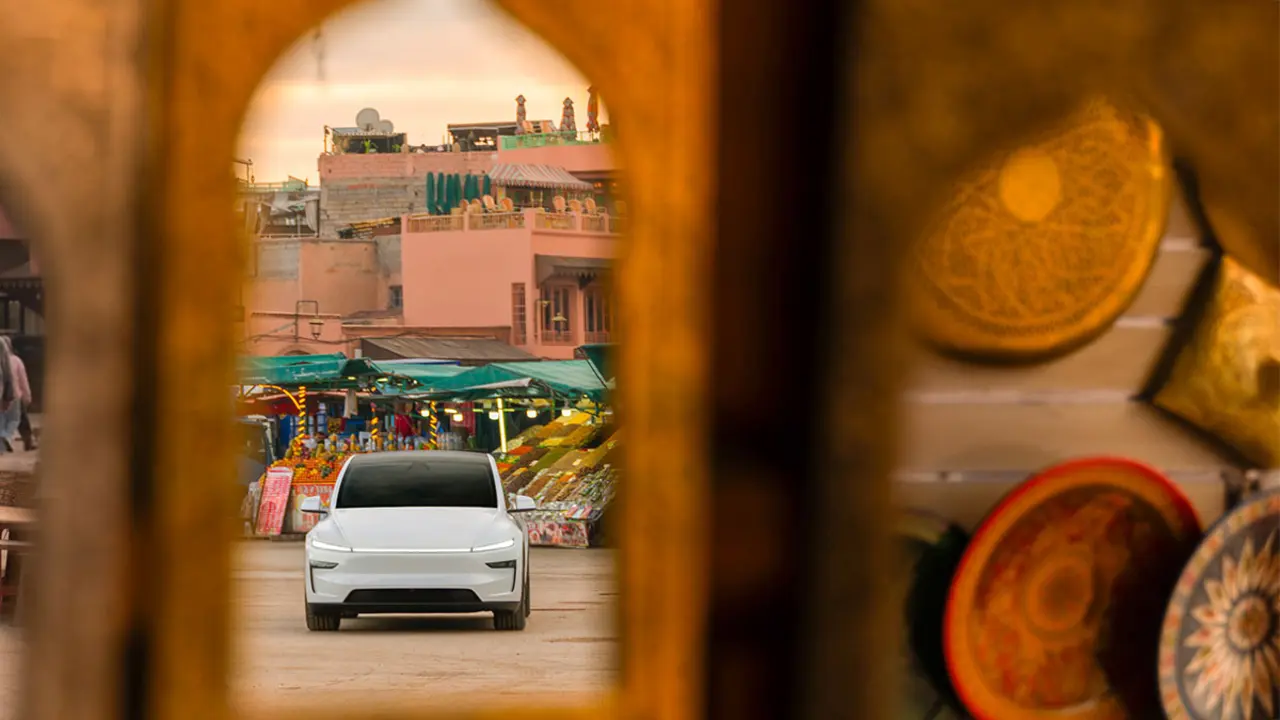
Growth is explained by the recovery of the hotel and restaurant sector after the difficult years of the pandemic. Marrakech, one of the top tourist destinations, has seen a strong rebound in international visitor arrivals, which has boosted the regional economy.
Casablanca-Settat (5%)
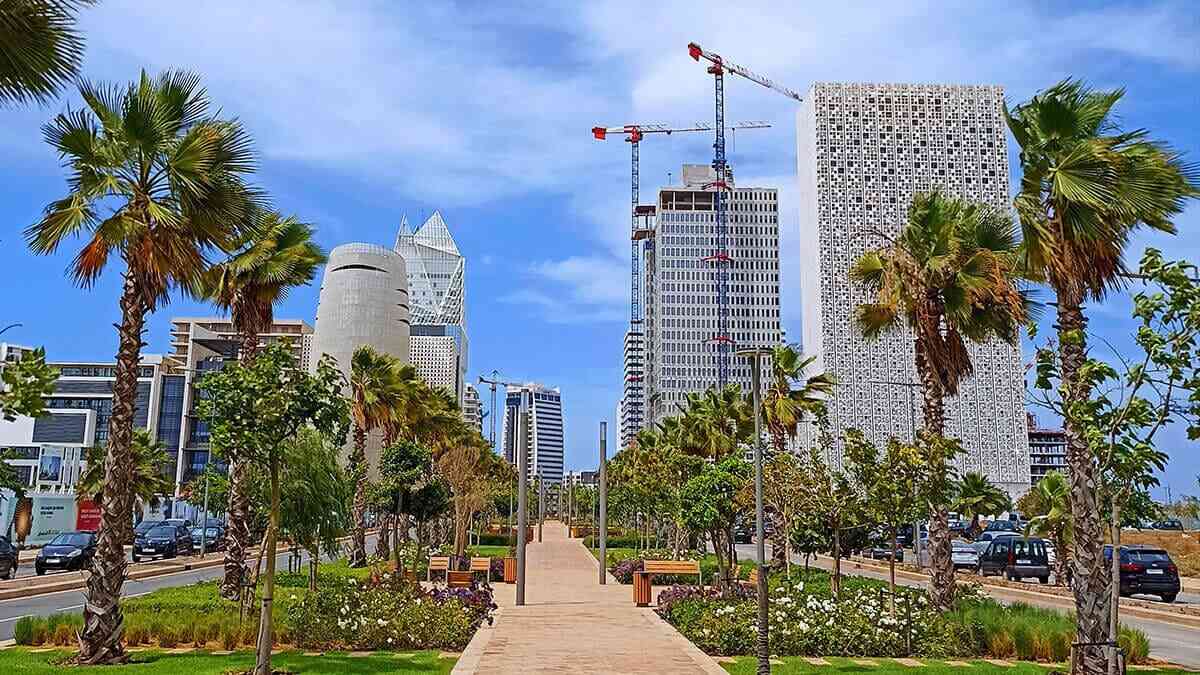
Considered the nerve centre of the Moroccan economy, the Casablanca region maintains its leadership thanks to the manufacturing sector, financial services and the attraction of foreign investment, although industrial modernisation has also played a major role.
Tangier-Tetouan-Al Hoceima (4.9%)
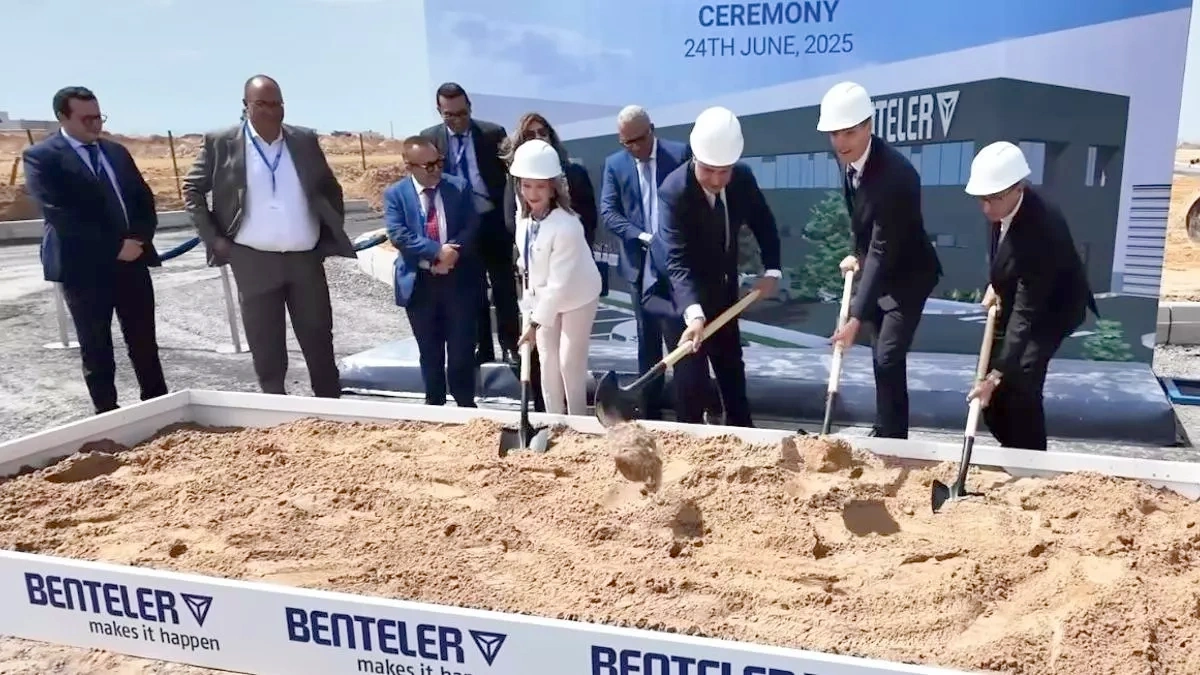
This northern region confirms its role as a hub for industrial and logistical development. The automotive industry and free trade zones have made Tangier a benchmark in the manufacturing sector, as well as strengthening foreign trade thanks to the presence of the port of Tangier Med, one of the most important on the African continent and 15th in the world in terms of container traffic.
Regions with below-average growth
In contrast, five other regions failed to reach the national average, reflecting structural inequalities and challenges in diversifying their economies: Laayoune-Saguia El Hamra (2.9%); Souss-Massa (1.8%); Guelmim-Oued Noun (1.2%); Draa-Tafilalet (1.5%); and Rabat-Salé-Kenitra (0.7%).
In the case of the capital, Rabat-Salé-Kenitra, the low growth is surprising considering its institutional and administrative role, raising questions about the need to strengthen productive sectors afterlife of public services.
Factors explaining regional disparity
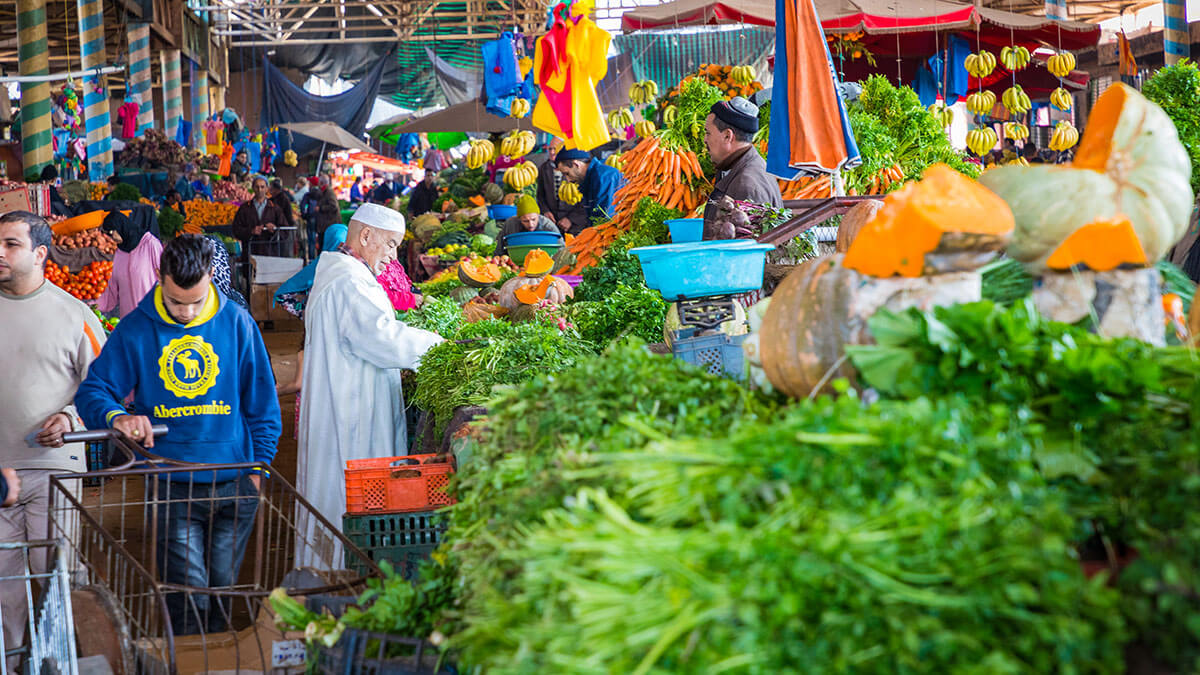
The difference between the regions with the highest and lowest growth is explained by sectoral diversification. While regions such as Casablanca and Tangier rely on industry and international logistics, and others such as Marrakech on tourism, many areas in the interior of the country remain highly dependent on agriculture, the sector most affected by the climate crisis and rainfall shortages. Such is the case that the regions of Casablanca, Rabat and Tangier will account for 58.5% of GDP in 2023.
The commitment to sectors such as the automotive industry, tourism, fishing and financial services has translated into tangible results for the regions that have managed to adapt to the new drivers of the Moroccan economy. On the other hand, those lagging behind require investment policies that promote innovation and reduce development gaps.
Outlook for the future
The outlook for 2023 reflects a Morocco in transformation, with some regional hubs consolidating their position as engines of growth and others needing greater integration into the national economic dynamic.
The consolidation of infrastructure projects, the modernisation of the productive fabric and the promotion of foreign investment will be determining factors in maintaining the upward trend. The key will be to balance regional development so that dynamism is not concentrated in a few areas, but rather translates into more homogeneous progress for the whole country.