Inequality in electricity investments in Arab countries
The Arab Investment and Export Credit Guarantee Corporation (Dhaman) has published a report on the Arab region's capacity to attract investment in the electricity sector.
The Arab renewable energy sector has attracted 360 foreign projects with an investment of more than $351 billion and the creation of more than 83,000 jobs since 2003. Egypt, Morocco, the United Arab Emirates, Mauritania and Jordan attracted 248 of that total.
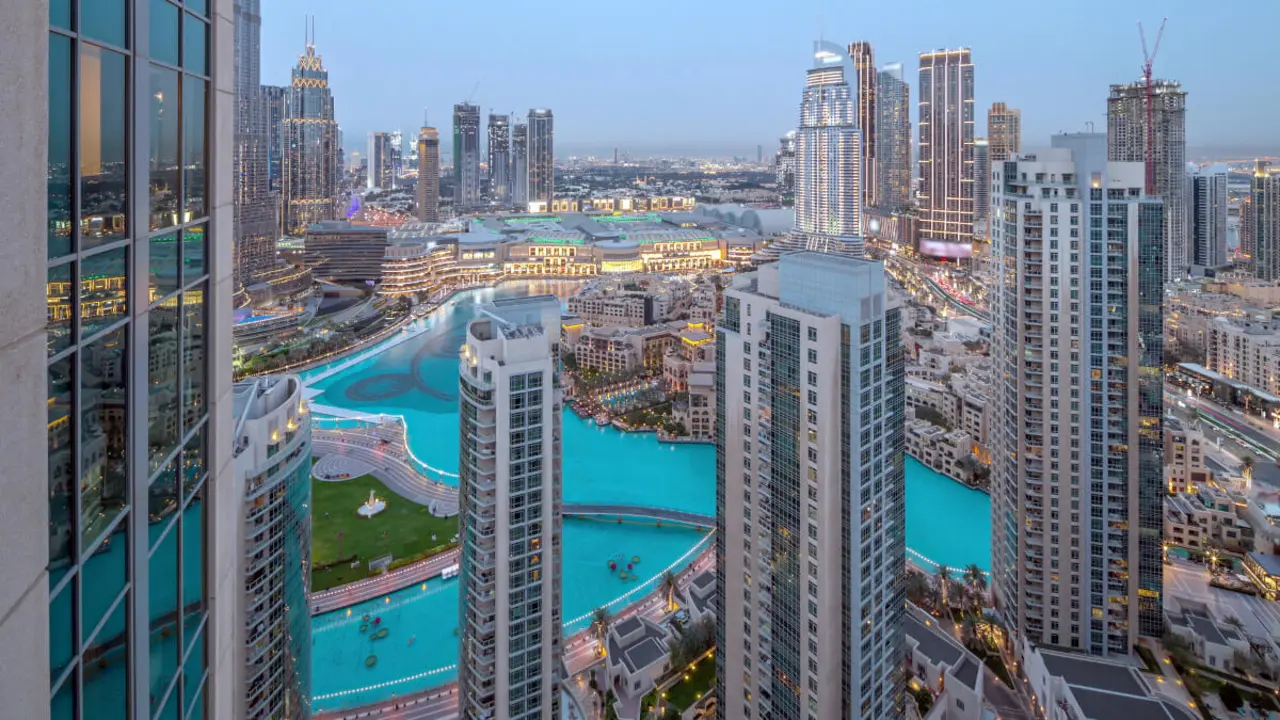
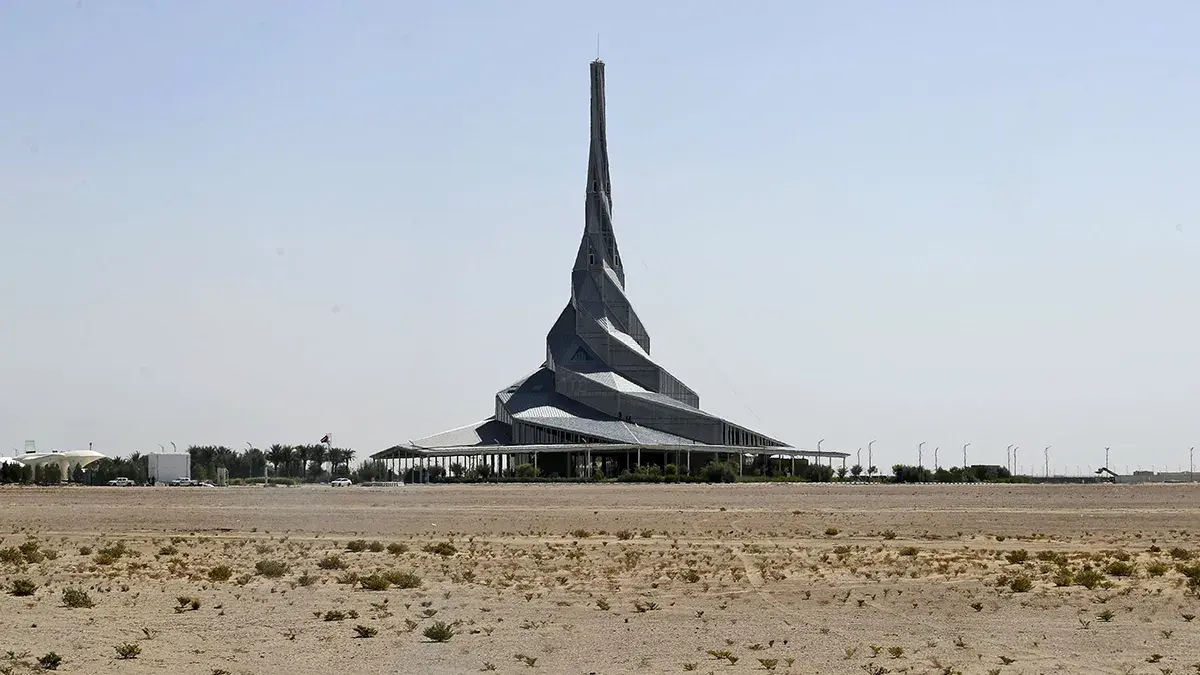
According to their research, the United Arab Emirates has been the leading investor in renewable energy for 22 years. This means that they account for 16% of renewable energy projects in the entire Arab market.
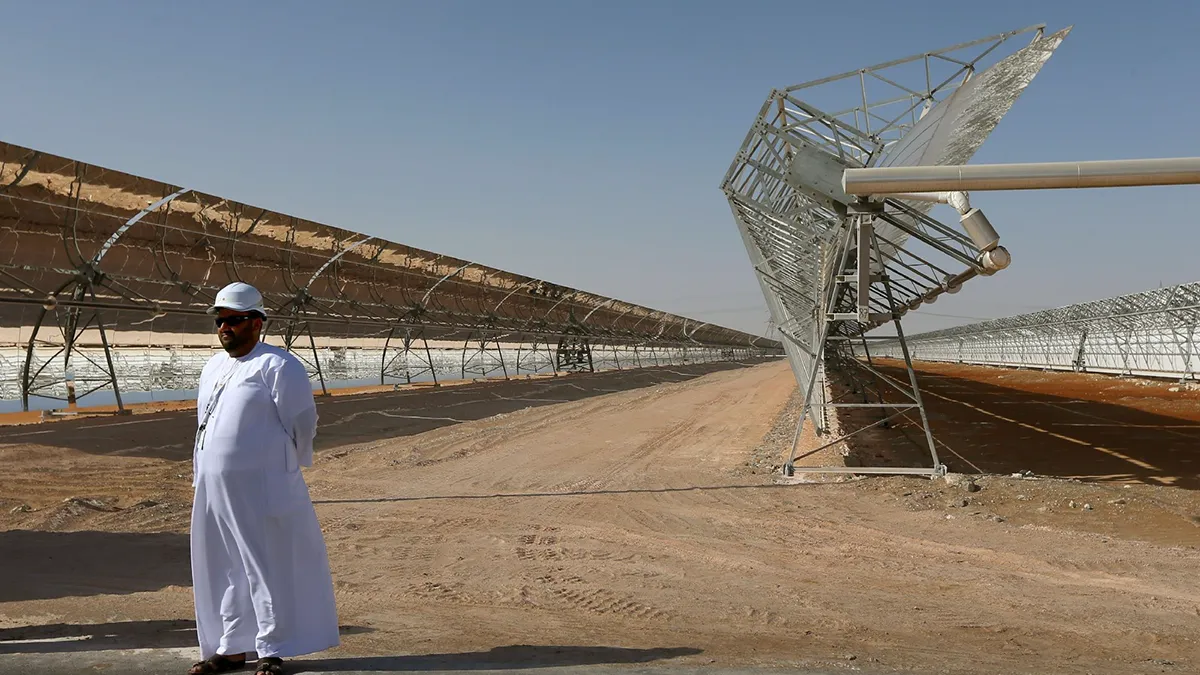
Of all the companies, those that finance the most in this type of sector are ACWA Power of Saudi Arabia (with 20 projects), Infinity Power Company of the United Arab Emirates (the largest investor in terms of estimated costs) and Acme of India (the one that generated the most jobs: 5.2% of the Arab market).
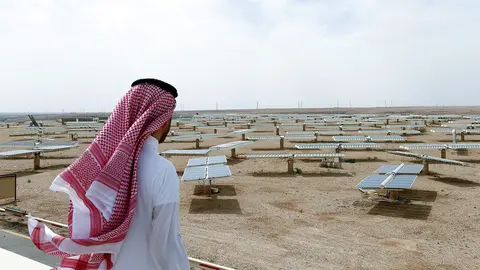
Since 2003, in addition to the United Arab Emirates, only Saudi Arabia, Bahrain, Jordan and Egypt have invested in 25% of all foreign projects in the renewable energy sector, with expenditure amounting to approximately 113 billion dollars and the creation of around 22,000 jobs.
On the other hand, according to Fitch Ratings, countries in the Maghreb region, namely Morocco, Egypt and Algeria, received the most investment in the electricity and energy sector.
In its report, Dhaman estimated that by the end of 2025, electricity generation in 15 countries will increase by 4.2% and will reach more than 1,700 terawatt-hours by 2030.
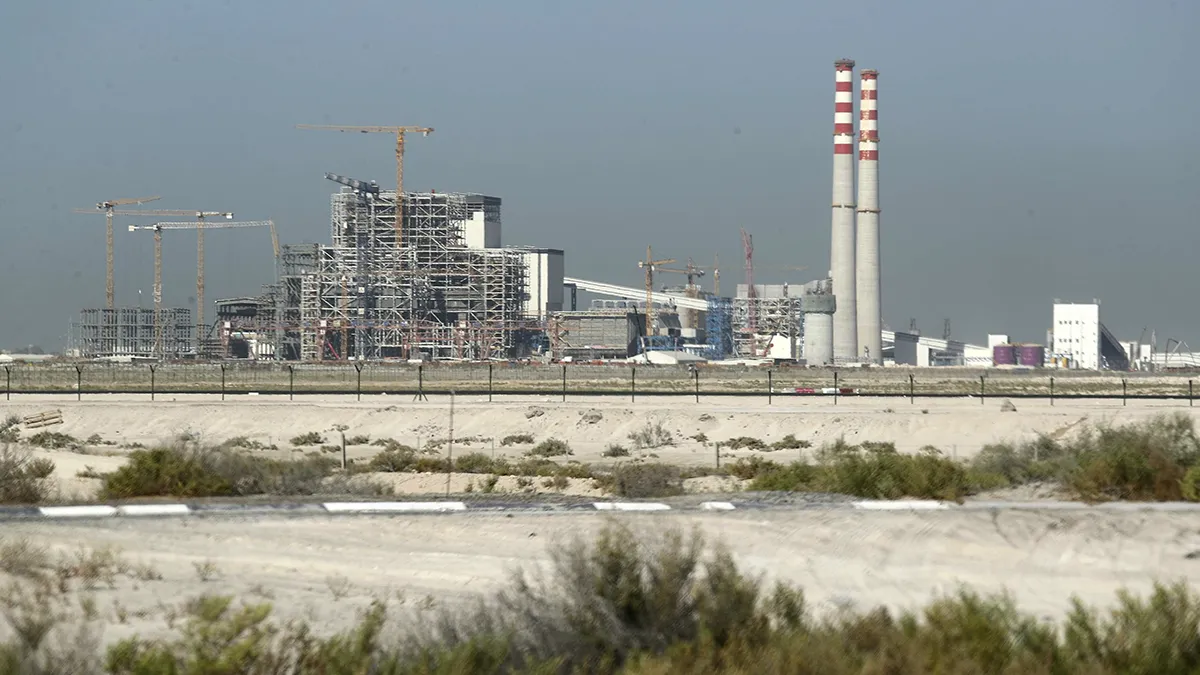
However, within its prediction, it specified that this increase will be concentrated mainly in five countries: Saudi Arabia, Egypt, the United Arab Emirates, Iraq and Algeria.
These countries will thus account for 74% of the total electricity generated by the end of 2025 within the region.
In terms of countries exporting electricity to the Arab market, Turkey was ranked first, with 446 million dollars in imports. The United States was the largest exporter of power generation equipment, with 6.6 billion dollars in imports. Libya imported 59 million dollars worth of electricity, making it the largest importer.
In its report on the investment climate in 21 countries in 2024, Dhaman warned that the average for Arab nations in the Investment Climate Guarantee Index was below the global average. Only Saudi Arabia, the United Arab Emirates and Egypt are the most attractive for foreign direct investment.
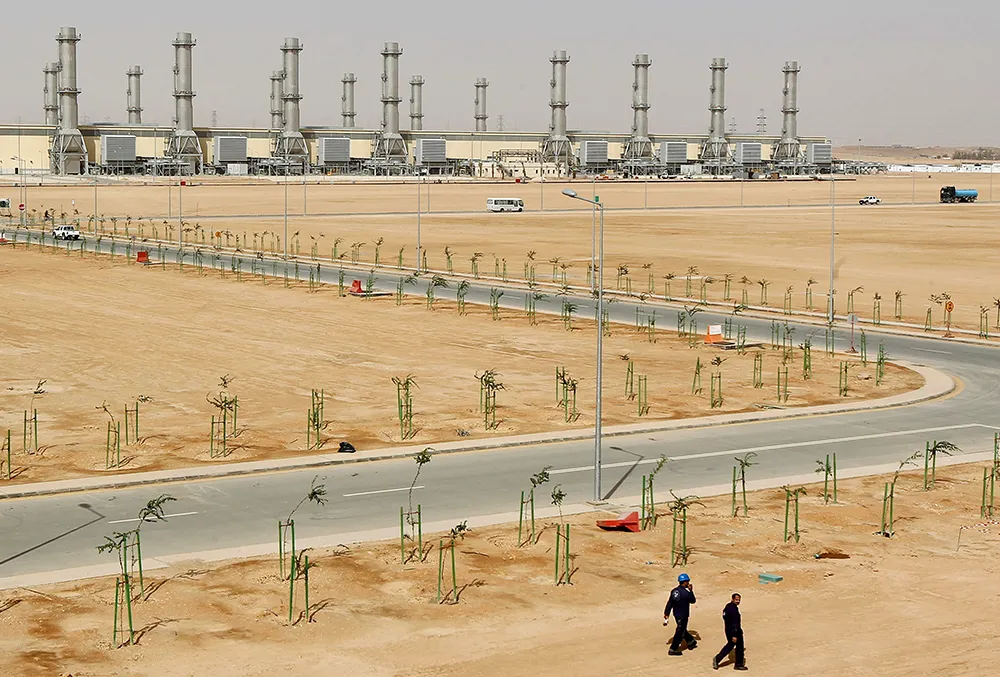
Why is there such disparity in terms of investment within the Arab market?
While it is true that attempts have been made to attract financing by implementing laws that facilitate the process or allocating land at low prices, Arab countries still face difficulties in attracting financing.
According to Majalla, ‘the underlying causes seem to be more closely related to political and security conditions, economic structure, social culture and their acceptance of foreign investment’. For example, Syria has not attracted any foreign investment due to its difficult political, economic and security situation.
Therefore, more Arab governments need to improve the situation within their nations and be more open to receiving foreign investment by facilitating bureaucratic processes.
For example, the United Arab Emirates, which, according to InSinkErator's regional manager, Mohammed Karam, is a very attractive investment destination thanks to its business dynamism, flexibility and high competitiveness. According to him, the country has advanced infrastructure and legislation that supports investment.
For this reason, in addition to the economic environment and other factors such as its geographical location, many global companies have decided to establish regional and even global headquarters in the Emirates.