Morocco promotes a new national strategy to protect and secure its drinking water resources
- ONEE's national strategy for water management
- Diagnosis of the current system and its weaknesses
- Collaboration between ONEE and the Ministry of Equipment and Water
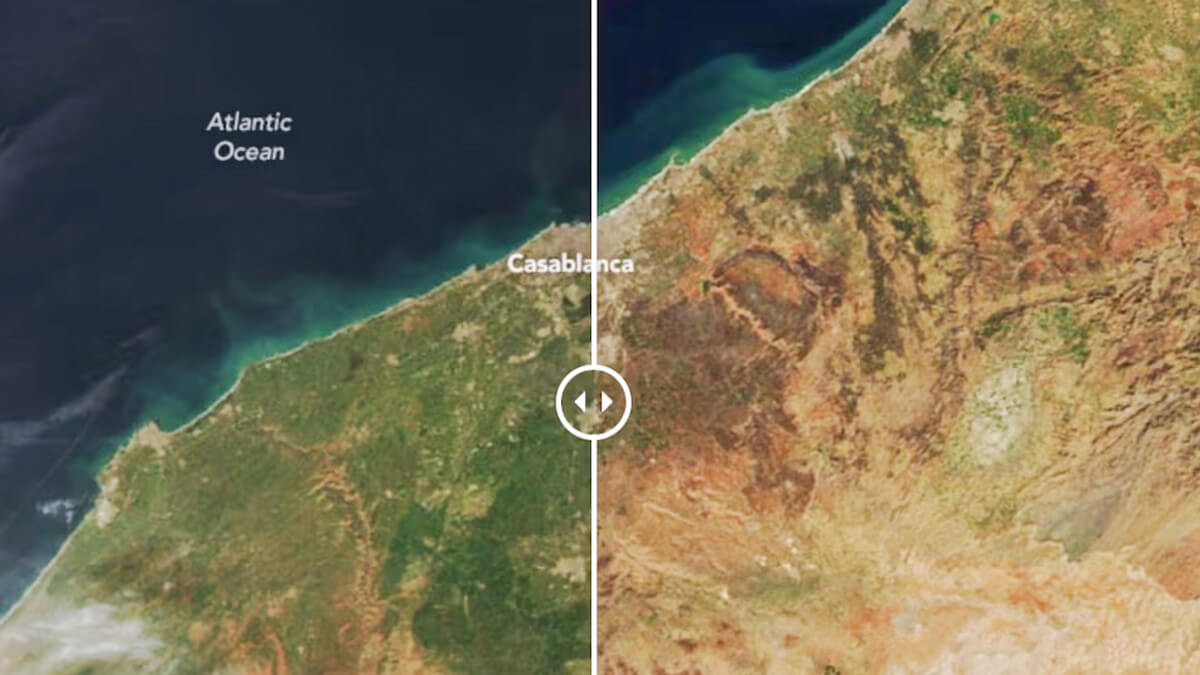
The scarcity of rainfall, the degradation of groundwater and the advance of the desert climate into the most fertile regions of the north of the country, consequences of climate change, remain one of the priorities of the Moroccan administrations, both local and national.
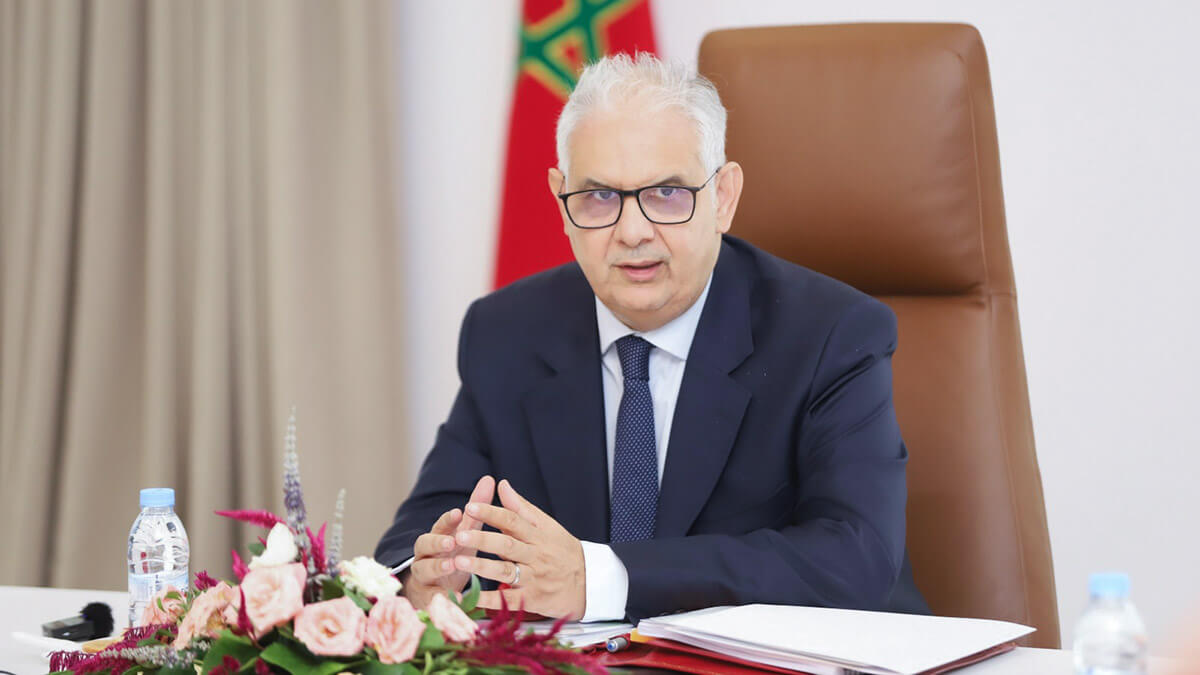
The country's situation has improved significantly since the arrival in 2021 of Nizar Baraka, Minister of Equipment and Water, but the scenario facing the country remains critical. Demand for drinking water is increasing due to population growth and industrial development.
ONEE's national strategy for water management
In this context, the Office National de l'Électricité et de l'Eau Potable (ONEE) is finalising a new national strategy.
Its main objectives are to preserve resources by imposing measures for water saving and efficient use, and to ensure a supply of drinking water for the entire population. These projects are being developed jointly by ONEE and Baraka's ministry. This new strategy is based on three key points:
- Technological management and risk analysis: a platform will be created that integrates technical, environmental and territorial data to prioritise interventions, simulate risk scenarios and monitor water extraction facilities in real time.
- Practical measures and supervision: good practice guidelines, infrastructure protection and a system of smart sensors will be implemented to detect changes in flow, quality or contamination, enabling rapid responses to incidents.
- Coordination and training: protocols will be established between ONEE, authorities and operators, together with training programmes to strengthen technical capacities and ensure sustainable and proactive drinking water management.
Diagnosis of the current system and its weaknesses
At the same time, the Ministry published a report detailing all the weaknesses of the current system. The report analysed the origins of the problems and the factors to which they are linked.
Based on this report, ONEE pointed out that the high pressure exerted on groundwater and the low level of investment in extraction points should be the starting point for achieving the desired objectives. According to ONEE, these shortcomings lead to poor water quality and, as a result, make it undrinkable.
Collaboration between ONEE and the Ministry of Equipment and Water
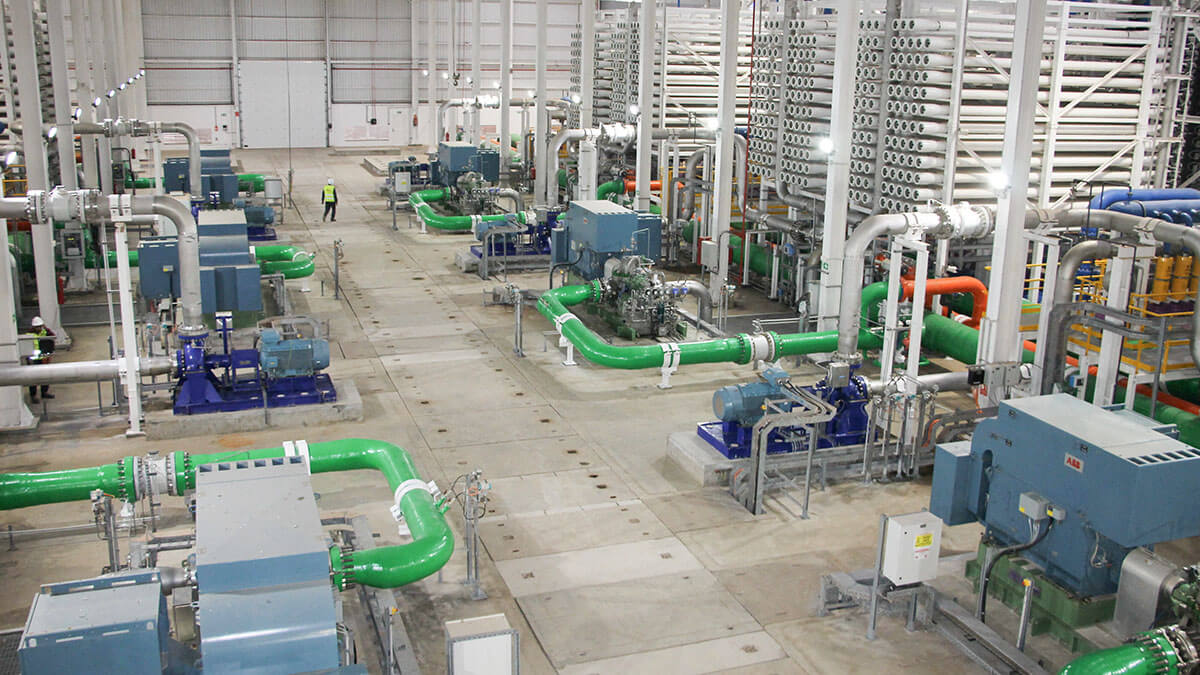
Since its foundation in 1995, ONEE has established close contact with the Ministry of Equipment and Water, collaborating closely in the preparation of reports for different parts of the territory.
These diagnoses have always led to the same conclusions. This does not mean that things have been done badly, but rather that it represents the true magnitude of the problem of climate change, which is a major challenge for nations with more extreme climates.
The ONEE project is proposed as a comprehensive, operational strategy adapted to the needs of each region.