Russia resorts to bartering
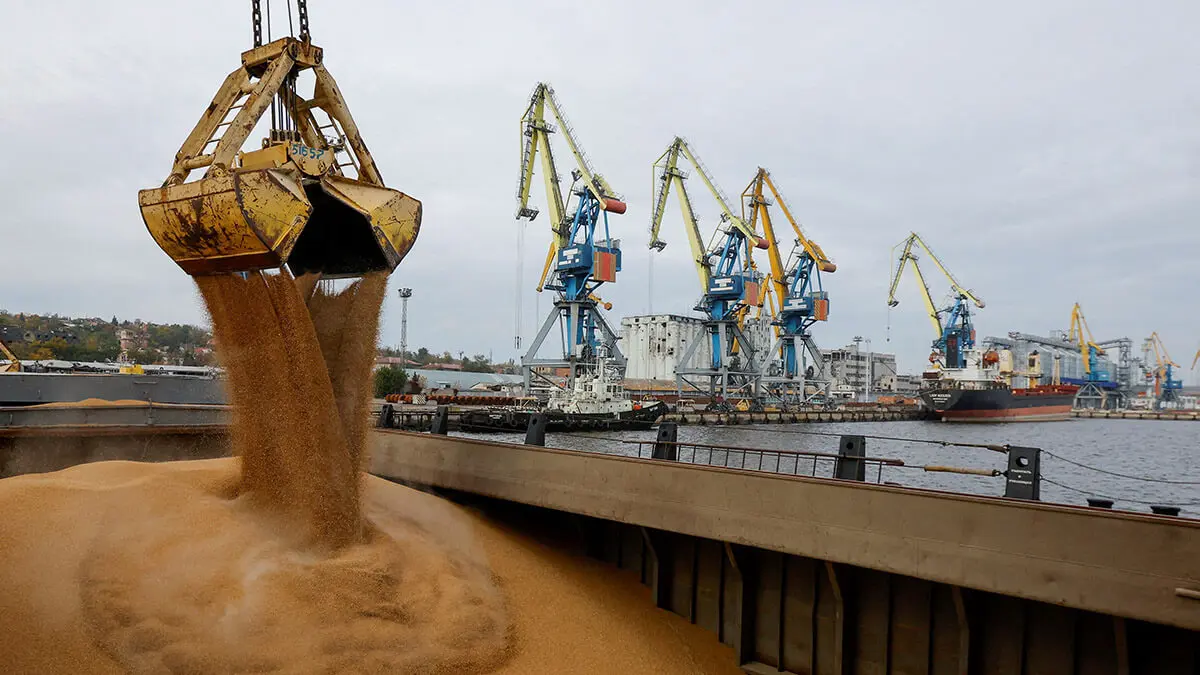
Russian companies are using bartering to export their products in the face of SWIFT sanctions imposed by the West. They are now exchanging wheat for Chinese cars and flax seeds for building materials.
The United States and Europe imposed more than 25,000 sanctions of various kinds for the annexation of Crimea in 2014 and the war with Ukraine in 2022.
The SWIFT sanctions are based on the fact that Russian banks have not been part of the SWIFT payment system since 2022. As a result, Chinese banks do not want money coming from Moscow, as they ‘fear being included in sanctions lists, under threat of secondary sanctions,’ a payment market source told Reuters.
With a landscape marked by the refusal to accept money and Russian President Vladimir Putin's determination to defy sanctions in every way possible, companies opted to revive a method that had not been used since the 1990s: bartering.
In 2024, the Russian Ministry of Economy published a guide to bartering abroad. It also stated in the document that ‘barter transactions in foreign trade allow the exchange of goods and services with foreign companies without the need for international transactions.’
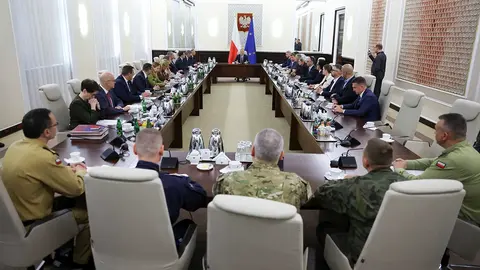
Previously, there was not much interest in barter trade, but the Chinese company Hainan Longpan Oilfield Technology was looking for someone to exchange alloys for the production of marine engines.
The Russian customs service assured that several countries practise it, although transactions of this type are not particularly significant in number compared to foreign trade contracts.
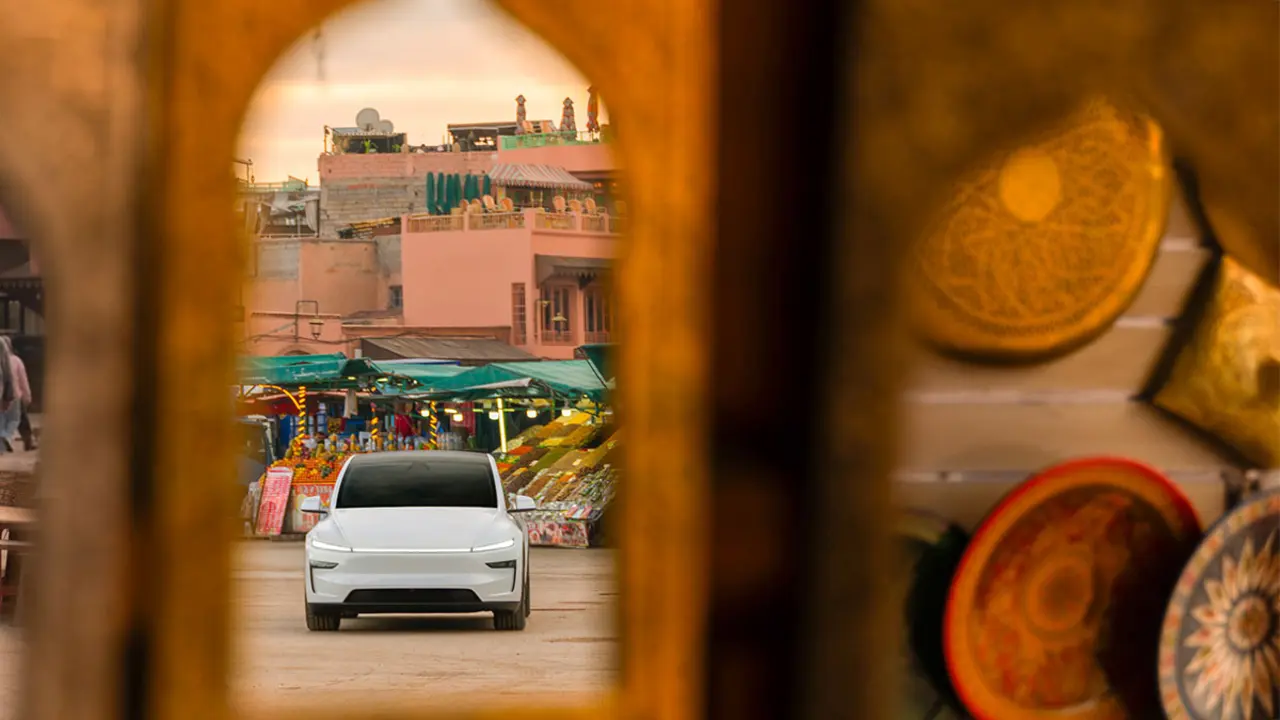
For its part, Reuters was able to confirm that China is one of the countries that uses the barter system the most. One of the transactions was based on exchanging Russian wheat for Chinese cars. Two others involved giving flax seeds in exchange for electrical appliances and construction materials.
Two sources told Reuters that some of these agreements had even allowed the import of Western products, thus circumventing sanctions.
Chinese President Xi Jinping told his Russian counterpart, Vladimir Putin, during the 25th summit of the Shanghai Cooperation Organisation that he is willing to improve coordination and exchanges between the two nations.
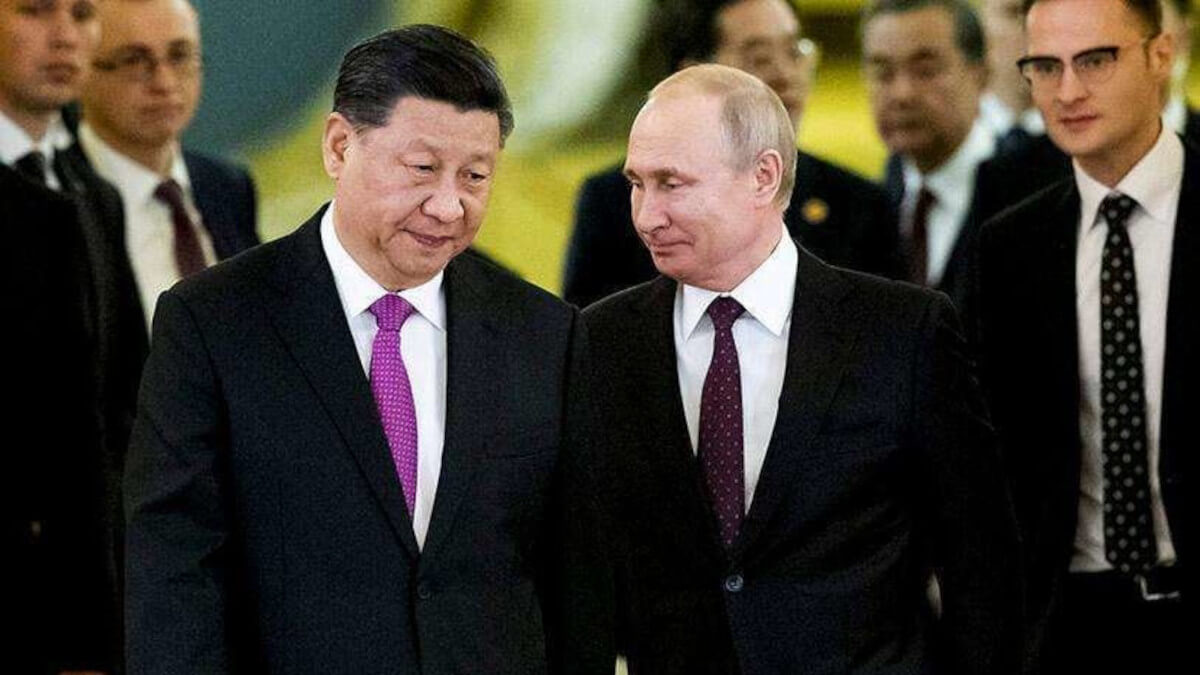
"Relations between China and Russia have withstood a changing international situation and set an example of what relations between powers should be. They have been characterised by lasting good neighbourliness, comprehensive strategic coordination and mutually beneficial cooperation,‘ said the Chinese president.
Maxim Spassky, secretary of the Public Council of the Russian-Asian Union of Industrialists and Entrepreneurs, said that ’the growth of barter is a symptom of de-dollarisation, sanctions pressure and liquidity problems among partners".
Although the Russian economy does not appear to be doing badly, according to President Putin, the Kremlin and the central bank refuse to analyse data on this type of trade, saying that there is not enough information.