Russia's oil revenues plummet to 2022 levels
- Economic consequences of the war in Russia
- Impact of the devaluation of the rouble and inflation
- Fall in Russian energy exports
- Effects on the price of a barrel of oil
- Indirect exports and their influence on Europe
Economic consequences of the war in Russia
The consequences of the war for Russia are coming to light. After more than three years of conflict, Russian sources of income from hydrocarbons are shrinking and returning to 2022 levels and those seen during the Covid-19 pandemic.
Although Europe has maintained direct purchases from Russia, albeit gradually reducing them, and indirect purchases through satellite countries such as Kazakhstan, Georgia and the indispensable Turkey, the sanctions and the ongoing conflict are taking their toll on the Russian economy.
Impact of the devaluation of the rouble and inflation
With a totally devalued rouble, disproportionate defence spending and the emergence of inflation as an established feature of the economy, Vladimir Putin's problems are growing.
In this context, the International Energy Agency (IEA) stated in its latest report that exports of crude oil and other derivatives fell again in November, accumulating three consecutive months of declines. Trump's threats to Russia's partners – India and China, which purchase 84% of Russia's total oil exports – to increase tariffs if they continued to buy Russian oil have had the effect the White House hoped for.
Fall in Russian energy exports
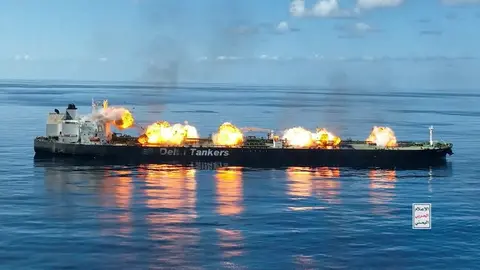
For the highly diversified Russian economy, the energy sector, together with other raw materials, is the area that bore the entire cost of the war. However, Ukrainian attacks on energy infrastructure, the same tactic used by the Russians in the Ukrainian combat front regions, are further reducing the country's production.
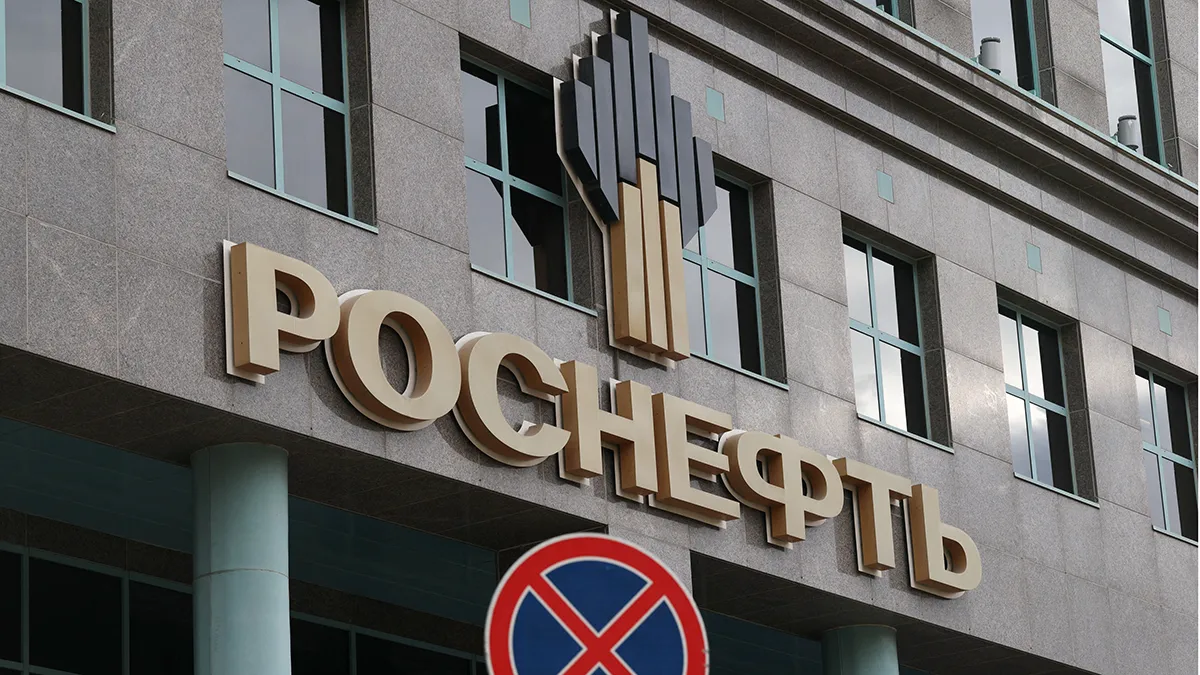
At the same time, the United States has increased the pressure. Beyond imposing tariffs, Trump has launched a strong campaign of sanctions against the main Russian oil companies: Rosneft and Lukoil.
International pressure and sanctions
According to figures published in the latest report by the International Energy Agency (IEA), the drop in Russian oil revenues was close to $11 billion, or 35% less than in November 2024. These figures represent less than 10% of what Russia exported even before the invasion of Crimea, and less than 45% of what was exported on average between 2015 and 2019.
In terms of barrels, the Russian energy sector has stopped exporting more than 400,000 barrels of oil per day, equivalent to almost 7 million fewer barrels. Compared to last October's figures, Russia has lost revenue equivalent to more than 190,000 barrels per day.
Oil revenue and export data
Although November was a weak month, the data does not point to a continued slump. The IEA put Russia's oil revenues at $1.097 billion in November 2025, but in other months of the same year the figures were significantly higher: $15.8 billion in January, around $13.5 billion in August and around $13.4 billion in September.
Looking at the year as a whole, KSE Institute estimates put total revenues for 2025 at around $155 billion, far below the $189 billion in 2024 or the $185 billion in 2023.

Effects on the price of a barrel of oil
The first consequence of this is the price per barrel. In November, the price per barrel fell by £8.2, dropping below £44. Although a fall in the price per barrel of oil usually indicates a drop in inflation, in this case, due to Russia's marginalisation from the international banking system, the effects of the price increase are much more noticeable.
Indirect exports and their influence on Europe
These figures, although official, do not include several important metrics. Russia, as we have pointed out above, exports oil to countries that process it and sell it to Europe. These actions explain why the European Union has increased oil exports from India – which buys around 40% of Russia's total oil – by more than 242,000 barrels per day (130% more than before the conflict), and from Turkey, which receives 26% of Russia's total diesel production.
The figures also do not include refined gas received by Eastern European countries such as Hungary and Slovakia, which have openly confirmed the purchase of Russian gas through the Druzhba pipeline.
All these factors together place Europe as a bloc that officially purchases 6% of Russian energy, but in reality is acquiring around 28% of the total.
What has precipitated this situation? A loss of power for the EU in the world. The contradictions in European policies are leading to a loss of power and influence. These facts can be seen in the position on peace plans, both in Ukraine and in Gaza.