The Port of Dakhla: Morocco's bid to dominate maritime trade in the Atlantic too
Morocco wants to take control of maritime connectivity between America, Africa and Europe thanks to the new Port of Dakhla
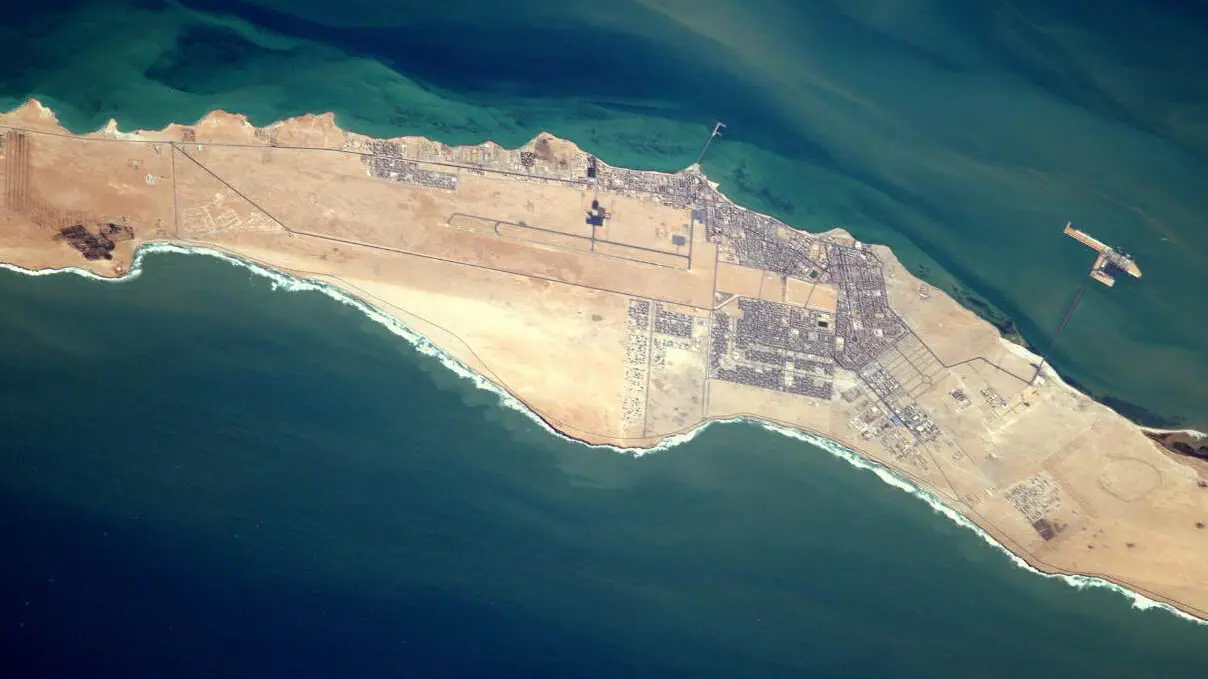
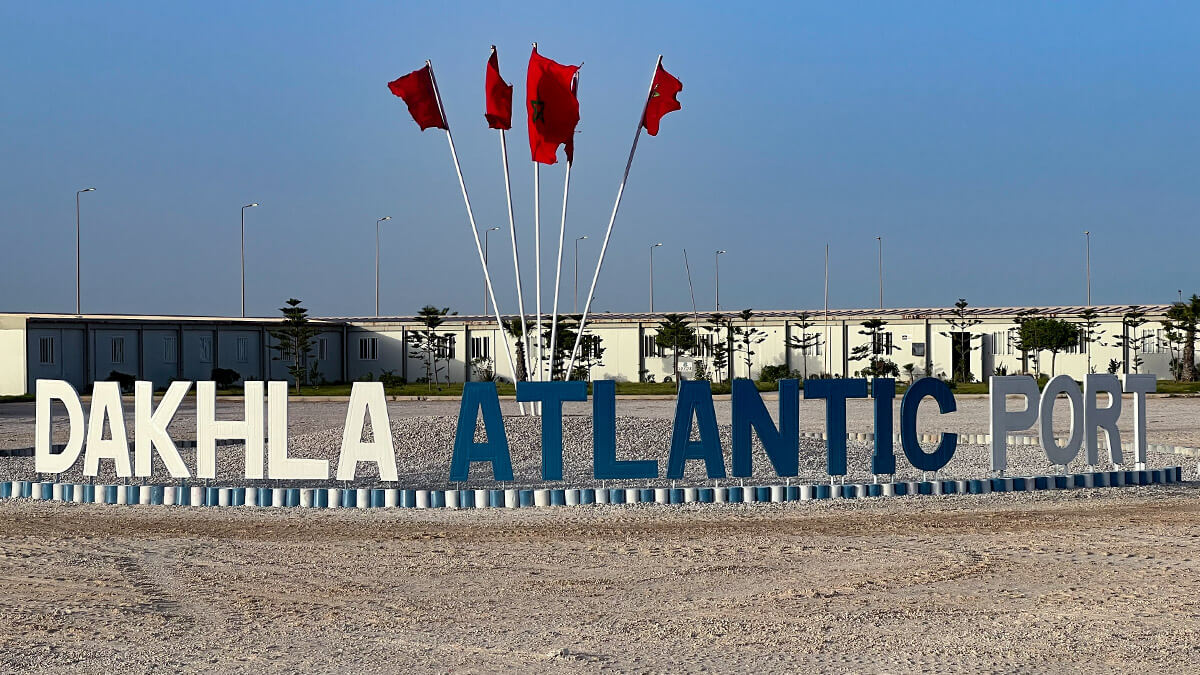
The Atlantic Port of Dakhla is the flagship infrastructure project among the many being developed by the Moroccan government. Halfway to completion, the project is beginning to reveal the main lines of its activity, which will serve to complement, on the Atlantic coast, the successful model achieved with the Port of Tangier Med on the Mediterranean coast.
Logistics and industrial hub
As set out in the Moroccan Government's Port Strategy 2030 and in the new development model for the southern provinces, the Atlantic Port of Dakhla is presented as a key infrastructure that will meet the needs of the Western Sahara region in terms of fishing, logistics and international trade.
But the project goes beyond supplying southern Morocco: the port has been designed to serve as a modern, high-capacity platform to attract investors and strengthen the country's position in the logistics and industrial field in the Atlantic corridor.
The aim is to replicate the same strategy followed with the Port of Tangier Med in the Tangier-Tetouan-Al Hoceima region, which served to boost the economy of northern Morocco and create an industrial and logistical network that is attracting companies from all over the world. To such an extent that, today, Tangier Med is the leading port in the Mediterranean and on the African continent in terms of volume of operations.
As Abid Mrayzig, Director of Development at the Port of Dakhla, pointed out during the recent Dakhla-Africa Logistics Forum, the port will strengthen South-South cooperation and play a very important role in Morocco's initiative to provide access to the sea for the countries of the Sahel.
Features
According to those responsible for managing the works, the project includes the construction of a deep-water port with the capacity to accommodate large container ships, as well as a 1,600-hectare logistics and industrial zone organised around four key priorities:
- Making the area attractive to operators through a multimodal platform.
- Improving access to industrial and service land.
- Fostering industrial synergies for greater value creation.
- Developing a logistics and economic space to serve the markets of West Africa and the Sahel.
The port is located just 50 kilometres from the urban centre of Dakhla, and its geostrategic position allows it to benefit from significant maritime connectivity between the African continent itself, Europe and America.
In terms of the technical characteristics of the project, it will be one of the most modern infrastructures in the world.

Its total projected capacity will reach 35 million tonnes per year, including container traffic, liquid and solid bulk, fishing, mining products and renewable energy components.
By way of comparison, the Port of Tangier Med reached 142 million tonnes in 2024. However, it should be noted that this is a consolidated infrastructure that has been in operation for several years and has been expanded. It is expected that, in the medium term, Dakhla will reach comparable figures.
Multimodality is also a distinctive feature of the project: special attention has been paid to links with the Tiznit-Dakhla motorway as key to speeding up the movement of goods.
It is also planned to fit in with the region's aeronautical development programme, which will help to strengthen transport interconnectivity.

Logistics area and specialised docks
The Atlantic Port of Dakhla, like Tangier Med, will have an adjacent logistics area, which will evolve as operators move in. It will be structured around several hubs: seafood products, shared services, a general industrial zone, a commercial zone, a logistics centre and an exclusive 65-hectare port area.
In terms of its design features, it is an island port connected by a land corridor and equipped with two main docks, with draughts of 12 and between 12 and 14 head waiter.
It will have several specialised docks, including a deep-water dock at -14 metres for heavy cargo related to renewable energy, and three commercial docks for petroleum products, containers and road traffic, all with a draught of -16 metres.
The complex will extend over 2.7 kilometres of quays, with a total width of 1.3 kilometres and more than 7.5 kilometres of protective breakwaters.
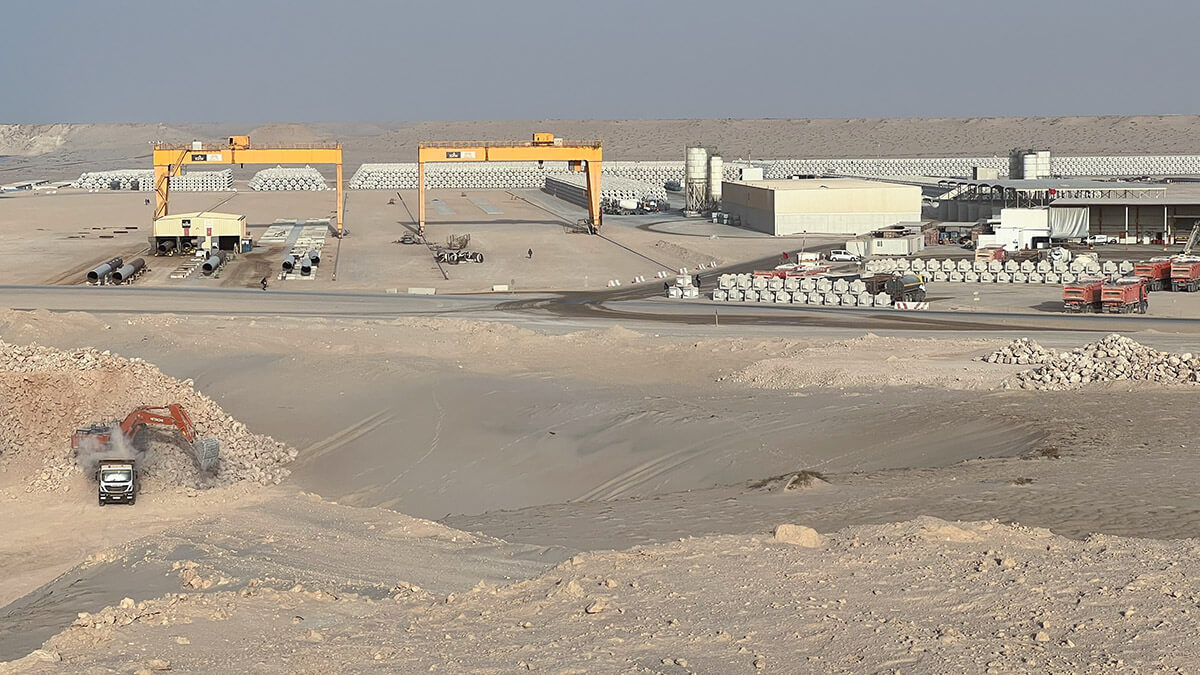
The total cost is estimated at around 15 billion dirhams (approximately 140 million euros). Those responsible for its construction estimate that the works are 46% complete, with the sea bridge nearing completion, as well as the construction of the second and third docks.
Like Tangier Med, the port of Dakhla is designed for future expansion, ensuring that its role will continue to grow within Morocco's Atlantic strategy in the coming years.
Although the project was originally scheduled for completion in 2027, the deadlines have been brought forward and the facility is expected to be operational by the end of next year, 2026.