Gustavo de Arístegui: Geopolitical Analysis 13 January
Below is an analysis of current global events, structured around key topics for clear and direct understanding, followed by a summary of coverage in the mainstream media

- Introduction
- Washington tightens economic pressure on Iran while Tehran feigns openness
- Nearly 650 dead and more than 10,000 detained in Iranian protests: an X-ray of a cornered terrorist regime
- Greenland categorically rejects any US control and NATO sounds the alarm
- NATO seeks to shield its Arctic flank without breaking Atlantic unity.
- Alphabet reaches $4 trillion: the geopolitics of the AI oligopoly
- AI and security: technological alliances that are reshaping Western soft power
- Ukraine: the war of attrition continues, as does the demand for ‘more Europe’ in defence
- Indo-Pacific: narrowing of the Tokyo-Seoul-Washington triangle
- The Sahel, the Horn of Africa and Europe's forgotten periphery
- Latin America: the Venezuelan narco-dictatorship and the regional echo
- Media rack
- Editorial commentary
Introduction
The second half of January begins with three warnings: the Iranian theocratic regime is responding to pressure from Washington with a mixture of brutal internal repression — nearly 650 dead and more than 10,000 detained — and feigned diplomatic openness; the artificial intelligence revolution is consolidating a technological oligopoly with enormous geopolitical power; and the crisis surrounding Greenland shows that the Euro-Atlantic security architecture can be stretched to its limits if clear and forward-looking action is not taken.
None of this is happening in a vacuum: Russia continues its war of attrition against Ukraine, China continues to push its de facto borders in the Indo-Pacific, and markets react with concern to any sign of a breakdown in the liberal order.
Washington tightens economic pressure on Iran while Tehran feigns openness
Facts:
Donald Trump announced that the United States will impose a 25% tariff on any country that ‘does business’ with the Islamic Republic, increasing pressure on Tehran's trading partners and reinforcing the logic of maximum economic pressure.
Despite the threat of new tariffs and the explicit possibility of military strikes if diplomacy fails, Iranian officials stressed that they are keeping ‘channels of communication’ open with Washington.
Implications:
The Iranian regime is trying to buy time: it is combining fierce repression at home with calculated gestures of apparent diplomatic moderation to divide its adversaries and weaken the Atlanticist front.
The Trump administration's approach — deterrent tariffs, credible threat of force and a door left open to negotiation — is consistent with a realistic policy: only a balance of sustained pressure and military strength can contain a regime that thrives on exporting terrorism and destabilisation.
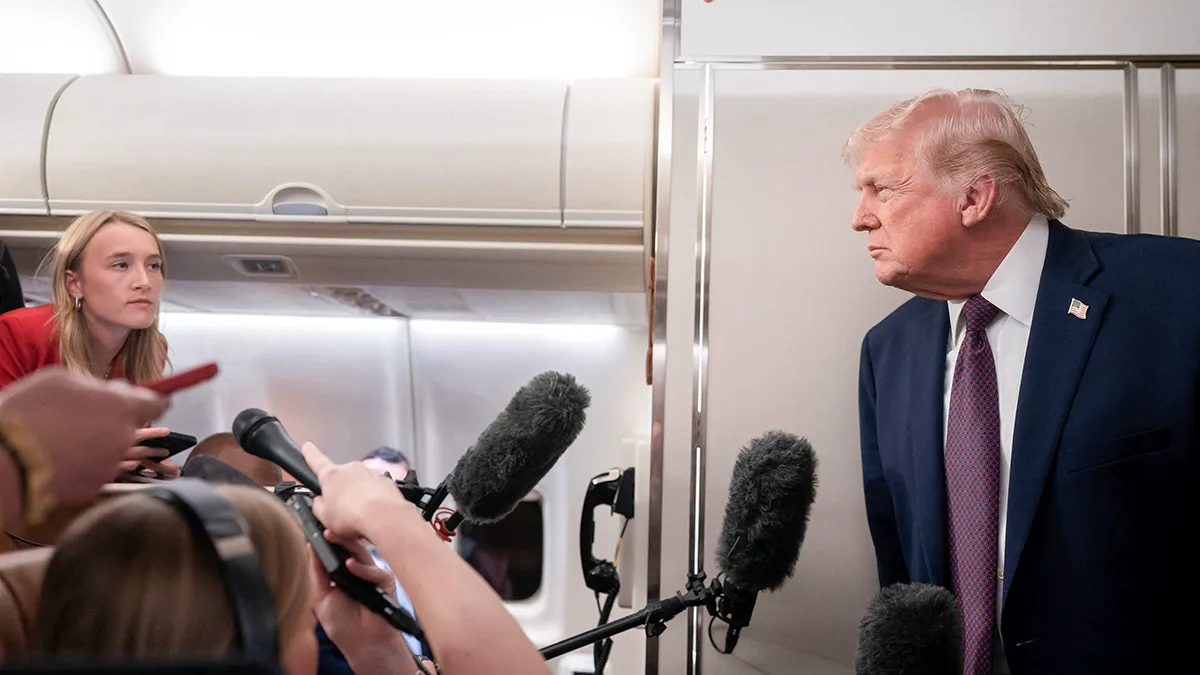
Nearly 650 dead and more than 10,000 detained in Iranian protests: an X-ray of a cornered terrorist regime
Facts:
Human rights organisations in exile now estimate that at least 648 protesters have been killed since the protests began in late December, including several minors, and warn that the actual number could be significantly higher.
The HRANA agency and other groups document around 10,600 people detained — with estimates exceeding 10,600–10,800 arrests — in a context of almost total internet blackout, overwhelmed hospitals and systematic use of live ammunition against protesters.
The protests, born of economic collapse and the devaluation of the rial, have led to open questioning of the theocratic regime, while the authorities threaten charges of ‘enemies of God’ that can carry the death penalty.
Implications:
The Iranian regime has moved from selective repression to a large-scale campaign of terror against its own population; anyone who continues to talk about isolated ‘excesses’ is out of touch with reality.
For liberal democracies, nearly 650 deaths and more than 10,000 arrests make it imperative to abandon lukewarm rhetoric: the only morally acceptable position is outright condemnation, coordinated pressure and decisive support for those who are risking their lives for freedom in the streets of Tehran, Isfahan and other cities.

Greenland categorically rejects any US control and NATO sounds the alarm
Facts:
The Greenlandic government has declared that it ‘cannot under any circumstances accept’ American control over the island, as it prepares to receive US Secretary of State Marco Rubio on a politically charged visit.
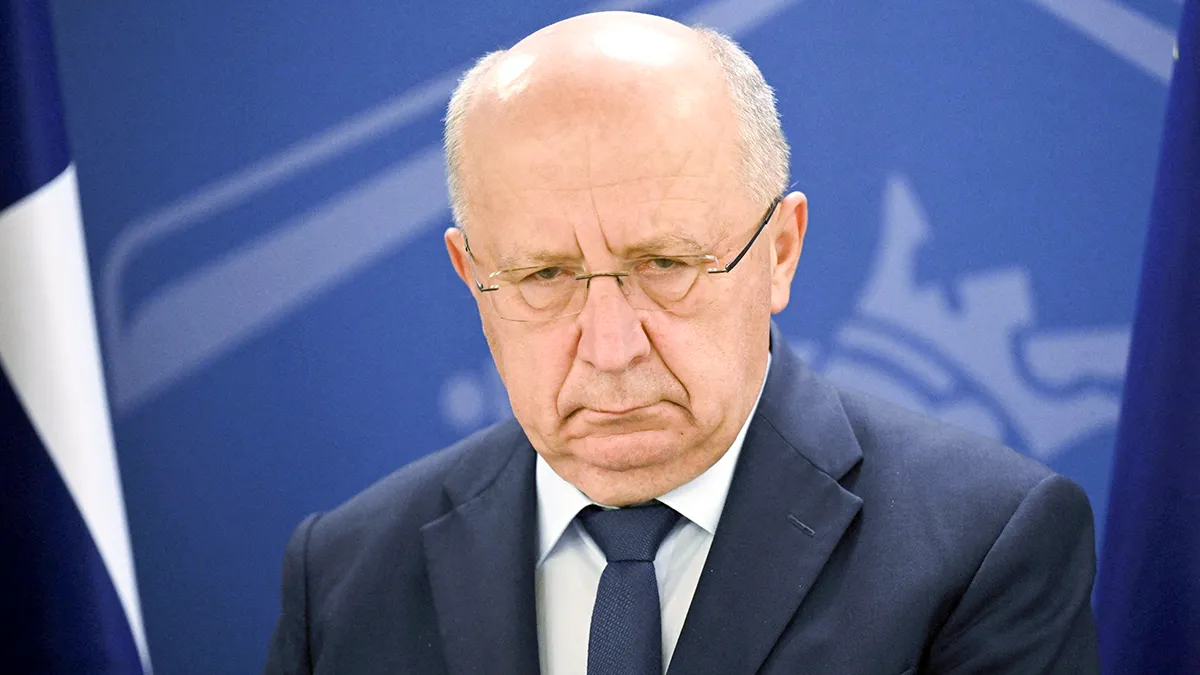
Andrius Kubilius, European Commissioner for Defence, warned that a possible US invasion of Greenland would mean ‘the end of NATO’, and the Alliance's Secretary General, Mark Rutte, said that ways to strengthen the island's security are being studied.
Implications:
The mere hypothesis of a unilateral move by Washington on a territory belonging to the Kingdom of Denmark reveals the extent to which the Arctic and North Atlantic have become the scene of strategic competition, even within the Western camp itself.
For Europe, the red line is clear: defending the transatlantic link does not mean accepting adventures that erode the sovereignty of a member state or legitimising territorial revisionism, whether it comes from Moscow or, hypothetically, from Washington; NATO's strength lies precisely in mutual respect for borders and international law.
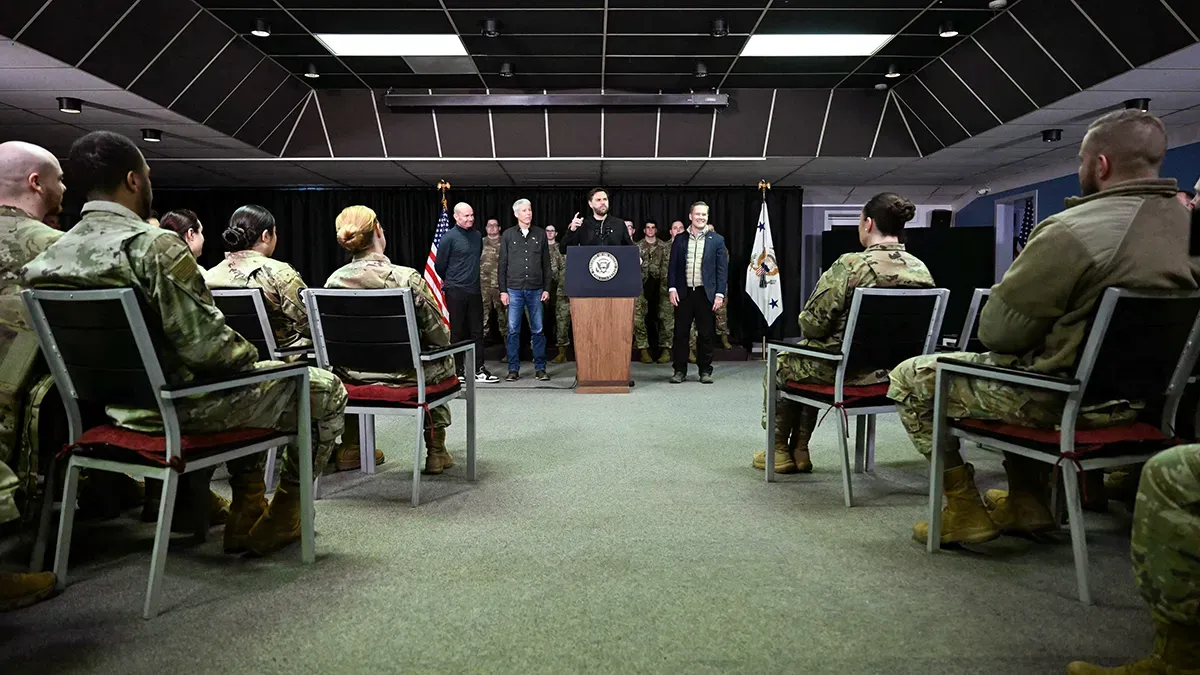
NATO seeks to shield its Arctic flank without breaking Atlantic unity.
Facts:
Mark Rutte has indicated that the Atlantic Alliance is working on options to strengthen Greenland's security, in coordination with Denmark and its American partners, at a time of growing strategic interest in the Arctic.
At the same time, internal debates continue on the distribution of defence burdens and the timetable for Europe to assume a much greater role in conventional deterrence, while maintaining collective defence guarantees.
Implications:
The Greenland issue forces NATO to demonstrate maturity: strengthening a key territory without creating rifts between allies or feeding the Russian and Chinese narrative of an aggressive and disorderly Alliance.
Europe must seize this moment to strengthen its military capabilities and its political voice within NATO: only a strong and reliable Europe can prevent potential conflicts between allies from handing Moscow and Beijing the narrative of a fractured West on a plate.
Alphabet reaches $4 trillion: the geopolitics of the AI oligopoly
Facts:
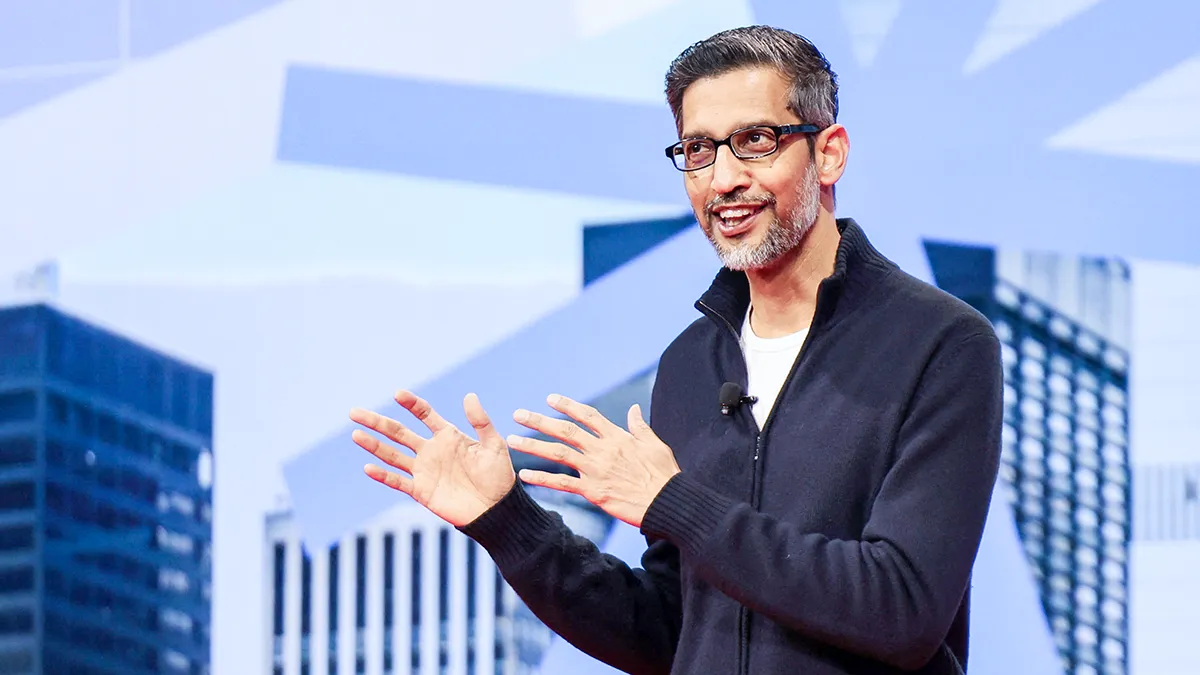
Alphabet, Google's parent company, surpassed the $4 trillion market capitalisation mark, becoming the fourth major technology company to reach this threshold after Nvidia, Apple and Microsoft.
The leap is largely attributed to the success of its Gemini 3 artificial intelligence model and the multi-year agreement whereby Apple will use it to power an advanced version of Siri, its digital assistant, consolidating a new axis of technological power.
Implications:
The concentration of economic, technological and data power in the hands of a handful of AI giants has an obvious geopolitical dimension: it defines who sets standards, controls critical digital infrastructure and sets the terms of global public debate.
For Europe, the risk is twofold: falling behind in the AI race, becoming a mere ‘regulatory customer’ of foreign solutions, and seeing digital sovereignty diluted in an ecosystem dominated by a few American and Chinese players.
AI and security: technological alliances that are reshaping Western soft power
Facts:
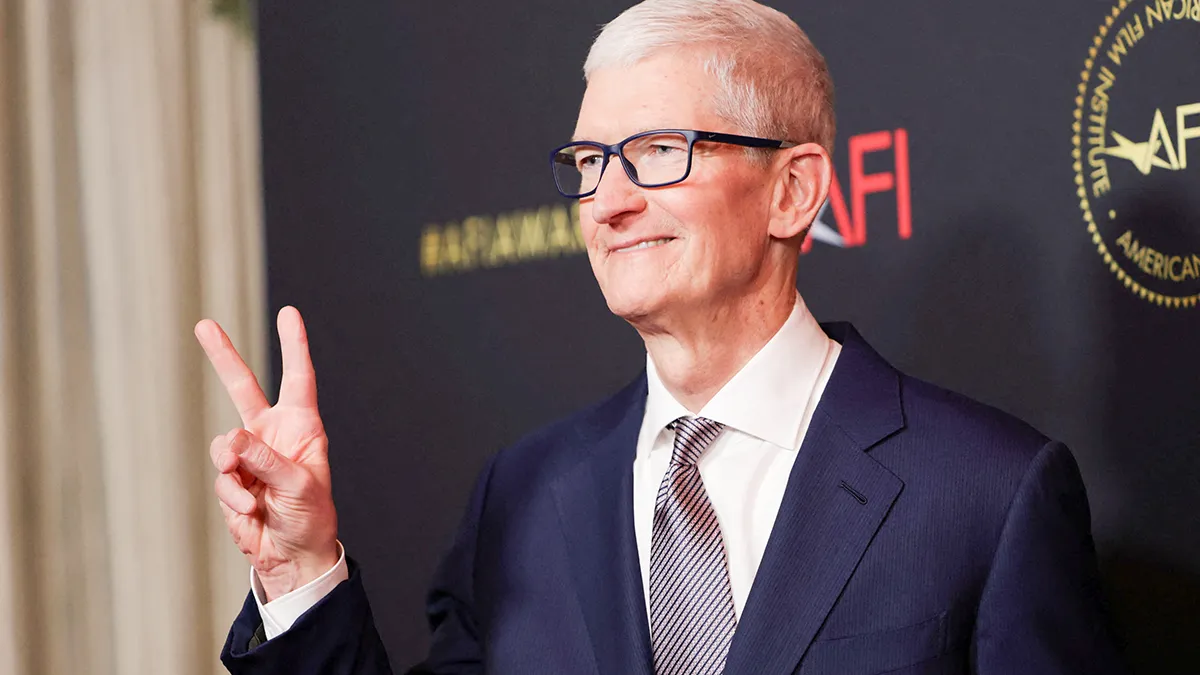
The Apple–Google pact to integrate Gemini into Siri deepens an already multi-billion-pound relationship between the two companies, with Google as the default search engine and now as the AI engine of an Apple ecosystem with hundreds of millions of devices.
The radical improvement in smart assistants and cloud services has driven a 35–65% increase in Alphabet's value in recent months, pulling up its entire ecosystem of semiconductor and cloud service providers.
Implications:
The soft power of the West also depends on the ability of its companies to lead the AI revolution, but geopolitics demands more than just profits: a framework of democratic accountability, algorithmic transparency and protection against information manipulation is needed.
The cultural battle against extremism — whether jihadist, ultra-nationalist or exclusionary wokism — is no longer fought only in parliaments and on television sets, but on digital platforms governed by algorithms: to give up on regulating them intelligently is to leave the field open to populism and disinformation.
Ukraine: the war of attrition continues, as does the demand for ‘more Europe’ in defence
Facts:
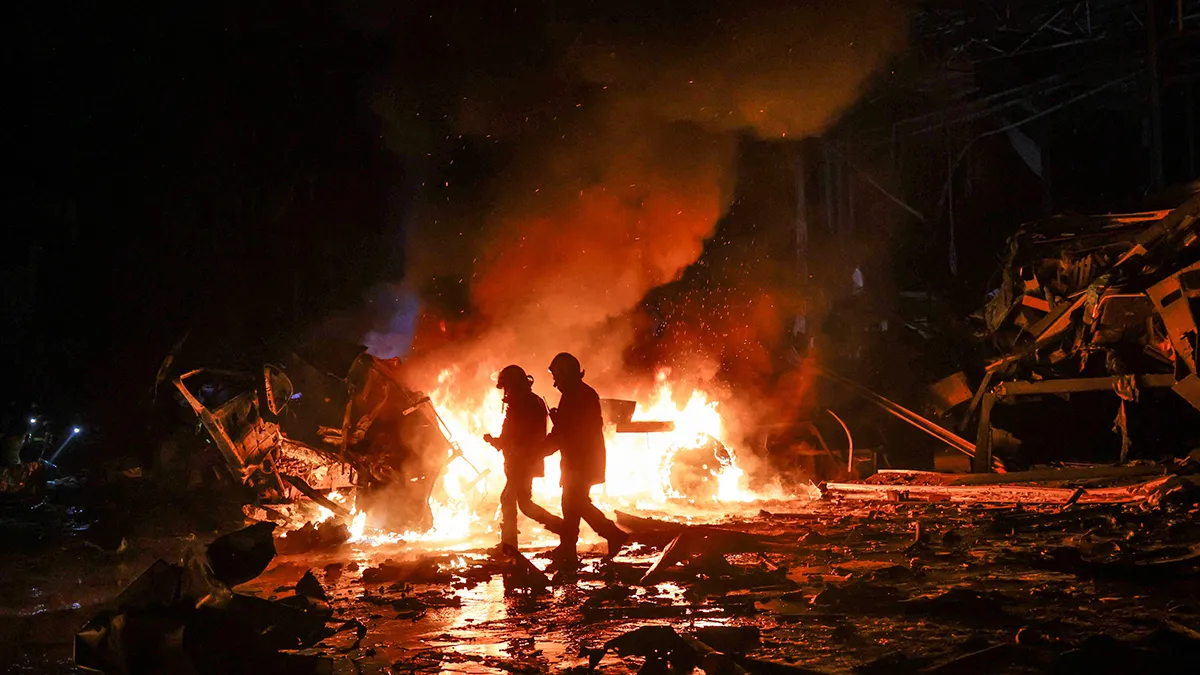
The latest reports confirm the continuation of Russian missile and drone attacks on Ukrainian energy infrastructure and logistics hubs, in a strategy of sustained suffocation.
At the same time, the debate is intensifying over the goal of Europe assuming most of the burden of conventional defence within NATO by 2027, with clear messages from the allied command and the capitals most committed to Kyiv.
Implications:
The war is not ‘frozen’: it is a slow but steady offensive by a regime that recognises no moral or legal limits; to admit strategic fatigue would be to betray not only Ukraine, but European security itself.
The message to European capitals is unequivocal: without serious rearmament, without multi-year defence contracts and without a robust military industry, Atlanticist discourse becomes empty rhetoric; freedom is defended with principles, but also with capabilities.
Indo-Pacific: narrowing of the Tokyo-Seoul-Washington triangle
Facts:
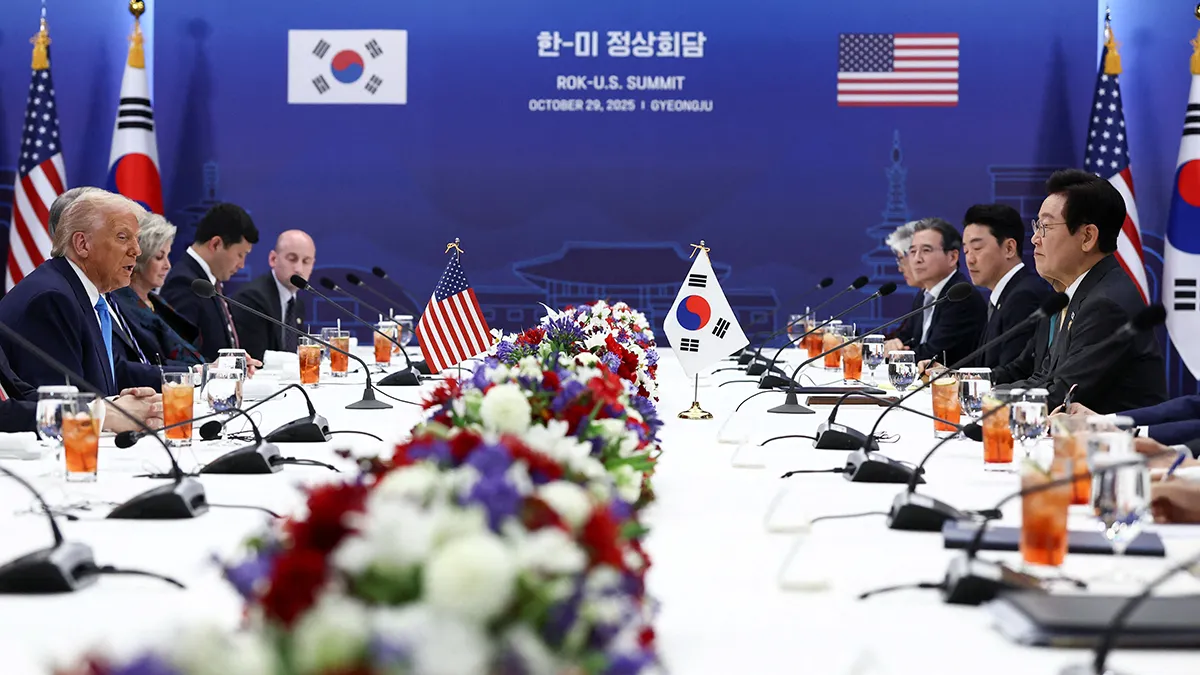
Japan and South Korea have reiterated their willingness to intensify security cooperation — including intelligence sharing and coordination on North Korea and China — in recent meetings between their leaders and defence officials.
The agenda also includes economic ties in cutting-edge technology, semiconductors and supply chains, with explicit US support and growing attention from European partners.
Implications:
This democratic triangle strengthens the eastern flank of the free world, sends a message of unity in the face of Chinese expansionism and offers Europe a natural partner for an Indo-Pacific strategy consistent with its values and interests.
In practice, Japan and South Korea are doing what Europe still hesitates to do: taking internal political risks to strengthen their collective security, an uncomfortable lesson for those who continue to dream of strategic autonomy without military investment.
The Sahel, the Horn of Africa and Europe's forgotten periphery
Facts:
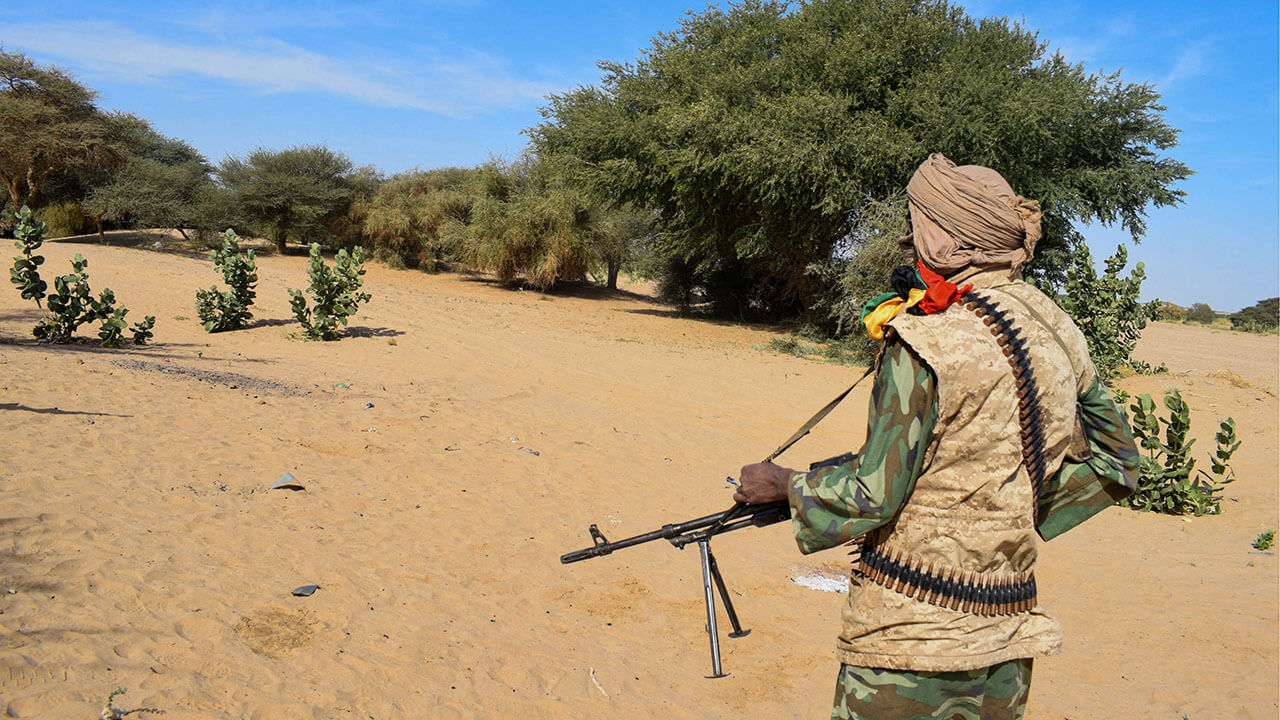
Recent reports highlight the persistence of violence, institutional collapse and the expansion of jihadist groups in the Sahel and the Horn of Africa, with a growing presence of external actors such as Russia and transnational criminal networks.
The simultaneous climate, economic and security crises are fuelling migratory flows towards the Mediterranean and further weakening the states in the region.
Implications:
Ignoring these scenarios is a luxury that Europe cannot afford: jihadist terrorism, which feeds on these breeding grounds, and poorly managed waves of migration will hit European stability hard if long-term action is not taken.
It is essential to articulate a strategy that combines security, development and diplomacy, with a firm European and Atlanticist presence in the face of Russian and Chinese penetration, and decisive support for the forces fighting extremism.
Latin America: the Venezuelan narco-dictatorship and the regional echo
Facts:
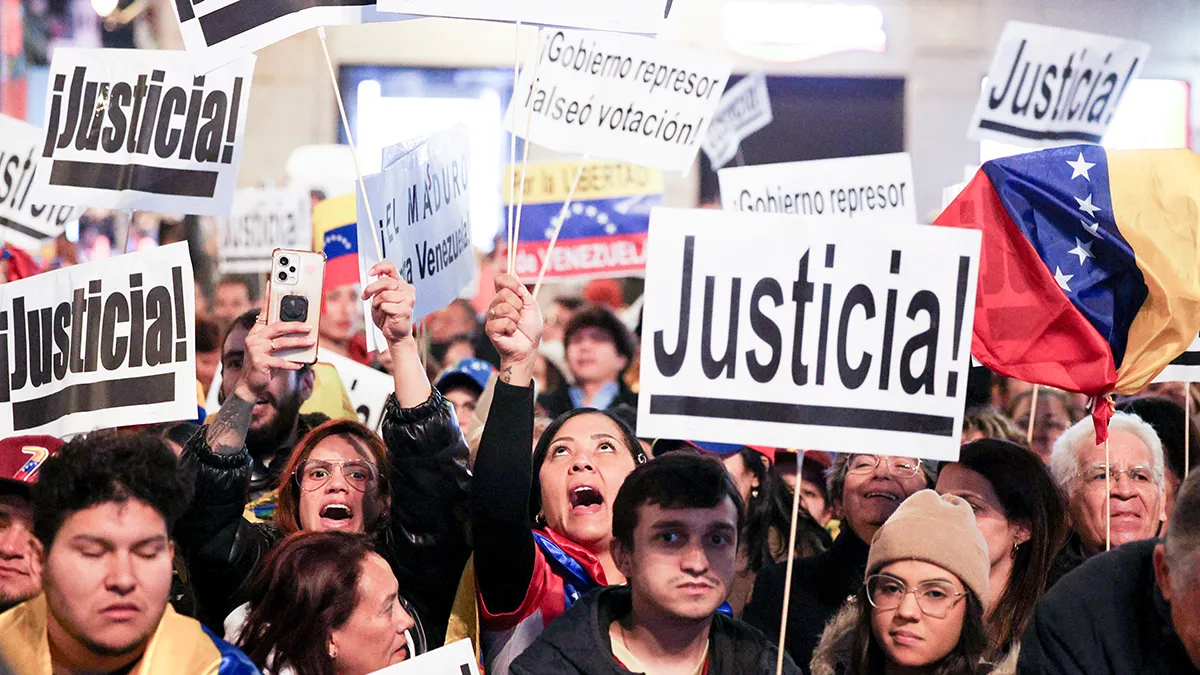
Latin American media insist on political immobility in Venezuela, with no significant democratic progress, repression of the opposition and chronic social and economic deterioration.
The migration crisis associated with the Chavista narco-dictatorship continues to strain neighbouring countries and fuel transnational criminal networks that intersect with drug trafficking to the United States and Europe.
Implications:
The Maduro regime continues to operate as a giant mafia organisation with an ideological mask; only a combination of intelligent sanctions, diplomatic pressure and police and military collaboration against drug trafficking can force real change.
For the EU and the United States, looking the other way in Venezuela would mean giving up an essential part of the defence of liberal democracy in their own neighbourhood; the cost of inaction will always be greater than that of a firm and coherent policy.
Media rack
International agencies (Reuters, AFP, AP, DPA): focus on the verbal and economic escalation between Washington and Tehran, the shocking death toll in the Iranian protests (almost 650 killed), the repression of detainees (more than 10,000), pressure on NATO over Greenland and the continuing war of attrition in Ukraine.
Economic and technology press (WSJ, FT, The Economist, CNBC, Bloomberg): prominent coverage of Alphabet's leap to $4 trillion, the Apple-Google pact on AI, and the consequences of the concentration of technological power on competition, regulation, and the geopolitics of innovation.
General Anglo-Saxon press (NYT, WaPo, BBC, CNN): analysis of Trump's dilemma between diplomacy and force against Iran, the human and political impact of Iranian repression with figures of almost 650 dead, and the risk of Greenland becoming a new focus of intra-Western friction with consequences for NATO.
Continental European media (Le Monde, Le Figaro, FAZ, Die Welt, Die Zeit, Corriere): concern about Atlantic cohesion in the face of the Greenland case, insistence on the need to strengthen the Arctic flank and accelerate the construction of a true European defence industrial base.
Asia-Pacific (Straits Times, SCMP, Yomiuri Shimbun, Indian media): attention to Tokyo-Seoul-Washington cooperation, the balance between business with China and regional security, and India's role as a key partner for Europe and the United States in the face of Chinese advances.
Middle East (Al Jazeera, Arab News, Haaretz, Jerusalem Post): strong emphasis on repression in Iran, with nearly 650 dead and more than 10,000 detained, the ambivalence of the regime's diplomatic gestures, and the risk that the combination of sanctions and possible US attacks will reconfigure the regional balance of power.
Latin America (Clarín, El Mercurio, Reforma): continued condemnation of Chavista immobility, concern about crime associated with drug trafficking and the Venezuelan exodus, and analysis of Washington and Brussels' room for manoeuvre in the face of authoritarian regimes in the region.
Editorial commentary
The events of the last 24 hours sum up the crossroads of 2026: a theocratic regime like Iran's kills nearly 650 protesters and imprisons more than 10,000 people without legal process, while trying to sell the world an image of responsible moderation; an allied power such as the United States explores extreme forms of pressure—tariff and military—which, if well calibrated, could slow Tehran down, but if poorly managed could open up new fronts of instability; and, in parallel, a ‘simple’ island like Greenland becomes the litmus test of NATO's maturity. Underlying all this is the same fundamental question: are liberal democracies prepared to defend their values with intelligence, strength and consistency, or will they succumb to the comfort of appeasement?
The Trump administration has opted for a hard line against Iran which, far from being capricious, responds to the nature of a regime that has been exporting terrorism and destabilisation for decades through Hezbollah, Hamas, Iraqi militias and Houthis. The 25% tariffs on those who trade with Tehran are a powerful signal, which must be complemented by a sanctions architecture coordinated with Europe and a diplomatic strategy that protects the Iranian people and supports those who risk their lives against tyranny.
Unlike other naive experiments in appeasement, the combination of severe economic pressure and credible threats of force can, if administered wisely, push the regime towards concessions it would never make of its own accord. The figures of nearly 650 dead and more than 10,000 detained are an unequivocal indicator that the regime, faced with external threats, has decided to consolidate its power through increasing repression: this is both a weakness and a confirmation that only sustained pressure can bring about change.
At the same time, the Greenland case reminds us that territorial revisionism is not the exclusive preserve of Moscow or Beijing. Any temptation to alter the sovereignty of an allied territory by force or threat would be incompatible with the very logic of NATO. Defending the Atlantic link means respecting, without nuance, the integrity of Denmark and its territories, and working to strengthen the Arctic flank without feeding the caricature of a voracious and undisciplined Alliance. The greatness of Atlanticism has always resided in the combination of hard power and respect for international law; to renounce that balance would be to give propaganda ammunition to Russia, China and Iran.
Meanwhile, the silent revolution of artificial intelligence and the power of giants such as Alphabet reveal another delicate flank: that of control over the future. A West that leads technological innovation but refuses to provide it with an ethical and democratic framework runs the risk of seeing its own tools turn against its values, amplifying disinformation, identity-based hatred, exclusionary wokism and extremism of all kinds. The answer cannot be technological Luddism or corporate appeasement, but rather a combination of intelligent regulation, investment and active defence of liberal democracy in the digital space.
Europe, and Spain within it, have experience in building freedom in the face of the threat of extremism. The Spanish transition, with Juan Carlos I as the architect of a historic reconciliation pact, shows that it is possible to combine firmness and moderation, memory and future. That lesson remains fully valid: stability is neither a gift nor a guaranteed legacy; it is a daily conquest that requires moral clarity, political will and the determination not to give in to totalitarianism from outside or populism and relativism from within. In 2026, giving up that battle would simply mean giving up on the future.