Gustavo de Arístegui: Geopolitical Analysis 15 January

The international scene over the last 24 hours has crystallised around a decisive ‘Triangle of Tension’: Iran, Greenland and Venezuela. Washington acts as the unavoidable pivot of this dynamic, setting a pace that allows for no half measures or moral equidistance.
While Donald Trump is attempting a ‘tactical pause’ in the military threat against the theocratic regime in Tehran—conditional on the cessation of internal killings—he is maintaining an iron grip on Denmark and the European Union for strategic control of the Arctic. Simultaneously, the Western Hemisphere is digesting the collapse of narco-Chavism in Venezuela, an event that is reconfiguring alliances from Havana to Managua.
These are not isolated incidents, but rather a systemic battle. On the one hand, liberal democracies, which, despite their imperfections and internal hesitations, seek order; on the other, an autocratic axis (China, Russia, Iran) that exploits any power vacuum. In this context, European reluctance to accept American Realpolitik clashes with the harshness of a world where naive pacifism has only served to arm terrorists and cede ground to revisionist empires. The defence of freedom today requires firmness, not empty rhetoric.
Iran: Trump's ‘tactical pause’ in the face of the reality of terror
Facts
Donald Trump has announced the temporary suspension of threats of immediate military intervention, citing intelligence information suggesting a cessation of ‘executions and killings’. However, sources on the ground and activists report that, under the information blackout, the regime persists in mass arrests and summary trials, with an estimated death toll of over 3,400.
Analysis and implications
This manoeuvre is not an olive branch, but an ultimatum. By declaring a pause, Trump is removing the victim narrative from the Ayatollahs' regime: if violence resumes publicly, the response (military or cybernetic) will be legitimised before the international community. For Europe, this is the last chance to abandon its lukewarm stance: either it joins in the maximum pressure to suffocate the financiers of Hezbollah and Hamas, or it will be complicit by omission in the survival of a criminal theocracy.

Greenland: the ‘fundamental disagreement’ and European blindness
Facts
The White House summit between JD Vance, Marco Rubio and the Danish-Greenlandic delegation ended without agreement. While Copenhagen insists that the island ‘is not for sale’, Washington reiterates that control of the Arctic is an existential national security imperative in the face of advances by Russia and China.
Analysis and implications
Rejecting the reinforced US presence on the basis of ‘sovereign pride’ is a strategic error of the first order. The Arctic is the new frontier of the Cold War; Russia has already militarised it and China seeks to dominate its rare earths. If Europe blocks its natural ally (the US) out of diplomatic purism, it will be handing the key to the North Atlantic to hostile powers.
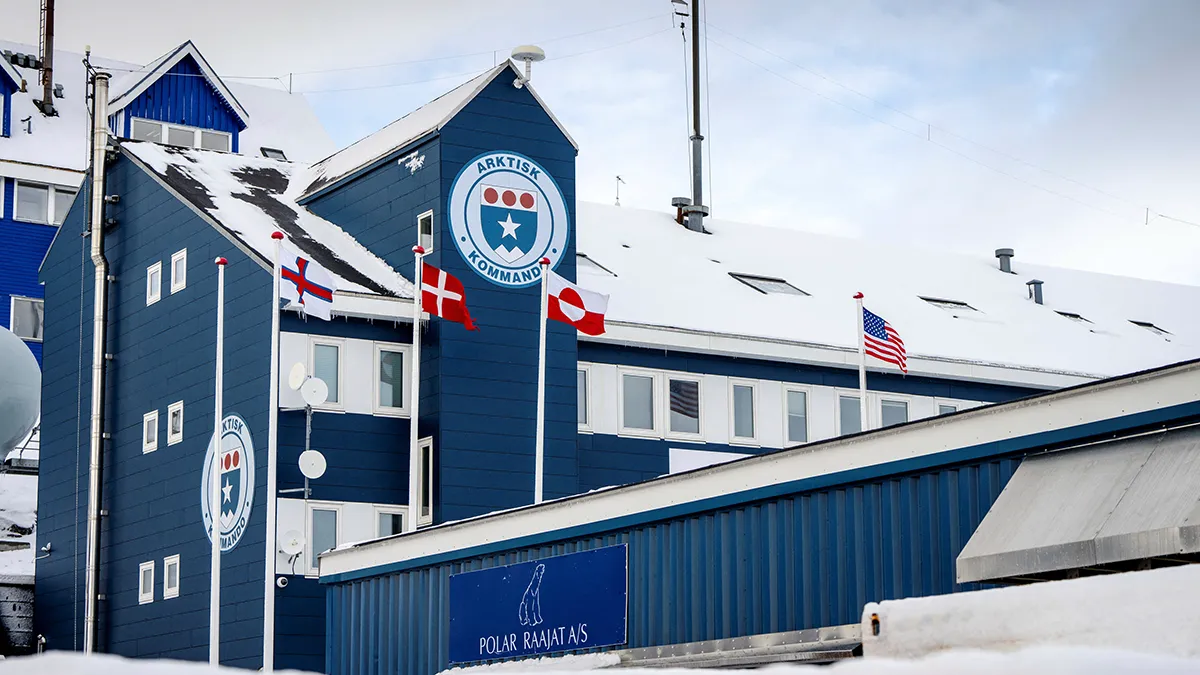
European military mobilisation to the north: autonomy or reaction?
Facts
In response to pressure from Trump, European powers (France, Germany, Sweden, Norway) have announced the deployment of troops and joint exercises in Greenland to ‘support Denmark’.
Analysis and implications
Although presented as a gesture of strategic autonomy, it reveals continental hypocrisy: Europe mobilises resources only when it feels challenged by Washington, but has remained passive while China buys critical infrastructure. True Atlanticism requires coordinating this force with the US, not using it for a ‘posturing’ of independence that only benefits Moscow.

China: historic surplus and the trade trap
Facts
Beijing announces a record surplus of $1.2 trillion in 2025, diversifying its exports to the Global South to circumvent US tariffs.
Analysis and implications
China does not compete, it conquers. Its surplus is transformed into political influence and technological dependence. While the West debates the ‘free market’, the CCP consolidates monopolies in critical supply chains. The response of democracies cannot be commercial, it must be industrial security: decoupling from Chinese dependence is vital for long-term survival.

Venezuela: the end of the “narco-state” and the domino effect
Facts
The fall of the Chavista regime following international pressure and indirect US intervention leaves a power vacuum that threatens to fragment into criminal fiefdoms, but fatally weakens its allies: Cuba and Nicaragua.
Analysis and implications
The most important logistical platform for terrorism and drug trafficking in the hemisphere has been dismantled. Criticising ‘interference’ is to ignore the horror that Venezuelans were living through. The challenge now is to prevent the ‘libialisation’ of the country; firm international tutelage is required to rebuild institutions and prevent residual mafias or the ELN from occupying the space left by Chavismo.

Middle East: preventive withdrawal and deterrence
Facts
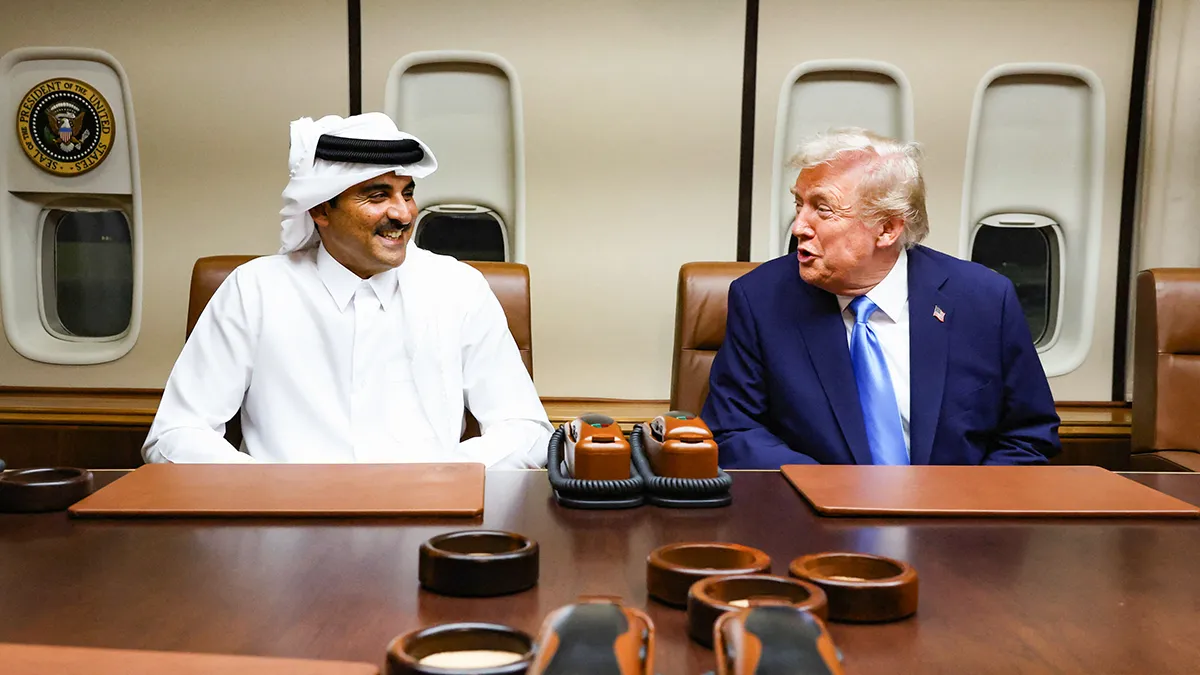
The US evacuates non-essential personnel from bases in Qatar and the Gulf in anticipation of possible asymmetric Iranian retaliation.
Analysis and implications
This is a measure of operational prudence that should not be confused with weakness. By reducing easy targets, Washington is preparing for a possible high-intensity escalation. The security of energy routes now depends on Arab and European allies assuming their share of responsibility for collective defence.
Gaza: ‘Phase Two’ and the end of the era of terror
Facts
The Trump administration is pushing for a transition to the total demilitarisation of the Strip and a technocratic administration, seeking to definitively marginalise armed factions.
Analysis and implications
This approach breaks with decades of conflict management that legitimised terrorist actors as political interlocutors. Peace is only possible if Hamas's capacity to wage war is eliminated; any solution that leaves weapons in the hands of Islamists will be a failure.
Ukraine: the forgotten winter emergency
Facts
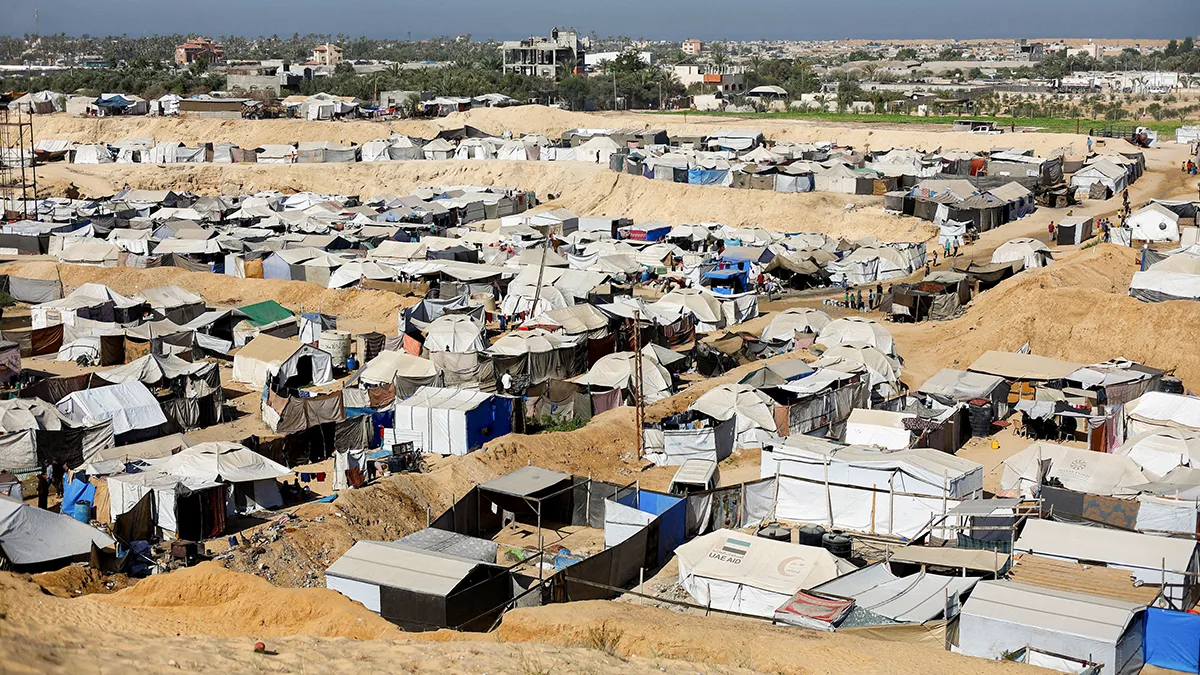
Russia launches a brutal offensive against Ukraine's energy infrastructure in the midst of a cold snap (-19°C), seeking to break civilian morale.
Analysis and implications
Putin senses Western ‘fatigue’. If democracies allow Ukraine to freeze due to a lack of air defence, NATO's credibility will be shattered. Aid to Kiev is not charity, it is the necessary deterrent to prevent Russian tanks from threatening Warsaw or the Baltics tomorrow.
Japan: early elections and strong leadership
Facts
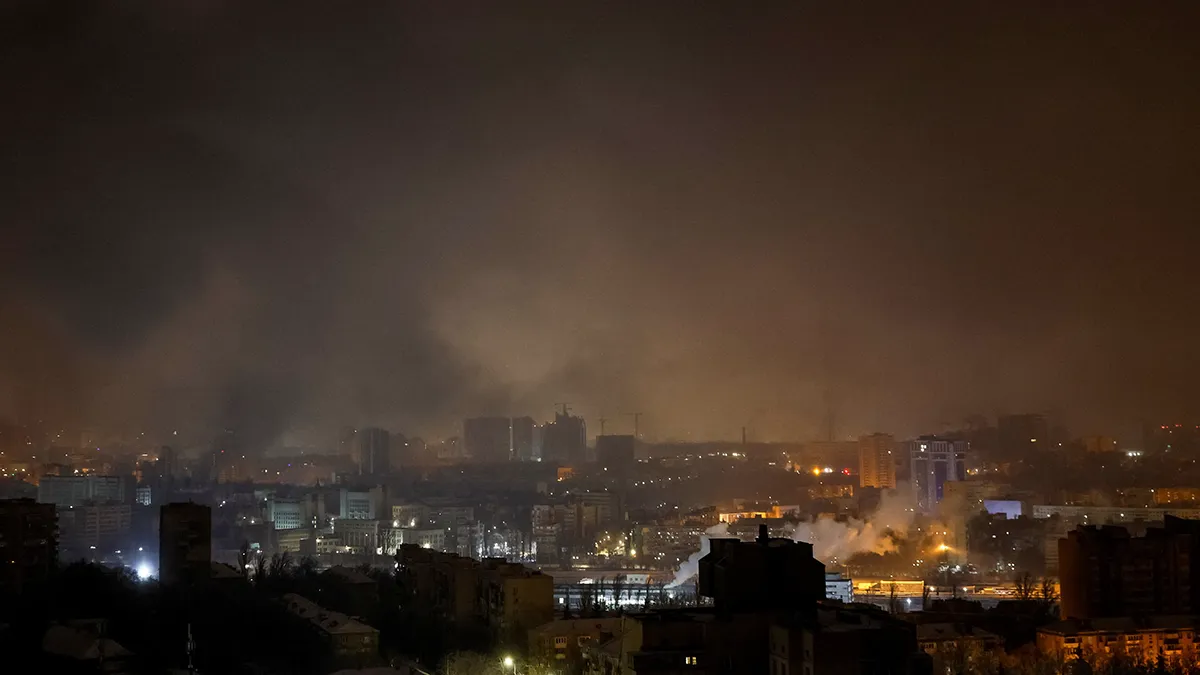
Prime Minister Sanae Takaichi dissolves parliament to consolidate her mandate in the face of threats from China and economic difficulties.
Analysis and implications
Takaichi represents the antidote to Western ‘wokism’: a nationalist, pragmatic and unapologetic leadership in defence of her sovereignty. A re-armed and politically stable Japan is the indispensable pillar for containing China in the Indo-Pacific.
Markets: the geopolitics of resources
Facts
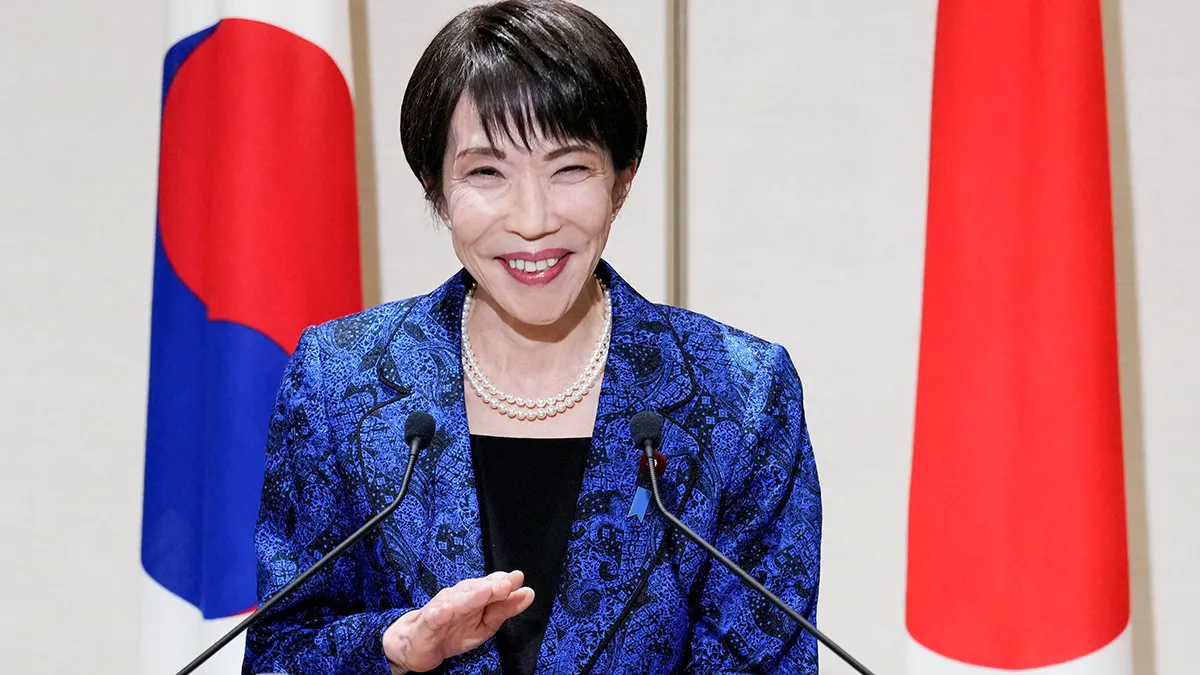
Volatility in strategic metals and energy. Investors are fleeing to safe-haven assets amid uncertainty in the Arctic and the Persian Gulf.
Analysis and implications
The economy is no longer governed solely by supply and demand, but by security and access. The Western energy transition is vulnerable to blackmail by autocrats who control copper, lithium and rare earths. Without geopolitical security, there can be no sustainable economic prosperity.
Media rack
Atlantists / Centre-right (WSJ, Telegraph, Fox, National Interest):
Approach: they value ‘Peace through Strength’. They see Iran's pause as a victory for Trump's deterrence and consider the Greenland issue a strategic necessity misunderstood by a naive Europe.
Pro-European/Liberal (FT, Le Monde, BBC, El País):
Approach: caught between fear of war and ideological aversion to Trump. They criticise ‘imperial ways’ in Greenland and call for dialogue with Iran, often downplaying the terrorist nature of the Tehran regime in favour of ‘stability’.
Progressives/Woke (NYT, Guardian, CNN, La Sexta):
Approach: systematic demonisation of Republican foreign policy. They present the fall of Chavismo as ‘destabilisation’ and pressure on Iran as ‘warmongering’, ignoring the human rights violations of these regimes.
Revisionists/Propaganda (RT, China Daily, Al Jazeera):
Approach: coordinated narrative: the US is the global aggressor (Arctic, Venezuela, Iran). They hide internal repression in Iran and China and celebrate chaos in the West.
Editorial comment: the moment of truth
In these critical hours, the mirror of reality reflects an image that many in the West prefer to ignore. The world forces us to choose sides without ambiguity: either we stand with imperfect democracies that correct their mistakes and defend freedom, or we stand with regimes that make terror their state doctrine.
Trump's ‘tactical pause’ in Iran demonstrates a Reagan-style pragmatism that exposes the armchair pacifism of old Europe and the American radical left. While figures such as the late pioneer Claudette Colvin remind us that the struggle for civil rights is a noble and real cause, today's ‘wokism’ has perverted that legacy, preferring to attack Western democracies for ‘microaggressions’ while remaining complicitly silent in the face of the gallows in Tehran or the torture in Caracas.
Let us make no mistake: Iranian repression is not an ‘excess,’ it is the system. Narco-Chavism was not a ‘political option,’ it was a mafia. Dismantling these threats requires strength, not sterile dialogue.
The same applies to Greenland. Criticising Washington's heavy-handedness as ‘imperialism’ while ignoring Russia's militarisation of the ice and China's hoarding of resources is suicidal hypocrisy. We are staunch Europeanists, yes, but our strategic autonomy cannot be based on equidistance between the firefighter (the US) and the arsonist (Putin/Xi).
The lesson of 15 January 2026 is clear: in a world of wolves, wisdom demands fangs. Civilisation is not defended with blank cheques to terrorists or moral neutrality. Choosing inaction, or worse, choosing equidistance, is choosing the defeat of the West.