Gustavo de Arístegui: Geopolitical Analysis 18 January


- Introduction
- Russia continues its campaign of attrition against Ukraine
- Ukraine insists on firm guarantees of military supplies
- The United States reaffirms its military presence in Europe
- Gaza enters the week with no political progress
- Iran maintains its active support for regional armed actors
- China steps up strategic pressure on Taiwan
- Japan consolidates its strategic shift in defence
- Energy: stable markets, but on alert
- Venezuela remains mired in political immobility
- Africa: persistent deterioration of security in the Sahel
- Media rack
- Editorial commentary
Introduction
The week ends with no signs of strategic change and with the confirmation of an already established pattern: the international system operates under a logic of structural confrontation, not temporary crisis.
Russian aggression against Ukraine remains the main source of instability in Europe; the Middle East remains in a fragile truce with no visible political solution; and Asia-Pacific continues to move towards open competition driven by Chinese pressure. The global economy is holding up, but it is doing so on the basis of stability conditioned by geopolitical factors, and that can change overnight in the current circumstances. Geopolitical proactivity and investment prudence are essential.
Russia continues its campaign of attrition against Ukraine
Facts
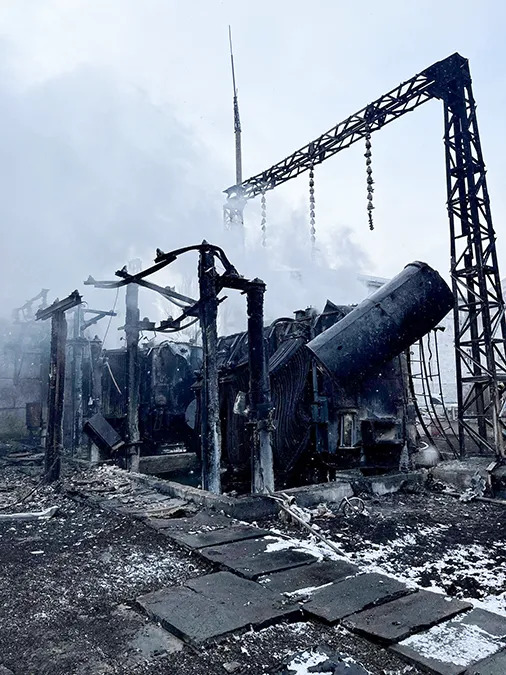
Russian forces continued selective drone and missile strikes against critical Ukrainian infrastructure.
Implications
Moscow is committed to eroding resilience in the medium term; air defence and continued Western support remain decisive.
Ukraine insists on firm guarantees of military supplies
Facts
Kyiv reiterated to its partners the need for clear timetables and consistent deliveries of ammunition and defensive systems.
Implications
Logistical unpredictability reduces operational effectiveness; Europe must prioritise actual industrial execution.
The United States reaffirms its military presence in Europe
Facts
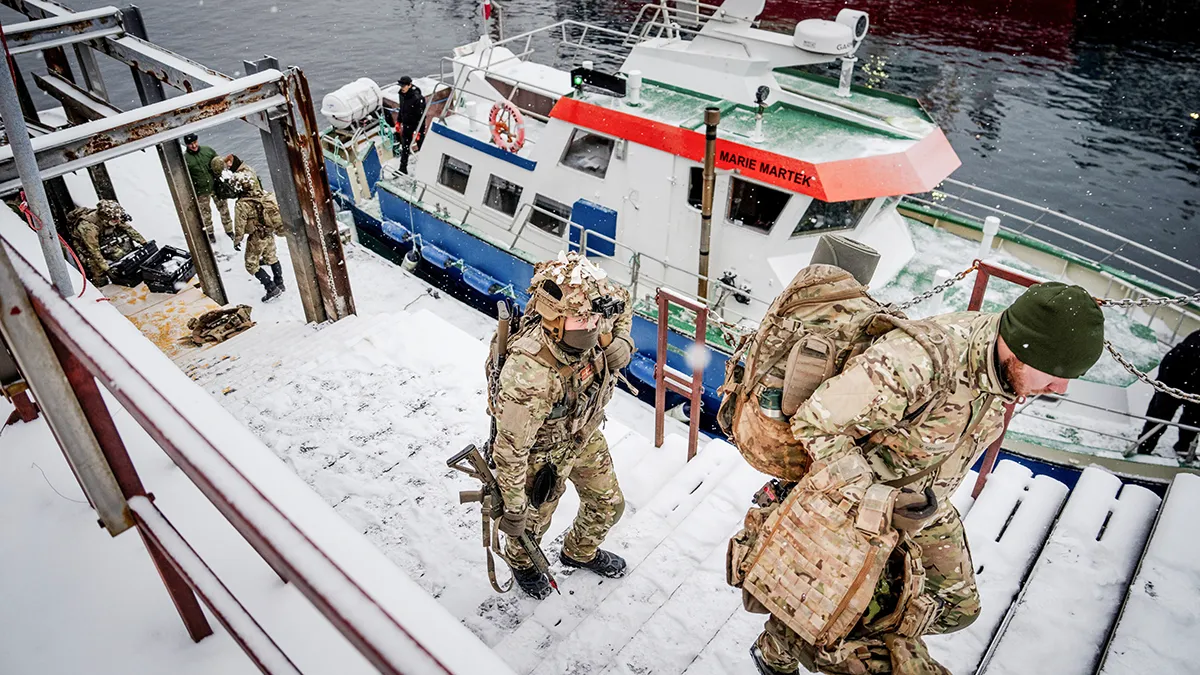
US authorities emphasised that the deployment on NATO's eastern flank will remain unchanged.
Implications
An unequivocal message of deterrence to Russia; Atlantic cohesion remains the cornerstone of European security.
Gaza enters the week with no political progress
Facts
Limited operational calm persisted, with controlled humanitarian aid and no substantive negotiations.
Implications
Stability is tactical and reversible; without a political process, the risk of escalation remains high.

Iran maintains its active support for regional armed actors
Facts
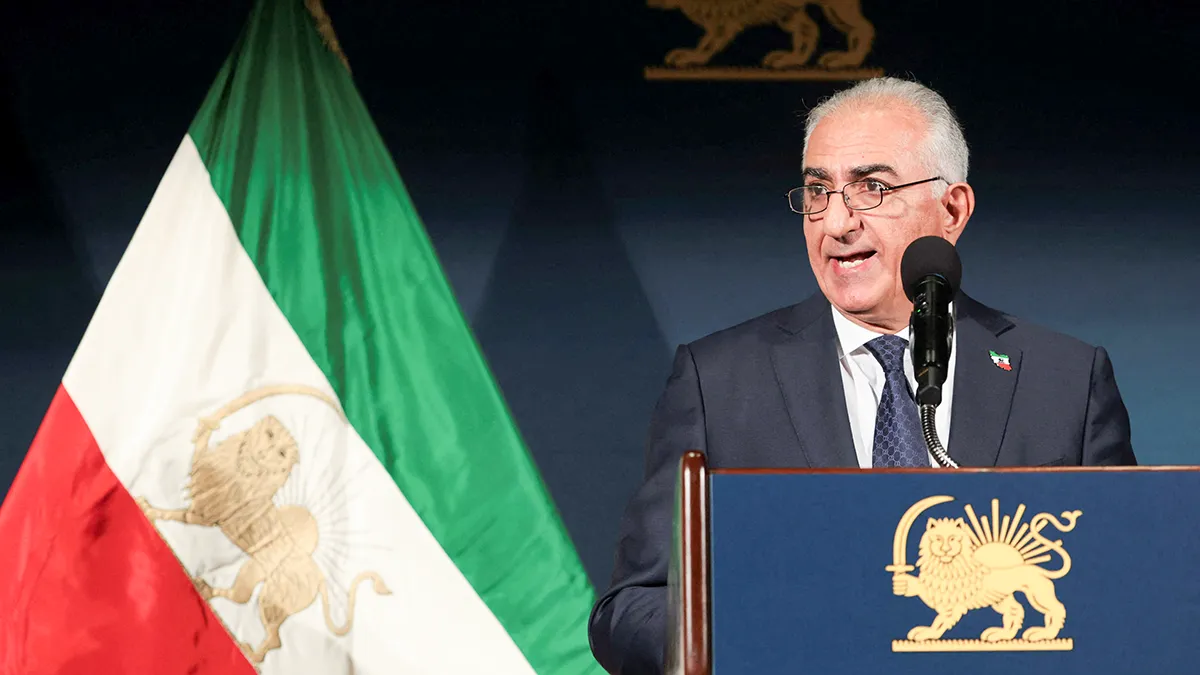
Tehran once again publicly justified the actions of allied militias in various scenarios.
Implications
The strategy of indirect pressure remains intact; firm and coordinated containment remains essential.
China steps up strategic pressure on Taiwan
Events
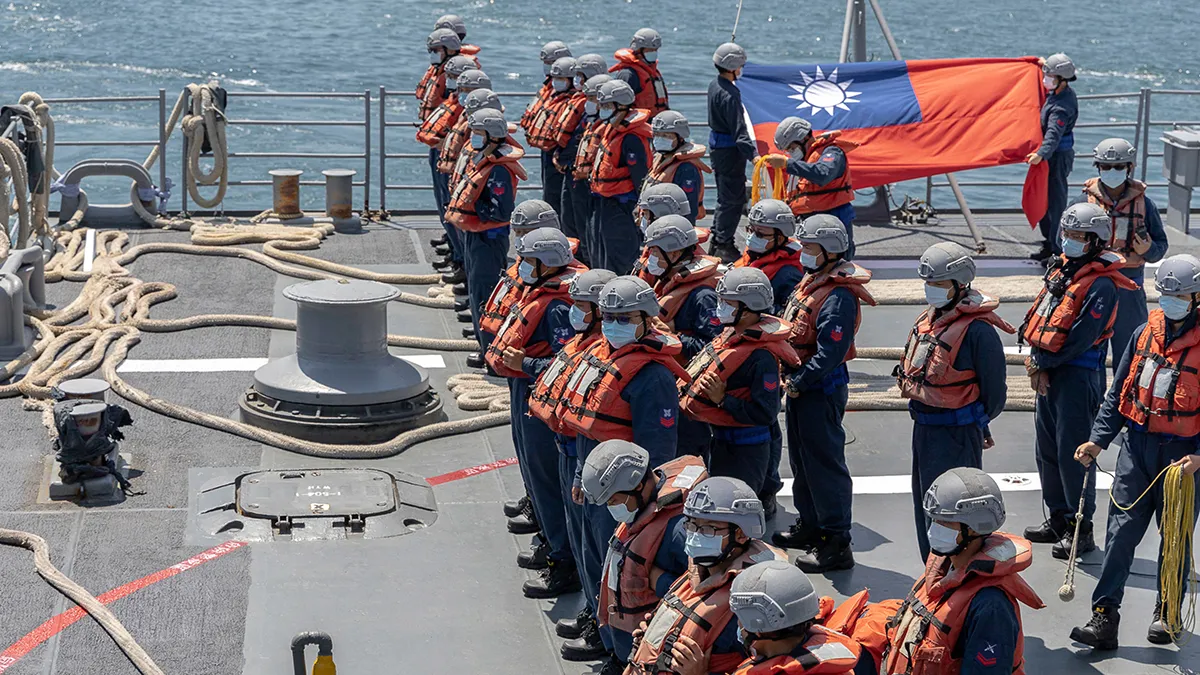
Beijing combined coercive political messages with a deterrent military presence around the Strait.
Implications
Chinese expansionism increases the risk of miscalculation; allied deterrence remains essential.
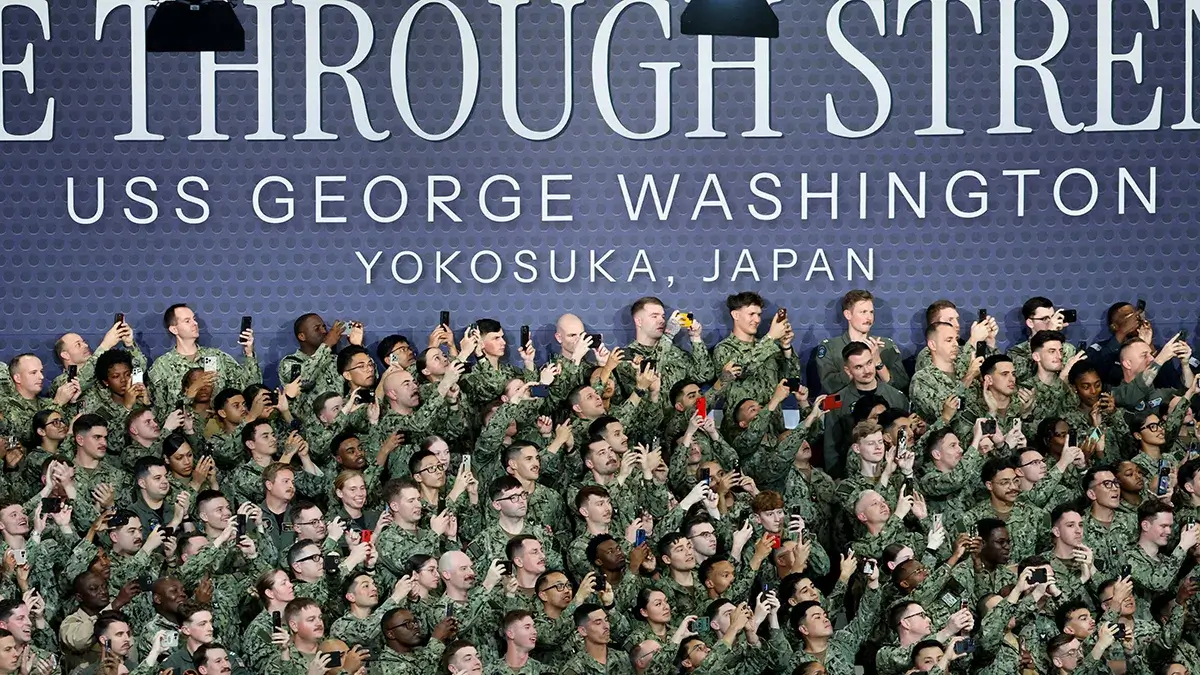
Japan consolidates its strategic shift in defence
Events
Tokyo made progress in joint planning and strengthening defensive capabilities with regional allies.
Implications
Strengthening of the democratic bloc in Asia-Pacific and greater convergence with European interests.
Energy: stable markets, but on alert
Events
Oil and gas prices remained contained, highly sensitive to any geopolitical escalation.
Implications
Energy remains a central political vector with a direct impact on inflation and social stability.

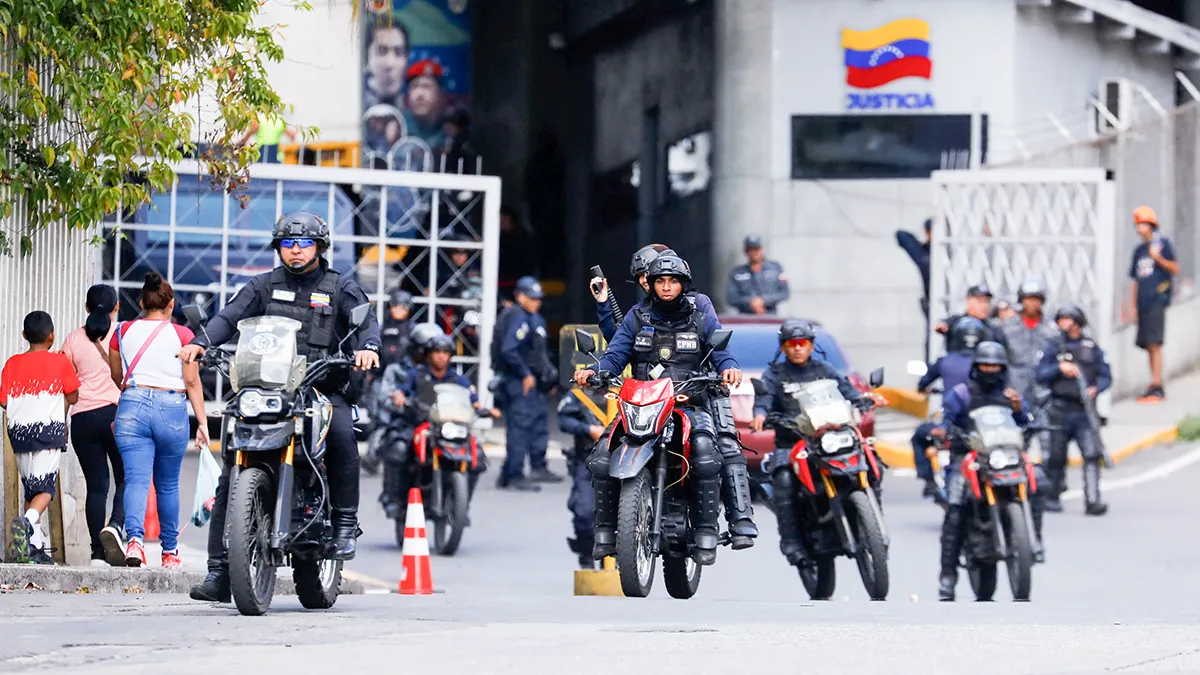
Venezuela remains mired in political immobility
Events
The Chavista regime showed no signs of democratic openness or improvement in fundamental rights.
Implications
International isolation and regional migratory pressure will continue to worsen.
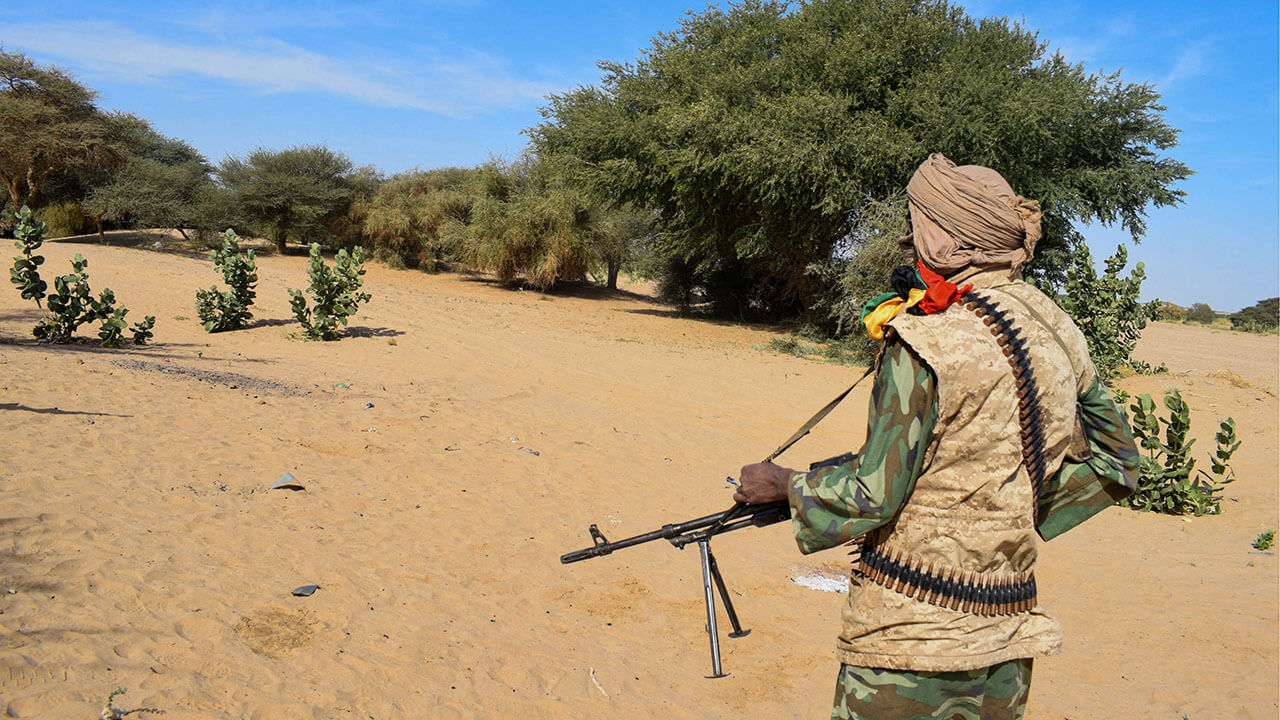
Africa: persistent deterioration of security in the Sahel
Events
Recent reports confirmed the expansion of armed groups and the fragility of states.
Implications
Direct risk to Europe in terms of terrorism and migration; strategic passivity would have cumulative costs.
Media rack
Agencies (Reuters, AFP, AP, DPA): continuous and factual coverage of Ukraine, energy and diplomacy, highlighting the absence of détente.
Anglo-Saxon press (NYT, WaPo, The Times, Telegraph, Guardian, FT, WSJ, The Economist): analysis of Ukrainian resistance, rivalry with China and the limits of economic stability.
Continental European media (Le Monde, Le Figaro, FAZ, Die Welt, Die Zeit, Corriere): focus on European responsibility in defence, military industry and strategic credibility.
Russian media (RT, TASS): narrative legitimising Russian aggression and systematic accusations against the West.
Asia-Pacific (SCMP, Yomiuri Shimbun, Straits Times, China Daily, Tokyo Times): contrast between regional concern and official Chinese discourse on Taiwan.
Middle East (Al Jazeera, Al Arabiya, Arab News, Haaretz, Jerusalem Post, Israel Hayom): divergent views on Gaza, Iran and regional balance.
Latin America (Clarín, El Mercurio, Reforma): focus on the stalemate in Venezuela and its regional effects.
Editorial commentary
Sunday brings no strategic relief, but rather confirmation of trends. Russia continues to bet on attrition; Iran persists in destabilisation through intermediaries; China advances with structural ambition and strategic patience. In this context, Western ambiguity is not neutral: it is dangerous.
Europe must prioritise its security and the defence of Ukraine as an existential issue. The United States is rightly maintaining a hard line against aggressors and drug trafficking, although any negotiations with Moscow can only be approached from a position of strength, Atlantic unity and full respect for international law, regardless of who it upsets. Firmness and respect for international law are not incompatible; in fact, they are twin brothers. Force without respect for the law is geopolitical bullying. It is not the law of the strongest, because it is almost always the pariah states, the states that promote terrorism and the criminal states that get away with it. Moral superiority to win this war, which cannot be a short-term one, is indispensable.
The terms cannot be confused: agreeing with the arrest of the usurper and criminal Nicolás Maduro Moros (an action that too many hastily labelled as kidnapping, a definition that will always haunt them - let us not forget that the operation was the execution of a perfectly legal international arrest warrant issued by a centre-left judge appointed by Bill Clinton in 1992, Alvin Hellerstein) cannot be a blank cheque to trample on the rules which, with all their flaws and weaknesses, have given us 81 years of relative stability and the absence of a new global conflict that would have been the end of humanity. That is little merit...
The conclusion is clear: international stability is not inherited. It must be defended every day, with firmness, consistency and sustained commitment, and respect for the law and international law, without ever renouncing the legitimate use of force when necessary and justified.