Gustavo de Arístegui: Geopolitical Analysis 23 December

- Introduction
- China loads more than 100 ICBMs into silos: nuclear acceleration becomes strategic architecture
- ‘Trump-class’ and ‘Golden Fleet’: it's not nostalgia, it's a strategic signal and an industrial commitment
- Greenland: Arctic chessboard, sovereignty and risk of indirect capture by Russia and China
- Narco-boats and ‘low-profile vessels’: necessary firmness, essential legitimacy
- Venezuela: cargo slows down, ships turn around and the regime begins to drown in its own crude oil
- Legality of boarding and seizures: ‘Judicial seizure order’ and false flag
- Market effect: crude oil incorporates a premium for Venezuelan disruption and the risk of maritime incidents
- Ukraine: Zelensky speaks of a ‘real result’ being close; peace will be peace if it does not legitimise conquest
- Offshore wind power: pause for national security and radar clutter; engineering versus dogma
- AI and copyright: the legal war enters the engine room of technological supremacy
- Media Rack
- Editorial commentary
Introduction
The last twenty-four hours confirm something that part of the West refuses to face: hard power has returned as the lingua franca. And it has done so with a triple axis that reinforces itself.
First, China is accelerating its nuclear modernisation to a point that breaks the intellectual comfort of ‘minimal deterrence’. The leap is not symbolic: it is quantitative, doctrinal and operational. If one actor accumulates massive strategic capacity without transparency or verification, it forces others to recalibrate, not on a whim, but for survival.
Second, the United States, under Trump, is responding in parallel with two classic instruments of power: sea power and financial/legal coercion. At sea, with the announcement of a new class of large ships (‘Trump-class’) and a ‘Golden Fleet’ that aims to project presence and firepower for decades to come. In coercion, with the closure of oxygen lines to illicit economies — Chavista oil and drug routes — not as a theatrical gesture, but as a sustained campaign where legal detail matters as much as approach.
Third, geoeconomics is entering a period of maximum friction: the energy transition is clashing with national security requirements (radar ‘clutter’, i.e. “noise” or ‘smudging’ on the screen), and AI is embroiled in a legal battle over copyright that could reorder costs, access to data and the pace of innovation, with a direct impact on defence and intelligence.
In this context, Ukraine is approaching a ‘close’ negotiating threshold, but the principle is non-negotiable: Russia is the aggressor. If the agreement—if it comes—rewards conquest by force, the word ‘peace’ will become the most expensive mask of appeasement.
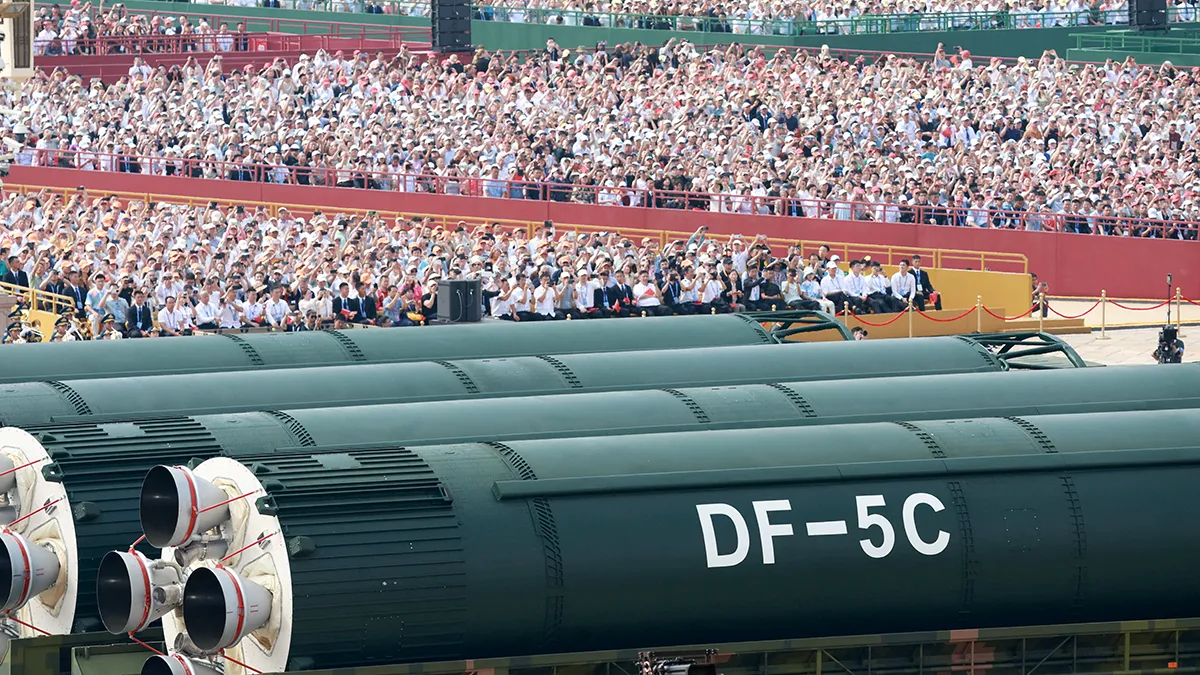
China loads more than 100 ICBMs into silos: nuclear acceleration becomes strategic architecture
Facts
A Pentagon draft cited by Reuters argues that China has likely loaded more than 100 DF-31 solid-fuel intercontinental ballistic missiles (ICBMs) into three recent silo fields near the border with Mongolia. The document adds that Beijing shows no interest in arms control and is projecting an expansion that could exceed 1,000 warheads by 2030. China rejects the content, denounces ‘defamation’ and takes refuge in the formula of ‘defensive posture’ and declared doctrine.
Implications
This is not an ‘arms race’; it is a shift in the balance. A power that disperses and loads strategic capacity into numerous hardened silos is not only seeking deterrence: it is seeking political leeway for coercion. In other words, it seeks to raise its ‘ceiling’ of acceptable risk in regional crises, from the Taiwan Strait to the South China Sea, forcing Washington to calculate costs under a denser nuclear umbrella. And it does so without the psychological brake imposed by verification, because verification requires compromise, and Beijing—according to the Pentagon's own assessment—does not want compromise.
For Europe, it would be a mistake to think that this is ‘far away’. In systemic competition, US deterrence is spread across theatres; if Asia demands more resources, Europe can only maintain security if it contributes more of its own muscle. In other words, European strategic autonomy divorced from Washington is not autonomy: it is self-deception.
‘Trump-class’ and ‘Golden Fleet’: it's not nostalgia, it's a strategic signal and an industrial commitment
Facts
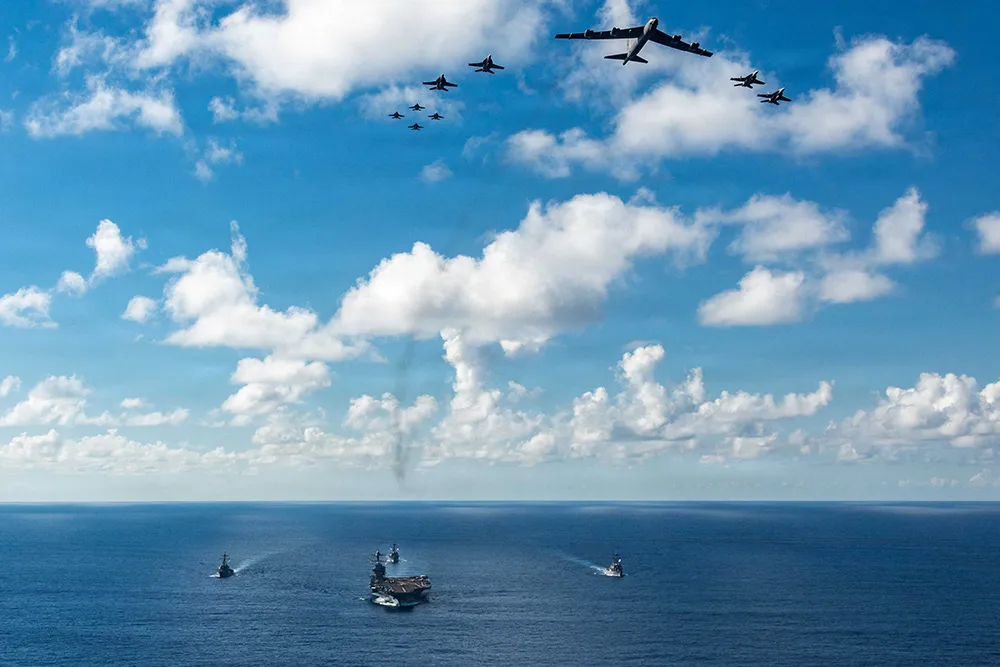
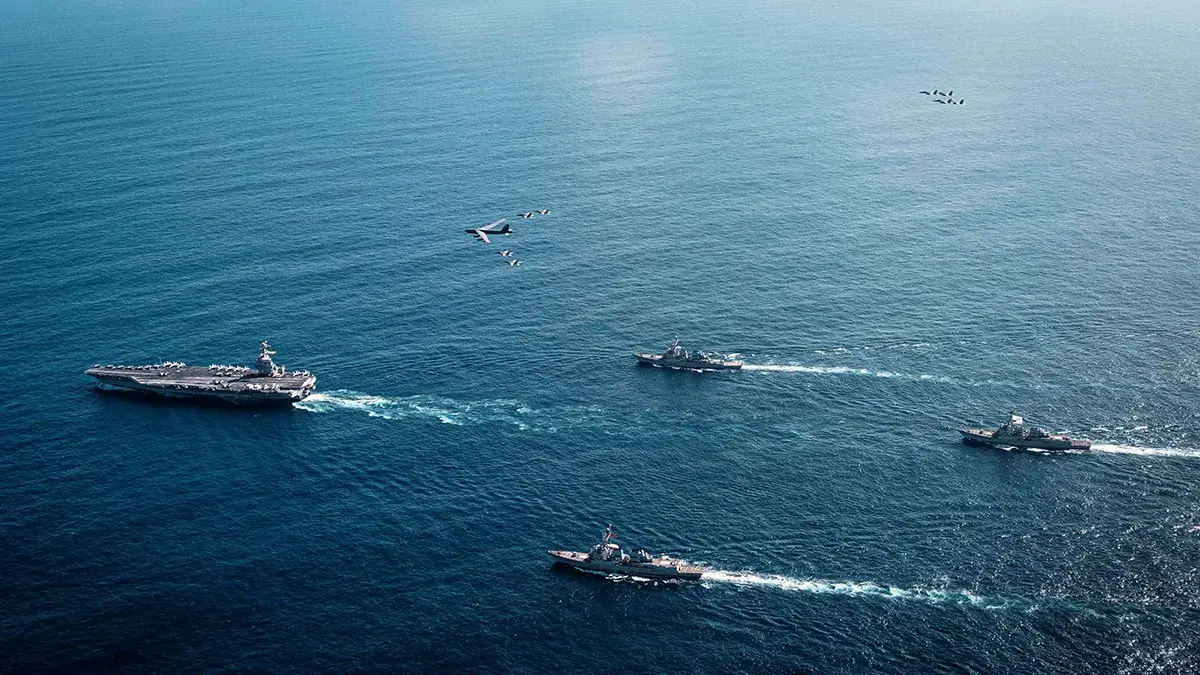
Trump announces a ‘Golden Fleet’ with a new class of large ships called ‘Trump-class’: starting with two units and a stated goal of 20–25. Reuters reports what is verifiable, and here is the important part: these ships would carry the largest guns ever mounted on a US battleship and could carry sea-launched cruise missiles with nuclear warheads; the first would be the USS Defiant.
AP adds elements of technological ambition (hypersonic, laser, railgun), which at this stage should be read as political-industrial narrative rather than as final specifications, because these systems have historically demonstrated friction in terms of maturity, cost and logistics.
Implications
The key is not the names or the theatricality. The key is the vector: firepower and sustained presence in an environment where China seeks to condition access, freedom of navigation and supply lines in the Indo-Pacific. A large ship with heavy artillery and missile capability (including nuclear) has one central use: graduated deterrence. It does not require going from zero to nuclear; it creates intermediate steps of signalling and credible threat in a crisis.
There is also a geo-economic dimension: a naval programme of this type is a commitment to reindustrialisation (shipyards, steel, electronics, systems integration, logistics chain). If implemented, it reorganises employment and productive capacity. And, therefore, it reorganises power. The risk, as always, is not moral; it is one of execution: if the announcement does not translate into a credible timetable, sustainable budgets and an industrial base, the adversary will interpret it as noise. But, with or without hyperbole, the direction is consistent with the moment: the sea rules.
For Europe, the message is uncomfortable and direct: Washington is flexing its muscles and will demand serious allies. Those who take refuge in armchair pacifism are doomed to be mere extras.
Greenland: Arctic chessboard, sovereignty and risk of indirect capture by Russia and China
Facts
Trump argues that the US ‘has to have’ Greenland for national security and appoints Louisiana Governor Jeff Landry as special envoy. Denmark and Greenland reject the idea; the EU backs Copenhagen and points out that there is no right to ‘take’ another country's territory.
Implications
The strategic risk does not necessarily take the form of invasion, but rather indirect capture: economic dependence, penetration of critical infrastructure, informational influence and capture of elites. A Greenland detached from Denmark would open a legal and political hole in NATO's northern flank; the Russian and Chinese objective would be to erode the Atlantic anchor and condition sovereign decisions through dependence.
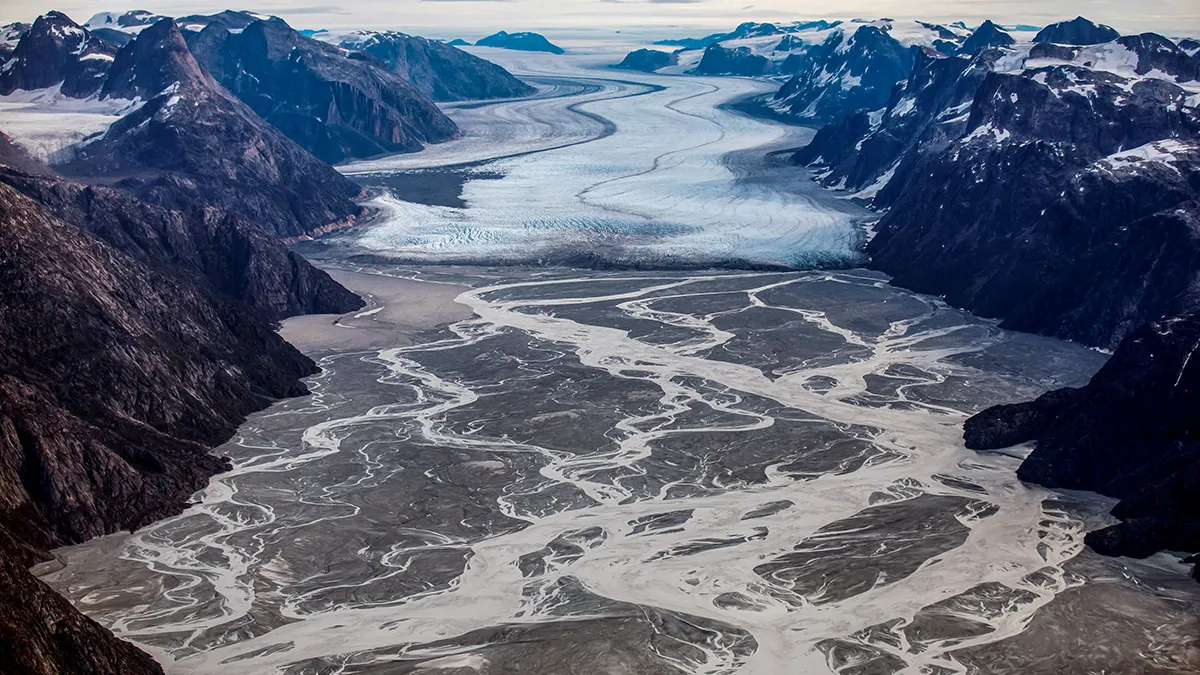
And here is the decisive point: ignoring Greenland and the Arctic today is not a matter of misunderstanding a map; it is a matter of misunderstanding the geopolitical risks of the new geography brought about by the thaw. The retreat of the ice opens up routes, reduces distances, multiplies competition for resources and turns what was once a climatic frontier into a strategic corridor. This change carries with it serious risks: accelerated militarisation, maritime incidents, hybrid warfare over infrastructure and communications, and growing pressure to “normalise” the presence of revisionist powers under the guise of trade or science. In this context, the vacuum – legal, political or security – does not remain empty: it is filled.
Narco-boats and ‘low-profile vessels’: necessary firmness, essential legitimacy
Facts
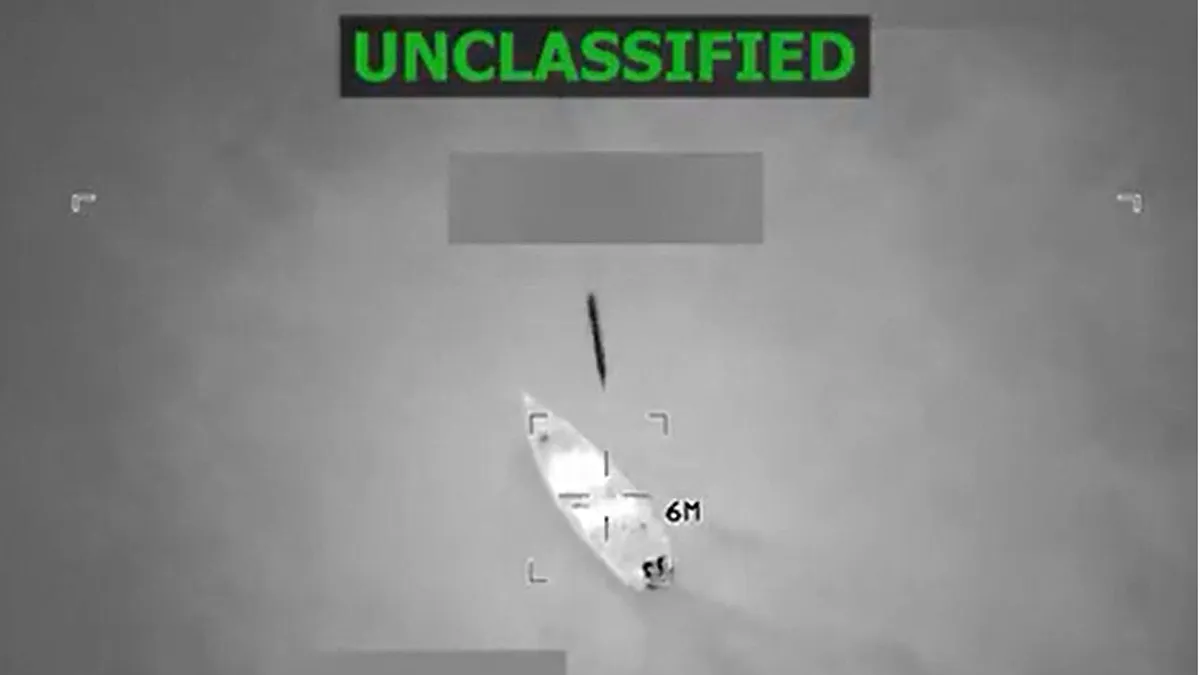
Reuters reports a US strike against a ‘low-profile vessel’ in international waters in the eastern Pacific, with one fatality. SOUTHCOM maintains that it was operated by Designated Terrorist Organisations.
AP frames the operation as part of a broader campaign since September: 29 attacks and at least 105 deaths, and reports internal criticism (from legislators and organisations) for the public evidence presented in each case and for allegations of extrajudicial killings.
Implications
Transnational drug trafficking is no longer a ‘crime’: it is armed power, financing of violence and institutional corrosion. A state that does not cut off routes, logistics and fleets condemns itself to impotence and systemic corruption. That is why firmness is legitimate. But a legitimate policy becomes politically unviable if it does not protect its own legal basis. A belt of legitimacy is needed: clear rules of engagement, robust intelligence verification, proportionality and accountability. Not out of weakness, but for effectiveness: the adversary's information war thrives on turning any doubt into ‘scandal’.
The correct balance is the Western one: force with law, not force against law. And that's where the detail matters.
Venezuela: cargo slows down, ships turn around and the regime begins to drown in its own crude oil
Facts
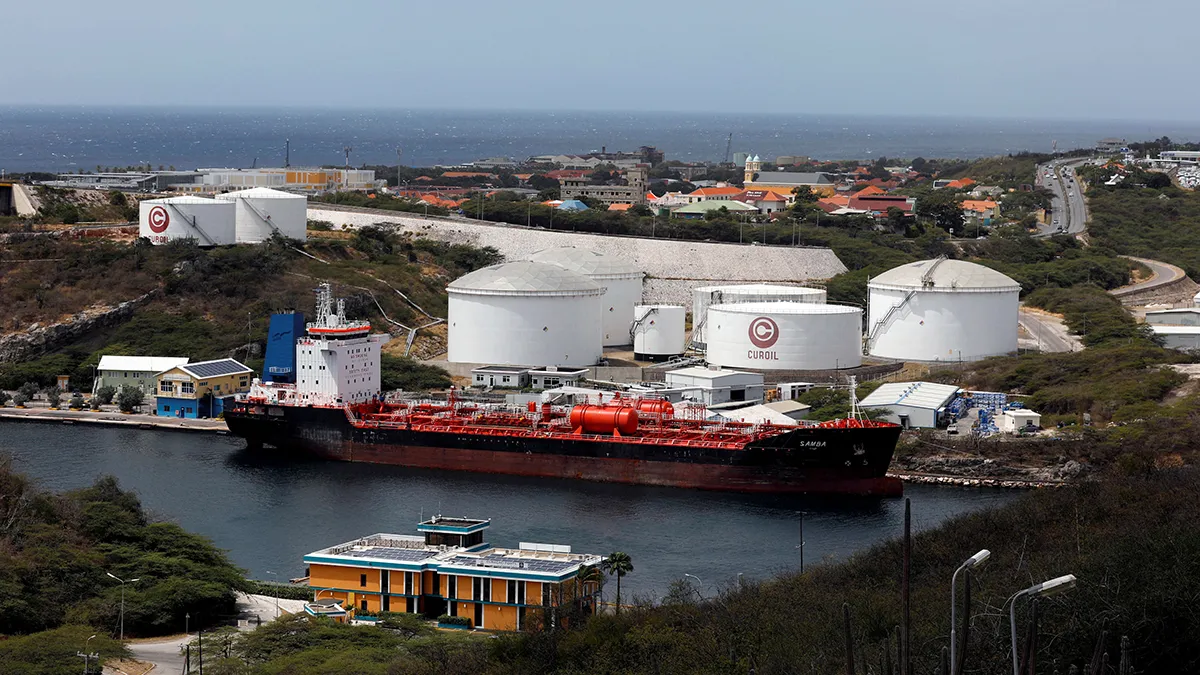
Reuters reports a significant slowdown in crude oil cargo in Venezuela following new US actions: several ships turn around and terminal operations are reduced. It is mentioned that the Coast Guard had previously seized a supertanker and attempted to intercept at least two other ships (one sanctioned and one unsanctioned bound for China). PDVSA also continues to be affected by a cyberattack, operating with manual systems, with millions of barrels stuck and customers pressing for discounts.
Implications
This is the arithmetic of power: the Chavista regime depends on oil as financial and political oxygen. If illicit oil does not circulate, the coffers shrink, the patronage network narrows, and the ability to buy loyalties—internal and external—diminishes. This is not ‘indiscriminate punishment’; it is coercion directed against the mechanism that sustains a narco-dictatorship.
Caracas' reaction (‘piracy’) is the usual mask: turning the application of sanctions and seizures into victimhood to mobilise allies and confuse the naive. The problem for Chavismo is that if the dark fleet is no longer safe, evasion is no longer profitable.
Legality of boarding and seizures: ‘Judicial seizure order’ and false flag
Facts
Reuters—in its coverage of the pursuit of a third oil tanker—quotes a US official: the ‘Dark Fleet’ vessel is flying a false flag and is ‘under a judicial seizure order’.
The Venezuelan narrative insists on ‘piracy,’ precisely because the campaign combines sea and law: the most lethal combination for a regime that thrives on evasion.
Implications
This legal detail changes the game: it is not a capricious boarding; it is harsh coercion framed within a judicial architecture. This reinforces Western legitimacy, reduces the scope for propaganda and, above all, sends a message to shipping companies, insurers, captains and brokers: the legal-operational risk rises, the premium rises, the willingness to collaborate falls. In other words, the sanction becomes a material reality.
The strategic consequence is clear: the narco-regime's lifeline is cut off without the need for classic military intervention. And that is exactly what Chavismo fears.
Market effect: crude oil incorporates a premium for Venezuelan disruption and the risk of maritime incidents
Facts
Reuters links the rebound in crude oil prices to the risk of disruptions following new interdictions and persecution of oil tankers, noting that this is an additional operation within a growing pattern.
Implications
Global energy security remains hostage to routes, sanctions and coercion. Europe, which has already learned the hard way about its vulnerability, should draw a lesson: energy and security are not separate compartments; they are the same board. Those who fail to see this will continue to pay premiums, dependence and volatility.
Ukraine: Zelensky speaks of a ‘real result’ being close; peace will be peace if it does not legitimise conquest
Facts
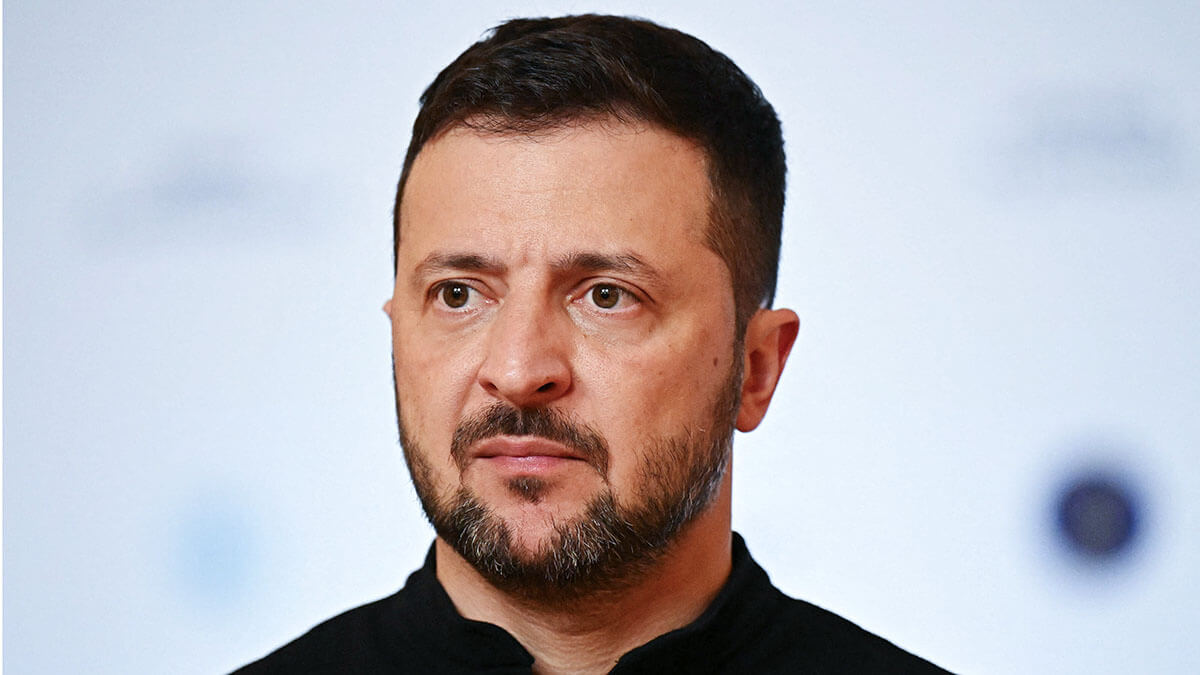
Reuters reports that Zelensky says talks with the US and European partners are close to a tangible result. Work is underway on a 20-point plan promoted by US envoys; security guarantees and economic recovery are being discussed; and Zelensky himself alludes to pressure and debates over previous drafts criticised by think tanks and allies for being biased in favour of Russia.
Implications
What matters is not the photo of the negotiation; it is the content. If a territorial fait accompli is frozen, a message is sent to all revisionists: force works. That opens up a contagion that is not limited to Europe. Peace, to be sustainable, requires real guarantees, Ukrainian capacity and a framework that does not reward the aggressor.
Europe must be at the table with clout, not as a commentator. Those who finance reconstruction and guarantees must condition the security architecture. Otherwise, they would be paying the price to legitimise the precedent.
Offshore wind power: pause for national security and radar clutter; engineering versus dogma
Facts
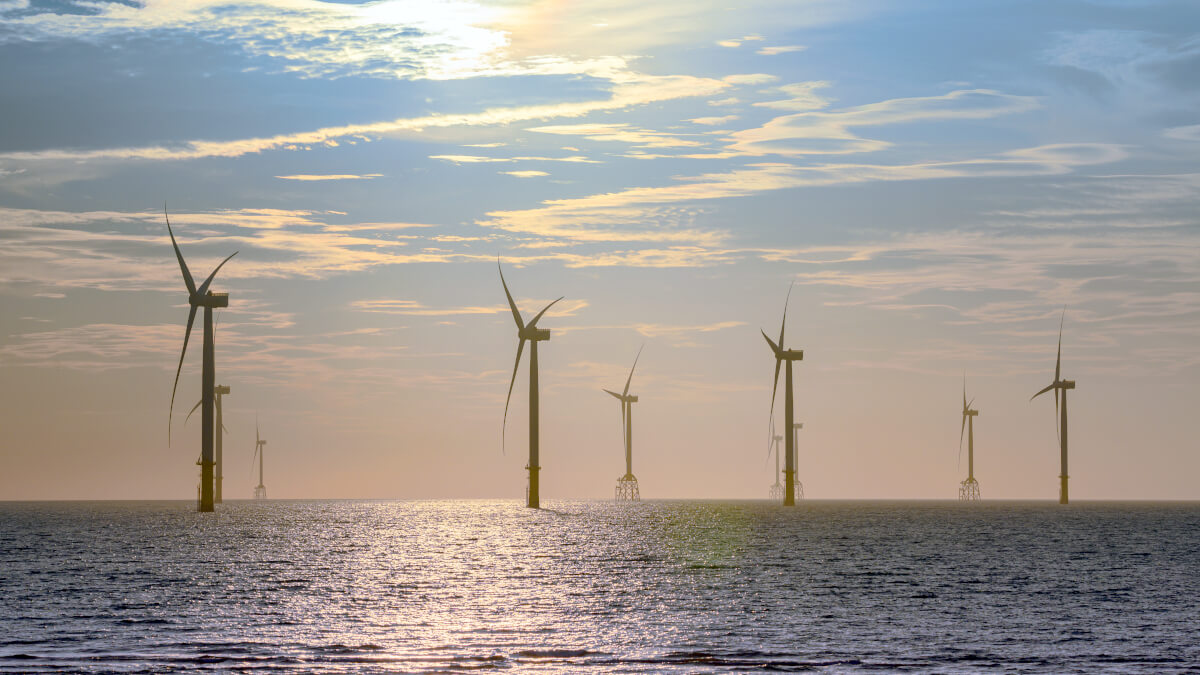
Reuters reports the suspension of leases for five major offshore wind projects due to Pentagon concerns: turbines can create radar clutter and introduce vulnerabilities for surveillance and defence; the sector suffers stock market declines.
Implications
The energy transition cannot become a religion. If there are real vulnerabilities on the coast — sensors, radars, critical infrastructure — they are corrected. The adult discussion is technical: location, design, mitigation, civil-military coordination. The childish discussion is to turn it into a culture war. In real geopolitics, vulnerable infrastructure is a target, and repeated vulnerability is an adversary's plan.
AI and copyright: the legal war enters the engine room of technological supremacy
Facts
Reuters reports on the lawsuit filed by John Carreyrou (NYT) and other authors against OpenAI, Google, xAI, Meta, Anthropic and Perplexity for allegedly unauthorised use of protected books to train AI models. This is not a class action: it seeks to avoid ‘dilution’ of damages and challenges previous agreements.
Implications
This is not a cultural lawsuit; it is high-voltage geoeconomics. If the legal framework forces more expensive licences, more limited datasets or more demanding traceability, the costs, speed and concentration of the sector will change. In defence and intelligence, AI is not an accessory: it is a force multiplier. The West needs a framework that protects intellectual property without sabotaging strategic competitiveness. The worst outcome would be regulatory fragmentation that slows down democracies while authoritarian actors forge ahead at full speed with opaque datasets.
Media Rack
- Reuters: the factual skeleton of the day: Chinese ICBMs; Trump-class (larger guns + cruise missiles with nuclear warheads + USS Defiant); Greenland; interdictions on Venezuela; impact on cargo and ships turning back; offshore wind for national security; AI demand; and the key piece of legality: ‘judicial seizure order’ and false flag in the dark fleet.
- AP: adds the domestic political dimension in the US (cumulative strike figures, criticism of public evidence, discussion of legitimacy).
- European axis (Guardian/FT and EU coverage): focus on sovereignty and diplomatic clash in Greenland, with European backing for Denmark; legalistic sensitivity in the Arctic.
- The Economist: structural thermometer: rearmament as a decade-long trend, defence boom and normalisation of rising military budgets.
- NYT and Washington Post: Focused on the Pentagon report on China, they criticise Beijing's lack of transparency and highlight nuclear risks; moderately sceptical about Trump's moves in Greenland, but recognise Russian threats.
- The Times London and The Telegraph: Highlight Trump's battleship plan as Atlantic reinforcement, vigilant about Chinese expansionism; support strikes against Venezuelan drug trafficking as legitimate defence.
- The Guardian: Critical of Trump's wind freeze, seeing it as a climate setback; covers Ukrainian negotiations with hope, but warns against concessions to Russia.
- WSJ and Financial Times: Analyse the economic implications of Venezuelan interceptions, with rises in crude oil prices; positive about the defence boom, but warn about deficits.
- Le Monde and Le Figaro: Concerned about Chinese nuclear escalation, support Europeanism in Ukraine; reject Greenland annexation as an international violation.
- FAZ and Die Welt: Vigilant with China and Russia, praise Trump's diplomacy in Ukraine; criticise Maduro regime as a hemispheric threat.
- Corriere della Sera and L'Osservatore Romano: Focus on ethical risks of AI in lawsuit against xAI; call for peace in Ukraine without moral compromises.
- Libération and BBC: Highlight deaths in peaceful strikes, questioning excesses; cover Greenland as NATO tension.
- CNN and Fox News: CNN sceptical of Trump in the wind, Fox favourable to a hard line against Venezuela and naval plans.
- CNBC and CBS: Analyse wind stock market declines and defensive boom; positive about Ukrainian negotiations.
- LCI and BFM: Focused on European implications of Ukraine and nuclear China.
- WION and Russia Today: WION vigilant with China; RT defends Russia in Ukraine, condemns US strikes as imperialism.
- TASS and Tokyo Times: TASS downplays Ukrainian negotiations; Tokyo Times warns about Chinese silos in Asia.
- Straits Times and South China Morning Post: Straits neutral on Greenland; SCMP denies Chinese buildup.
- China Daily and Reuters: China Daily defends defensive stance; Reuters factual on Venezuelan interceptions.
- AFP and AP: Cover peaceful strikes and AI demand with neutral detail.
- DPA and Gazeta Wyborcza: DPA on nuclear risks; Gazeta supports Ukraine against Russia.
- Yomiuri Shimbun and Die Zeit: Yomiuri vigilant with China; Die Zeit critical of Trump in the wind.
- USA Today and Politico: USA factual on Greenland; Politico analyses political implications of negotiations.
- The Hill and The Mail and Globe: Hill on defence boom; Mail sceptical of Maduro.
- France Info and Foreign Affairs: France on Ukraine; Foreign on global nuclear risks.
- The Economist and The Times of India: Economist on defence; Times of India vigilant with China.
- Hindustan Times and Clarín: Hindustan on AI; Clarín in favour of strikes against Venezuela.
- El Mercurio and Reforma: Mercurio on Latin American implications; Reforma critical of Maduro.
- The National Interest and Washington Times: National on Trumpian realism; Washington in favour of battleships.
- The Daily Beast and Newsweek: Beast on AI demand; Newsweek on Greenland.
- La Tribune de Genève and Indian Express: Tribune on Arctic risks; Express on China.
- Helsingin Sanomat and Ukrainian Pravda: Helsingin neutral; Pravda optimistic about negotiations.
- Ukrinform and Fakty i Kommentarii: Support Zelenski; criticise Russia.
- Vesti and Kyiv Post: Vesti pro-Russia; Kyiv on Venezuelan strikes.
- The Kyiv Independent and Yedioth Ahronoth: Kyiv on peace; Yedioth on global risks.
- Israel Hayom and Jerusalem Post: Hayom on defence; Post vigilant with Iranian proxies implicated in drug trafficking.
- Haaretz and Maariv: Haaretz critical of expansion; Maariv on ethical AI.
- Al-Jazeera and Al-Arabiya: Jazeera condemns strikes; Arabiya vigilant with China.
- Al-Hayat and An-Nahar: On nuclear risks; Nahar on Ukraine.
- Orient Le Jour and Daily Star: On regional stability; Star on Greenland.
- Jordan Times and Al Rai: Times on peace in Ukraine; Rai neutral.
- Hürriyet and Al Quds Al Arabi: Hürriyet on defence; Quds on Arab implications.
- Al Hayat Al Jadida and Al Ayyam: On global risks.
- Felestin and Peninsula Qatar: Felestin critical of Trump; Peninsula on crude oil.
- Arab News and Asharq Al Awsat: News on defence; Awsat on China.
- Al Riyadh and Saudi Gazette: Riyadh on strikes; Gazette on AI.
- Gulf News UAE and Gulf News Qatar: In Greenland; Qatar in Ukraine.
- Khaleej Times and Gulf Today: Times on defensive boom; Today on wind.
- Al-Ittihad and Times of Oman: Ittihad neutral; Oman at peace.
Editorial commentary
The day leaves an uncomfortable truth for the lukewarm: democracies cannot live on moral loans. China flexes its nuclear muscle and asks us to believe in its ‘moderation’. Russia invades and destroys and expects us to negotiate over its spoils. And Chavismo, an execrable and mafia-like regime, tries to finance its survival with illicit oil, a shady fleet and criminal networks.
Faced with this reality, the Western response only works if it combines multiple pressures: sea, sanctions, law enforcement, intelligence and deterrence. The ‘Trump-class’, with what Reuters confirms — greater artillery and cruise missile capacity with nuclear warheads — are a message that the sea will not be ceded out of exhaustion.
In Venezuela, the difference between force and arbitrariness is marked by the law: court orders for seizure and the application of sanctions with legal architecture. That is the moral and political superiority of the West when it acts well: power with legitimacy.
Europe must abandon self-deception. The welfare state cannot be protected with open flanks, without a defence industry and without a mature strategic culture. Deterrence is not a militaristic whim: it is the condition for peace. And peace bought at the expense of another's sovereignty is not peace: it is a mortgage on the next war.