Gustavo de Arístegui: Geopolitical Analysis 3 December

- Europe faces its greatest strategic crossroads since 1945
- Ukraine: stalled negotiations and Russian advance in Pokrovsk
- Putin's warning to Europe: ‘if Europe wants war, Russia is ready right now’
- The United States freezes immigration from 19 countries: security and political calculation
- Global war on drug trafficking: attacks on drug smuggling boats and Trump's new doctrine
- The release of Juan Orlando Hernández and the impact on Maduro's regime
- The Minnesota scandal: massive fraud and possible links to Al Shabab
- Gaza, Lebanon and Iran: the silent war is reaching a critical point
- China: covert economic crisis and growing risk in the Taiwan Strait
- Media rack
- Editorial comment
Europe faces its greatest strategic crossroads since 1945
In less than twenty-four hours, the international chessboard has experienced an acceleration that confirms that we have entered a dangerously unstable phase. Ukraine faces a stalemate in negotiations with the United States and Russia, exacerbated by Russian military advances in Donbas and a reckless statement by the French Chief of Staff that has provoked a scathing response from the Kremlin: ‘If Europe wants war, Russia is ready right now.’ The statement is not only a threat, but a brutal reminder that Europe seems to have forgotten the basic rules of strategic deterrence.
The United States, for its part, has decreed a suspension of immigration from 19 countries, intensified attacks on drug smuggling boats and deployed a rhetoric of total firmness in the face of narco-terrorism. This firmness is understandable: Maduro heads one of the most dangerous criminal regimes on the planet, a mafia-like macro-structure that has turned the Venezuelan state into an instrument of drug trafficking. Any responsible country has the right to combat this threat, always within the framework of international law, but without naivety or double standards.
Added to this are two scandals of the first magnitude: the release of former Honduran President Juan Orlando Hernández, convicted of drug trafficking, whose release can only be explained by the value of the information he provides on Chavismo's links to criminal networks; and the case in Minnesota, where massive fraud in public aid may have ended up financing Al Shabab. The negligence that allowed this loophole to exist is a disgrace that demands political accountability, not the guilty silence of the radical wing of the Democratic Party.
Meanwhile, the Middle East is experiencing a moment of maximum tension: Gaza is moving towards a de facto international protectorate, Hezbollah is rearming its arsenals in southern Lebanon, and the Houthis are attacking maritime routes that are vital to the global economy. China remains trapped in its own contradiction: it needs economic stability, but it is fuelling a militaristic nationalism that increases the risk of a crisis in the Taiwan Strait.
Europe, surprisingly, seems to be the only region willing to accept the narrative of ‘inevitable clash.’ Instead of strengthening its strategic autonomy, it behaves like a hasty actor, lacking doctrinal clarity and political direction. Deterrence is not about announcing hypothetical wars, but about being so robust that no one dares to provoke them.

Ukraine: stalled negotiations and Russian advance in Pokrovsk
Facts:
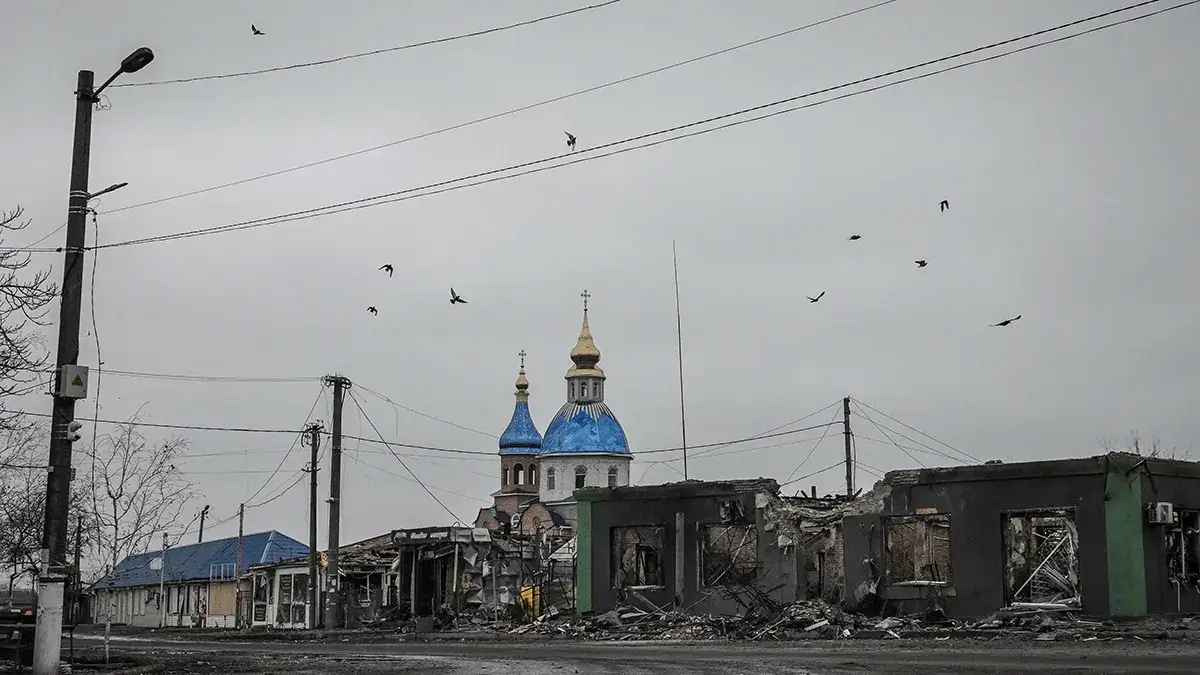
Talks between the United States and Russia on a peace plan have reached a dangerous impasse. Washington is trying to impose a plan that demands territorial concessions, military limitations and a permanent renunciation of NATO from Ukraine, while Moscow is advancing militarily in the Donbas.
Russia claims to have taken the strategic city of Pokrovsk, which, if confirmed, would strengthen its leverage in the negotiations. Moscow presents the advance as ‘liberation,’ in its usual propaganda distortion, while Kyiv maintains that fighting continues and that this is an attempt to influence negotiations through fait accompli.
The political climate is further deteriorating due to the Kremlin's response to Western statements describing the talks as ‘insufficient’ or ‘unacceptable.’ Putin accuses Europe of sabotaging peace.
Implications:
Russian aggression cannot be euphemised. It is a blatant attempt to change borders by force. Rewarding such behaviour with territorial concessions would be a strategic mistake with historic consequences: it would send a message to all revisionist powers that all they need to do is hold out long enough for the West to give in.
Diplomatic deadlock, combined with Russian military advances, increases the risk that the United States will force Ukraine to accept an agreement that guarantees neither its security nor its full sovereignty. A weakened and divided Europe appears to be a secondary player in a conflict that defines its own strategic future.
The real danger today is ‘toxic peace’: an agreement that does not stabilise, but rather freezes aggression and leaves Ukraine amputated, vulnerable and exposed to future offensives.
Putin's warning to Europe: ‘if Europe wants war, Russia is ready right now’
Facts:
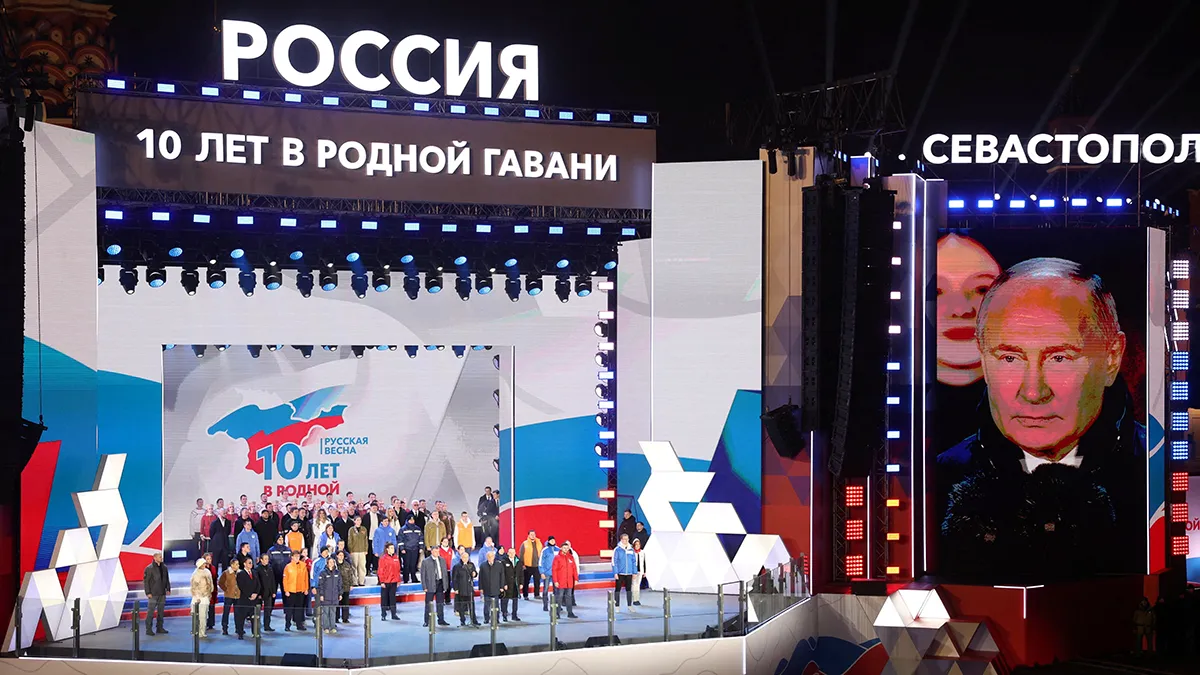
Putin yesterday issued a direct threat to Europe in response to statements by French Chief of Staff Fabien Mandon, who called for ‘preparing to lose children in a war against Russia’.
The Russian president's statement – ‘if Europe wants war... and it starts, Russia is ready’ – is one of the most aggressive messages directed at Europe since the end of the Cold War.
The Kremlin maintains that Europe is sabotaging the US peace initiative and that France, in particular, is deliberately pushing for a military clash.
Implications:
Europe has made a serious mistake: allowing a senior military commander to publicly declare that it must prepare for war with Russia. This is strategic recklessness that has given the Kremlin the perfect narrative to justify its verbal escalation.
Deterrence is not about announcing the unthinkable. It is about preventing the adversary from believing that it can win a war. The French general's statement has been interpreted as a sign of political weakness: a European nervousness that Russia is quick to exploit.
Putin seeks to divide, intimidate and delegitimise. But what is worrying is that Europe seems incapable of producing a coherent strategic position. The Russian threat, brutal as it may be, must be met with diplomatic firmness, real reinforcement of defensive capabilities and doctrinal clarity, not improvisation and alarmism.
Europe must regain its composure, unity and a clear notion of its vital interests.
The United States freezes immigration from 19 countries: security and political calculation
Facts:
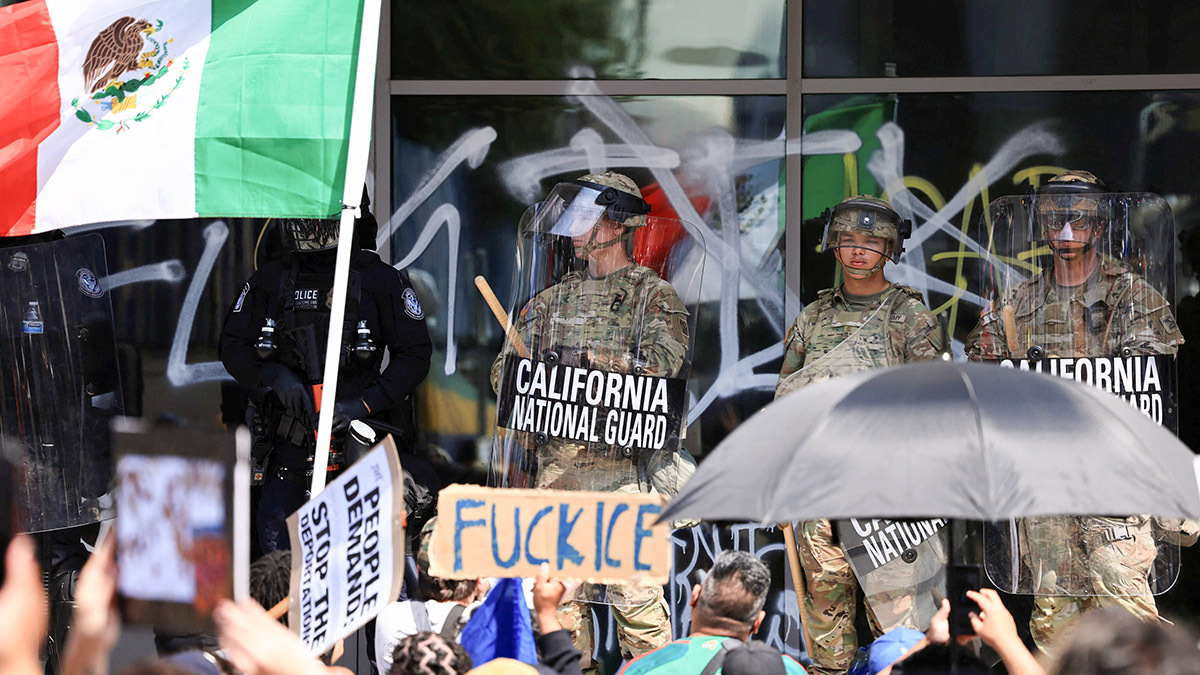
The Trump administration has suspended immigration from 19 countries considered to be at risk in terms of terrorism or organised crime. These include Afghanistan, Somalia, Iran, Yemen, Libya, Syria and Venezuela.
The measure coincides with police and immigration operations focused particularly on communities linked to countries with a significant presence of extremist networks, following the case in Minnesota and possible links between public fraud and Al Shabab.
Reactions have ranged from moral condemnation in progressive sectors to outright support from much of the conservative public.
Implications:
States have the right to protect their citizens. But the measure combines legitimate security concerns with an obvious political dimension: sending a message of firmness to an electoral base that perceives immigration as a systemic risk.
The mistake would be to reduce such a complex phenomenon to a list of banned countries. National security requires precise filters, reliable intelligence and international cooperation, not just broad bans.
The tension between security and social cohesion will continue to increase. In fact, the Minnesota case confirms that the problem is not immigration as such, but the failure of state control, supervision and audit systems.
Global war on drug trafficking: attacks on drug smuggling boats and Trump's new doctrine
Facts:
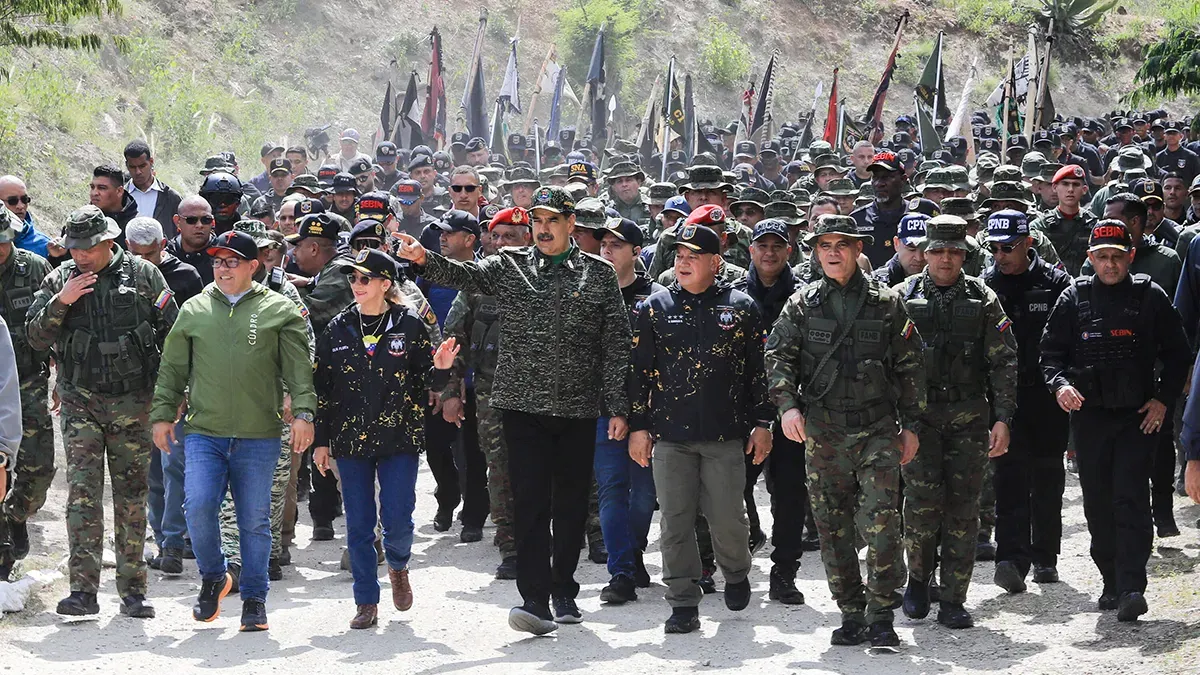
The United States has intensified its operations against drug smuggling boats in the Caribbean and the Pacific, destroying vessels linked to criminal networks operating from Venezuela, Colombia and Central America.
Trump has warned that any country that allows drugs to transit to the United States could be subject to attacks. The doctrine is based on the premise that drug trafficking constitutes a direct threat to national security.
European allies have expressed concern about the legal implications, while Latin American governments remain silent or protest timidly for fear of reprisals.
Implications:
The fight against narco-terrorism requires extraordinary measures. The Maduro regime has turned Venezuela into the largest narco-state in the hemisphere. The United States cannot look the other way when vessels financed or protected by it transport cocaine destined to flood its domestic market.
Action against drug-trafficking vessels is legitimate and defensible as long as it is based on reliable intelligence and precise rules of engagement. The risk lies in broadening the concept of ‘military target’ to include entire countries.
The line between surgical action and exemplary punishment must be clearly maintained. Legitimacy is lost when the use of force lacks transparent criteria.

The release of Juan Orlando Hernández and the impact on Maduro's regime
Facts:
Trump has pardoned former Honduran President Juan Orlando Hernández, convicted of drug trafficking in the United States. The decision has caused a political earthquake.
According to government sources, Hernández provided highly sensitive information about the international drug trafficking network linked to Nicolás Maduro's regime.
The pardon does not imply exoneration, but rather a strategic decision based on the operational value of the information to dismantle networks that reach high-ranking Venezuelan officials.
Implications:
Hernández's release from prison, scandalous at first glance, can only be understood in terms of realpolitik. If his information allows the Chavista mafia network to be dismantled, the impact would be greater than any police operation.
The risk is obvious: the public may interpret the pardon as impunity for corrupt senior officials. However, the Venezuelan narco-state cannot be fought with statements, but with intelligence. If Hernández provides evidence linking the Maduro regime to international cartels, the decision will have a profound strategic effect.
The truth is that the radical left in the United States has preferred to cry ‘authoritarianism’ rather than understand the magnitude of the challenge of narco-terrorism.
The Minnesota scandal: massive fraud and possible links to Al Shabab
Facts:
A multimillion-pound fraud in Minnesota's social programmes has led to more than 100 people being prosecuted and suspicions that some of the funds ended up in the hands of Al Shabab, a Somali jihadist group affiliated with Al Qaeda.
Congresswoman Ilhan Omar has been singled out politically for her closeness to community networks involved in the management of certain programmes, although no evidence has been provided to link her directly to the financing. However, conservative sectors have denounced the absolute lack of oversight and auditing in programmes managed by organisations affiliated with her political circle.
Trump has ordered targeted deportation measures and accused the radical wing of the Democratic Party of creating ‘ecosystems of impunity’.
Implications:
The fact that US public funds ended up in the hands of Al Shabab is a national disgrace. There is no room for softening the language. It is a monumental failure of oversight and a sign that ideological do-goodism can blind entire administrations.
The problem is not the Somali community, the vast majority of whom are loyal, hard-working and respectful. The problem is the political negligence of those who should have ensured rigorous audits and strict controls. The radical left has been extraordinarily quick to denounce ‘Islamophobia’ but very slow to demand accountability within its own ranks.
This case will shape immigration, security and aid control policy for years to come.
Gaza, Lebanon and Iran: the silent war is reaching a critical point
Facts:
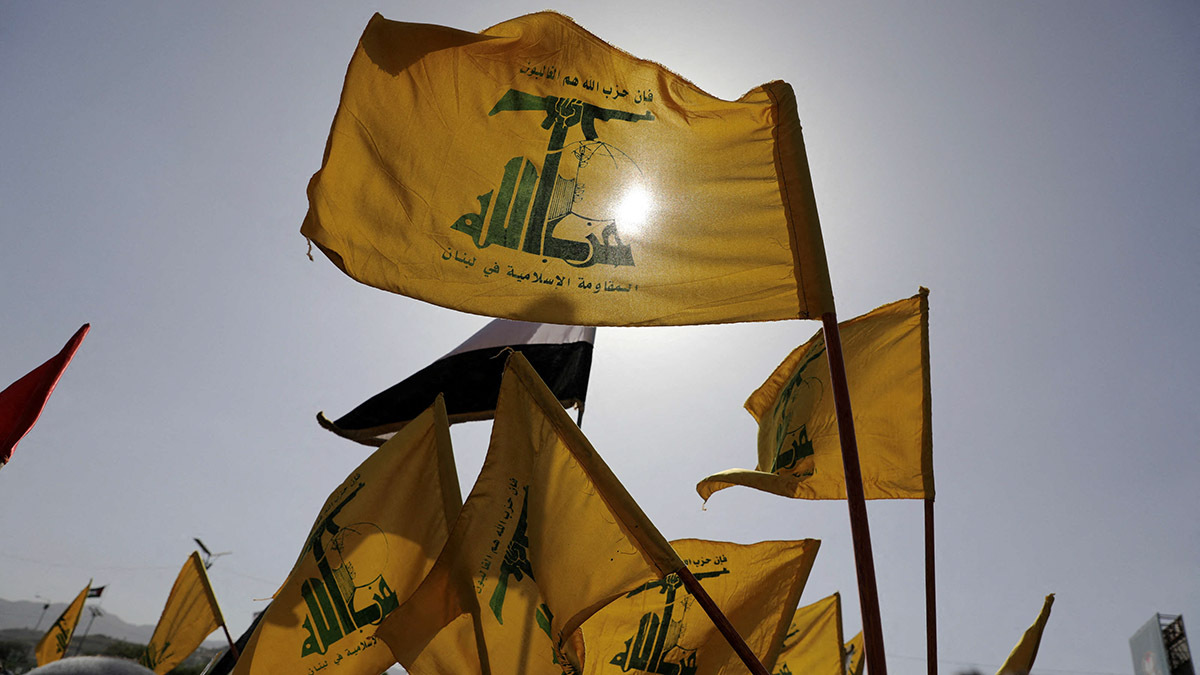
Israel is maintaining intensive operations in Gaza while reinforcing its presence in the north in response to Hezbollah's accelerated rearmament in southern Lebanon. The Israeli government is preparing a dossier for the United States documenting that Hezbollah has rebuilt much of its arsenal with direct support from Iran.
Iran is pursuing a multi-theatre pressure strategy: Gaza, Lebanon, Syria, Iraq and the Red Sea. The Houthis act as the maritime arm of the Iranian axis, attacking commercial ships to punish countries perceived as allies of Israel.
Moderate Arab powers—Saudi Arabia, the Emirates, Jordan—fear regional collapse if a more robust security mechanism is not established.
Implications:
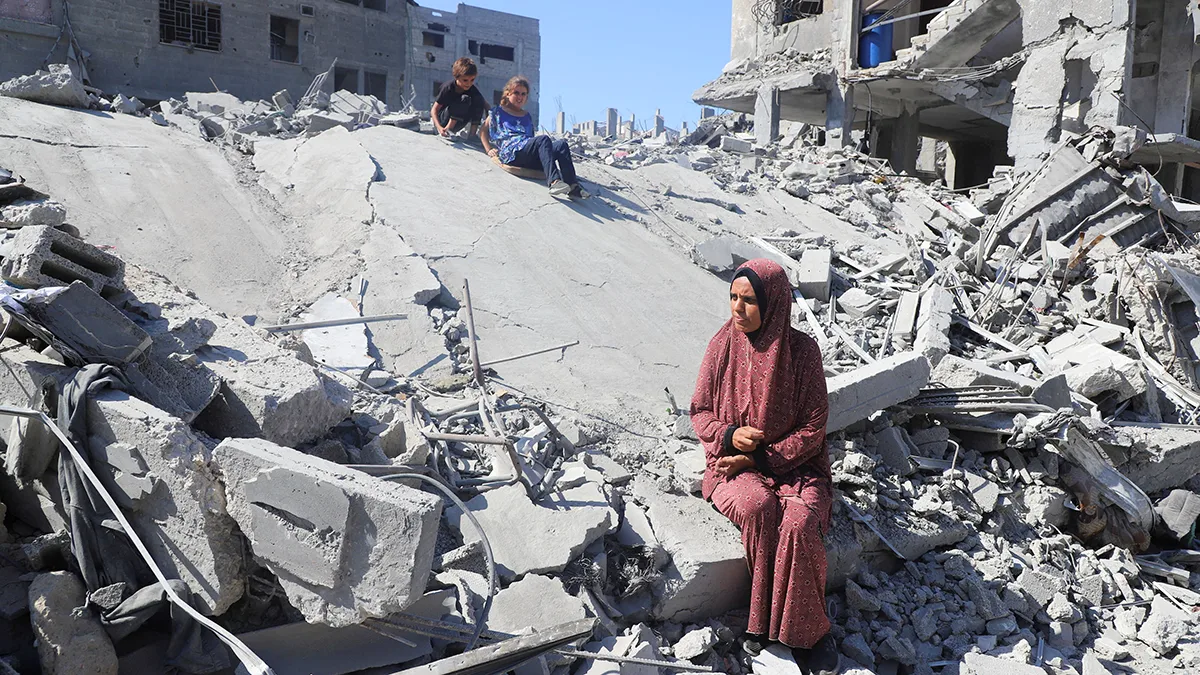
The region is dangerously close to a point of no return. Gaza is at risk of becoming a permanent international protectorate. Hezbollah seeks to wear down Israel morally and strategically to consolidate Iranian dominance over the Levant. Iran is playing a complex game of chess in which each player is a sacrificial pawn.
The key lies in rearmament. Until Hezbollah and Hamas are truly disarmed, any ceasefire will be nothing more than a pause between wars. A lasting solution requires a regional security architecture that does not currently exist, but which will be essential if a major conflagration is to be avoided.
China: covert economic crisis and growing risk in the Taiwan Strait
Facts:
China is considering massive subsidies to revive the real estate sector, which has collapsed after years of speculation and debt. The loss of confidence is affecting growth, regional banking and domestic consumption.
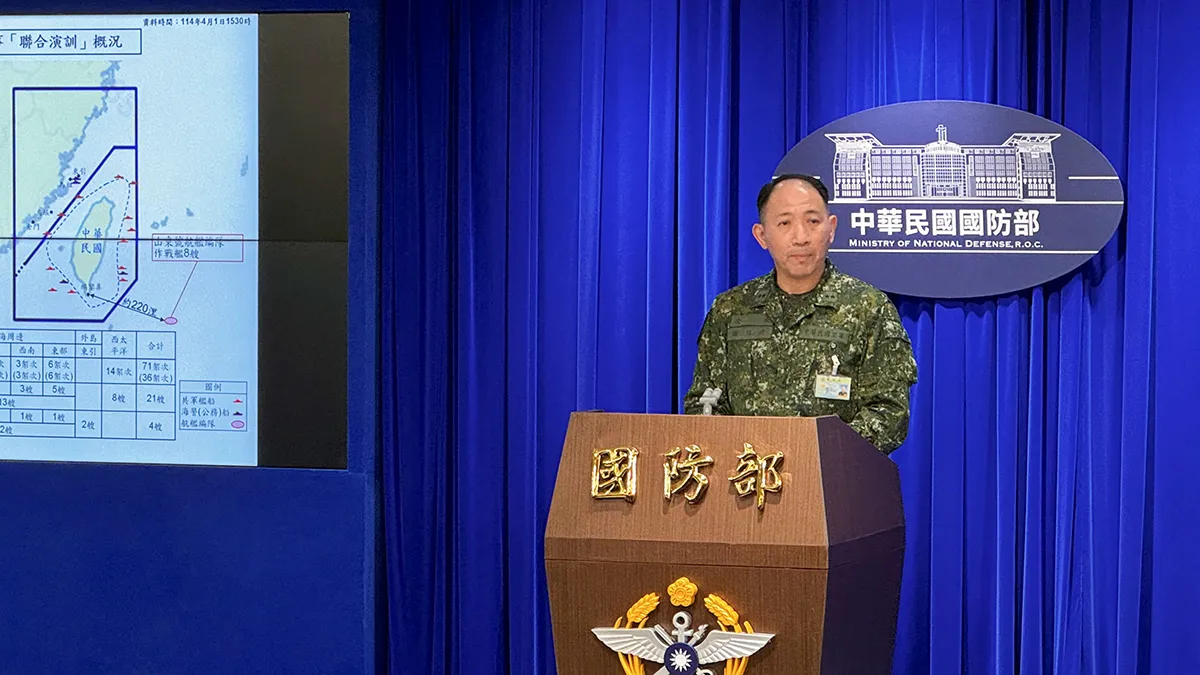
At the same time, US reports warn of the vulnerability of bases such as Kadena to a Chinese saturation attack in the event of war over Taiwan. The People's Republic's ballistic and cruise missile capabilities already exceed many of the defensive systems deployed.
The Communist Party is attempting to project strength abroad to compensate for internal tensions.
Implications:
China is experiencing a structural paradox: it needs stability to deal with a deep economic crisis, but it is fuelling a militaristic discourse that increases the risk of escalation. The temptation to seek strategic success to distract the country from its economic difficulties cannot be ruled out.
For the United States, Japan and Australia, the answer is obvious: disperse capabilities, strengthen air defences, improve interoperability and accelerate investment in long-range surveillance and attack technologies.
Europe, once again, seems absent. Without security in the Indo-Pacific, there will be no energy or technological security in Europe.
Media rack
Anglo-Saxon press (NYT, Washington Post, WSJ, The Times, FT)
They insist on the stalemate in Ukraine, Putin's threat and the migratory shift in the United States. Moderate tones, almost always fearful of Trump's policies, but surprisingly soft on the growth of Latin American narco-terrorism.
European press (Le Monde, FAZ, Die Welt, Corriere, Le Figaro)
They highlight the risk of a ‘new Yalta’ if Ukraine accepts forced concessions. Severe criticism of the French general's words, although without European self-criticism. Concern about the Red Sea and the energy market.
Israeli and Arab media (Haaretz, Yedioth Ahronoth, Al-Arabiya, Asharq Al Awsat)
They perceive a regional war in slow motion: Gaza and Lebanon as visible axes, Iran and the Houthis as decisive vectors.
Asian media (South China Morning Post, Yomiuri Shimbun, Hindustan Times)
They emphasise the risk of Chinese miscalculation and the vulnerability of US bases. India views the naval escalation in the Pacific with concern.
Editorial comment
Europe is at a historic crossroads, the full magnitude of which it has not yet grasped. For years, it has allowed itself the luxury of delegating its security to third parties, reciting mantras about ‘strategic autonomy’ without giving them any substance, and acting as if the international order were a permanent and immutable structure. Reality has proven to be stubborn: we live in a world where aggression, revisionism and hybrid warfare have displaced diplomatic rhetoric as the predominant mechanisms of pressure.
Putin's threat is not only intended to intimidate; it seeks to divide, erode and sow a sense of inevitability of conflict. But the irresponsibility of certain European discourses, such as that of the French Chief of Staff, only contributes to fuelling this conceptual framework. Deterrence is not about verbalising apocalypse, but about strengthening capabilities, unity and strategic serenity. Europe must relearn this forgotten lesson.
Meanwhile, the United States is grappling with far-reaching internal and external threats: Latin American narco-terrorism, massive fraud with extremist ramifications in Minnesota, and migratory pressure that demands intelligent solutions, not simplifications. In this context, firmness in the face of the Venezuelan narco-state is not only understandable but necessary, and the use of intelligence obtained from former Honduran President Juan Orlando Hernández, although controversial, may be decisive in dismantling the criminal network of Chavismo.
The Middle East remains on the brink of the abyss: Gaza threatens to become a permanent international protectorate; Hezbollah is rearming in southern Lebanon with direct assistance from Iran; and the Houthis are extending the conflict to the Red Sea, affecting one of the most important maritime corridors on the planet. At the same time, China is heading towards an economic crisis that could lead to adventurism if the Party fails to control its own internal demons.
What is at stake today is not only the global balance of power, but also the ability of democracies to defend themselves against hybrid, criminal, terrorist and revisionist threats without renouncing their principles. To achieve this, more than just statements are needed: a clear strategic project, firm political will and leadership that does not waver in the face of blackmail, whether it comes from Moscow, Tehran or Caracas.
Europe cannot afford to continue acting as a spectator. It must assume its historical responsibility, strengthen its real defence, regain its diplomatic weight and, above all, speak with one voice to those who seek to destroy the international order that guarantees its prosperity and freedom. The world is going through a period of dense shadows, but shadows only advance when those who must confront them hesitate. Today, Europe must decide whether it wants to be a player or a victim.