Gustavo de Arístegui: Geopolitical Analysis 30 December


- Introduction
- China conducts unprecedented military exercises around Taiwan
- Moscow accuses Ukraine of attempting to attack Putin's residence with drones
- Oil prices rise due to mounting geopolitical tensions
- Gold and silver reach historic highs as safe-haven assets
- UN warns of increase in deaths on Mediterranean migration routes
- Security Council debates Israel's recognition of Somaliland
- Long-term security agreements between the United States and Ukraine move forward.
- Turkey intensifies counter-terrorism operations against Islamic State
- Diplomatic tensions in Latin America over pressure on Venezuela
- US Navy ground attack on targets of the Chavista narco-dictatorship
- Media Rack
- Final Editorial Comment
Introduction
The last 24 hours have confirmed a trend that has been consolidating throughout the year: the gradual abandonment of strategic ambiguity in favour of direct, selective actions with a high deterrent value. In Asia-Pacific, China continues to tighten the noose around Taiwan with increasingly complex and explicit military exercises. In Eastern Europe, the war in Ukraine is entering a phase of narrative and operational attrition, with Moscow multiplying accusations to justify possible escalations. In the Middle East and the wider Mediterranean, migratory pressure and persistent terrorism remain symptoms of unresolved regional disorder.
In Latin America, however, a qualitatively different event has taken place: the ground attack by US Navy forces on strategic infrastructure belonging to the Chavista narco-dictatorship. This is an unmistakable sign that Washington has decided to move from economic and naval coercion to a phase of direct, limited but forceful action against a regime that has become a logistical hub for transnational organised crime and an operational ally of powers hostile to the West.
China conducts unprecedented military exercises around Taiwan
Facts:
The People's Liberation Army conducted large-scale manoeuvres around Taiwan, including naval blockade simulations, coordinated air-sea attacks and anti-access/area denial (A2/AD) operations. The manoeuvres included short- and medium-range ballistic missiles and the simultaneous deployment of naval and air units in various quadrants of the strait.
Implications:
Beijing is consolidating a strategy of normalising military pressure, lowering the psychological thresholds for an eventual real operation. The objective is not immediate, but pedagogical: to accustom the region and the international community to a state of permanent tension that erodes the credibility of allied deterrence.
Moscow accuses Ukraine of attempting to attack Putin's residence with drones
Facts:
The Kremlin claimed that Ukrainian forces launched more than 90 drones against facilities near the presidential residence in Novgorod. Kiev categorically denied the accusation, calling it a propaganda stunt intended to justify new Russian offensive operations.
Implications:
The exploitation of victimhood narratives remains a constant feature of Russian strategy. These accusations prepare the domestic political ground for intensifying attacks on Ukrainian infrastructure and further tightening domestic repression.
Oil prices rise due to mounting geopolitical tensions
Facts:
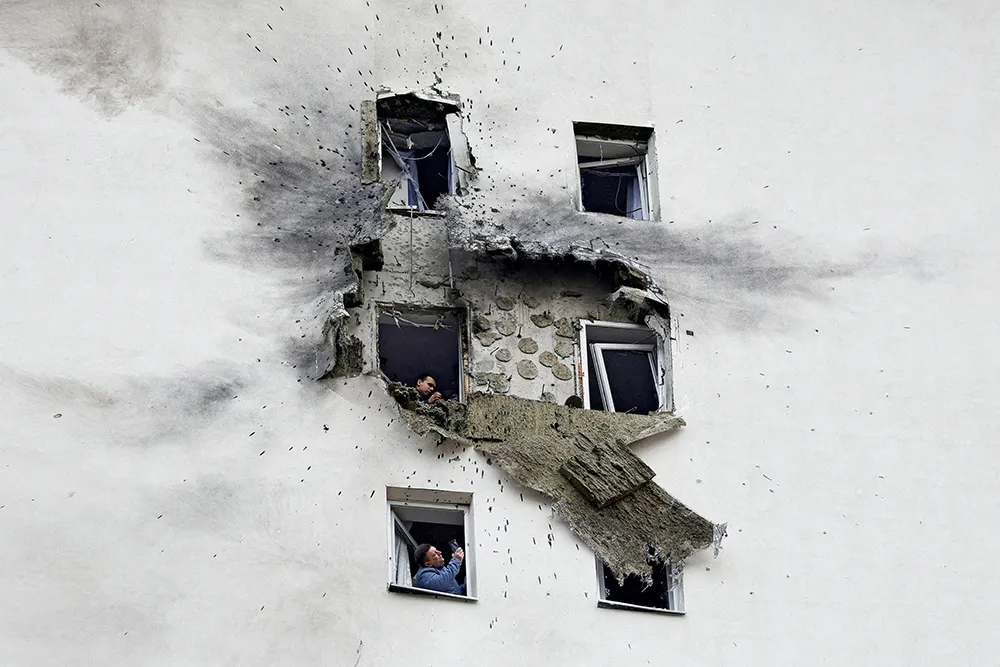
Energy markets reacted with increases of more than 2% in response to a combination of open conflicts, the risk of logistical disruptions and expectations of higher demand in 2026.
Implications:
Volatility confirms the structural vulnerability of the global energy system. For Europe, the lesson remains clear: diversification, strategic reserves and accelerated energy autonomy are not ideological choices, but security imperatives.
Gold and silver reach historic highs as safe-haven assets
Facts:
Growing international uncertainty and expectations of more accommodative monetary policies pushed precious metals to record levels.
Implications:
The movement reflects mistrust in the stability of the global economic order. The accumulation of traditional safe havens often anticipates periods of financial correction and prolonged geopolitical tensions.
UN warns of increase in deaths on Mediterranean migration routes
Facts:
The International Organisation for Migration confirmed a significant increase in shipwrecks and fatalities during 2025, with a particular incidence in the central Mediterranean.
Implications:
Irregular migration continues to be a direct consequence of state collapse in Africa and the Middle East. Without stability at source and effective border control, the phenomenon will continue to be exploited by mafias and hostile actors.

Security Council debates Israel's recognition of Somaliland
Facts:
A special session addressed Israel's initiative to recognise Somaliland as a sovereign state, provoking mixed reactions in Africa and the Arab world.
Implications:
If successful, the decision could alter the diplomatic balance in the Horn of Africa and set complex precedents for recognition and secession in fragile regions.
Long-term security agreements between the United States and Ukraine move forward.
Facts:
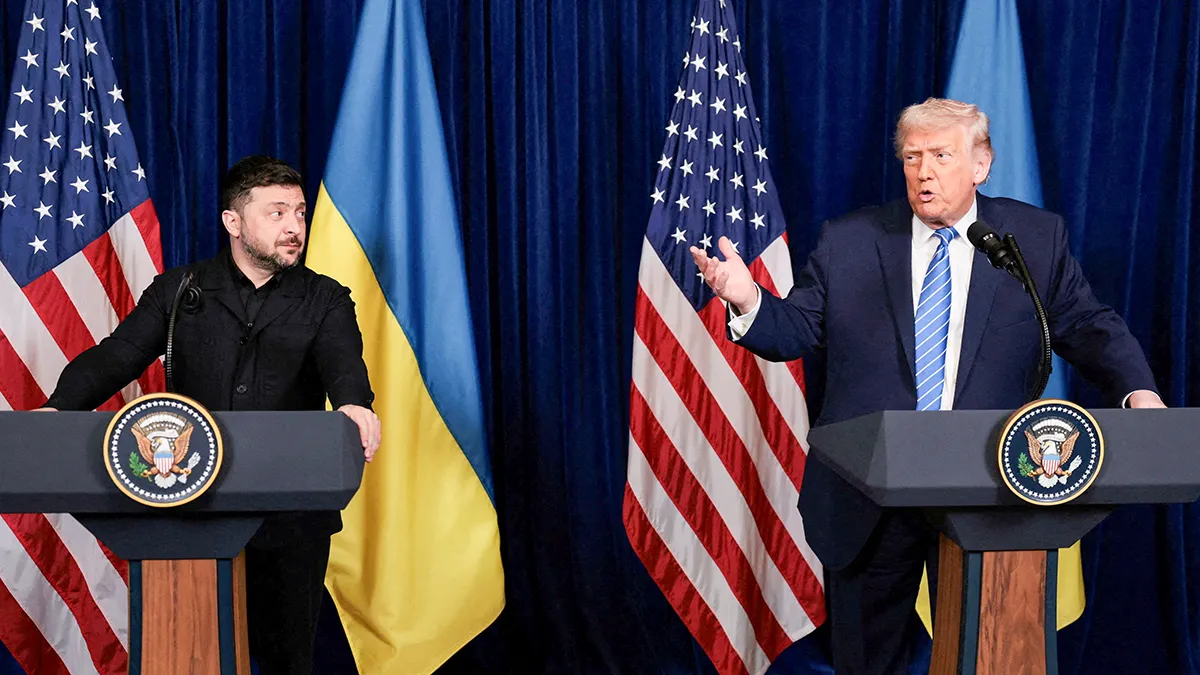
Washington and Kiev made progress on a framework of multi-decade security guarantees aimed at ensuring sustained military, industrial and technological support.
Implications:
These agreements send an unequivocal message to Moscow: attrition will not lead to the abandonment of Ukraine. European stability requires clear and lasting commitments.
Turkey intensifies counter-terrorism operations against Islamic State
Facts:
Turkish security forces carried out further arrests and armed clashes with Islamic State cells in several provinces.
Implications:
Jihadism remains a latent threat even after the territorial defeat of the caliphate. Regional counter-terrorism cooperation remains indispensable.
Diplomatic tensions in Latin America over pressure on Venezuela
Facts:
Several Caribbean governments publicly criticised the hardening of US policy against Caracas, describing it as ‘destabilising’.
Implications:
These reactions reflect regional divisions, but do not alter the central fact: the Chavista regime is a destabilising actor, linked to drug trafficking and organised crime, whose impunity has reached its limit.
US Navy ground attack on targets of the Chavista narco-dictatorship
Facts:
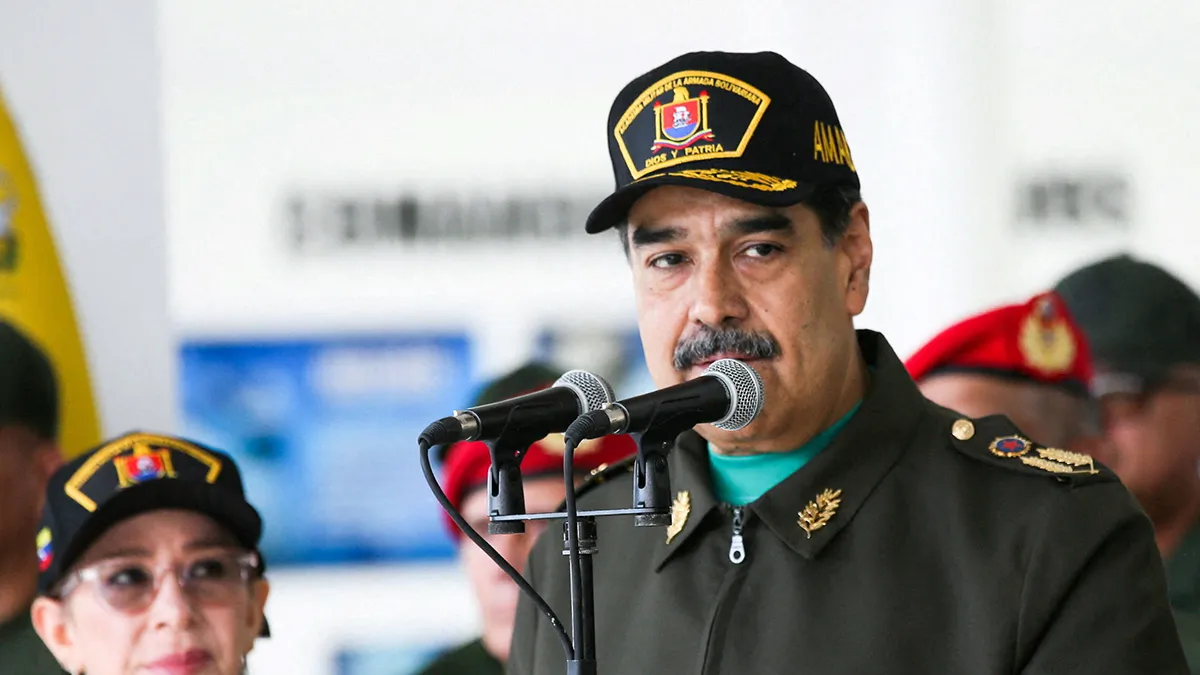
On 24 December, US Navy units carried out a limited ground operation against strategic infrastructure used by the Chavista narco-dictatorship for logistical support of drug trafficking and other criminal activities. The carefully calibrated action complemented the naval blockade and financial sanctions already in place.
Implications:
This is a turning point. Washington is demonstrating that it is willing to use direct force against a regime that has crossed all red lines: conversion of the state into a criminal platform, alliances with hostile powers, and direct threats to regional security. The message is clear to both Caracas and its external sponsors: strategic impunity is over.
Media Rack
Anglo-Saxon media
The New York Times and Washington Post highlight the seriousness of the Venezuelan precedent and the risk of controlled escalation. The Financial Times and Wall Street Journal emphasise the energy and financial impact of the accumulation of conflicts.
Continental Europe
Le Monde, FAZ and Corriere della Sera underscore European concern about migratory pressure and energy dependence, while cautiously analysing the US operation in Venezuela.
Asia-Pacific
The South China Morning Post and Yomiuri Shimbun agree that Chinese manoeuvres around Taiwan set a new standard for military coercion.
Middle East and Africa
Al Jazeera and Haaretz focus their attention on the debate over Somaliland and its possible regional repercussions.
Final Editorial Comment
The end of 2025 leaves us with an uncomfortable but necessary lesson: credible deterrence sometimes requires more than statements and sanctions. The United States' action against the Chavista narco-dictatorship is neither an adventure nor a symbolic gesture; it is the realisation that certain regimes only understand the language of tangible cost. At the same time, Chinese pressure on Taiwan and Russia's continued aggression in Ukraine confirm that the international order is undergoing a period of harsh adjustment, where strategic ambiguity is giving way to clear decisions.
The world enters 2026 with fewer illusions and more realism. And that realism, if well managed, can be the basis for a more solid stability than that promised by the irresponsible delusions of appeasement.