Gustavo de Arístegui: Geopolitical Analysis 6 February
Below is an analysis of current global events, structured around key topics for clear and direct understanding, followed by a summary of coverage in the mainstream media


- Introduction
- US-Iran: Oman, negotiations under the threat of force
- Russia-Ukraine-US in Abu Dhabi: prisoner exchange and war by other means
- New START: the architecture of nuclear containment enters a grey area
- Saudi Arabia-UAE: an announced divorce being fought out over Yemen
- Greenland: Western consulates and a belated awakening in the Arctic
- Cuba: selective energy suffocation and conditional aid
- Flotilla activism and the far left: the obscene double standard
- Russia: aggression, cynicism and hybrid warfare
- Media rack
- Editorial comment
Introduction
The day of 6 February 2026 concentrates, as if through a prism, the great tensions of the international system: a terrorist Iran forced to negotiate in Oman out of sheer fear of US force; a Russia attempting to shield its illegal annexations while sitting in Abu Dhabi talking about ‘peace’; a nuclear arms control architecture on the brink of collapse with the expiration of New START; a Gulf fractured by the Saudi-Emirati divorce that is bleeding Yemen dry; an Arctic that is no longer a periphery but has become a central stage; and an increasingly sophisticated economic siege on Castroism, aimed at strangling the regime without abandoning the people.
All this is taking place in a climate of moral degradation in which the far left and its flotilla activists shout against Israel and ‘the West’, while remaining conspicuously silent about the massacre of tens of thousands of Iranians at the hands of the Ayatollah regime and relativising Russia's aggression against Ukraine. Given this landscape, the only intellectually honest and strategically sensible position is a firm defence of liberal democracy, unapologetic Atlanticism, maximum toughness on jihadist terrorism and Russian-Iranian expansionism, and a frontal critique of the extremism and moral hypocrisy of much of the radical left.
US-Iran: Oman, negotiations under the threat of force
Facts
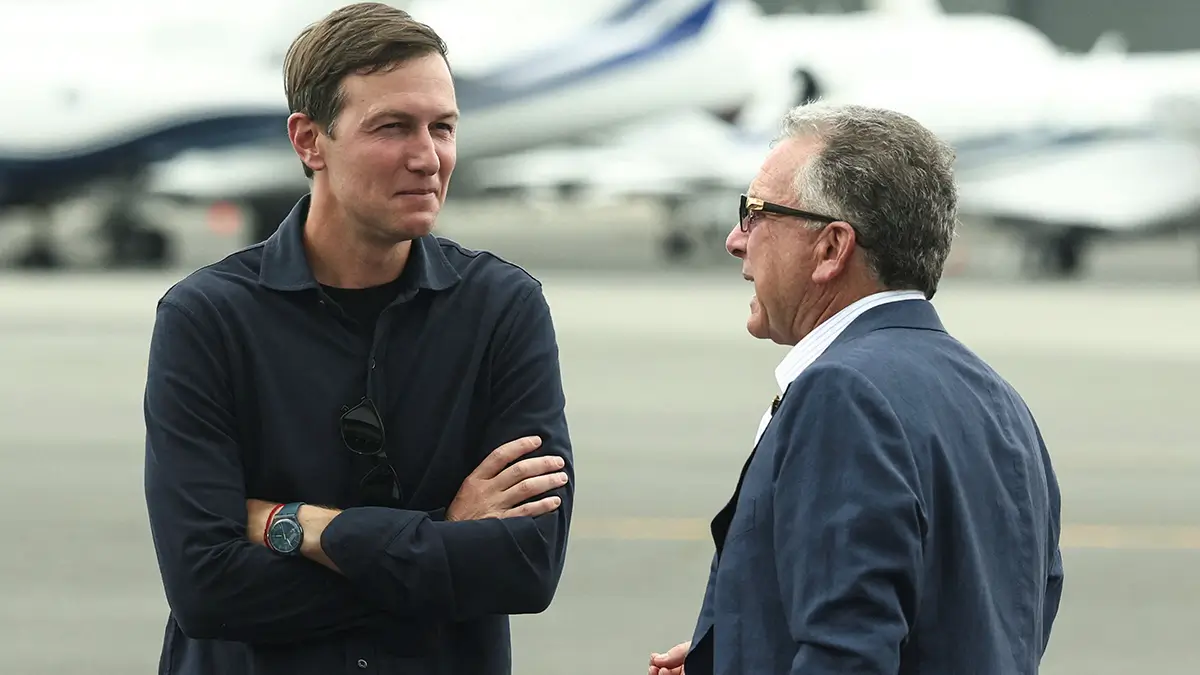
The first major round of high-level negotiations between the United States and Iran since the US attacks on Iranian nuclear facilities in June 2025 is taking place in Muscat, the capital of Oman. Seated at the table are Iranian Minister Abbas Araghchi and US Special Envoy Steve Witkoff, accompanied by Jared Kushner, with a format initially limited to the nuclear dossier that Tehran has tried to shield from any discussion of ballistic missiles and terrorist proxies, but which Washington and several Arab mediators have managed to broaden. The meeting comes after a January marked by brutal repression by the Ayatollah regime—with tens of thousands of deaths in the streets—military incidents such as the downing of a Shahed drone by a US F-35C, and a significant deployment of US forces in the region. The Trump administration has made it clear that it prefers diplomacy, but is keeping all military options on the table, and senior Treasury officials are already talking about Iranian elites ‘taking money out of the country’ like rats abandoning a sinking ship.
Implications
Iran is not coming to Oman as an ‘equal’ partner, but as a cornered terrorist regime that rightly fears a targeted attack capable of triggering the internal implosion that Khamenei so dreads. It tried to reduce the talks to a mere technical nuclear adjustment precisely to avoid questioning the pillars of its power: its missile programme, its network of Hezbollah, Hamas, Houthis and Shiite militias in Iraq and Syria, and its systematic use of theocratic violence against its own people. The presence of Kushner, architect of the Abraham Accords, reveals that Washington is not only thinking about nuclear limits, but also about an eventual regional framework that links the Iranian question with Israel's security and normalisation with the Sunni Arab world.
Outlook and scenarios
The most likely scenario in the short term is an Iran that tries to buy time, offer cosmetic concessions and present itself as a victim to a Western left willing to swallow any narrative if it goes against Washington and Israel. The only real brake on the regime remains the credible threat of surgical strikes at the heart of the revolutionary and nuclear apparatus; if that threat is diluted, Tehran will return to its old ways. The best scenario involves an extremely robust agreement on verification, missiles and proxies, accompanied by internal and regional pressure; the worst scenario involves a miscalculated escalation leading to open conflict in which the real losers, once again, would be the Iranian people and the stability of the entire Middle East.
Russia-Ukraine-US in Abu Dhabi: prisoner exchange and war by other means
Facts
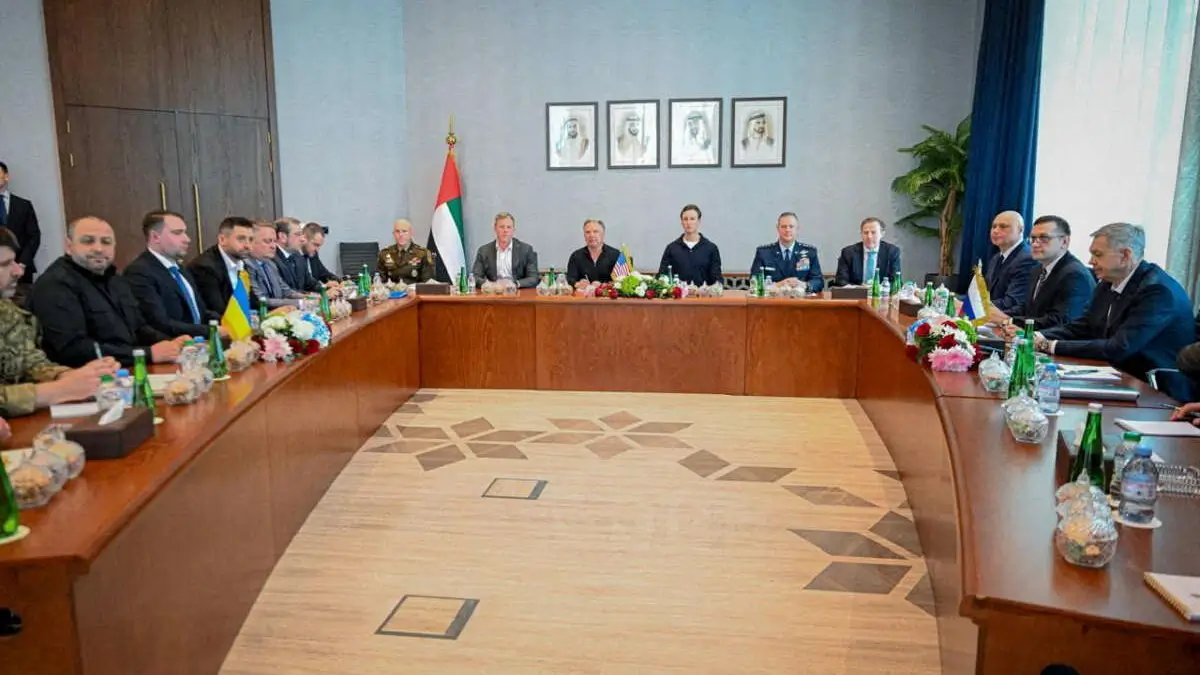
The second round of talks between Ukraine, Russia and the United States has concluded in Abu Dhabi with the first prisoner exchange in five months, involving a total of 314 combatants, and a commitment to continue meeting. Top-level security and intelligence figures have attended the talks, indicating that this is not merely a show. At the same time, a channel for high-level military dialogue between Washington and Moscow has been reopened, while the Kremlin is leaking new maximalist demands—including the claim that its sovereignty over illegally annexed territories be recognised—and launching massive attacks on Ukraine's energy network on the eve of the talks.
Implications
The prisoner exchange is an undeniable humanitarian relief, but it should not obscure the underlying reality: Russia is using the negotiating table to legitimise its conquests and buy time, not to correct its aggression. It seeks to turn its annexations into a ‘fait accompli’ blessed by the international community, violating the basic principle that force does not give entitlement to territory. The resumption of military dialogue with the United States is positive as an anti-escalation mechanism, but Moscow has already amply demonstrated that it combines salon diplomacy with missiles on civilian infrastructure.
Outlook and scenarios
For Ukraine, the risk is twofold: being pushed into an agreement that freezes an unacceptable occupation or being left alone if part of the West gives in to fatigue and energy blackmail. The only path consistent with international law and serious Atlanticism is to support Kyiv politically, militarily and financially until any compromise excludes the legitimisation of annexations and offers real security guarantees. Any “peace” that enshrines Russian conquest will be an armistice on the way to the next aggression, in Ukraine or elsewhere on the eastern flank.
New START: the architecture of nuclear containment enters a grey area
Facts
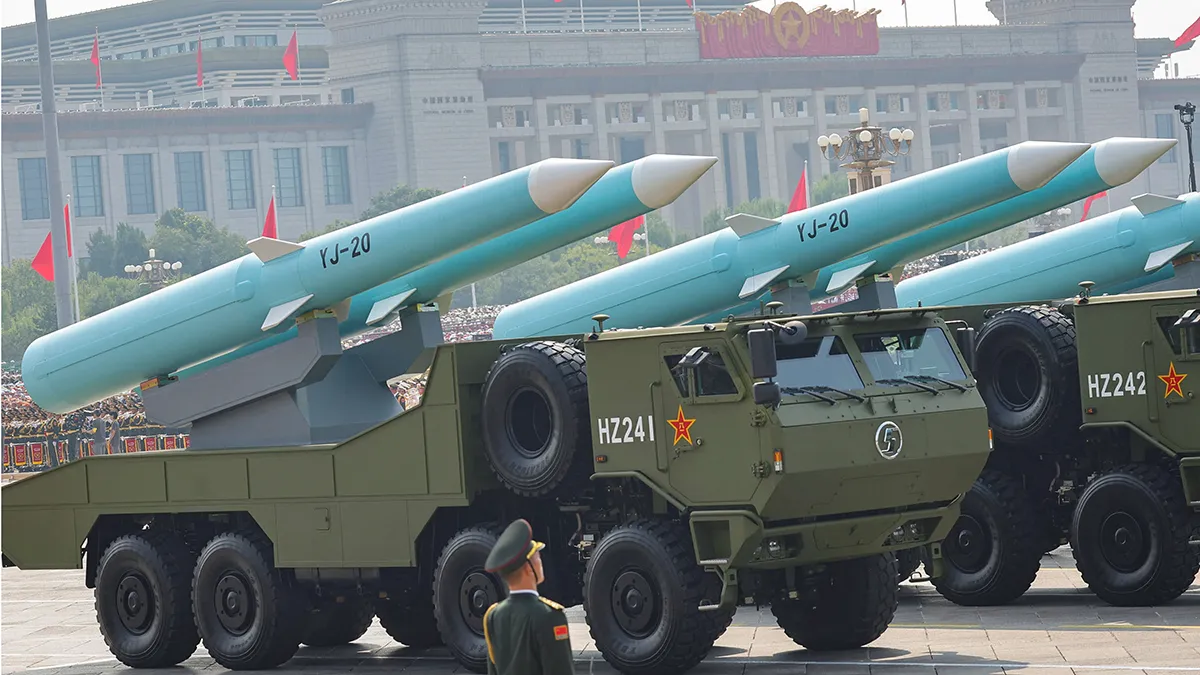
With the expiry of New START, for the first time in more than half a century, the world is left without a binding legal framework limiting the strategic nuclear arsenals of the United States and Russia, or robust mechanisms for reciprocal verification. Moscow has hinted that it could continue to respect the limits de facto if Washington did the same; the White House, for its part, has spoken of the need for a ‘new and better’ treaty that includes China.
Implications
Without ceilings or inspections, the risk of misunderstandings, suspicions and worst-case scenario planning grows. No one has a real economic interest in a new arms race, but the absence of rules encourages the temptation to deploy more warheads on existing systems and to test new delivery systems. The message to non-nuclear states is devastating: the powers that preach against proliferation are unable to uphold their own commitments to containment.
Outlook and scenarios
An informal understanding that maintains the limits while a successor agreement is negotiated would, today, be the lesser evil. The reasonable, realistic approach would be to move towards a framework that incorporates China and, over time, other nuclear powers, without allowing Moscow to use the nuclear dossier as leverage to be forgiven for Ukraine. Giving up all limits, on the other hand, would return us to a much more complex logic of “balance of terror”, with more actors, more technology and fewer containment reflexes than during the Cold War.
Saudi Arabia-UAE: an announced divorce being fought out over Yemen
Facts
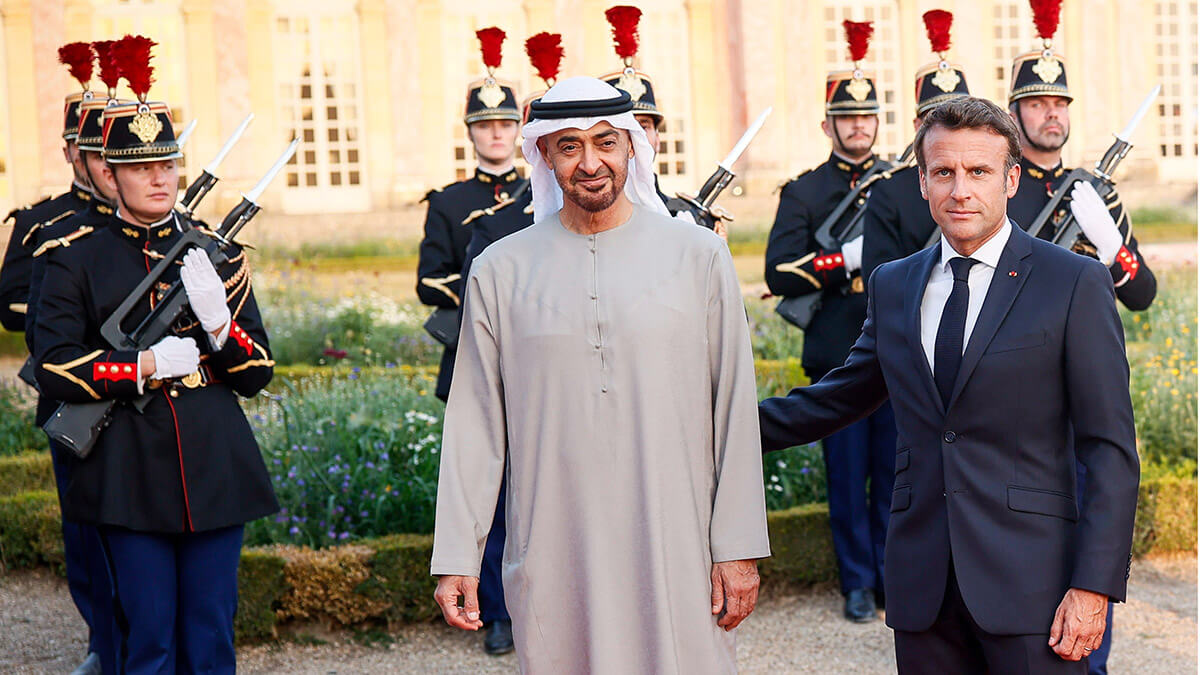
Riyadh and Abu Dhabi are now openly staging a deep rivalry over control of southern Yemen and how to manage the Red Sea neighbourhood and the Horn of Africa. Saudi Arabia accuses the Emirates of arming and supporting secessionist forces that threaten its border security; the UAE responds by withdrawing counter-terrorism units and defending its network of local allies. The dispute extends to Sudan, Somalia and Libya, where each side supports different actors.
Implications
What for years was sold as a unified ‘pincer’ against Iran and the Arab Spring is now revealed for what it was: a tactical convergence between two very different visions of the regional order. Saudi Arabia, with a 1,800 km border with Yemen, cannot accept an armed mini-state aligned with Abu Dhabi on its southern flank; the UAE has made proxy politics its way of multiplying influence. The big loser is Yemen, which has become a chessboard for intra-Gulf rivalry in addition to the confrontation with the pro-Iranian Houthis.
Outlook and scenarios
In the short term, a cold rivalry is likely, without direct confrontation, but with more bloody proxy wars in Yemen, Sudan and the Sahel. For the West, the message is clear: it cannot continue to outsource Red Sea security to competing actors without demanding a serious roadmap for territorial integrity, the fight against jihadism and the containment of Iran. The risk is that the Gulf rift will further weaken the common front against Iranian expansionism and Russian-Chinese penetration.
Greenland: Western consulates and a belated awakening in the Arctic
Facts
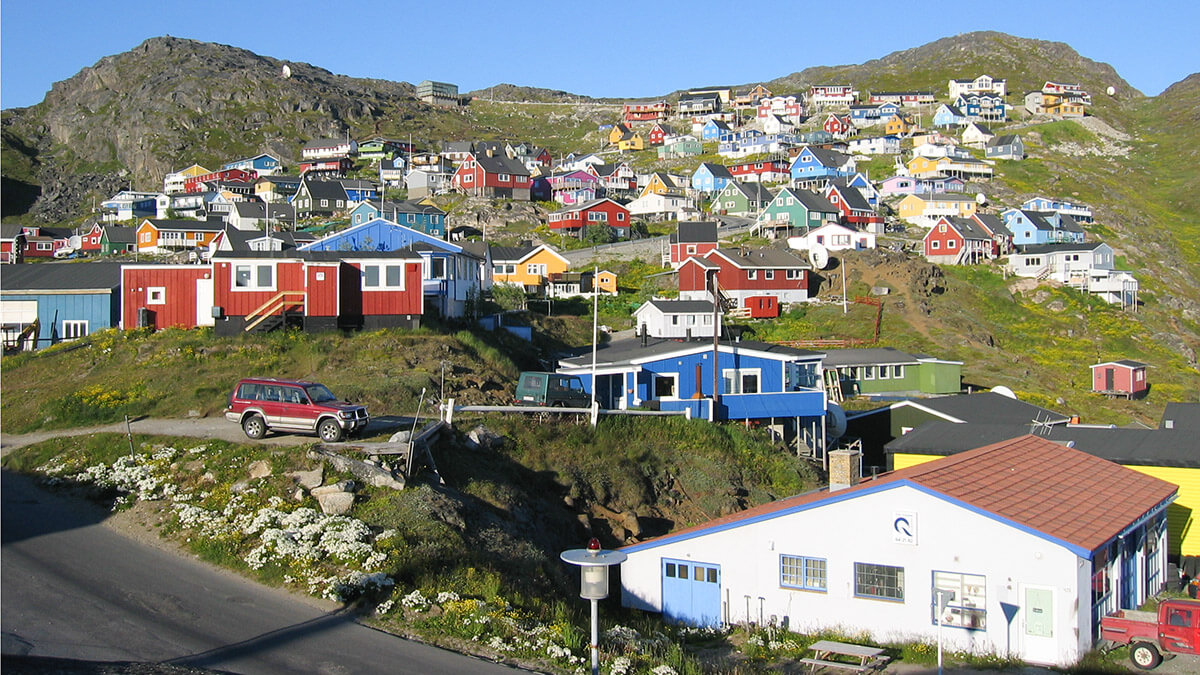
France and Canada are opening career consulates in Nuuk as an unequivocal political gesture of support for Danish sovereignty and the right of Greenlanders to decide their future, in the face of the openly annexationist ambitions that Trump has expressed on several occasions. The move adds to a growing Western presence on the island, amid growing concerns about competition with Russia and China in the Arctic.
Implications
The French and Canadian move is symbolic, but it comes after decades of European neglect in a territory where Moscow and Beijing have made advances in infrastructure, economic influence and disinformation operations. If the EU limits itself to planting flags and consulates without providing security, serious investment and development alternatives, it will once again lose out to those who do not distinguish between diplomacy, business and military deployment. Greenlanders have a right to complain about past Danish abuses, but they also have a right to be told the truth: Russia and China are not coming to “liberate” them, but to exploit their position and resources.
Outlook and scenarios
For Europe, Greenland is a test of strategic maturity: either it truly integrates the Arctic into its security thinking, with a material presence and not just rhetoric, or it will continue to depend on the United States even when Washington is willing to cross red lines with allies. It is time to unambiguously support Danish sovereignty and, at the same time, listen to and accompany Greenland's legitimate aspirations for autonomy in the face of opportunism from third parties.
Cuba: selective energy suffocation and conditional aid
Facts
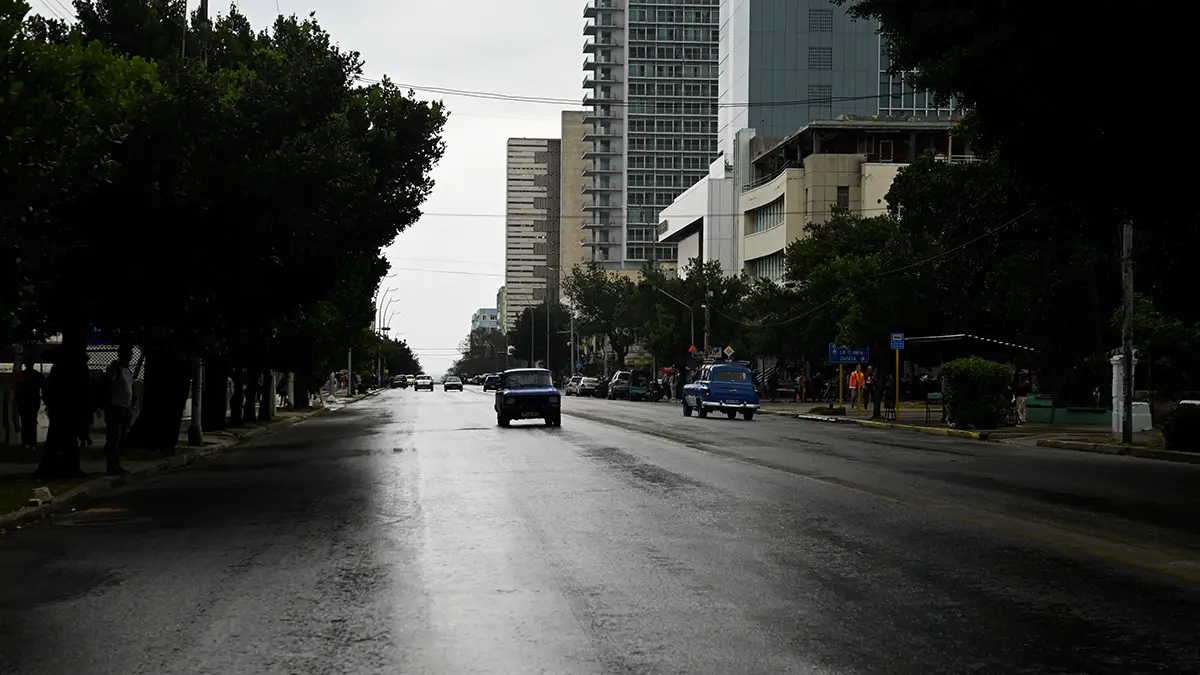
Washington has tightened its siege on the Castro regime by combining an increasingly strict energy embargo — including pressure on third countries that supply oil — with humanitarian aid packages aimed at the Cuban people. The central idea is clear: to cut off the economic oxygen to the mafia-military apparatus that governs the island and, at the same time, mitigate the impact on the most vulnerable population. Meanwhile, Mexico is looking for ways to continue sending fuel without exposing itself to trade reprisals from the United States.
Implications
Using oil as leverage against a dictatorship that has enjoyed decades of ideological rent and transfers from its allies is a legitimate strategy if it is aimed at accelerating the fall of the regime and not perpetuating its victimhood. Castroism, the direct heir to a military-party caste, has turned Cuba into a laboratory of social control and a platform for exporting repression to Venezuela and Nicaragua; it deserves no consideration. That the Sheinbaum government devotes more energy to keeping Castroism and its Bolivarian allies alive than to recovering Mexican territories captured by cartels is, quite simply, a political and moral aberration.
Outlook and scenarios
If the combination of energy embargo and targeted aid is managed intelligently, in coordination with allies and through clean channels to civil society, it can accelerate the regime's decomposition without causing an uncontrollable humanitarian collapse. The risk is that third countries will lend themselves to acting as a lifeline for Castroism out of ideological affinity, weakening the pressure and prolonging the agony of an exhausted system. The option consistent with a firm Atlanticism is clear: no political or economic respite for Castroism until there is a real transition.
Flotilla activism and the far left: the obscene double standard
Facts
A new ‘solidarity’ flotilla is being organised to try to break the security cordon around Gaza, with the enthusiastic support of the Western far left, old and new militant NGOs and the usual professional ‘activists’. The same circles that enthusiastically mobilise for this type of media stunt remain deafeningly silent in the face of the systematic massacre of Iranians in the streets of Tehran, the mass executions, torture and repression of the Ayatollah regime.
Implications
The moral obscenity of this histrionic and exhibitionist radical left is difficult to exaggerate: they turn the Palestinian cause into a stage for their political narcissism, but they do not waste a banner on the murdered Iranian women, the dissidents hanged from cranes or the tortured students. They are not ‘pacifists’; they are selective militants, obsessed with demonising Israel and the West while finding excuses or simply looking the other way in the face of jihadist barbarism. This double standard not only insults the victims of the Iranian regime; it also harms the Palestinians themselves, because it reduces their tragedy to ammunition in the cultural war against liberal democracies.
Outlook and scenarios
Let's be clear: those who board these shoddy flotillas, while remaining silent in the face of Tehran's murderous theocracy and Hamas' terror, are not on the side of human rights, but on the side of an ideological narrative that selects victims for convenience. Serious democracies must reclaim the narrative: unapologetically defending Israel's security, the dignity of Palestinian civilians and the rights of Iranians, and pointing out the emotional blackmail and imposture of an extreme left that has lost all moral compass.

Russia: aggression, cynicism and hybrid warfare
Facts
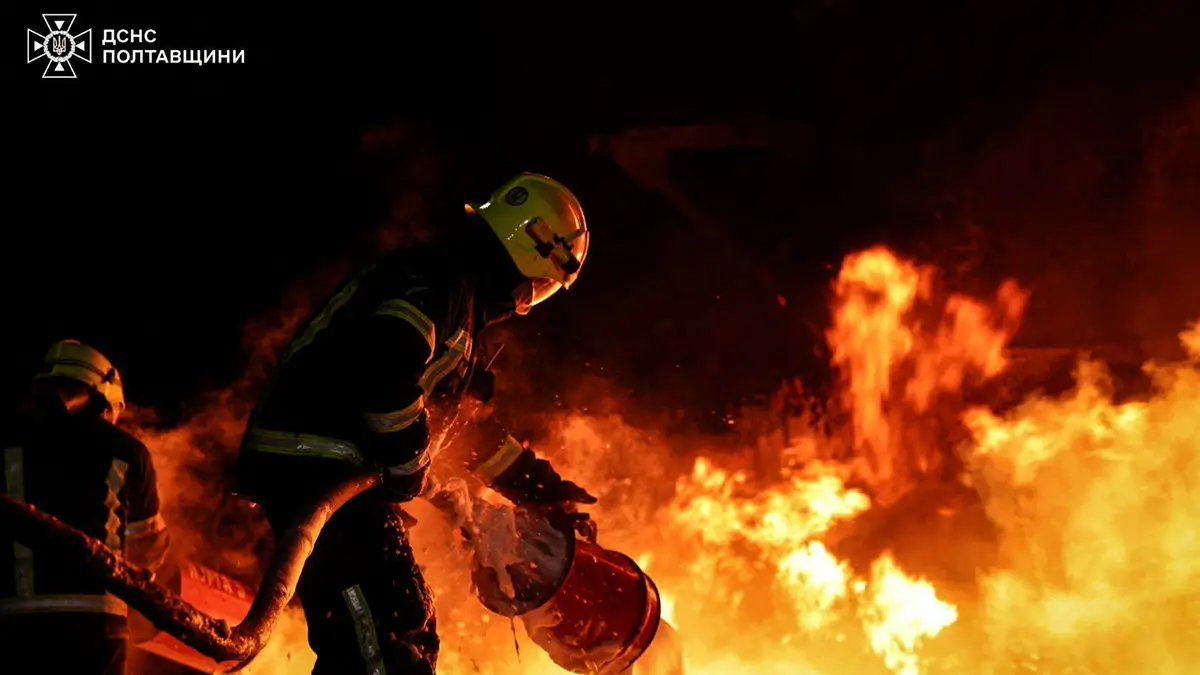
While negotiating in Abu Dhabi, the Kremlin continues to attack Ukrainian civilian infrastructure, operate cyberattack and disinformation campaigns against European countries—including Italy—and try to exploit every crack in the Western front. The Russian propaganda machine sells the talks as recognition of its ‘new territorial realities’ and presents Ukraine as responsible for any deadlock.
Implications
Russia is not a ‘difficult interlocutor’; it is now a systematic aggressor that combines conventional warfare, energy terror, cyberattacks and information manipulation to destabilise democracies and erode the liberal order. Anyone who continues to talk about ‘mistakes on both sides’ or ‘understanding Moscow's security concerns’ while Ukrainian cities are being bombed and millions are displaced is objectively participating in this whitewashing campaign. Putin seeks to demonstrate that one can invade, annex, deport children and then demand to be treated as a guarantor of stability.
Outlook and scenarios
The Western response must continue to be much tougher: sharp sanctions, sustained military support for Ukraine, reinforcement of the eastern flank and uncompromising combat against Russian propaganda on social media, in the media and in international forums. Any sign of weakness will be interpreted by the Kremlin as an invitation to continue advancing. The lesson from Georgia, Crimea and Donbas is clear: when Moscow is granted a sphere of impunity, it uses it to the limit.
Media rack
The major US and European press focuses on four vectors: Oman (US-Iran), Abu Dhabi (Ukraine-Russia-US), the New START vacuum and the growing Saudi Arabia-UAE clash in Yemen, with the Arctic and Greenland emerging as a prominent chapter.
The economic media highlights market nervousness over the combination of geopolitical risk (Iran, Russia) and the fragility of the nuclear containment architecture, while continuing to digest technological turbulence and Bitcoin fluctuations as a barometer of confidence and fear.
The major European media outlets highlight France's move in Nuuk as a symbol of an Arctic awakening, but the EU's response is still perceived as more rhetoric than real muscle.
The Russian media ecosystem is attempting to present the Abu Dhabi negotiations as a kind of inverted Yalta, where a sphere of Russian influence is enshrined; the reality on the ground belies this, but the narrative is taking hold in Western sectors prone to relativism.
The media constellation of the far left and wokism is focused on the flotillas to Gaza and the umpteenth narrative of Israel as the absolute villain, with almost total silence on Iranian repression and Russian crimes in Ukraine.
Editorial comment
What the last twenty-four hours have revealed is an open battle for common sense in international politics. On the one hand, regimes such as Iran, Russia and Castroism, which thrive on violence, lies and the export of instability; on the other, European and American democracies that waver between the necessary firmness and the temptation of appeasement, while deafeningly noisy sectors of the far left try to turn any crisis into an excuse to settle scores with their favourite enemy: the West.
It is no coincidence that those who join the flotillas against Israel remain silent in the face of mass executions in Iran, minimise Russian aggression against Ukraine or relativise the dictatorships of Cuba and Venezuela. Their problem is not injustice; their problem is with liberal democracy, with the market economy, with NATO and with everything they represent. That is why they are lenient with executioners when they do not wear Western ties, and ruthless with any mistake — real or imagined — made by our open societies.
In the face of this imposture, the line we defend is clear: Atlanticism at heart, staunch Europeanism, unapologetic defence of Israel and the victims of jihadism, outright rejection of Chavista narco-socialism and its Caribbean allies, absolute firmness in the face of Russian expansionism and Iranian theocracy, and zero tolerance for wokism and the culture of cancellation that seek to morally dismantle democracies from within. This is not about idealising anyone – not even Trump – but about recognising that a realistic and firm foreign policy, combining robust diplomacy and deterrence, has achieved more concrete progress in less than a year than decades of do-goodism.
If liberal democracies want to remain so, they need to regain a calm pride in what they are: imperfect but reformable systems based on freedom, equality before the law and the protection of fundamental rights. This recovery involves calling things by their name—terrorism, aggression, dictatorship—not ceding the narrative to the far left or the far right, and understanding that in the multifaceted risks of the 21st century, there is no room for naivety. Either the liberal order is actively defended, or Moscow, Tehran, Beijing and Havana will write the rules of the game. And that world would undoubtedly be much less free, less prosperous and much more dangerous.