Gustavo de Arístegui: Geopolitical analysis of 18 November 2025

- Gaza: the UN blesses Trump's plan and consolidates the international ‘protectorate’
- Ukraine: Russian offensive in Pokrovsk and French “great leap” with the Rafale
- Poland: railway sabotage and the vulnerability of NATO's arteries
- The death sentence for former Prime Minister Shaikh Hasina and the risk of creating a serious diplomatic confrontation with India
- Saudi Arabia: the F-35s and the reconfiguration of the regional balance
- Hemispheric security: Venezuela, cartels and the militarisation of the Caribbean
- China-Japan-Taiwan: diplomatic crisis with economic repercussions
- North Korea: nuclear deterrence and support for Russia
- Chile: polarisation between left-wing continuity and a hard right-wing shift
- West Africa: Nigeria, between internal violence and Washington's radar
- Southeast Asia: floods, landslides and blocked energy transition
- Critical minerals: tactical truce in the rare earths war
- Media rack
Gaza: the UN blesses Trump's plan and consolidates the international ‘protectorate’
Facts:
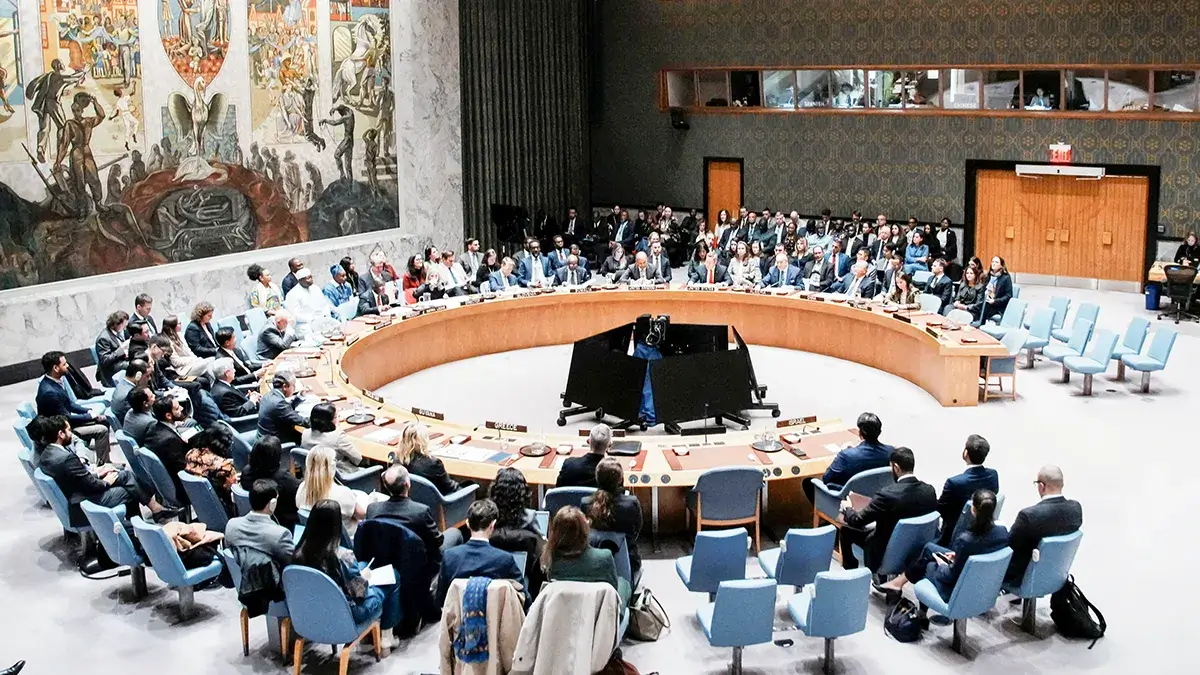
The UN Security Council approved Resolution 2803 (2025), which supports President Trump's 20-point peace plan for Gaza.
The resolution authorises an International Stabilisation Force and a Board of Peace chaired by Trump himself, with a mandate to administer the territory and oversee the disarmament of Hamas.
The plan provides for a consolidated ceasefire, a phased withdrawal of the Israeli army, a technocratic Palestinian administration under supervision and a deliberately ambiguous reference to a future ‘path to a Palestinian state’.
Hamas has rejected the plan as a form of ‘foreign tutelage,’ while several Arab states (Saudi Arabia, Qatar, Egypt, among others) accept it with obvious reservations, understanding that without a Security Council mandate, the international force would be unsustainable.
Russia and China abstained. Moscow speaks openly of an ‘almost colonial’ design, and Beijing insists that any force must be clearly under the UN umbrella and framed within the two-state solution.
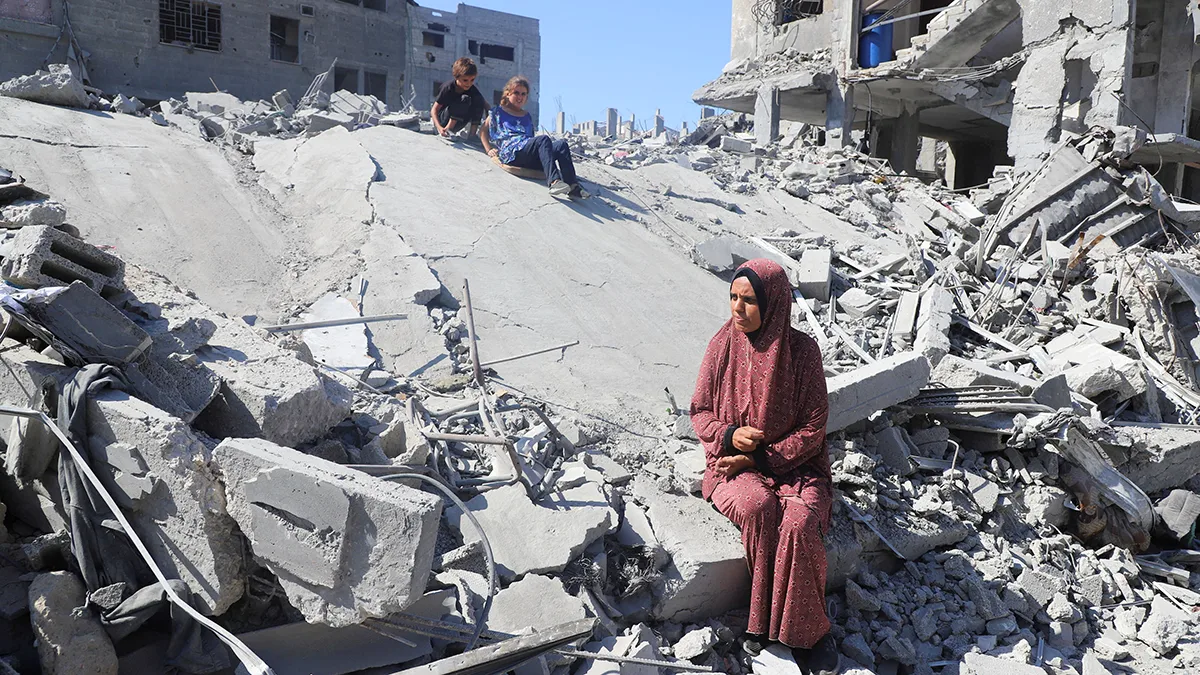
On the ground, the ceasefire is fragile: the Gaza authorities speak of hundreds of violations, new deaths and injuries, and food aid that does not even cover half of daily needs.
At the same time, Germany has announced that it is lifting the partial arms embargo on Israel adopted in August, citing the stabilisation of the ceasefire and returning to a ‘case-by-case’ review of export licences.
Implications:
Gaza is moving from open war to international trusteeship. The resolution does not resolve the conflict, but it does enshrine a change in nature: Gaza is moving towards international trusteeship, with the United States as the hegemonic power in the architecture and the EU, Arab countries and some Asian partners as financiers and troop providers.
Trump concentrates unprecedented power in this type of situation, as mediator and superpower. The US president will chair the World Peace Board, seemingly breaking the traditional separation between mediator and interested party. The extreme personalisation of a mechanism of this magnitude adds volatility: everything ultimately depends on the political calculations of a single leader.
The current Israeli government is forced to accept the 20-point plan, even at the cost of an internal political crisis (strong opposition from the most extremist coalition partners). For Israeli security, the model has obvious advantages: disarmament of Hamas, international presence and maintenance of a favourable ceasefire. The cost is political: the mere mention of a ‘roadmap’ to a Palestinian state puts extreme pressure on Netanyahu's coalition and his national-religious right wing.
The Arab world is divided between the protagonists of mediation and peace, either directly, such as Qatar and Egypt, or indirectly, but very importantly, Saudi Arabia and the UAE, and the Israelis are forced to accept them grudgingly. Governments know that without an international mechanism, the risk of reigniting the flames of war is enormous.
Public opinion perceives the scheme as a form of re-edited protectorate. This dissonance between the street and the palace is a familiar recipe for future explosions. Europe is once again displaying its ambivalence. It votes in favour of the resolution, finances reconstruction and talks about two states, while Germany quickly lifts a partial arms embargo against Israel that had been mainly a gesture for the gallery.
The message to the world is ambiguous: principles on the one hand, realpolitik and defence contracts on the other, in short, the need to impose, if necessary, peace, stability and security, even with pressure and firmness.
Ukraine: Russian offensive in Pokrovsk and French “great leap” with the Rafale
Facts:
Russia has intensified its offensive in eastern Ukraine, capturing several towns around Pokrovsk and concentrating, according to Kiev, more than 170,000 soldiers in the Donetsk sector.
Ukrainian forces acknowledge that they are outnumbered by up to eight to one in some sections of the front and are suffering from serious ammunition and rotation problems.
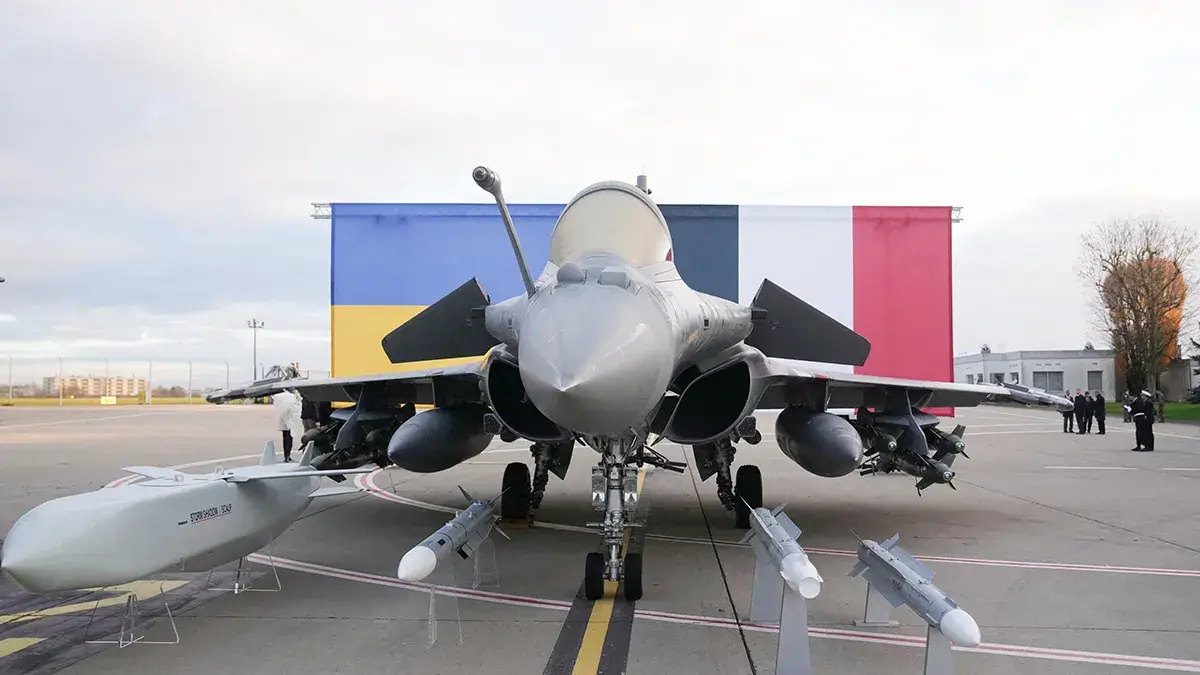
In this context, President Zelensky signed a declaration of intent in Paris for the acquisition of up to 100 Rafale F4 fighter jets, eight SAMP/T anti-aircraft systems, advanced radars and guided weapons, with a horizon until 2035.
The agreement also includes industrial cooperation (joint production of interceptor drones) and a parallel contract between Alstom and Ukrainian Railways for 55 electric locomotives.
Financing depends largely on European instruments still under discussion, including the possible use of proceeds from frozen Russian assets.
Implications:
Russia gains military ground while Ukraine obtains strategic promises. Moscow continues to accumulate small advances that, when added together, could change the map of Donbas. Kyiv receives a far-reaching air commitment, but with a timetable that goes beyond the immediate needs of the front.
France is the cornerstone of European security. For starters, it is the only one of the two European NATO members with nuclear forces and the only one with an independent nuclear force. Paris is trying to fill the space left vacant by Germany: it is taking political and financial risks to lead the support for Ukraine and, in the process, boost its defence industry. The success of the move will depend on its ability to convince and draw in other European partners.
Europe is promising more than it can deliver in the short term. A hundred Rafale jets require funding, pilots, infrastructure and maintenance. None of this can be improvised. The deterrence they provide today is mainly political: they send Moscow the message that, even if the current line is broken, Ukraine will not be abandoned.
Hybrid warfare is entering NATO territory. The railway sabotage in Poland, on a key supply line to Ukraine, fits this pattern: Russia is hitting logistics and testing the allied response with ‘plausibly deniable’ acts. The line between front and rear is blurring.
Poland: railway sabotage and the vulnerability of NATO's arteries
Facts:
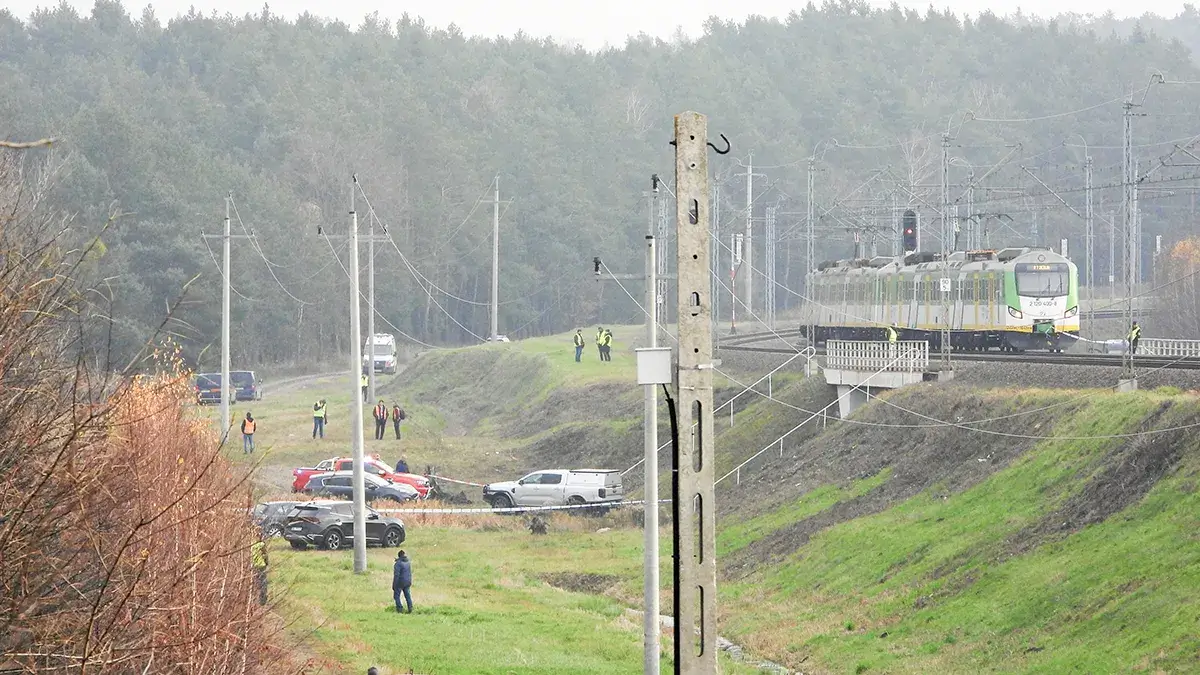
An explosive device damaged a railway line between Warsaw and Lublin this weekend, on a route crucial for the transport of military and humanitarian aid to Ukraine.
Prime Minister Donald Tusk described the incident as an ‘unprecedented act of sabotage’ against state security.
Damage was detected at least two points along the same line, suggesting prior coordination. There were no casualties, but traffic was temporarily disrupted.
Polish authorities have already made arrests of cells accused of working for Russian services in surveillance, infrastructure photography and sabotage preparation.
Implications:
Russia's hybrid warfare is no longer a theoretical concept. NATO territory is now the scene of covert operations aimed at undermining Europe's ability to support Ukraine. Poland, due to its role as a logistics hub, is the primary target.
European infrastructure is an obvious weak point. A severed railway line can delay ammunition, weapons and critical aid. If this pattern extends to ports, oil pipelines, power grids or submarine cables, the strategic impact will be enormous.
The European response remains insufficient. Beyond statements in Brussels and in the capitals, no clear threshold for a collective response to this type of attack has yet been defined. This ambiguity encourages the aggressor's audacity.
The death sentence for former Prime Minister Shaikh Hasina and the risk of creating a serious diplomatic confrontation with India
Facts:
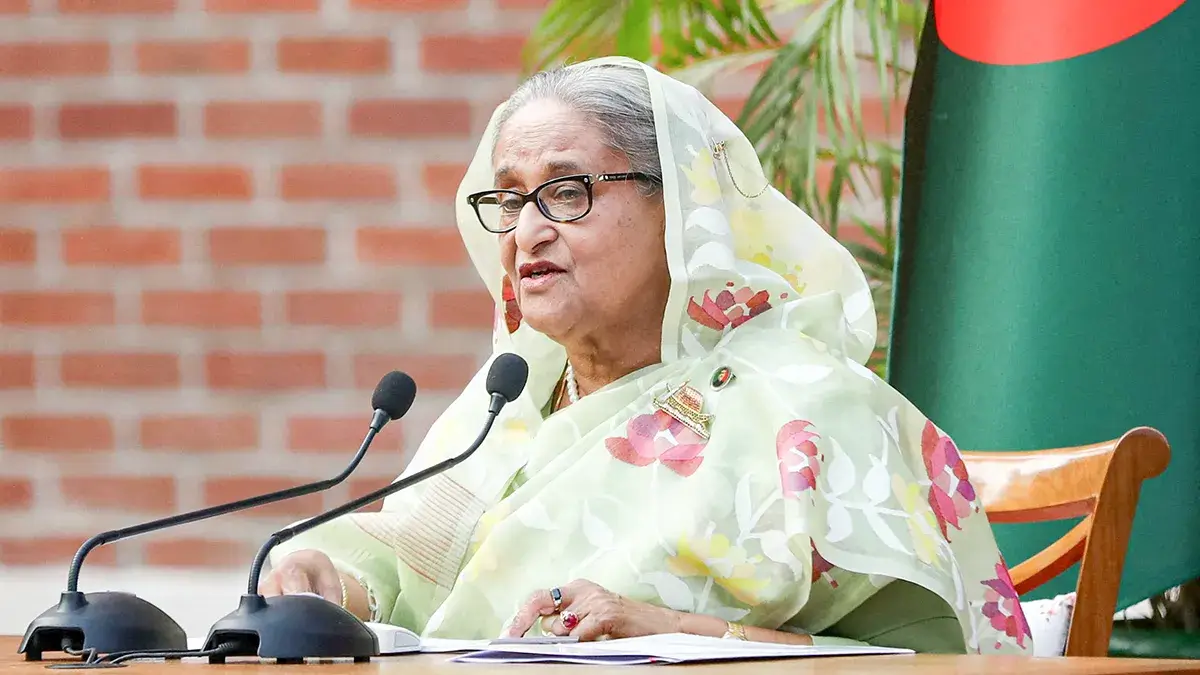
The International Crimes Tribunal in Bangladesh has sentenced former Prime Minister Sheikh Hasina and her former interior minister to death in absentia for crimes against humanity during the crackdown on student protests in 2024.
A UN report estimates that around 1,400 people were killed in a month and a half, with the systematic use of live ammunition and armed drones, and a significant percentage of minors among the victims.
The trial took place in the absence of the defendant, who has been a refugee in India since the fall of her government. Dhaka has officially requested her extradition.
The UN High Commissioner for Human Rights has stressed the importance of justice for the victims, but has regretted the imposition of the death penalty and recalled the historical criticism of this court's procedural guarantees.
Implications:
Bangladesh is torn between transitional justice and settling scores. The very judicial tool created and reinforced by Hasina to try crimes committed in 1971 is now turning against her. The image of ‘victors' justice’ is inevitable if the structural flaws of the tribunal are not addressed.
The death penalty delegitimises a process that was supposed to restore trust. This is not to minimise the seriousness of the crimes, but to affirm a principle: a transition that resorts to the gallows, in trials in absentia, loses some of its moral authority. The result may be the perpetuation of the cycle of revenge.
India is caught in an uncomfortable dilemma. Extraditing Hasina would, in effect, amount to handing her over for execution. Failure to do so will strain relations with a crucial neighbour and fuel claims of interference.
Opportunity for extremism. A densely populated country, vulnerable to climate change and with a history of Islamist violence, cannot afford a prolonged conflict between political factions. A sentence perceived as humiliating a secular leader could fuel radicalisation that no one can control.
Saudi Arabia: the F-35s and the reconfiguration of the regional balance
Facts:
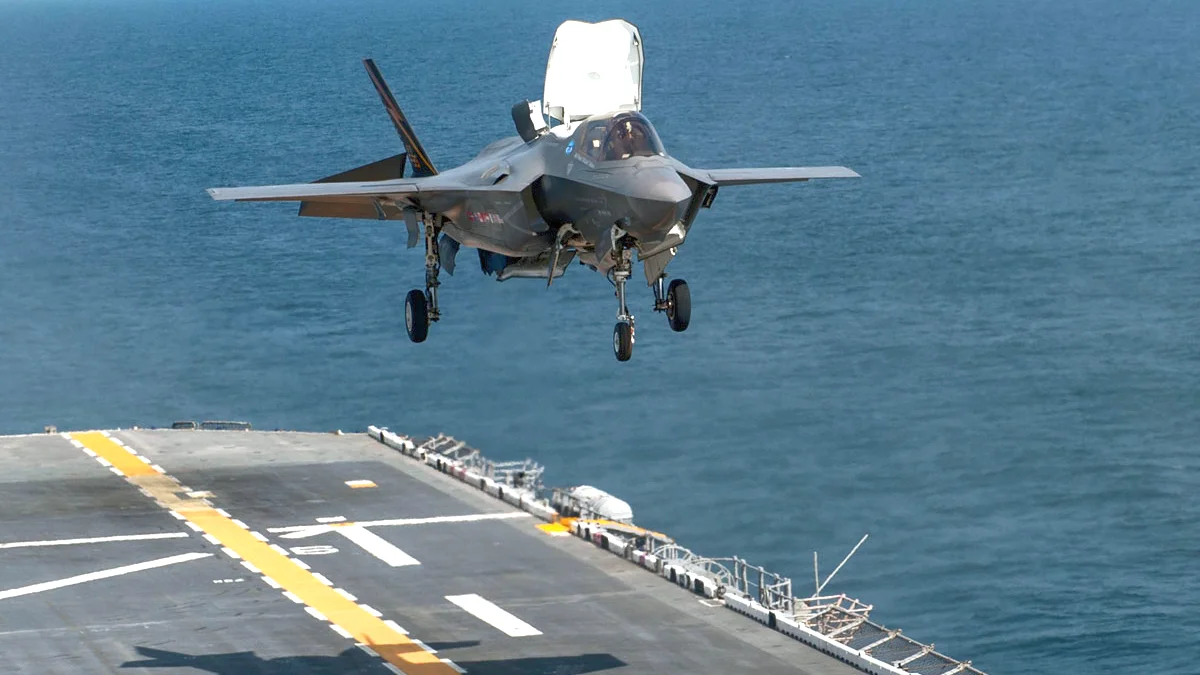
The Trump administration has confirmed the sale of fifth-generation F-35 fighter jets to Saudi Arabia, reversing previous restrictions and unblocking the delivery of at least 50 aircraft.
The operation is accompanied by careful political staging: a reception for Crown Prince Mohammed bin Salman and messages of strategic reinforcement of the bilateral link.
The decision comes in a context of sustained tension with Iran, Riyadh's tactical rapprochement with Beijing in the energy field and discreet negotiations on the fit between Saudi Arabia and Israel in the regional architecture.
However, it should be remembered that even when the F-15 was the most advanced aircraft in the world, only two countries had it: Israel and Saudi Arabia.
Implications:
Riyadh consolidates its position as the leading air power in the Gulf. With the F-15, Eurofighter and now the F-35, Saudi Arabia is at the technological forefront of regional combat aviation. The signal to Tehran is unequivocal.
Washington is trying to curb Saudi Arabia's drift towards China. The transfer of sensitive technology is the bargaining chip to keep Saudi Arabia in the Western orbit. Riyadh, for its part, maximises its value by negotiating with all the major powers.
Risk of a new regional arms race. The Emirates, Qatar, Egypt and even Turkey will gauge their position based on this decision. The region is filling up with highly sophisticated equipment in an environment of latent conflicts.
Hemispheric security: Venezuela, cartels and the militarisation of the Caribbean
Facts:
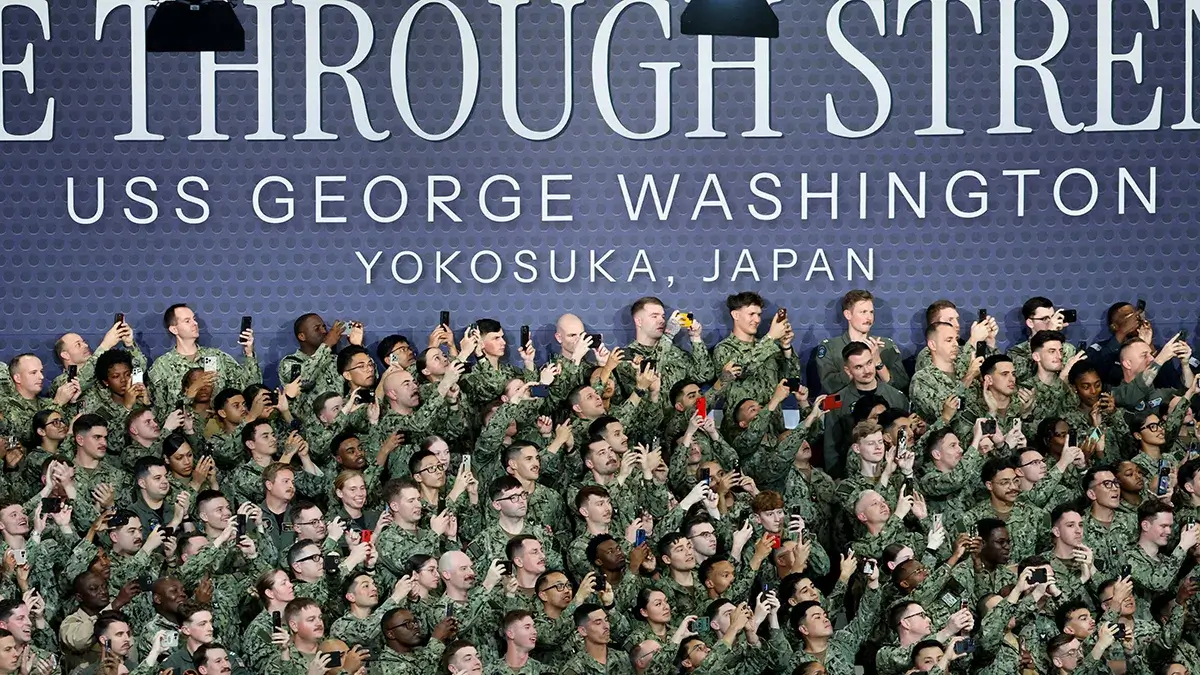
The US Navy has deployed the USS Gerald R. Ford aircraft carrier strike group to the Caribbean, accompanied by a dozen ships and some 12,000 troops, as part of Operation Southern Spear.
Since September, at least twenty lethal attacks have been carried out against speedboats accused of transporting drugs, resulting in dozens of deaths. International organisations have questioned the lack of transparency regarding the objectives.
The Trump administration has stated that it does not rule out the presence of troops on the ground in Venezuela in the context of its offensive against ‘narco-terrorism’.
At the same time, domestic operations in the United States against human and drug trafficking networks are intensifying, and some countries in the region, such as El Salvador, have extradited hundreds of members of criminal organisations to the United States.
Implications:
The line between internal security and military projection is becoming dangerously blurred. What began as a fight against drug trafficking has resulted in large-scale naval deployments and threats of intervention. The risk of an incident with regular Venezuelan troops or forces from third countries is real.
The narrative of the “narco-state” is becoming entrenched. Intelligence reports and reports from the Venezuelan opposition highlight the role of military commanders in controlling cocaine routes. The temptation to treat the regime not as a political interlocutor but as a criminal organisation is growing in Washington.
Latin America is once again being treated as a stage, not as an actor.
Many governments share concerns about organised crime, but are wary of unilateral operations that could destabilise the region and exacerbate migration flows and violence.
Opportunity for Russia, China and Iran. The harder the US pressure, the greater the incentive for Caracas to offer privileged access to ports, resources and military agreements to US rivals.
China-Japan-Taiwan: diplomatic crisis with economic repercussions
Facts:
Japanese Prime Minister Sanae Takaichi told the Diet that a Chinese attack on Taiwan could constitute a ‘threat to Japan's survival,’ opening the legal door to Japanese military intervention in defence of the island.
Beijing's reaction has been virulent: travel warnings to its citizens advising against travel to Japan; suspension or postponement of Japanese film releases; particularly aggressive media campaigns; incursions by Chinese coastguards into territorial waters around the Senkaku Islands and military drone flights in the vicinity of Yonaguni.
Japanese companies most exposed to Chinese tourism have suffered significant stock market losses.
Tokyo has sent a special envoy to try to de-escalate the situation, but Beijing has made it clear that there will be no high-level bilateral meeting on the sidelines of the G20 for the time being.
Implications:
Taiwan is no longer a taboo and has become an explicit casus belli. Japan's strategic ambiguity has been drastically reduced. In the Chinese narrative, Japan is crossing historical red lines and ‘reviving its militarism’.
Chinese pressure combines military, economic and symbolic means. Travel warnings and cultural boycotts are effective tools for punishing Japan without firing a shot. The signal to other neighbours is clear: anyone who questions Beijing's ‘red lines’ will suffer the consequences.
The conflict is no longer a regional issue. Japan and China are pillars of the global economy. A prolonged deterioration in their relationship, affecting tourism, investment and supply chains, would have global repercussions.
The United States emerges stronger, while Europe is left on the sidelines. Washington will see Japan's firm stance as confirmation of its Indo-Pacific strategy. The EU, which is highly dependent on both countries commercially, watches with concern, but with no real leverage over the course of events.

North Korea: nuclear deterrence and support for Russia
Facts:
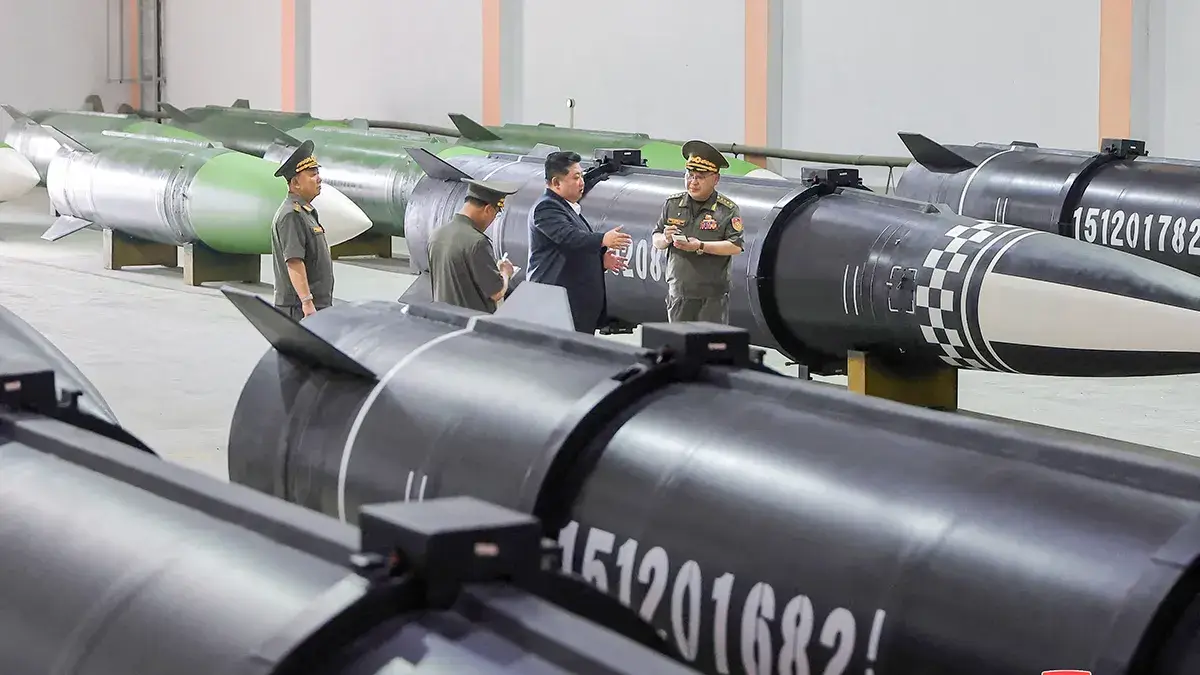
North Korea has denounced the new extended deterrence document between the United States and South Korea – which reinforces the role of nuclear submarines, strategic bombers and other vectors – as proof of an ‘openly hostile policy’.
Pyongyang has responded by announcing a reinforcement of its ‘preventive nuclear war’ doctrine, in line with its latest missile tests.
Minor incidents involving exchanges of fire have been reported in the demilitarised zone and on the western maritime border, while Seoul is proposing military talks to prevent accidental escalations.
Various Western sources also point to the presence of North Korean personnel in the Russian region of Kursk, performing combat or logistical support functions, a claim that Moscow and Pyongyang deny.
Implications:
The Korean peninsula is consolidating its position as a permanent theatre of nuclear tension. No one in the capitals involved seriously believes in North Korean denuclearisation. The real debate is how to avoid miscalculations that could lead to catastrophe.
The Moscow-Pyongyang axis is strengthening. If the presence of North Korean troops in support of Russia is confirmed, we would be looking at a clear exchange: military manpower in exchange for missile technology and energy resources. This is a qualitative leap in the cooperation between two deeply revisionist states.
Europe underestimates a risk that directly affects it. A crisis on the peninsula would impact markets, energy and supply chains.
However, the European debate on North Korea remains marginal and rhetorical.
Chile: polarisation between left-wing continuity and a hard right-wing shift
Facts:
The Chilean elections are heading for a second round between Jeannette Jara, the candidate of the governing coalition, which includes the Communist Party, and José Antonio Kast, the leader of a clearly conservative right wing.
Jara won the first round by a very narrow margin, with just over a quarter of the votes, followed by Kast with slightly less. Around 70% of the electorate opted for options to the right of the current government.
The backdrop is clear: concern about public safety, organised crime, irregular immigration and economic stagnation.
Implications:
Chile is becoming a testing ground for the new polarisation in Latin America. On the one hand, there is a left that has lost some of its generational and reformist aura. On the other, there is a right that combines social conservatism, a heavy hand and anti-immigration rhetoric.
The narrative of ‘order at any price’ is gaining ground. The failure to provide security and prosperity is opening the door to solutions that sacrifice freedoms in the name of stability. Chile, with its institutional tradition, is a decisive test case.
The regional impact is more symbolic than material, but significant. A victory for Kast would consolidate the perception that the Latin American progressive cycle is coming to an end and would give new arguments to similar forces in the region.

West Africa: Nigeria, between internal violence and Washington's radar
Facts:
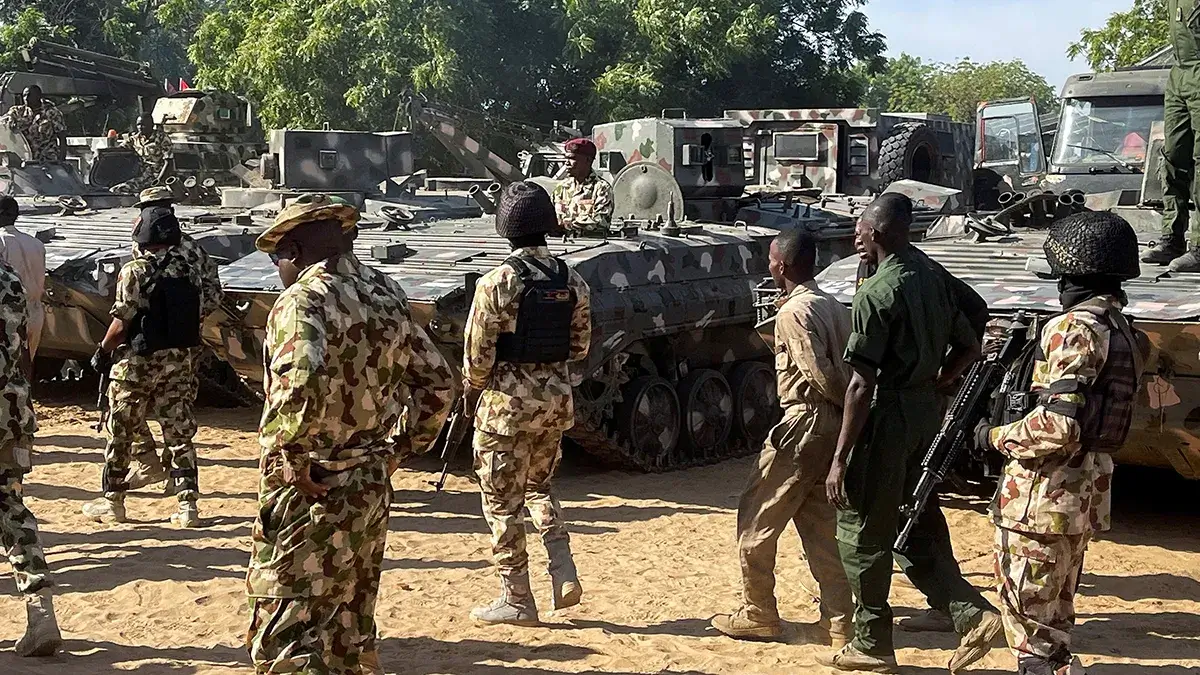
In north-western Nigeria, armed men have kidnapped at least 25 female students from a boarding school in Kebbi state, after killing the deputy headmaster and a guard.
The pattern mirrors previous episodes in the strip stretching from Nigeria to Niger and Burkina Faso, where criminal gangs and jihadist groups operate.
At the same time, recent statements by President Trump have alluded to the possibility of military action against Islamist groups in Nigeria, citing the persecution of Christians and the defence of religious freedom.
The Nigerian government has publicly rejected the accusations and insisted on its efforts to protect the entire population, regardless of their religion.
Implications:
The Nigerian state is under multidimensional pressure. The inability to guarantee basic security erodes internal legitimacy and opens the door to community self-defence solutions with high destabilising potential.
The risk of externalising the fight against terrorism is evident. Even limited external military intervention in Nigeria could exacerbate internal divisions and project the image of a religious crusade, which is particularly dangerous in a country divided almost equally between Christians and Muslims.
Europe cannot afford to ignore Nigeria. Attention tends to focus on the French-speaking Sahel, but it is Nigeria – due to its demographic, economic and energy weight – that is the real pivot of stability in West Africa.
Southeast Asia: floods, landslides and blocked energy transition
Facts:
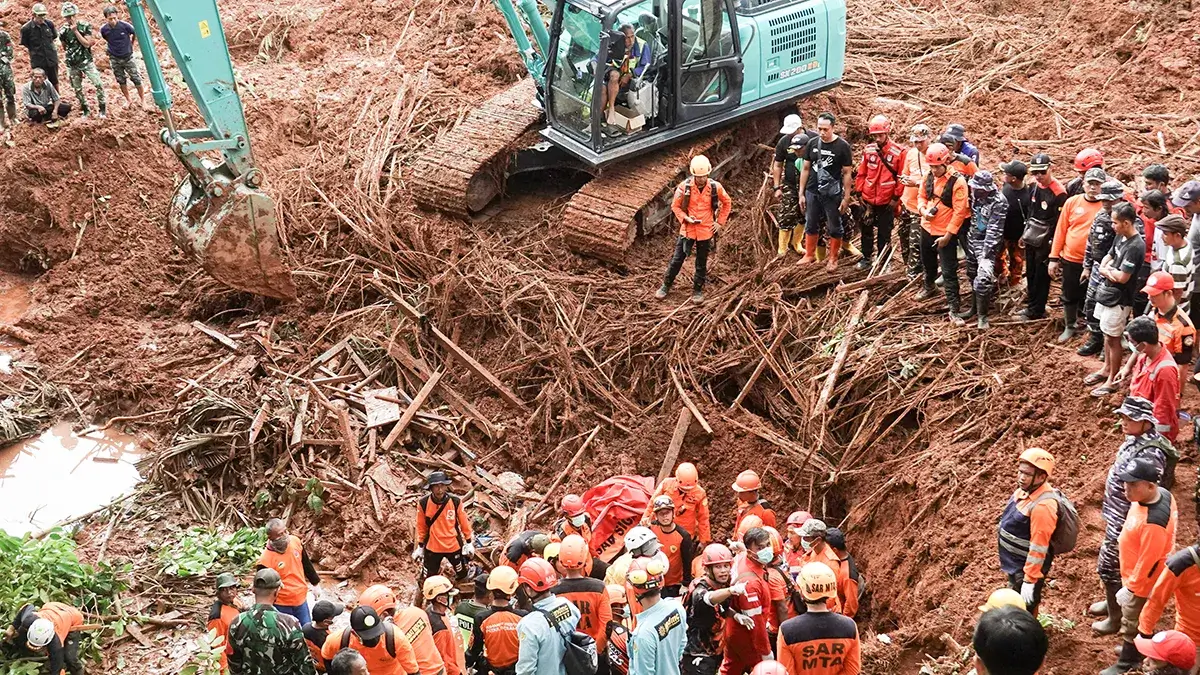
In Indonesia, landslides caused by torrential rains in Central Java have left dozens dead and missing; entire neighbourhoods have been buried under mud.
In Vietnam, floods and landslides in the central region have left at least half a dozen people dead, many injured and thousands isolated, with bridges and railway lines damaged.
These events are taking place while COP30 is being held, where Indonesia, among others, is reminding us that the $20 billion Just Energy Transition Partnership (JETP) to phase out 6.7 GW of coal by 2030 is virtually paralysed by a lack of effective disbursements.
Implications:
Extreme weather acts as a multiplier of political fragilities. Where there is poor urban planning, deforestation and corruption in infrastructure, a severe weather event becomes a national tragedy.
The climate credibility of developed powers is at stake. It is not enough to proclaim decarbonisation targets and talk about ‘loss and damage’. If landmark agreements such as the Indonesian JETP fail, the message to the global South is devastating.
China appears to be the lender of last resort. If Western funding does not materialise, the temptation to turn to Chinese banks to maintain or replace coal and gas power plants will be very strong. We will pay the geopolitical price in the form of Beijing's influence in a strategic Indo-Pacific axis.
Critical minerals: tactical truce in the rare earths war
Facts:
Beijing has agreed to modulate the application of new restrictions on the export of certain critical minerals and processed products – including some linked to semiconductors and clean technologies – giving its customers more time.
There is no full reversal: China retains control over rare earths, graphite and other materials, but is granting licences and deadlines that provide short-term relief for US and European supply chains.
Implications:
Managed interdependence prevails over complete decoupling. Neither Washington nor Beijing can afford to break the value chains of critical minerals without inflicting severe damage on themselves. This tacit truce is a recognition of that reality.
Europe still has no seat at the negotiating table. The standoff is essentially between the United States and China. Brussels, Berlin and Paris are suffering the consequences and seeking to diversify their suppliers, but they are not setting the pace of the game.
The global South is learning its lesson. Countries with significant reserves of lithium, copper, nickel or cobalt clearly perceive that their resources are a lever of influence. The geopolitics of minerals will be one of the keys to power in the coming decades.

Media rack
Generalist US press
- Focus on the resolution on Gaza, presented as Trump's big personal gamble, and on the Russian offensive in Pokrovsk.
- Relevant coverage of Hasina's conviction and the sabotage in Poland, but as pieces fitting into the narrative of ‘attacks on democracy’ and ‘aggression against the international order’.
- The climate dimension and the energy transition crisis in Indonesia appear, but far behind the war and US domestic politics.
Anglo-Saxon economic press
- In Gaza, emphasis on reconstruction and investment: water, energy, infrastructure and possible international consortia to manage the process.
- In Ukraine, focus on Operation Rafale, financing via Russian assets and railway contracts, with detailed analysis of French and Ukrainian budgetary sustainability.
- Prominent mention of the truce on critical minerals and the risk of energy transition partnerships with Indonesia and other countries failing.
Continental European press
- Gaza and the Palestinian state as a major moral and political debate: to what extent should the EU support a scheme that looks too much like a protectorate?
- Extensive coverage of Hasina's conviction as a symbol of global democratic erosion and the fragility of transitions.
- Concerned reading of France's role in Ukraine and Germany's paralysis, with the trip to Beijing as a sign of a Germany seeking mediation where it once exercised leadership.
Arab and Gulf media
- Gaza takes centre stage: Security Council vote, role of Saudi Arabia and Qatar, dilemmas of Egypt and Jordan.
- Trump's plan is presented in terms of external guardianship vs. humanitarian relief, with sharp differences between more critical networks and media aligned with Gulf monarchies.
- Significant attention is paid to Hasina's conviction and the possibility of Bangladesh shifting towards China.
Israeli and Palestinian media
- Focus on the tension between security and national identity: the international force is welcomed by many as a guarantee of security, but the reference to the Palestinian state is perceived as an existential threat by sectors of the right.
- Palestinian media emphasise the protective nature of the force and the absence of a firm commitment to statehood.
Russian and Chinese media
- Gaza is presented as an example of double standards and ‘humanitarian colonialism’ led by the United States.
- Ukraine is portrayed as a war that Russia is winning through attrition, while the West promises weapons that it does not deliver.
- The China-Japan crisis fits into the usual narrative: Japan is ‘reviving its militarism’ at the instigation of the United States.
South Asian and Southeast Asian media
- The condemnation of Hasina, especially in India, is directly affected.
- Climate disasters in Indonesia and Vietnam occupy important spaces, linked to the failure of international financing for the energy transition.