Gustavo de Arístegui: Geopolitical analysis of 2 September

- Eurasia / SCO Summit and hybrid warfare
- Gaza / Wider Middle East
- Ukraine and the European front
- Indo-Pacific / Technological warfare
- Latin America
- Editorial closing
Eurasia / SCO Summit and hybrid warfare
Summary: Tianjin consolidates the multipolar scenario (Xi-Putin-Modi) while the EU reports that von der Leyen's plane suffered GPS jamming over Bulgaria: the grey area of the dreaded hybrid warfare now also affects European civil aviation.
The SCO (Shanghai Cooperation Organisation) met in Tianjin with Xi, Putin and Modi in attendance. Beijing is projecting an alternative economic and financial umbrella to the dollar in order to take a further step in challenging US power, as well as to attract all regimes considered pariahs or outlaws by most Western powers. The whitewashing of Iran and Russia and the counter-offensive via secondary punitive tariffs are a wake-up call for the US and the EU: pariah states can survive in the 21st century even with the scorn and sanctions of the West.
For its part, Moscow wraps it up in the narrative of ‘indivisible security’; Putin boasts of ‘understandings’ with Trump at the Alaska summit (15 August) as a prelude to a political path for Ukraine, implying that he will get his way without making significant concessions.

India maintains its balancing act: strategic autonomy with three-way dialogue. Prime Minister Modi has let his aides know that he is outraged with Trump. They have even leaked to the media that Modi has not taken Trump's phone calls on four occasions. India's relationship with Russia goes back a long way, and in fact, Russian support for India in its wars against Pakistan is not forgotten in that country. Pushing India into Russia's arms and giving the two Asian giants a reason to smooth over their many tensions (India and China have been at open war and have very strong territorial disputes) is an immense geostrategic blunder. It is the same or worse than what Trump denounced in Alaska about the Europeans, of provoking a Sino-Russian rapprochement. India was seen as a bulwark against China (something they detest because they are fiercely independent and do not consider themselves allies of anyone). In fact, the BRICS had not evolved because of the deep rivalry between China and India. Thanks to the punitive secondary tariffs against China and India, the Trump administration is going to cause a geopolitical earthquake without recent precedent.
At the same time, Brussels confirms that Ursula von der Leyen's plane lost satellite signal due to GPS interference as it approached Plovdiv (Bulgaria); the European Executive points the finger at Russia. The aircraft landed using terrestrial navigation and non-automated procedures: this is a serious incident that adds to the casuistry of jamming/spoofing by Russia on the eastern periphery of the EU.
Key fact: Council and Commission speak of ‘GPS jamming’ and suspect Russian interference; the plane landed without incident in Plovdiv.
Gaza / Wider Middle East
Summary: Famine is ‘confirmed’ by the IPC system in the Gaza governorate and is projected to spread to the centre and south; Houthis launch a missile at the tanker Scarlet Ray near Yanbu; IAGS academics declare that the legal definition of genocide has been met (Israel denies this).
The IPC (UN and agencies) declared Phase 5 - Famine with ‘reasonable evidence’ in the Gaza governorate and predicts its spread to Deir al-Balah and Khan Yunis; WHO and OCHA align figures and call for full access. This is a qualitative leap on the humanitarian front.
The IAGS (International Association for Genocide Studies) passed a resolution stating that the military campaign ‘meets the legal definition of genocide’; Israel categorically rejects the accusation. The reputational and legal standoff escalates. Belgium announced that it will recognise the Palestinian State at the UN General Assembly this September and that it will impose sanctions on Israel.
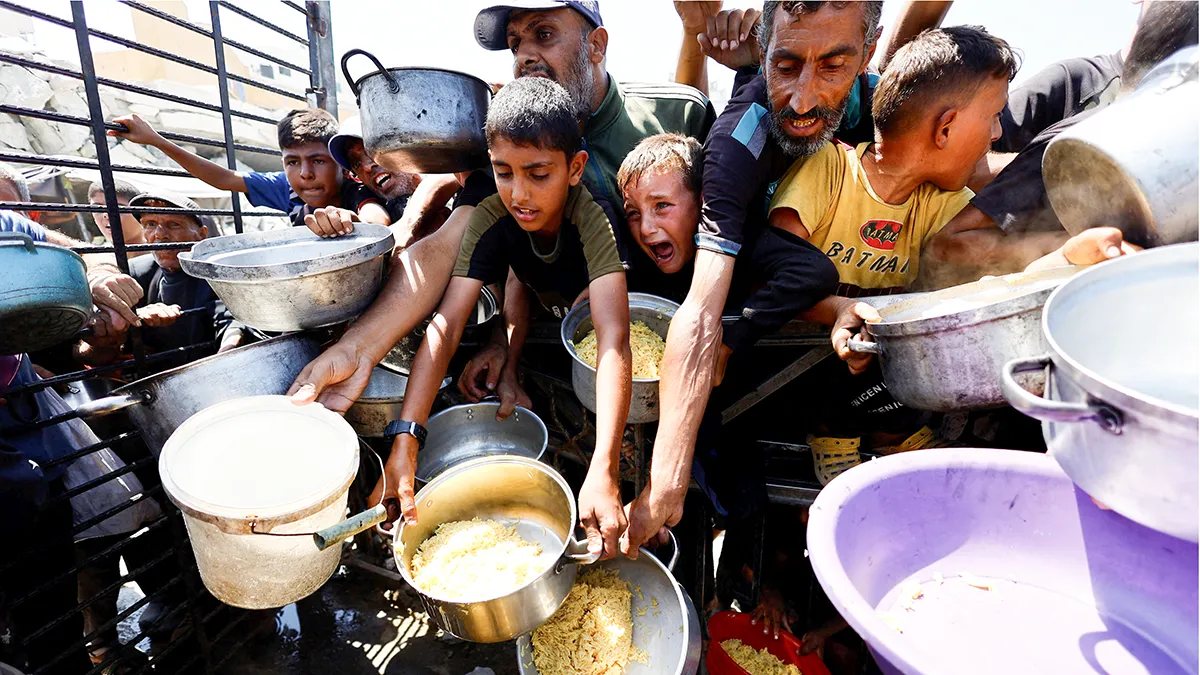
The situation in Gaza is dramatic, and the total destruction of all buildings in Gaza and the famine caused either as a strategy or through incompetence, or a combination of both, is absolutely reprehensible. It is quite another thing to confuse the terms. There is a difference between war crimes (we could be looking at actions that fall under this definition) and ethnic cleansing (another crime against humanity), but genocide is something else entirely, and the use and abuse of the term leads to the trivialisation of the most serious genocides in history, starting with the Holocaust.
The regional wave continues: the Houthis claim responsibility for a missile attack on the oil tanker Scarlet Ray (no damage), a rare attack off Yanbu (Saudi coast). The attack aims to disrupt energy shipping routes and freight in the Red Sea. In Yemen, rebels raided UN headquarters and detained at least 11 employees following recent Israeli attacks on their leadership.
Breaking news: the Global Sumud Flotilla attempted to set sail from Barcelona to Gaza, but rough seas forced it to return and resume its departure later. Political extremism does not sit well with solidarity; it contaminates everything, and no one can see anything other than the desire for prominence of histrionic ‘activists’ such as Greta Thunberg, who are only seeking personal promotion and not the welfare of the Palestinians. Too many public figures devote themselves to making brief appearances at tragedies, taking photos and then moving on to the next photo opportunity.
Key fact: Famine (IPC Phase 5) is already occurring in Gaza; failed Houthi missile strike against the oil tanker Scarlet Ray near Yanbu (Saudi coast).
Ukraine and the European front
Summary: Extraordinary NATO-Ukraine Council meeting after new bombings; Paris convenes ~30 countries from the ‘coalition of the willing’ for post-war security guarantees; Putin invokes Alaska ‘understandings’.
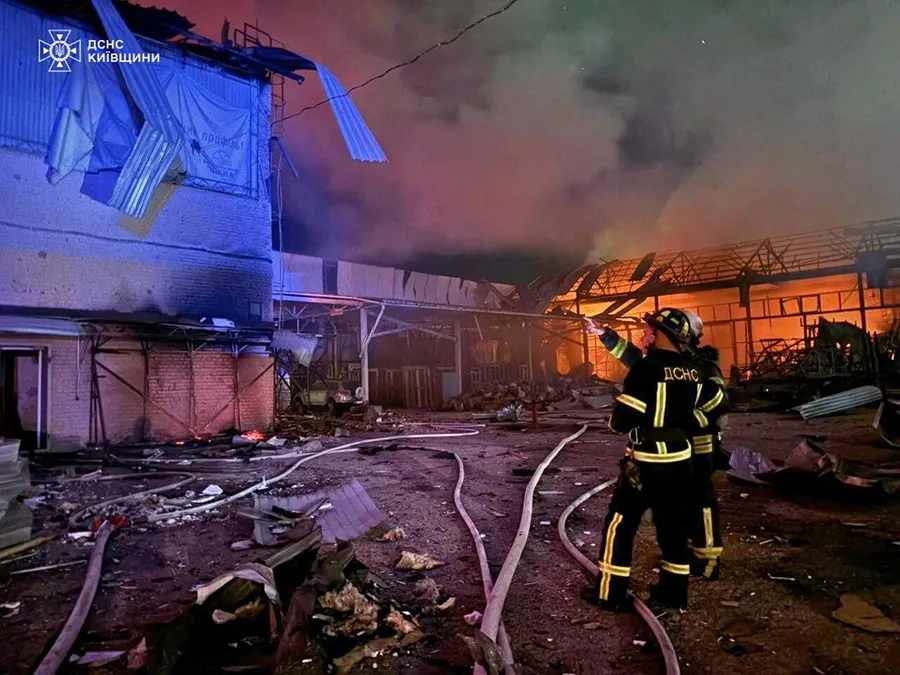
At Kiev's request, NATO held an emergency meeting of the NATO-Ukraine Council over the latest massive Russian attacks (missiles/drones). Kiev reiterates Patriot and long-range as a priority.
The Paris meeting (Thursday) — co-chaired by Macron and Starmer with Zelensky — will seek to establish the framework for guarantees: training, financing, ISR and multinational deterrence ‘post-agreement’. This is the institutional piece that was missing if a ceasefire is to mature.
From Tianjin, Putin assured that the ‘understandings’ with Trump in Alaska (15 August) ‘pave the way’ for peace, although the summit did not conclude any agreement; dominant reading: Moscow gains narrative leverage but maintains its maximum demands.
Key fact: Paris is bringing together ~30 countries on Thursday to outline guarantees to Ukraine; the NATO-Ukraine Council was held on 1 September.
Indo-Pacific / Technological warfare
Summary: Washington revokes exemptions for Samsung and SK Hynix for equipment in China; they must apply for licences (no expansion/upgrade). Falls in Seoul and signal effect on memory supply chain.
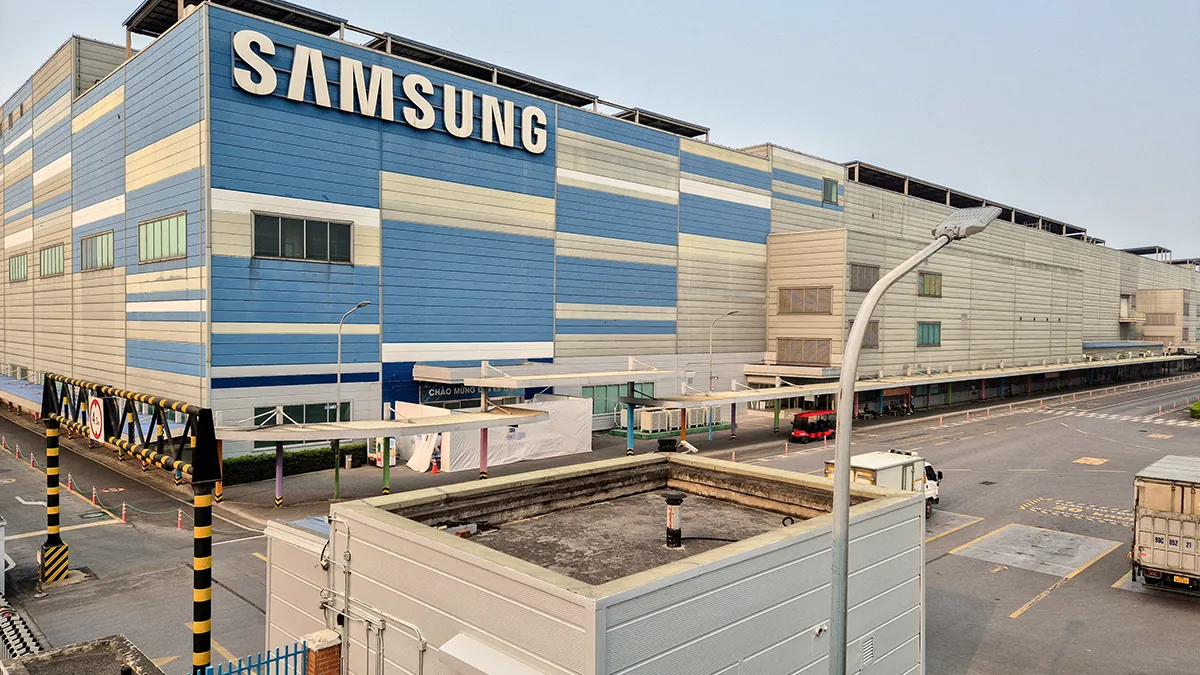
The US Department of Commerce withdrew the waivers that allowed Samsung and SK Hynix to import US equipment for their fabs in China without individual licences. A 120-day window is now open and, according to the regulator itself, future licences would allow them to operate but not to expand/modernise. Market: SK Hynix −~5%, Samsung −~2-3%. This puts pressure on the Chinese DRAM/NAND footprint and gives Micron some breathing room.
In geopolitical terms, the measure coincides with the SCO in Tianjin, where Xi and Modi are staging a pragmatic thaw and selective cooperation, while both gauge the costs of technological fragmentation.
Key fact: US revokes authorisations; Seoul reacts: SK Hynix −4.8% and Samsung −~3% on the day.
Economy, energy and cyber risks
Summary: Brent closes in the ~$67-68 range and the UK manufacturing PMI falls to 47.0; Europe accelerates energy resilience in the face of cyber/hybrid threats (cables, pipelines, NG, GPS).
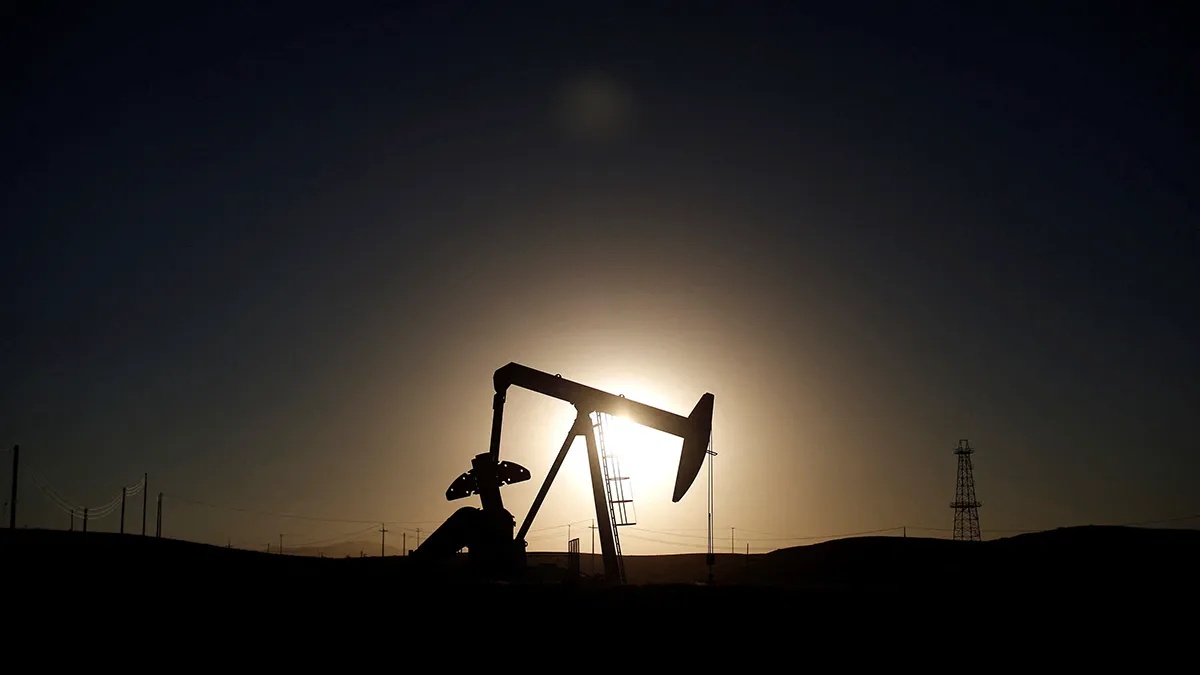
Oil remains stable-firm: closing references at ~$68 for Brent and ~$64-65 for WTI. Factors: slightly weaker dollar and geopolitical risk (Red Sea/Black Sea).
UK manufacturing PMI (Aug) at 47.0 (contraction): weak orders and exports, cost pressure and tariffs.
Energy and cyber security: Brussels and European think tanks warn of hybrid threats (GPS, submarine cables, oil/gas pipelines) and call for increased resilience in generation and networks. WSJ and the EU document increased risk — including Russian campaigns — and recommend tougher regulations, exercises and intelligence sharing.
Key data: Brent ~$68.1; UK PMI 47.0; EU raises the bar for cyber protection of electricity/energy infrastructure.
Latin America
Summary: The decisive phase of Bolsonaro's trial for the 8 January plot begins; in Argentina, Milei navigates between austerity, social fronts and the new programme with the IMF (£20bn) in a highly charged political autumn.
Brazil's Supreme Court enters the final stage of Jair Bolsonaro's trial for the alleged plan to annul the 2022 elections. The hearing resumes today/Tuesday with a panel of five judges and relevant sentencing scenarios. Regional context: test of institutional resilience and social polarisation.
In Argentina, macroeconomic readjustment continues following the $20 billion EFF agreement with the IMF (initial disbursement of $12 billion in April and successive reviews). At the same time, social unrest and political noise are growing ahead of the provincial election cycle.
Key fact: Brazil: verdict and sentencing in the 8-Jan case this week; Argentina: $20 billion IMF programme in place with strong conditionality

Editorial closing
Tianjin sets the pace: multipolarity and China's claim to become the leader of the Global South to stand toe-to-toe with the US, the West and its allies
No progress on a Ukraine-Russia peace agreement, and worrying signs of an intensification of Russia's hybrid war against the EU.
Gaza enters famine (IPC level 5 out of 5 possible).
The Red Sea is once again a geopolitical hotspot: Houthis attack (unsuccessfully) an oil tanker off the Saudi coast.
NATO-Ukraine emergency meeting; Paris attempts to secure guarantees on Thursday.
Chips: US tightens rules on Samsung/SK Hynix; impact on stock markets and supply chains.
Markets: Brent ~$68; UK PMI 47.0; Europe accelerates cyber-energy shielding.
Latin America: Bolsonaro's trial enters decisive stage; Argentina-IMF continues to shape macroeconomics despite significant improvements in inflation and other macroeconomic indicators.