Gustavo de Arístegui: Geopolitical analysis of 7 November 2025


- Approval of the £1 billion salary package for Elon Musk at Tesla
- Trump administration agreements to reduce prices of obesity drugs (GLP-1)
- German general warns of possible limited Russian attack on NATO
- Massive expansion of missile production sites in China since 2020
- Police raids in Spain against the first cell of “Tren de Aragua”
- Flight cancellations in the US due to government shutdown
- Commissioning of China's third aircraft carrier, the Fujian, the most advanced and largest to date
- US forces attack another Venezuelan drug traffickers' narco-boat in the Caribbean
- Confirmation of famine in Sudan and international paralysis
- Economic uncertainty in the US (‘Foggy Bottom’)
- Structured Analysis by Media
Approval of the £1 billion salary package for Elon Musk at Tesla
Facts:
More than 75% of Tesla shareholders approved a compensation package for Elon Musk valued at up to $1 trillion (with an estimated net value of $878 billion). The package is contingent on raising the company's market capitalisation (from $1.5 trillion to $8.5 trillion) and meeting demanding operational targets in artificial intelligence (AI), humanoid robotics and autonomous driving.
Implications:
This agreement safeguards Tesla's technological continuity, but highlights the concentration of power in disruptive figures. It promotes key innovations for the energy transition, but exacerbates economic inequalities and corporate governance risks, further straining Musk's conflicts of interest with xAI.

Trump administration agreements to reduce prices of obesity drugs (GLP-1)
Facts:
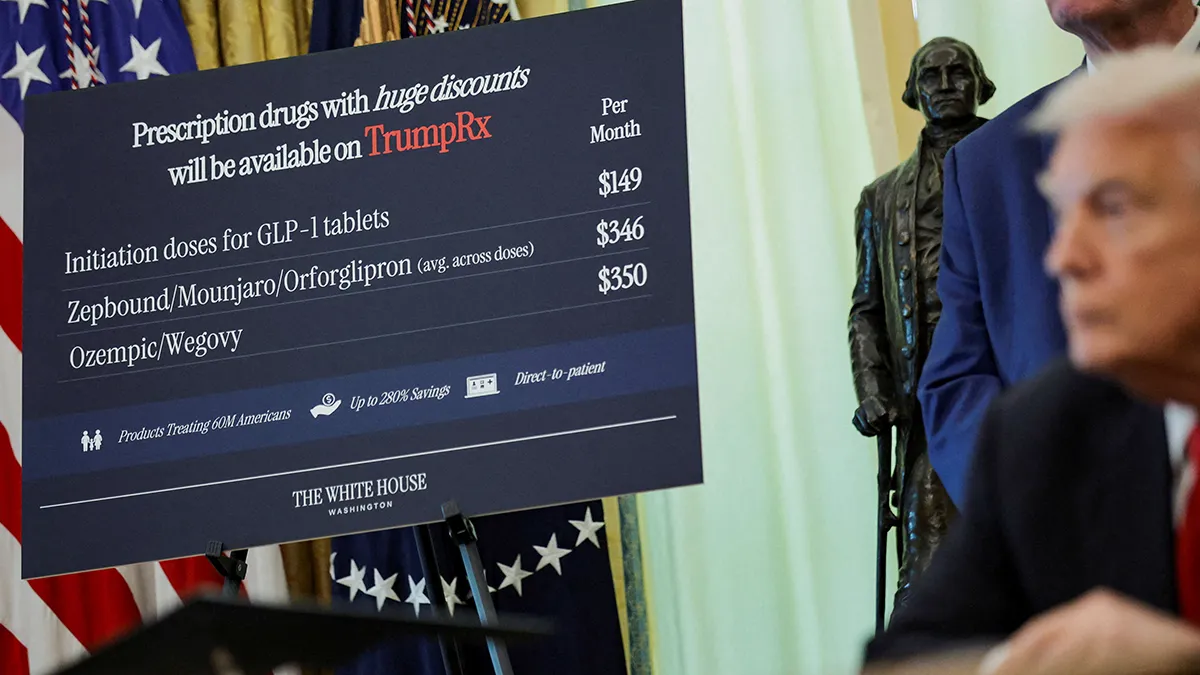
The Trump administration announced agreements with Eli Lilly and Novo Nordisk to offer GLP-1 drugs at reduced prices, expanding access in Medicare and Medicaid. The announced prices include $50 copayments for Medicare beneficiaries, a government price of $245, a cash cost of $350 (via the TrumpRx platform) and $149 per month for initial oral doses. The agreement was reached in exchange for tariff exemptions and accelerated regulatory reviews.
Implications:
The measure tackles the high cost of medicines in the US and promotes public health, but raises questions about corporate subsidies and whether it addresses the root causes of obesity. It reinforces the ‘America First’ agenda in pharmaceutical trade and puts pressure on insurers to recalibrate prices.
German general warns of possible limited Russian attack on NATO
Facts:
Lieutenant General Alexander Sollfrank (German Joint Operations Command) stated that Russia has the capacity for a limited attack on NATO territory ‘even tomorrow,’ even if it is tied up in Ukraine. He warned that Moscow could launch a large-scale attack by 2029 if its current pace of rearmament continues.
Implications:
This warning highlights the fragility of European deterrence and identifies the 2025-2029 window as critical. It urges NATO to strengthen itself (multi-layered air defence, ammunition and logistics on the eastern flank) to prevent escalation, exposing how the war in Ukraine has emboldened Moscow.

Massive expansion of missile production sites in China since 2020
Facts:
CNN analysis and satellite data reveal that more than 60% of 136 Chinese missile-related facilities have expanded significantly since 2020, adding 2 million square metres. Experts interpret this as preparation for ‘mass production’ and the ability to overwhelm enemy defences.
Implications:
This arms escalation accelerates a new arms race in Asia-Pacific, seriously eroding regional stability. Military competition enters an accelerated industrial phase (A2/AD), forcing the West, Japan and Australia to rethink containment strategies and urgently develop and integrate missile defences.

Police raids in Spain against the first cell of “Tren de Aragua”
Facts:
The Spanish National Police arrested 13 people in several cities, dismantling the first operational cell of the Venezuelan gang “Tren de Aragua” in the country. Drugs were seized and laboratories (including tusi laboratories) were dismantled.
Implications:
The expansion of this dangerous and highly violent transnational criminal network into Europe highlights internal security vulnerabilities. Spain faces a very aggressive and dangerous multi-faceted and multi-dimensional crime (human trafficking, extortion, drugs) that requires greater international cooperation (with Colombia, Chile and Peru) and stronger criminalisation of this type of crime in order to combat its expanding networks and logistical routes.

Flight cancellations in the US due to government shutdown
Facts:
Airlines have cancelled thousands of flights since 7 November due to mandatory cuts imposed by the FAA at 40 key airports (including Atlanta, Dallas and New York). The cuts, which will reach 10%, are caused by a shortage of air traffic controllers during the shutdown.
Implications:
This logistical chaos illustrates the tangible cost of political polarisation in the US, affecting travel, tourism and trade. It lays bare the fragility of critical infrastructure when politics blocks operating budgets.

Commissioning of China's third aircraft carrier, the Fujian, the most advanced and largest to date
Facts:
China commissioned its most advanced aircraft carrier, the Fujian, significantly boosting its naval fleet amid growing tensions with the United States and Taiwan and its neighbours in the South China Sea.
Implications:
This military advance strengthens China's power projection (A2/AD) in the Indo-Pacific, intensifying naval rivalries and urging alliances such as the QUAD to counter Beijing's expansionist ambitions.

US forces attack another Venezuelan drug traffickers' narco-boat in the Caribbean
Facts:
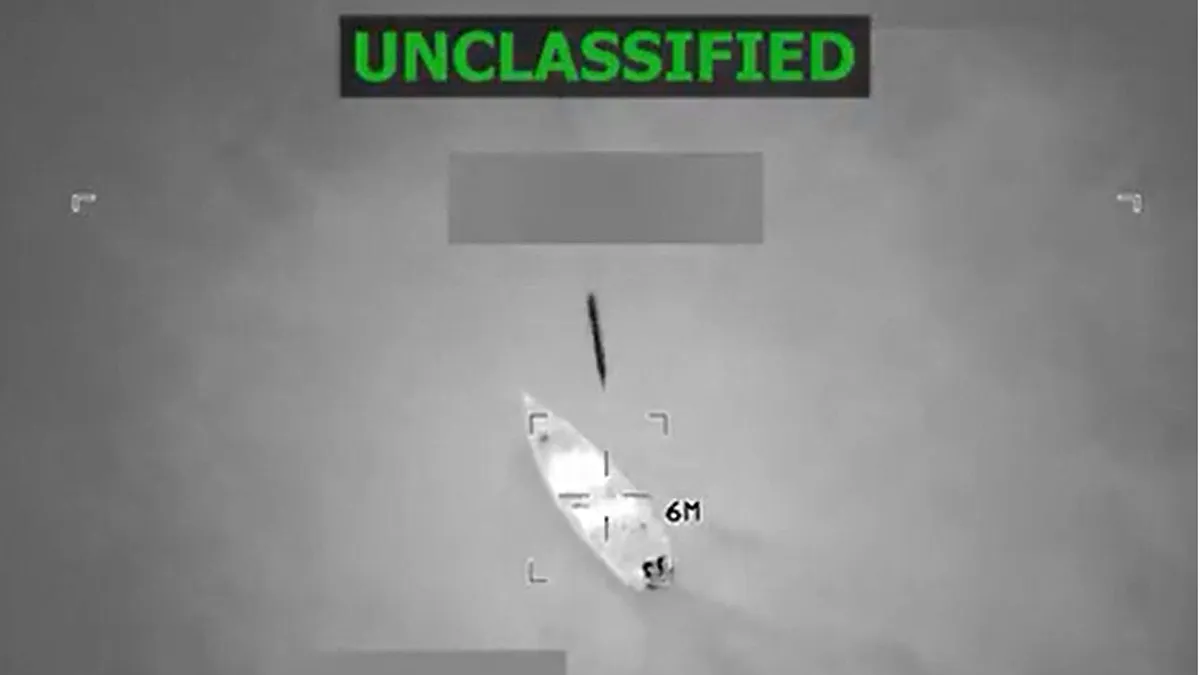
The Pentagon confirmed an attack that eliminated three narco-terrorists on a vessel belonging to drug trafficking networks in the Caribbean, as part of intensified operations against Colombian cartels and the Venezuelan narco-dictatorship.
Implications:
This reflects the intensification of the war on drugs under the Trump administration, but raises risks of regional escalation and opens ethical debates about the proportionality of military interventions in international waters.
Confirmation of famine in Sudan and international paralysis
Facts:
The IPC (food security classification) system formally confirmed famine (Phase 5) in Al-Fashir and Kadugli (Sudan). The UN Security Council condemned the assault by the savage Rapid Support Forces (RSF) and warned of ethnic atrocities, while the humanitarian catastrophe is exacerbated by diplomatic paralysis.
Implications:
This is currently the largest humanitarian disaster. It requires a real arms embargo and guaranteed humanitarian corridors. Failure to mediate threatens regional spillover and an increase in migration flows to the Mediterranean.

Economic uncertainty in the US (‘Foggy Bottom’)
Facts:
The US economy is showing contradictory signs (‘foggy bottom’). Relative strength is observed in employment and services, but this coexists with a decline in consumer confidence and serious logistical tensions resulting from the federal government shutdown.
Implications:
The macroeconomic picture is entering a grey area. Political shocks are beginning to undermine economic activity and the positive expectations that were emerging before the shutdown due to the lack of agreement on the spending ceiling between Democrats and Republicans. For Europe, the lesson is that regulatory and budgetary certainty is an essential competitive advantage.

Structured Analysis by Media
NYT: The New York Times focuses on China's naval expansion with the Fujian aircraft carrier, seeing it as a direct challenge to US supremacy in the Pacific. This analysis highlights how Beijing, under Xi, seeks to project power beyond its shores, forcing Washington to strengthen alliances. In a balanced manner, the Times criticises Western inaction, but compromises its vision by urging dialogue to avoid escalation, reminding us that peace is built with diplomacy, not with armies.
Washington Post: The Washington Post denounces Israeli attacks on Lebanon and Chinese missile expansion, emphasising humanitarian risks. Its committed coverage warns how these actions erode regional stability, calling on the US to lead de-escalation efforts. Balanced in its facts, the Post does not hide its concern about aggressive policies that fuel cycles of violence.
The Times London: With no prominent coverage in recent searches, but typically conservative, The Times would have emphasised Russian threats to NATO, advocating a firm British response to preserve the Atlantic order.
The Telegraph: The Telegraph welcomes the US deployment in Syria and criticises anti-Israeli protests at sporting events, seeing them as victories against instability. Its committed tone supports pro-Western alliances, balancing them with warnings about economic costs.
The Guardian: The Guardian laments flight cancellations due to the shutdown and visits such as Orbán-Trump, seeing democratic erosion. Committed to progressivism, it balances this by urging resolutions that prioritise ordinary people over partisanship.
WSJ: The Wall Street Journal analyses Russian advances in Ukraine and Israeli withdrawals, focusing on economic impacts. Its balanced view commits to the free market, warning that prolonged conflicts damage global growth.
Financial Times: The Financial Times examines investments in Musk and COP30, highlighting opportunities in green technology. Balanced, it commits to criticising climate denialism, urging responsible corporate leadership.
Le Monde: Le Monde deplores the failure to reach 1.5C at COP30 and Musk-allied nominations at NASA, calling for multilateralism. Committed to European values, it balances this with hope for diplomacy.
Le Figaro: With no prominent coverage, but conservative, Le Figaro would support anti-Russian positions.
FAZ: No coverage, typically analytical on European issues.