Gustavo de Arístegui: Geopolitical analysis on 23 October

- Russia-Ukraine: Nuclear exercises and summit suspension
- Transatlantic sanctions on the Russian war machine
- Oil market reaction to sanctions
- Zelensky in Brussels and the use of frozen Russian assets
- Gaza: ICJ ruling and continuing violence
- J.D. Vance in Israel: ‘Ally, not vassal’
- Venezuela-Colombia: Verbal escalation on the border
- DW alert on Venezuelan transnational repression
- US expands ‘war on drugs’ to the Pacific
- Bolivia: EU praises democratic calm
- 2025 Sakharov Prize for journalists from Belarus and Georgia
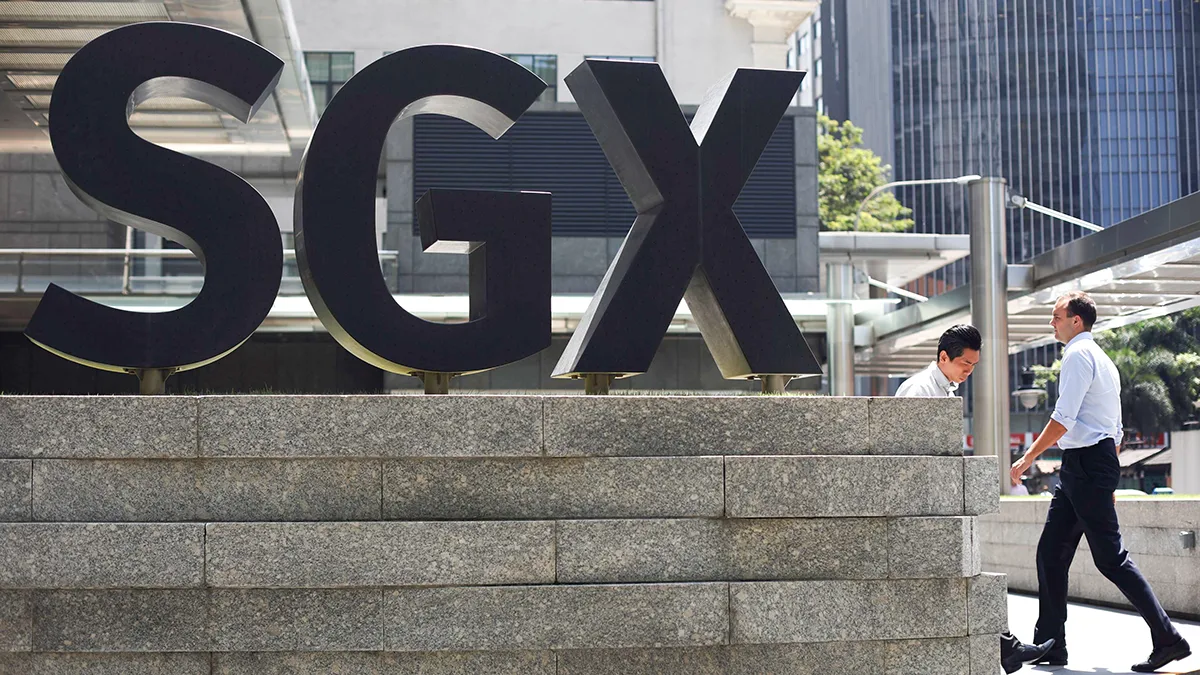
- Economy: gold volatility and Singapore warning
- US-China strategic competition in nuclear energy
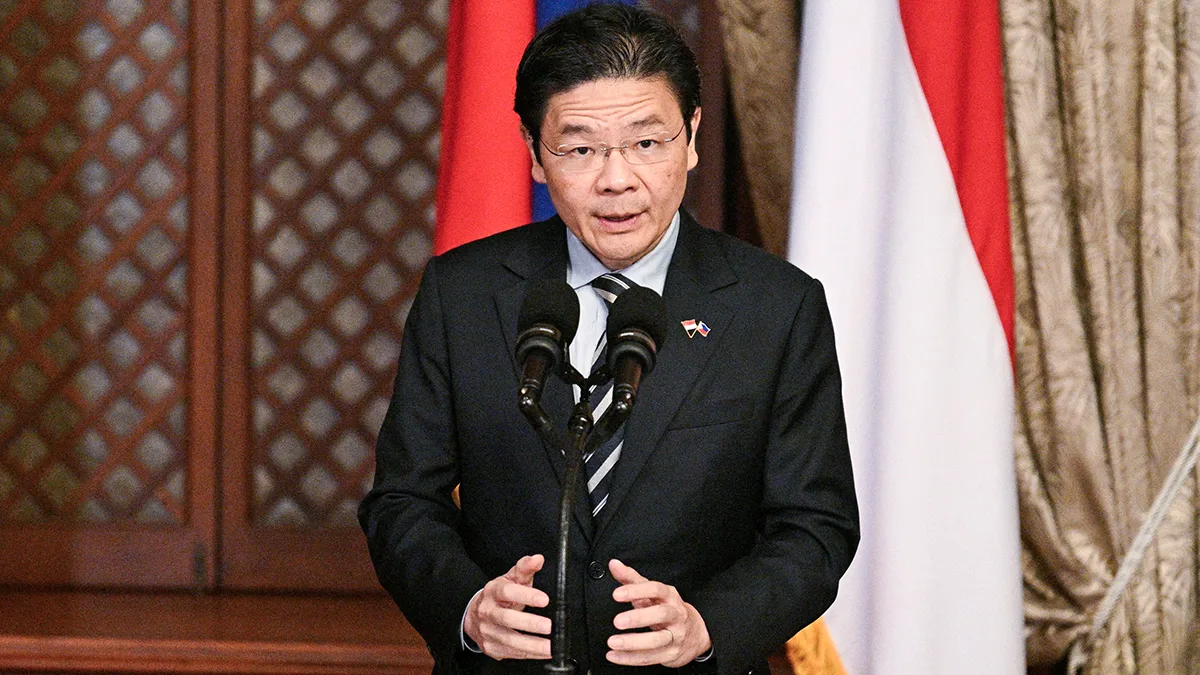
- Singapore Prime Minister warns of transition from US-dominated world to China-dominated world
- Media rack (representative selection from the last 24-48 hours)
- Editorial conclusion
Russia-Ukraine: Nuclear exercises and summit suspension
Facts:
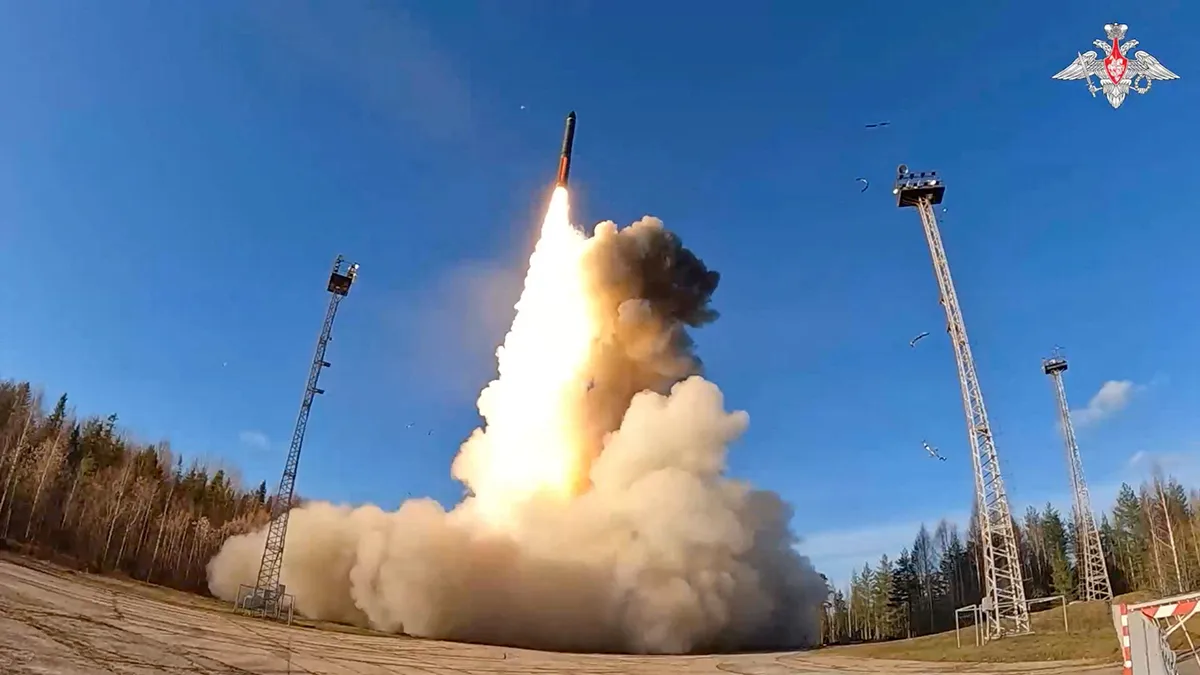
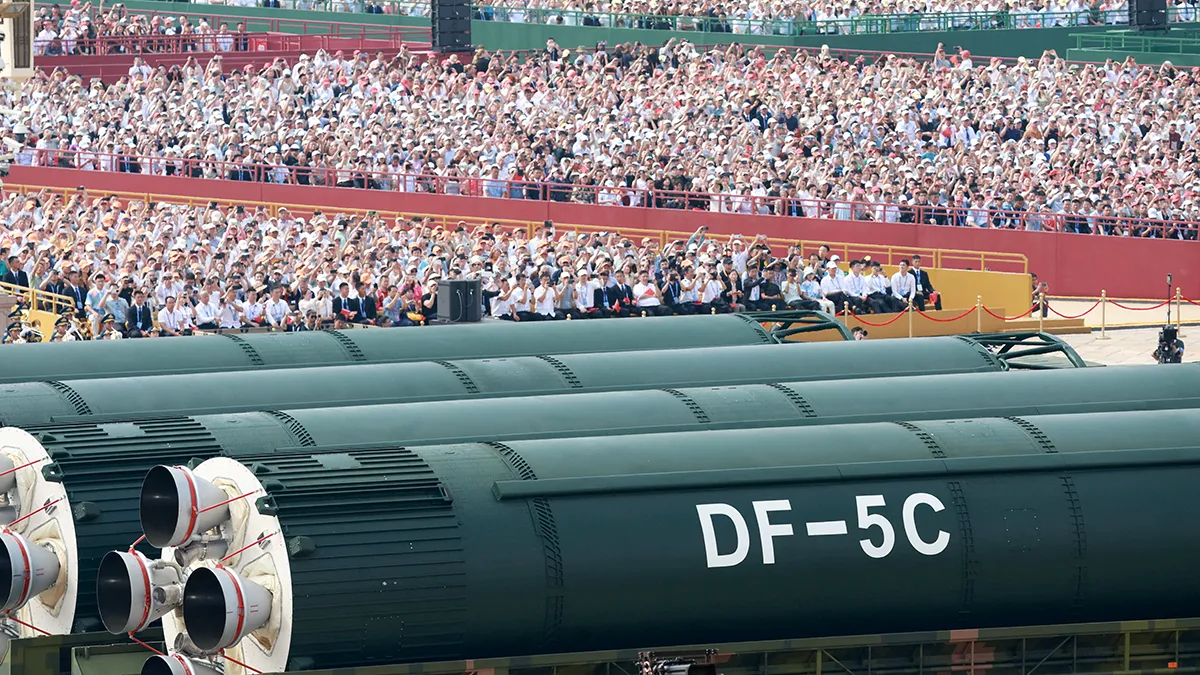
Russian President Vladimir Putin personally directed strategic nuclear forces exercises on 22 October. These included launches of Yars intercontinental ballistic missiles (from Plesetsk to Kamchatka), Sineva missiles from submarines in the Barents Sea, and cruise missiles launched from Tu-95MS bombers.
This comes one day after indefinitely suspending the summit with Donald Trump, scheduled to take place in Budapest. Moscow is demanding the complete cession of Donbas (Donetsk and Luhansk) and a total veto on NATO troops in Ukraine, rejecting proposals to freeze the current lines. At the same time, Russia launched massive attacks with more than 100 drones and missiles against Kyiv and eastern regions, killing at least seven civilians and wounding 35.
Implications (Analysis):
Putin is not only flexing his nuclear muscle to intimidate the West, but also seeking to perpetuate his 2022 aggression as the new norm, defying the UN Charter and the post-Cold War order. This escalation, reminiscent of the Cuban missile crisis, sets a dangerous precedent that could embolden global revisionists such as China in Taiwan. It erodes NATO deterrence and forces Europe into costly rearmament (with budgets targeting 3% of GDP by 2026).
A frustrated Trump imposes sanctions, but his desire to redirect resources to the Indo-Pacific indirectly rewards the invader by delaying peace. Without resolution, the conflict mutates into a frozen war, fuelling cyberwarfare, mass migration (9 million refugees) and consolidating an autocratic Russia-China-Iran axis that fragments multilateralism and undermines Ukrainian sovereignty as a moral imperative for democracies.
Transatlantic sanctions on the Russian war machine
Facts:
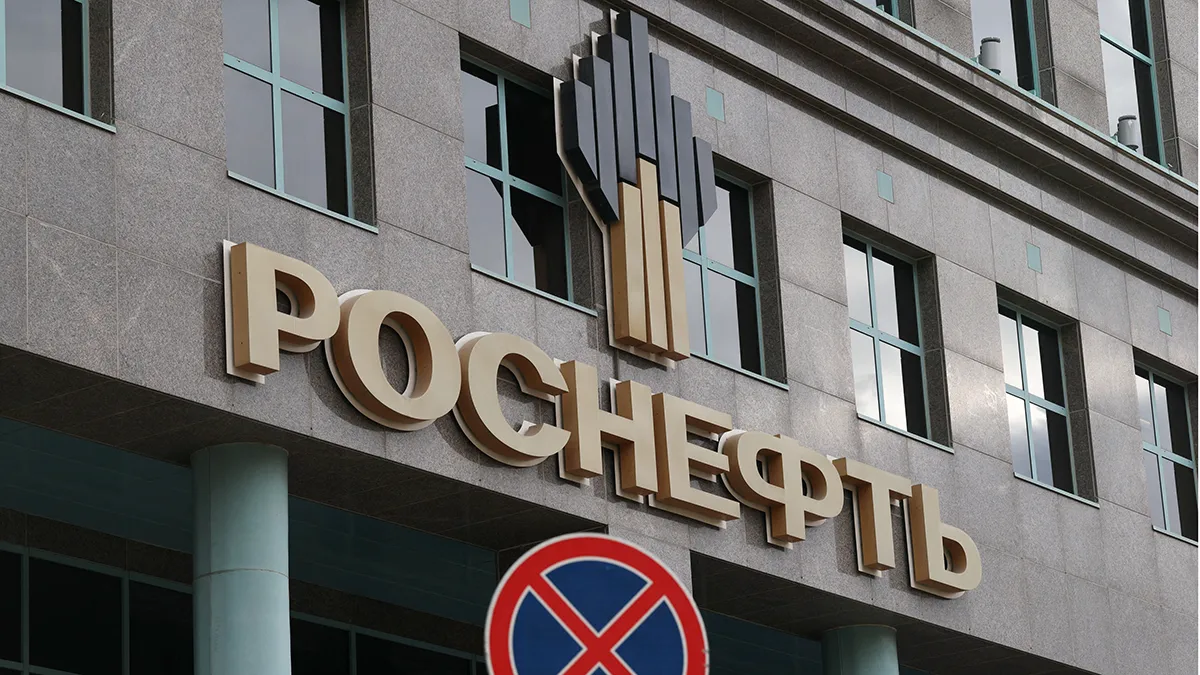
Washington imposed far-reaching sanctions (described by Trump as ‘tremendous’) against energy giants Rosneft and Lukoil. The measure, which blocks the firms and their subsidiaries from accessing the US financial system and dollar transactions, represents a significant policy shift for the Trump administration (previously focused on tariffs).
NYT sources attribute the action to frustration over Putin's refusal to negotiate (‘Putin was not honest’) following the cancellation of the Budapest summit. The Treasury (Secretary Scott Bessent) set 21 November as the deadline for the cessation of operations. In parallel, the EU approved its 19th package, banning Russian LNG (from 2027), targeting the ‘shadow fleet’ (117 vessels) and listing 12 entities in China and Hong Kong that facilitate circumvention.
Implications (Analysis):
The transatlantic pincer movement is aimed directly at the Kremlin's war chest and seeks to reorder global logistics chains. Secondary US sanctions (dollar blockade) are a direct threat to banks in China, the UAE and India. Compliance risk is growing exponentially for shipping companies, insurers and banks, which now have to choose between the US market and Russian oil.
If the EU maintains coordinated maritime surveillance (of the dark fleet) and the US activates financial extraterritoriality, Moscow will pay much more to move each barrel, strangling its revenues. Zelensky, from Brussels, welcomed the move as a sign that ‘aggression will not go unanswered’.
Oil market reaction to sanctions
Facts:
Following the coordinated announcements, the price of Brent crude rose by approximately 3% and WTI followed suit, amplified by lower US inventories. Indian state refineries (major buyers of Russian crude) are actively ‘reviewing’ their contracts, not for price, but to verify that their supplies do not originate directly from Rosneft or Lukoil, fearing secondary US sanctions and the 21 November deadline.
Implications (Analysis):
It is crucial to understand that this is a compliance shock (legal and financial risk), not an instant physical supply shock. India's reaction is key: if they and other European traders self-censor trades to protect their access to the dollar, a significant risk premium will be created and even greater discounts will be demanded from Russia, which will lose margin or volume on its exports.
Zelensky in Brussels and the use of frozen Russian assets
Facts:
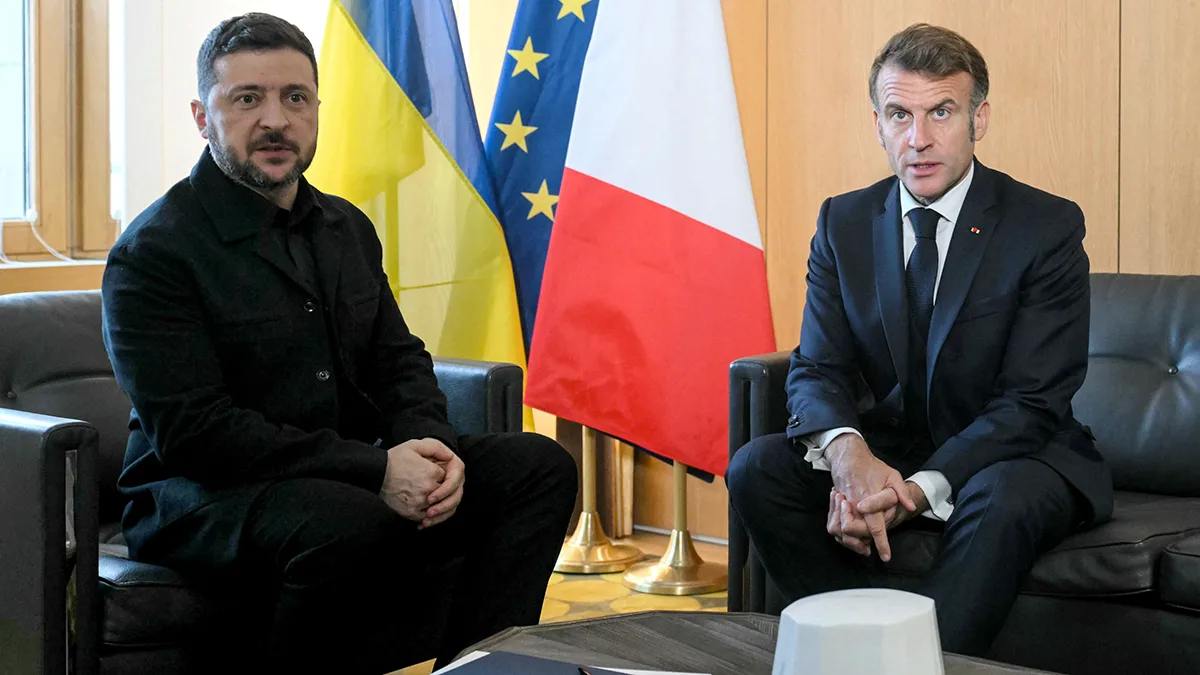
Ukrainian President Zelensky is participating in the European summit today to secure vital political and financial support. The leaders of the EU-27 are actively discussing a ‘reparations’ loan for Kiev, backed by the interests and related structures of blocked Russian assets. There is lively debate about the conditions of use and the necessary legal safeguards.
Implications (Analysis):
If the EU achieves a legally watertight mechanism, Kiev will gain crucial financial breathing space for 2026-2027 without socialising the entire cost among European taxpayers. However, if the final design is perceived as an appropriation of sovereign property, it will exponentially increase litigation (risk of litigation) and damage the reputational risk of the euro as a reserve currency. The Kremlin is already actively stirring up the narrative of ‘theft’ to deter third countries and is threatening mirror retaliation against Western assets.
Gaza: ICJ ruling and continuing violence
Facts:
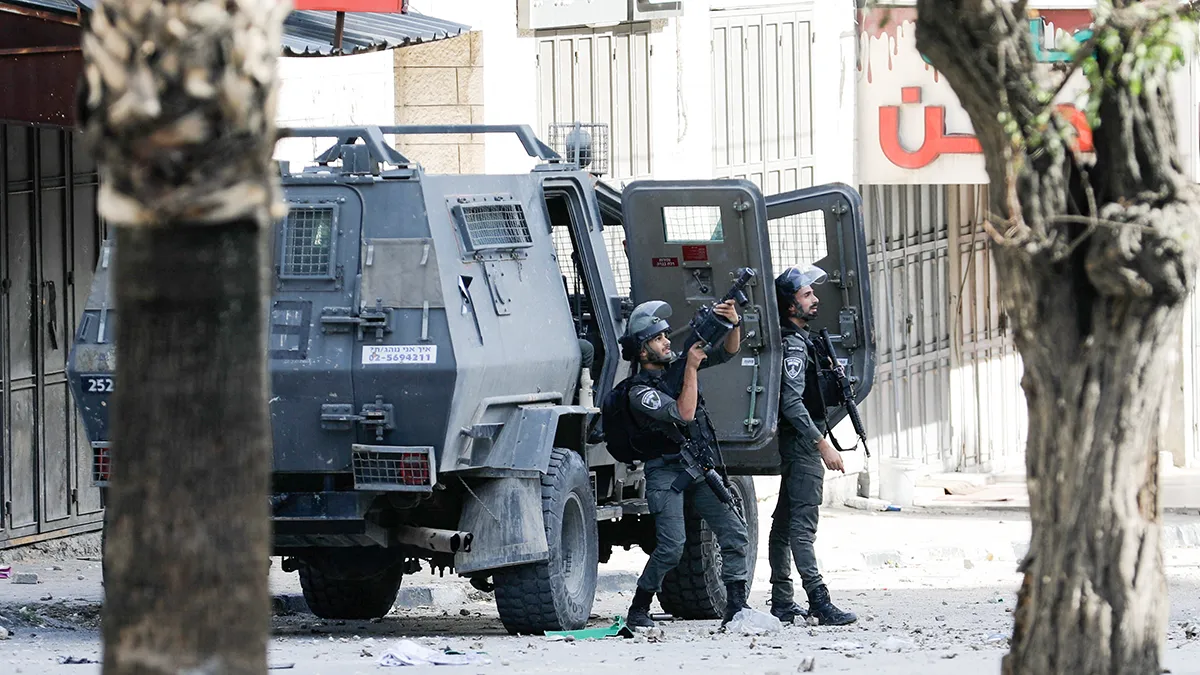
On 22 October, the International Court of Justice (ICJ) issued an advisory (non-binding) opinion stating that Israel, as the occupying power, must ensure basic needs in Gaza. The ruling requires facilitating UN aid plans (including UNRWA) and refraining from using hunger as a weapon of war, following accusations of insufficient supplies (only 200 trucks per day compared to the 600 required). Israel rejected the ruling as ‘shameful’ and biased. Despite the 10 October ceasefire, targeted Israeli attacks killed 13 Palestinians in 24 hours, while Hamas handed over 15 bodies of hostages. The UN reports 67,000 cumulative deaths since 2023.
Implications (Analysis):
This ruling highlights Israel's ethical failure to prioritise humanity over security, violating the Geneva Convention and perpetuating cycles of violence that radicalise future generations, as seen in Lebanon and Yemen. Without real disarmament of Hamas (which maintains a 600 km network of tunnels), the truce is fragile, risking the rearmament of Iranian proxies and disruptions to key maritime routes (20% of global trade via Suez).
Reconstruction (estimated at $60 billion) requires a moderate Palestinian civil authority and educational deradicalisation. The lack of effective multilateralism (vetoes in the Security Council) exposes Western hypocrisy, fuelling anti-Western sentiment and mass migration that destabilises Europe.
J.D. Vance in Israel: ‘Ally, not vassal’
Facts:
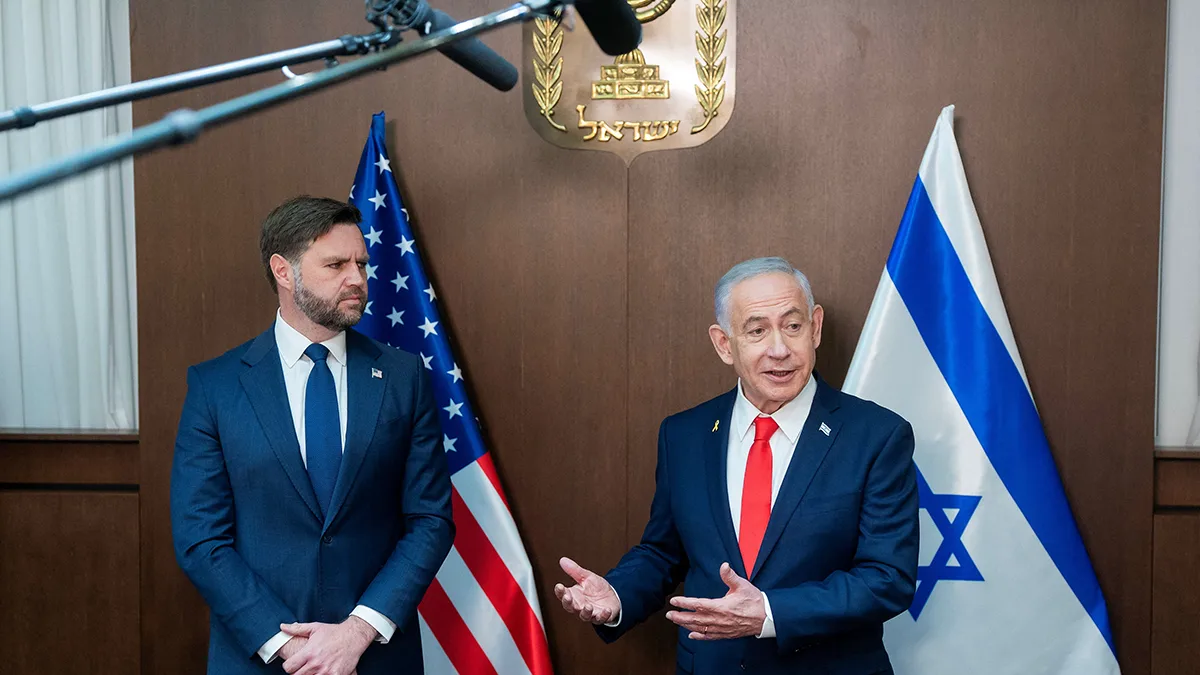
US Vice President J.D. Vance, during a meeting with Netanyahu in Jerusalem on 22 October, acknowledged the ‘great difficulty’ in disarming Hamas and rebuilding Gaza. He stated that Israel ‘is not a vassal state’ and that the ceasefire is progressing ‘better than expected,’ although the truce (which reduced hostilities by 82%) continues to see violations.
Trump's plan includes an international peacekeeping force, but Hamas now rejects disarmament. It had agreed to disarm heavy weapons while demanding to keep assault rifles (weapons of war) for ‘self-protection.’
Implications (Analysis):
Vance's admission exposes the precariousness of the truce, where the moral imperative of peace clashes with the military objective of eradicating terrorism, perpetuating instability that exports radicalism. The US is attempting to balance Israeli security with humanitarian relief without undermining its own legal credibility. If supplies to the UN/UNRWA do not improve and selective Israeli action continues, the diplomatic rift with Europe will widen, eroding Washington's diplomatic capital.
Venezuela-Colombia: Verbal escalation on the border
Facts:
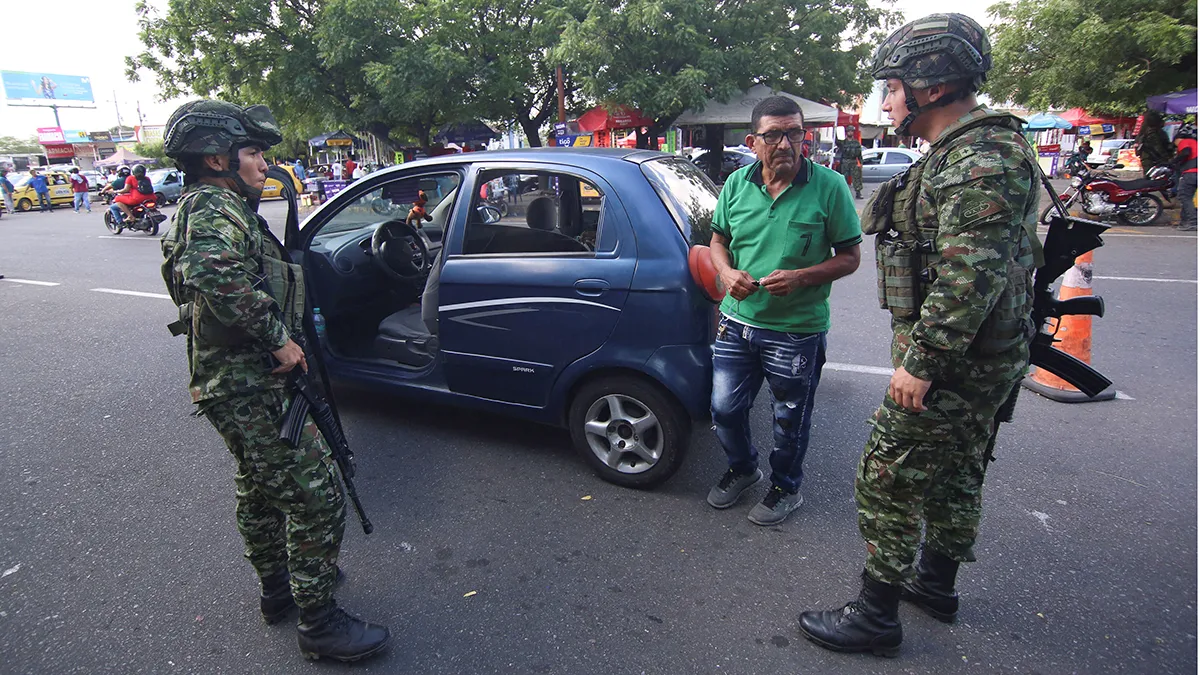
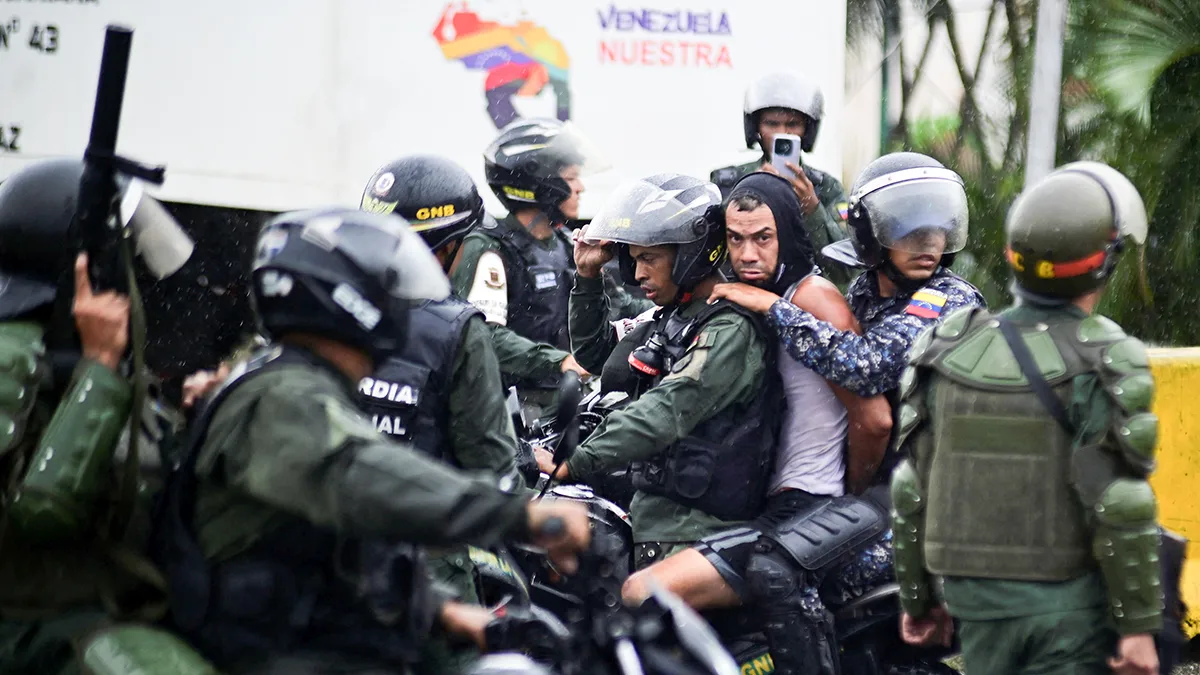
Venezuelan Defence Minister Vladimir Padrino López threatened on 22 October to deploy troops to the Colombian-Venezuelan border. He accused Bogotá of ‘aggression’ following naval incidents in disputed waters in the Essequibo (where Venezuelan ships approached Guyanese platforms). Caracas reports 2,500 arbitrary arrests in 2025 facilitated by a citizen reporting app. Maduro defended Colombia from Trump's tariff threats, but tension persists with 9 million Venezuelan exiles.
Implications (Analysis):
Venezuela consolidates an exported totalitarianism that actively destabilises the hemisphere. It uses digital denunciation (reminiscent of the East German Stasi) to stifle internal dissent and risks military clashes with Colombia, which could trigger global oil prices.
This repression, coupled with 200% inflation, erodes the social fabric, encourages migration that puts pressure on the US, and normalises ‘digital authoritarianism’ in allies such as Nicaragua. Democracies must counter this with sanctions and support for dissidents; failure weakens the Monroe Doctrine and allows Chinese-Russian influence over strategic resources.
DW alert on Venezuelan transnational repression
Facts:
On 22 October, the German broadcaster Deutsche Welle (DW) warned of the spread of Venezuelan authoritarianism, highlighting its extraterritorial links in digital and migratory repression, directly affecting Colombia and other countries in the region.
Implications (Analysis):
This export of tyranny is not an internal matter; it actively undermines neighbouring democracies and fosters instability that demands a coordinated global response. The international community's inaction fuels extremism and serves as a moral warning for the defence of freedom against oppression.
US expands ‘war on drugs’ to the Pacific
Facts:
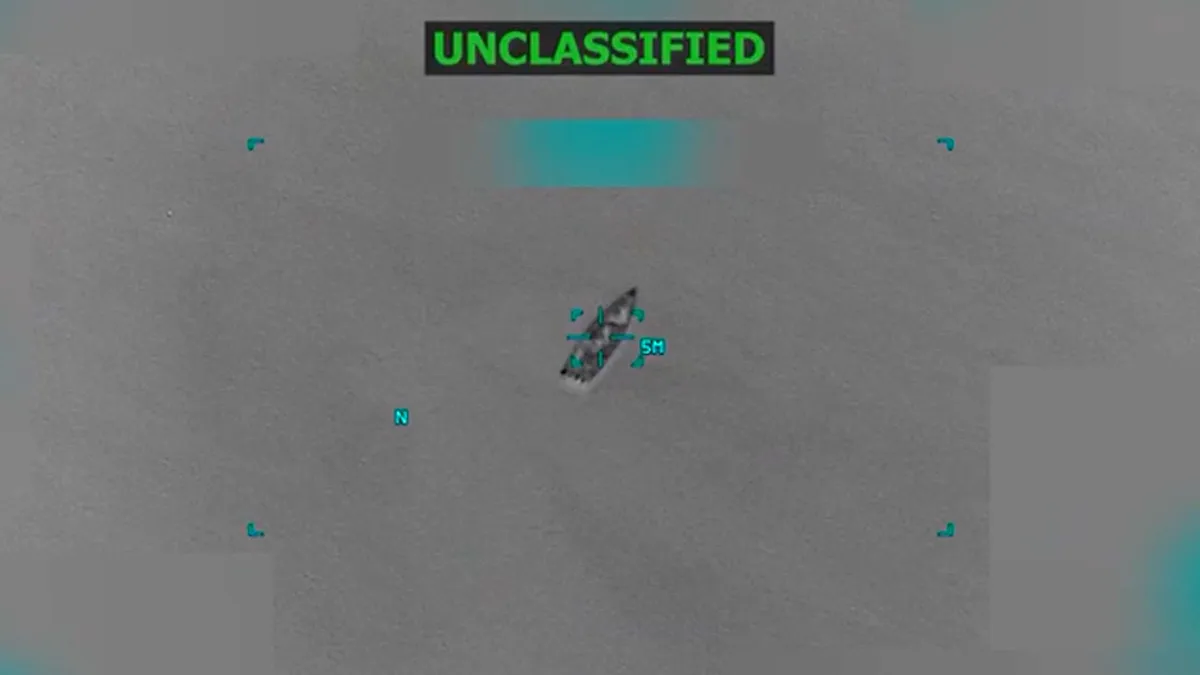
The Pentagon confirmed two lethal attacks on vessels allegedly linked to drug trafficking in the eastern Pacific, resulting in five deaths. This is the first sustained extension of the interdiction campaign launched in September in the Caribbean.
Implications (Analysis):
The militarisation of the fight against drugs opens up a complex legal and diplomatic front: Why the armed forces and not the Coast Guard? Critics ask. The answer is simple: the Coast Guard operates in US territorial waters and the Exclusive Economic Zone and has no mandate to act in international waters.
Washington rightly invokes self-defence and the fight against ‘narco-terrorism’. However, critics denounce the risk of extrajudicial executions. These are not extrajudicial executions, but operations against very dangerous and armed criminals. However, an effective strategy will only work if it is integrated with multilateral intelligence from the countries concerned and a real financial crackdown on the networks.
Bolivia: EU praises democratic calm
Facts:
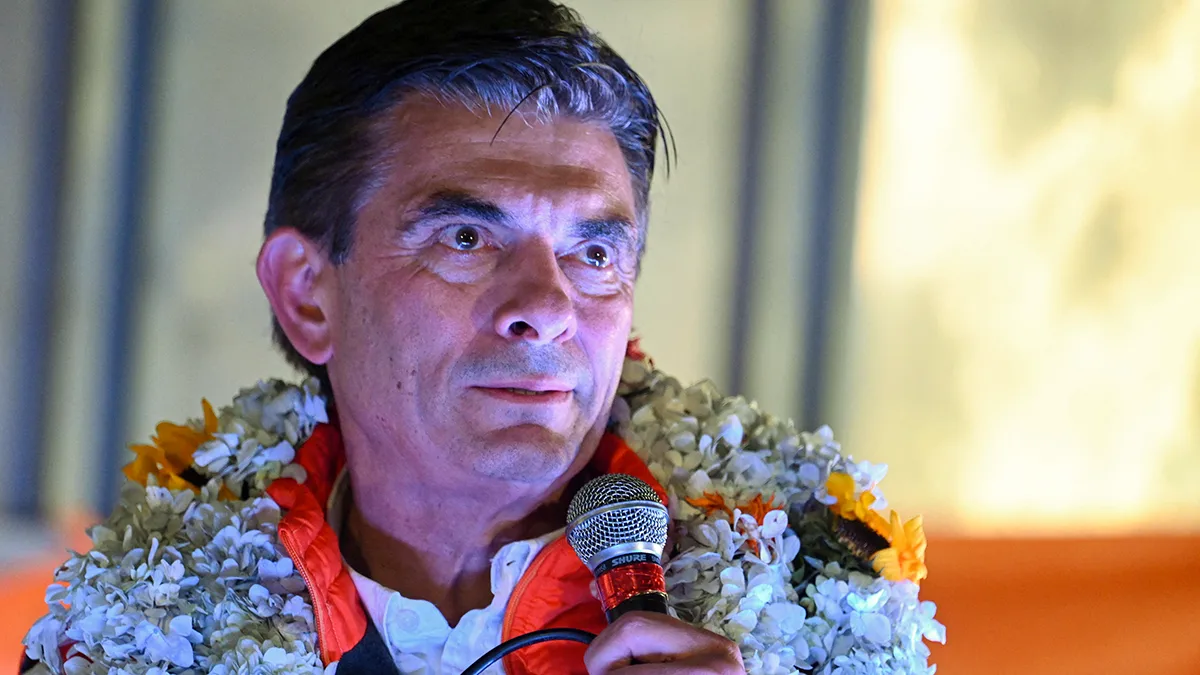
On 22 October, the European Union praised the ‘democratic calm’ observed in Bolivia following the recent elections. Brussels has resumed political cooperation with La Paz following the victory of Rodrigo Paz Pereira, who invited Venezuelan opposition leader and Nobel Prize winner María Corina Machado to his inauguration. The EU pledged €150 million in aid for 2026, focused on energy transition and the fight against corruption.
Implications (Analysis):
This stability contrasts sharply with the regional chaos, strengthening Bolivian democracy against populism. However, this stability depends on profound judicial reforms to avoid authoritarian cycles such as that of Evo Morales. The EU is positioning itself as a proactive player in Latin America, seeking to diversify strategic alliances in the face of growing Chinese influence (which already controls about 40% of Bolivian lithium). Success encourages multilateralism that could inspire resolutions in Venezuela; failure would expose internal divisions within the EU.
2025 Sakharov Prize for journalists from Belarus and Georgia
Facts:
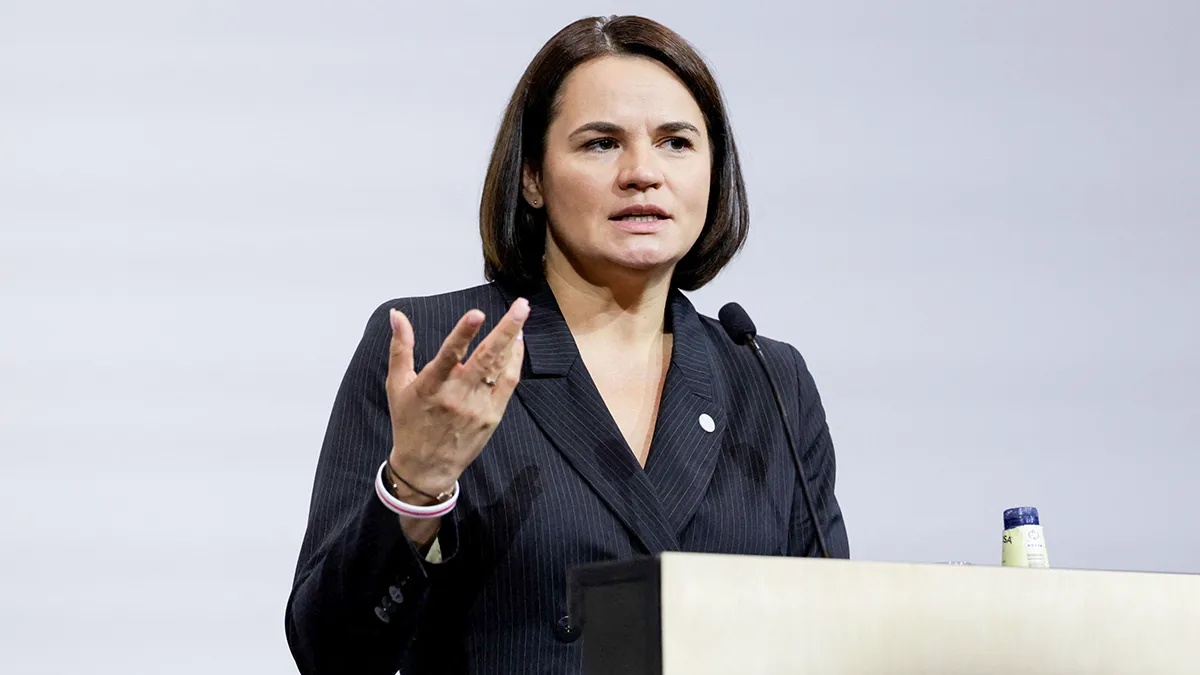
On 22 October, the European Parliament awarded the 2025 Sakharov Prize to journalists imprisoned in Belarus and Georgia. The prize recognises their crucial role in exposing post-election repression and documenting human rights abuses. The award symbolically includes dissidents in exile, such as Sviatlana Tsikhanouskaya.
Implications (Analysis):
This award highlights the fight against Russian-backed hybrid authoritarianism in Eastern Europe. Regimes such as Lukashenko's and allies in the Georgian government use ‘anti-foreign agent’ laws to stifle dissent, risking isolation similar to that of Hungary. The EU must back up this moral support with concrete sanctions and support for civil society. Inaction fuels extremism, fragments European unity and allows Russian influence to undermine NATO from within.
Economy: gold volatility and Singapore warning
Facts:
Gold prices stabilised on 22 October after falling 5%, amid easing trade tensions (following concessions by the EU and Ukraine in negotiations with Russia) and doubts about Fed rate cuts (100% probability of 25 basis points in October).
Implications (Analysis):
Gold volatility reflects deep geopolitical instability that erodes confidence, acting as a safe haven from nuclear risks and sanctions. The Fed must balance inflation and growth, but its doubts fuel global inequalities.
US-China strategic competition in nuclear energy
Facts:
Recent coverage and analysis highlight that China is rapidly expanding its civil nuclear capacity, with the ambition of surpassing the US in installed capacity and in the development of small modular reactors (SMRs).
Implications (Analysis):
Whoever leads civil nuclear energy will dominate critical segments of the future: fuel cycles, global safety standards and technology exports. For the West, the response must involve long-term financing, securing the supply chain (from uranium to conversion) and creating regulatory alliances that reduce lead times without compromising safety.
Singapore Prime Minister warns of transition from US-dominated world to China-dominated world
Facts:
At the same time, Singapore's Prime Minister Lawrence Wong warned that the transition to a ‘post-American’ order will be ‘messy’, as there is no credible substitute for US leadership, urging the forging of “minilateral” or ‘minimultilateral’ alliances to soften the impact of a China-dominated world.
Implications (analysis):
Singapore's message is crystal clear for Europe: without proactive trade openness and a credible defence posture, it will lose influence in the vital Indo-Pacific theatre. Countries with similar values (line-mondes democracies) must begin to plan for a future with a blurred and weakened Europe and the US in intense competition with China. It proposes solid alliances between the ‘like-minded’.
Media rack (representative selection from the last 24-48 hours)
US (NYT, WP, WSJ, USA TODAY, POLITICO, THE HILL, Reuters, AP, CBS, CNN, Fox News)
- Sanctions on Rosneft/Lukoil, detailing effects on banks and foreign partners.
- Suspension of the Trump-Putin summit and continued Russian attacks on the Ukrainian energy network.
- ICJ opinion on aid to Gaza.
- Expansion of attacks on drug trafficking boats in the Pacific and legal debate.
- Putin as intransigent, Trump pragmatic but frustrated.
- Alarm over nuclear escalation and weakening of NATO.
- Criticism of Israel for humanitarian violations and economic coercion as a war of attrition.
United Kingdom (The Times, The Telegraph, The Guardian, BBC, The Economist, FT)
- Russian nuclear exercises and rejection of ceasefire.
- ICJ order to Israel; persistent attacks on Gaza.
- Coverage of sanctions and bombing of boat in the Pacific, with debate on effectiveness.
- Verbal escalation between Venezuela and Colombia.
- Strong defence of international law and multilateralism.
- Criticism of armed populism and calls to strengthen NATO and invest against instability.
France, Germany and Europe (Le Monde, Le Figaro, FAZ, Euronews, LCI, BFM, La Tribune de Geneve)
- Approval of Package 19 sanctions (LNG and dark fleet).
- Zelensky's visit to Brussels and debate on the legal design of frozen Russian assets.
- Alert on Russian nuclear exercises and energy/European crisis.
- ICJ ruling against Israeli blockade of Gaza.
- Praise for the democratic transition in Bolivia.
- Urgent call for EU strategic autonomy and NATO reinforcement.
- In-depth analysis of the risks of fragmentation if Ukraine gives in.
- Cautious optimism about Bolivian stability.
Italy and the Vatican (Corriere DELLA Sera, L'Observatore Romano)
- Diplomatic failure in Ukraine and tensions in Gaza.
- Sakharov Prize awarded to journalists in Belarus/Georgia.
- Emphasis on humanitarian values and dialogue.
- Concern over nuclear escalation and violations in Gaza.
Eastern Europe and the Nordics (Gazeta Wiborova, Helsingin Sanomat, Ukrainian Pravda, Kyiv Post)
- Russian attacks after summit suspension; nuclear exercises as a threat.
- Venezuela-Colombia escalation.
- Unwavering support for Ukrainian sovereignty.
- Alarm over Russian nuclear intimidation.
Middle East and Africa (AL-JAZEERA, AL-ARABIA, Arab News, WION, HÜRRIYET, GULF NEWS)
- ICJ ruling ordering UN aid to Gaza and persistent attacks.
- Difficulties in disarming Hamas.
- Gold stabilises amid tensions.
- Demands for international compliance and Western humanitarian support.
- Criticism of Israel for ‘war of hunger’.
- Need to control illicit flows to prevent radicalisation.
Asia (The Times of India, South China Morning Post, Straight Times, Tokyo Times, FT)
- Interview with Lawrence Wong (Singapore): ‘disorderly’ post-American transition.
- Russian nuclear exercises and US sanctions.
- ICJ opinion on Gaza; gold fluctuations.
- Balanced analysis of global risks; emphasis on economic impact on emerging markets.
- Caution over escalations in Ukraine and the Middle East.
Latin America (Clarín, El Mercurio, Reforma)
- Verbal escalation between Venezuela and Colombia.
- Venezuelan transnational repression.
- EU praise for Bolivia post-elections.
- Consensus on the need for democratic authority.
- Warnings about authoritarian abuses and risks of border confrontation.
Russia (Russia Today, TASS)
- Nuclear exercises as a defensive response.
- Rejection of US sanctions.
- Criticism of Western ‘aggression’ in Ukraine.
- Defence of Russian sovereignty and narrative of victimisation.
- Minimisation of attacks in Gaza.
International Agencies (Reuters, AFP, AP, DPA)
- Suspension of Trump-Putin summit and Russian attacks; ICJ order to Israel; Venezuela-Colombia tensions; Sakharov Prize.
- Factual coverage with neutral analysis; emphasis on humanitarian implications and global risks.
Editorial conclusion
There is no freedom without security, nor security without freedom.
History teaches us that states that abdicate their duty to protect dissolve into chaos, and that unlimited power inevitably mutates into oppression. Today, Russia intimidates with nuclear exercises, Venezuela exports its digital tyranny and cross-border drug trafficking, while Bolivia offers a faint hope for democracy with the victory of Victor Paz Pereira.
Sanctions against Russian oil giants (Rosneft, Lukoil) and Europe's closure of the LNG tap are the right way forward: suffocating the aggressor without betting on illusions of a ‘freeze’ on the front lines that only reward the fait accompli.
In Brussels, the intelligent and legal use of frozen Russian assets should send us a clear message: democracies should not have to finance with their taxes what the aggressor should pay for.
The ‘war on drugs’ in the Pacific, with its lethal interdictions, reminds us that force without the rule of law rots and that inaction kills: there must be no impunity for crime or extrajudicial executions; attacking narco-terrorists cannot be considered an extrajudicial execution, it is the legitimate use of force against dangerous, organised and heavily armed criminals.
Passivity invites anarchy; blind repression breeds dictatorships. The Indo-Pacific warns us that without reliable leadership, the world fragments dangerously. Authentic democrats claim moral authority, using legitimate force only to defend the rule of law, secure borders and punish crime — that is the foundation of freedom. Europe and its allies must step up.
An ineffective state disintegrates; a society tolerant of terror becomes its first victim. Only balanced strength with principles forges a world where security enables freedom. Lukewarmness is complicit with barbarism; firmness, with respect for the law and fundamental rights and freedoms, is its only antidote.