Leonardo, Italy's leading technology voice in the aerospace and defence sector
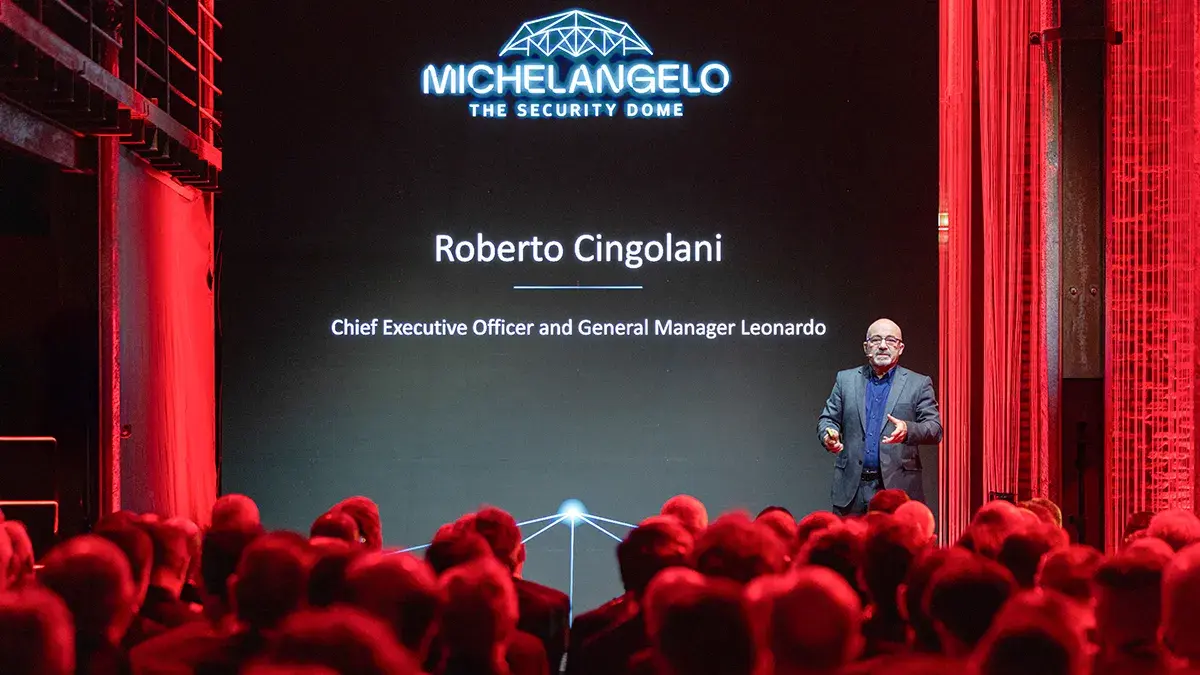

- Under the leadership of a technologist and former minister of Mario Draghi
- With alliances in Europe and Asia
Leonardo SpA is Italy's leading technology company, one of the three major players in the European Union's defence industry in the land, sea, air, space and cyber domains, and ranks among the top 15 worldwide.
The main national supplier of weapons systems and equipment for the Italian Armed Forces, the company has just presented a new project called Cúpula Michelangelo, an integrated multi-domain defence architecture designed to protect critical infrastructure of national and European interest.
Leonardo is the evolution of the state-owned company Società Finanziaria Meccanica, created in 1948 and better known as Finmeccanica, which, in January 2017, with Paolo Gentiloni as Prime Minister of Italy, was renamed Leonardo, in honour of the great Renaissance painter, scientist, sculptor, architect and inventor Leonardo da Vinci (1452-1519).
With a commercial presence in 150 countries, a turnover in 2024 of €17.8 billion (72% in defence products and systems) and with an annual investment in R&D&I of around €2.5 billion, domestic demand accounts for only 18% of its total turnover, which means that the mega-company's industrial activity is focused on exports, which account for more than 80% of its sales.
The workforce exceeds 60,000 people, most of whom – almost 37,000, or 61% – work in the nearly 30 factories distributed throughout Italy. Its main market is the United States, accounting for 26% of turnover, where it has subsidiaries Leonardo DRS and Leonardo US Aircraft, which employ around 8,000 technicians, 13% of the group's total workforce.
Next in terms of sales is the United Kingdom, with 12% of turnover, where the subsidiary Leonardo UK is established, employing 15% of the global workforce. The rest of Europe accounts for 26% of sales, and 18% is exported to other countries. The Italian state is the group's main shareholder through the Ministry of Economy and Finance, which holds 30.20% of the share capital, while 50.8% is held by other institutional investors.
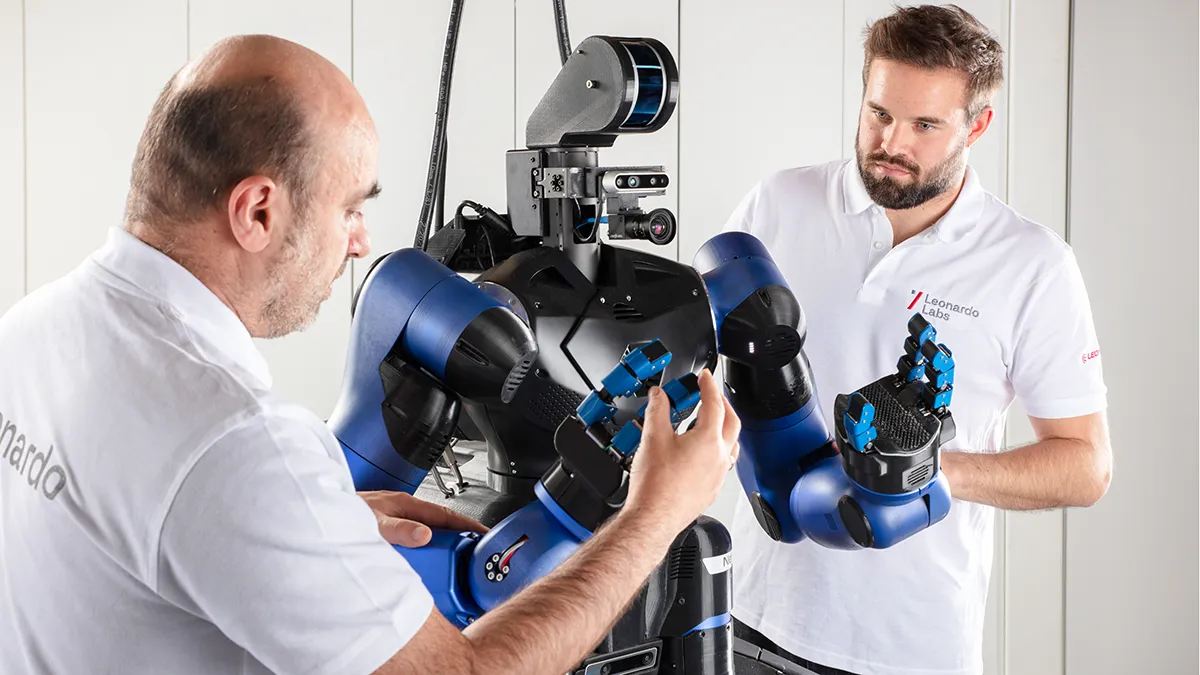
Under the leadership of a technologist and former minister of Mario Draghi
Leonardo also has factories in Poland, where it employs 5 per cent of its technicians after acquiring the entire shareholding of Polish helicopter manufacturer PZL-Swidnik in 2019. The rest of the workforce, more than 3,700 people (6 per cent), is scattered throughout the rest of the world.
The macro company restructured its senior management several months after Giorgia Meloni took office as prime minister in October 2022. Since 9 May 2023, Leonardo has been chaired by 68-year-old career diplomat Stefano Pontecorvo, former ambassador to Pakistan and advisor to three defence ministers, Giampaolo Di Paola, Mario Mauro and Roberta Pinotti.
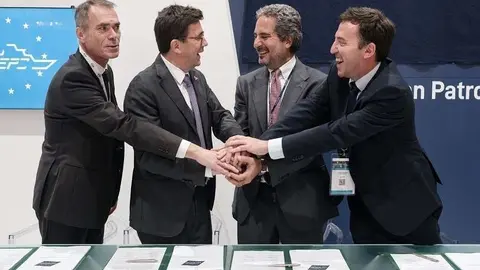
But the strongman of the company and the person who has been at the helm of Leonardo and its range of companies since the same date as Pontecorvo is the CEO and executive director, 63-year-old Roberto Cingolani from Milan, former Minister for Ecological Transition in Prime Minister Mario Draghi's executive. A physicist by training and specialising in nanotechnology, optronics, photonics and robotics, he was director of technology at the then Finmeccanica.
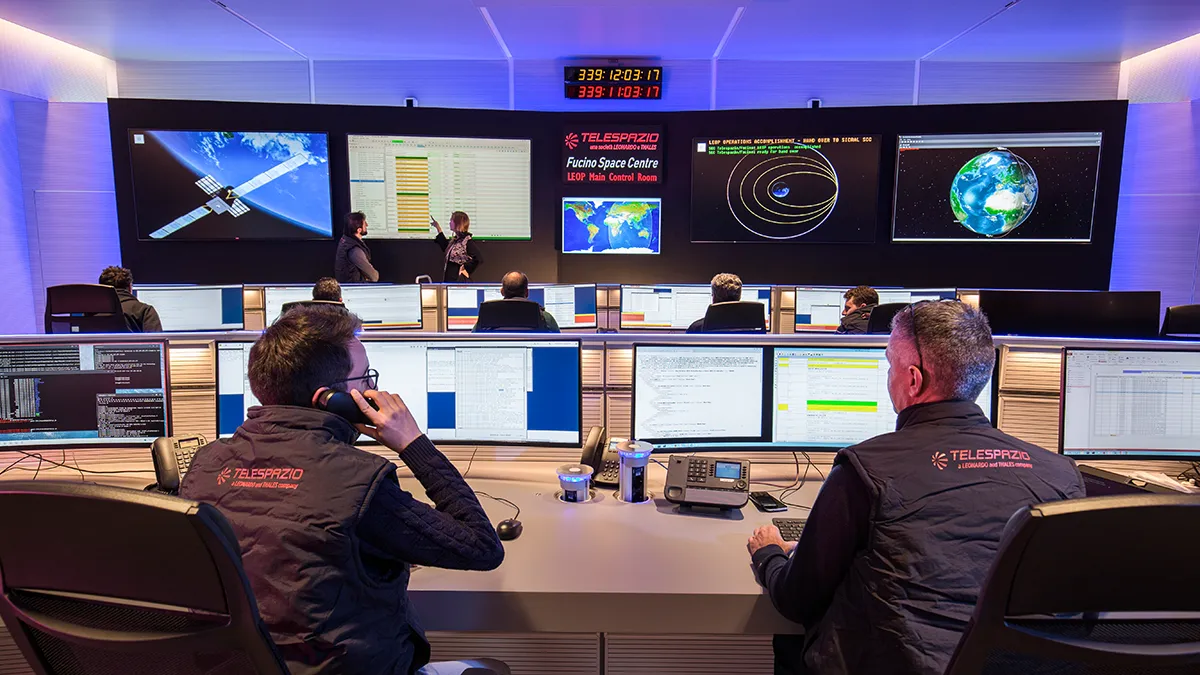
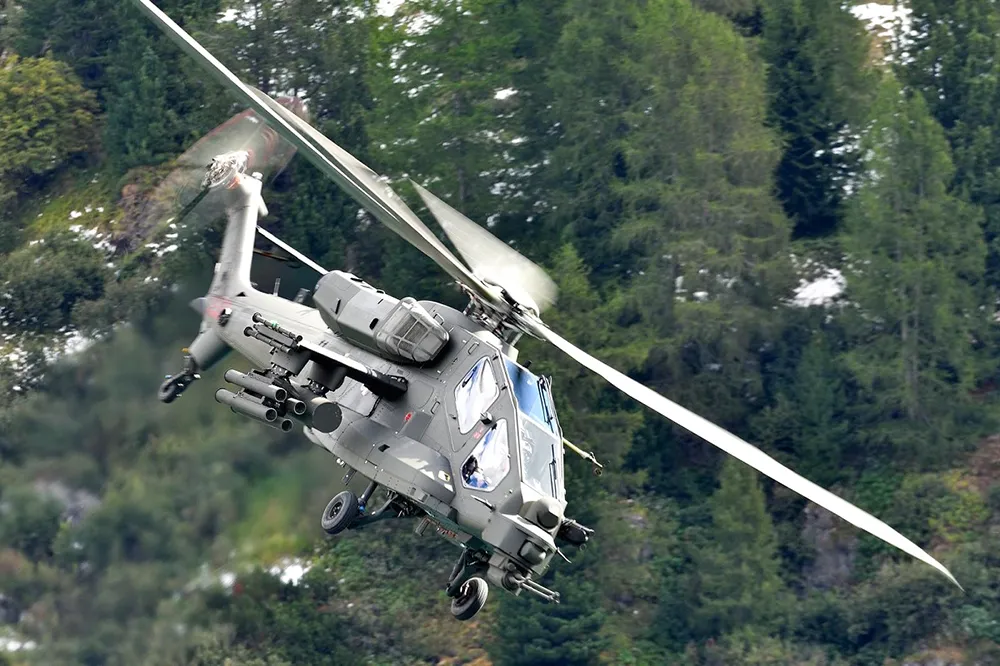
In terms of organisation, Leonardo is structured into six business units: defence electronics, aerostructures, cybersecurity, space, aircraft and helicopters. One of the group's great strengths in the aircraft sector is the Agusta company, which in 1952 began producing American helicopters under licence from the Bell company with remarkable success.
In July 2000, it merged with the British company Westland to form AgustaWestland, only to be renamed Agusta in 2020 and become Leonardo's civil and military helicopter brand, with its own range of aircraft. It participates in the NH-90 military programme and one of its most significant contracts has been the signing of a multi-year framework agreement with the Saudi group The Helicopter Company for 130 helicopters of four different models.
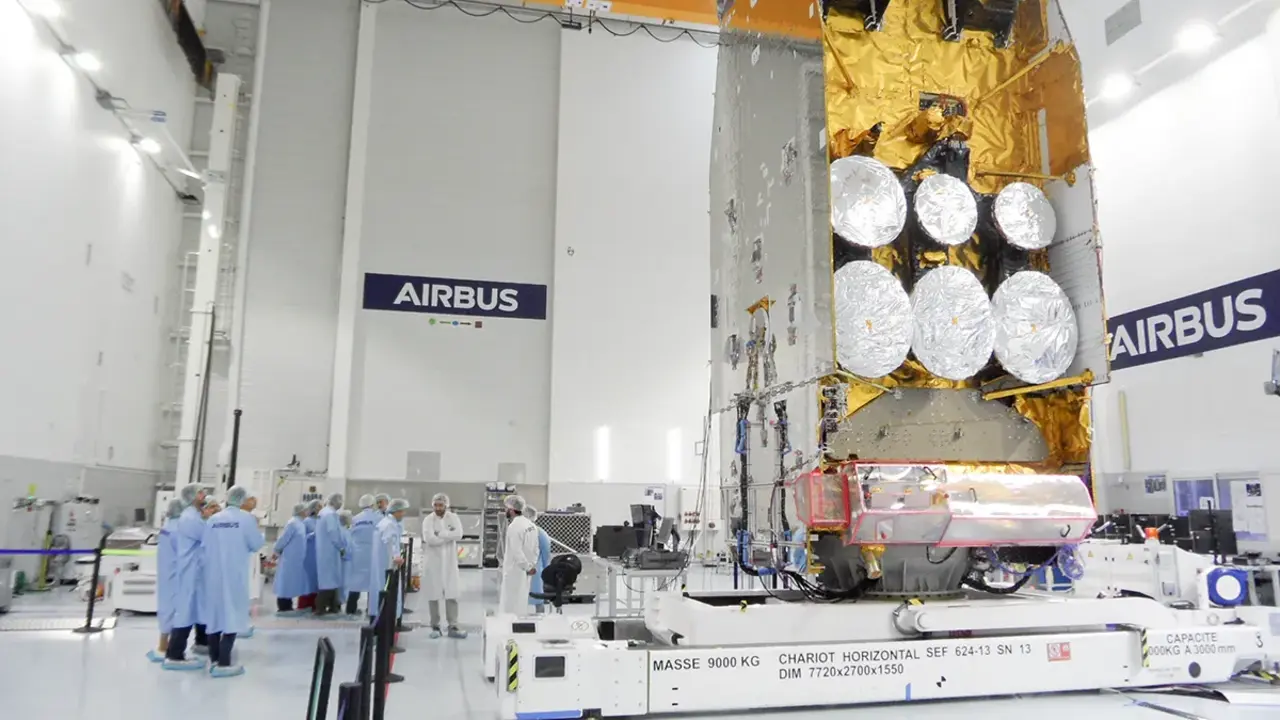
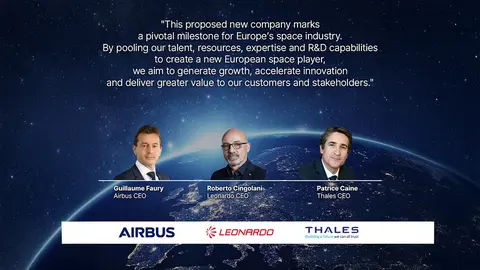
Among the most important companies in the group, in the space sector, Thales Alenia Space, a company formed in 2007 with the capabilities of France's Thales (67%) and Italy's Alenia (33%), absorbed by what is now Leonardo, is worth mentioning. With factories in Belgium, Spain, the United States and, of course, France and Italy, since October, together with Airbus Space Systems, it has been in the process of creating the largest European satellite manufacturing company by 2027.
With alliances in Europe and Asia
A notable development is that the corporation, with a 10% stake, has made inroads into the nuclear sector through Italy's Empresa Nacional de Energía Eléctrica (ENEL), the majority shareholder (51%), and Ansaldo Energía (39%), both of which are also controlled by the Ministry of Economy and Finance.
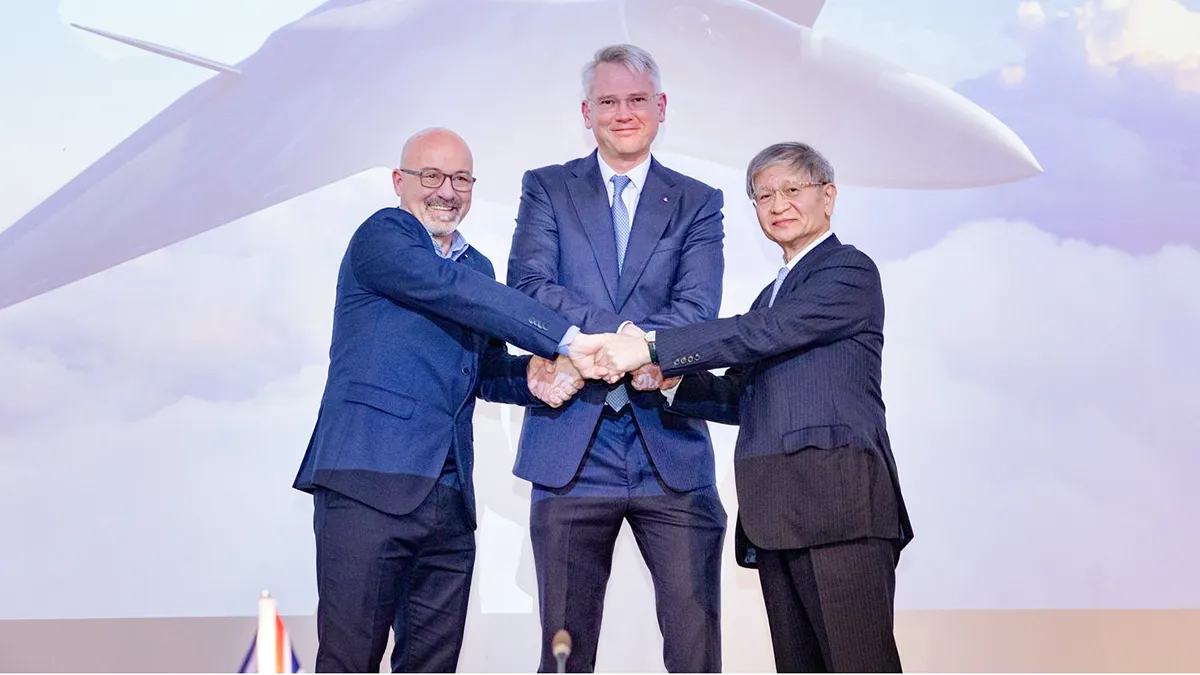
The aeronautical sphere is of utmost importance to Leonardo. Its company Aermacchi manufactures the M-345 and M-346 military training aircraft, which are in service with the air forces of Greece, Israel, Italy, Poland, Qatar and Singapore. In the field of combat aircraft, Leonardo is a partner in the F-35 programme and assembles and maintains fighter jets for the Italian Air Force and maintains those of the Netherlands in its factories. It is also associated with the British company BAE Systems and the Japanese company Mitsubishi Heavy Industries in the future GCAP fighter programme, the competitor to FCAS.
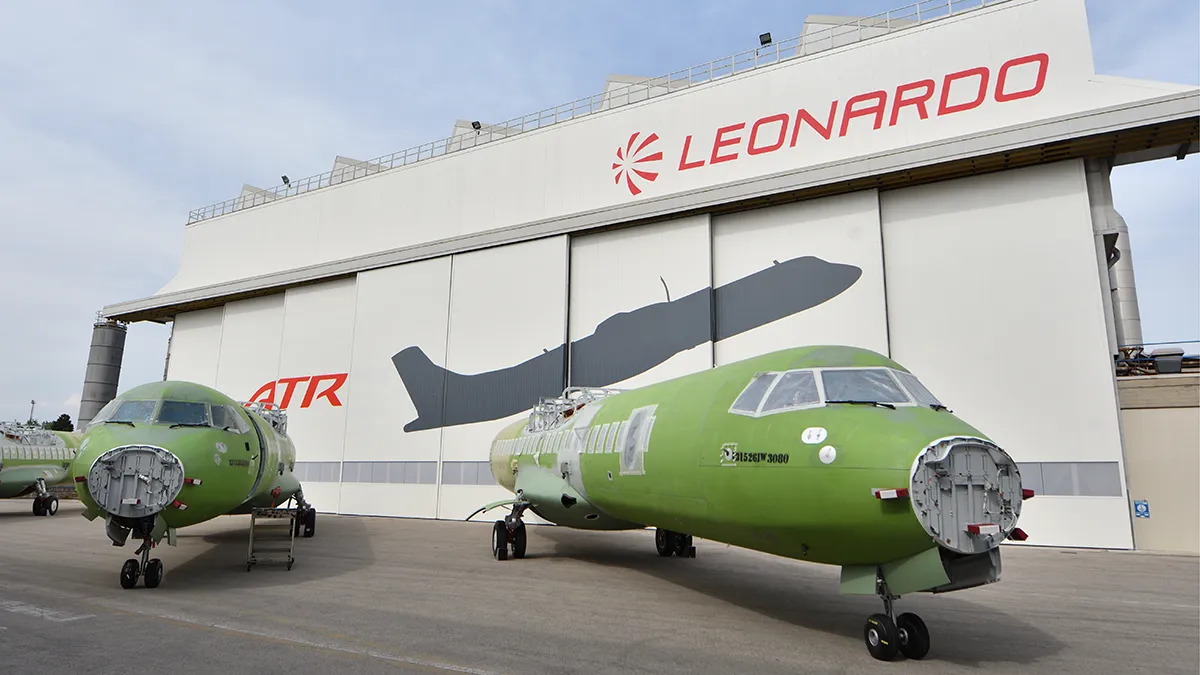
It also produces the new-generation C-27J Spartan transport aircraft and participates in the Eurodron programme alongside Airbus GmbH, Airbus Spain and France's Dassault. In the field of civil aviation, Leonardo is partnered with Airbus France in the manufacture of ATR regional commercial turboprop aircraft, with a factory in Pomigliano d'Arco, near Naples.
It is also producing 24 new Eurofighter Typhoon fighter jets, worth around €7.4 billion, at Leonardo's assembly line in Caselle Torinese. The group contributes 36% of the aircraft's value with the manufacture of the rear fuselage, the left wing and the Pirate IRST infrared search and track system. The British and Italian branches of Leonardo's electronics division are responsible for various components of the Eurofighter's advanced Captor-E radar.
In cooperation with the national shipyard Intermarine, Leonardo is participating in the construction of five new-generation mine hunters for the Italian Navy worth €1.595 billion. Leonardo's technological contribution is to develop the shipboard combat system, which represents 27% of the economic volume of the contract.
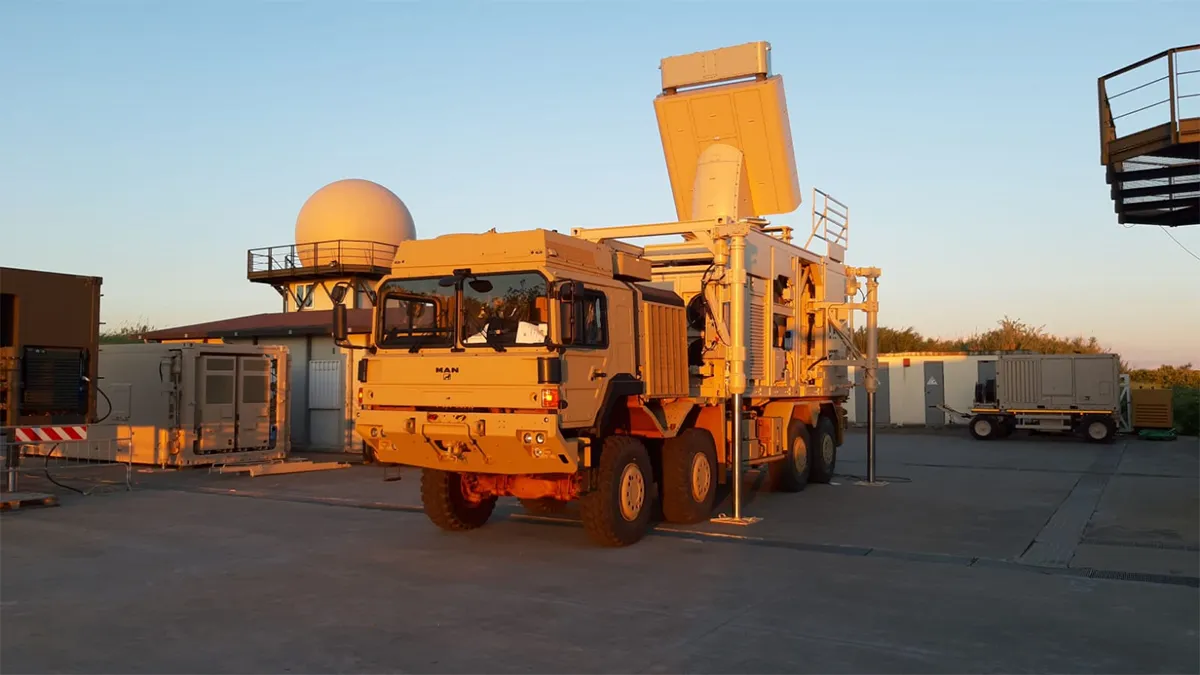
In case it is not yet clear that Leonardo is a key player for the Italian government and for European defence, it is worth mentioning that, with the support of Giorgia Meloni's executive, one of the group's recent investments has been to keep Iveco Defence Vehicles (IDV), the defence business of the Iveco industrial group, in Italian hands. The acquisition took place in mid-2025 and involved an outlay of around €1.7 billion.
In early 2025, Leonardo and Rheinmetall formalised their 50-50 joint venture, Leonardo Rheinmetall Military Vehicles (LRMV). Headquartered in Rome, its purpose is to develop, produce and market the replacement for the Italian Army's Ariete battle tank. It will also take on the manufacture of a new infantry combat vehicle (AICS), of which Italy needs around a thousand in 16 different versions, the first 21 units of which were contracted last November.