Trump appoints his new NASA chief a year late
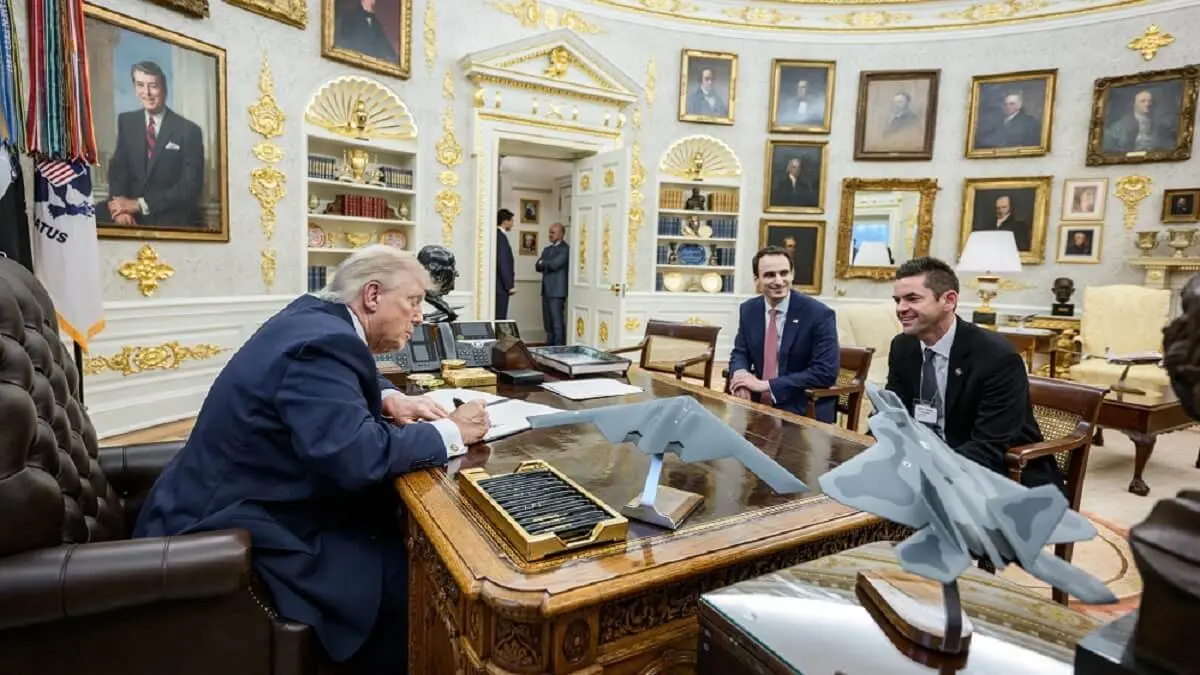

Finally, after almost a year with the candidate in the spotlight, President Donald Trump now has a staunch leader to steer the National Aeronautics and Space Administration, the large organisation known worldwide by the acronym NASA.
The top job had been vacant since 20 January, when Trump took office as President of the United States. On that same day, politician and astronaut Bill Nelson, a personal friend of Joe Biden, the former US President, stepped down as head of the Agency.

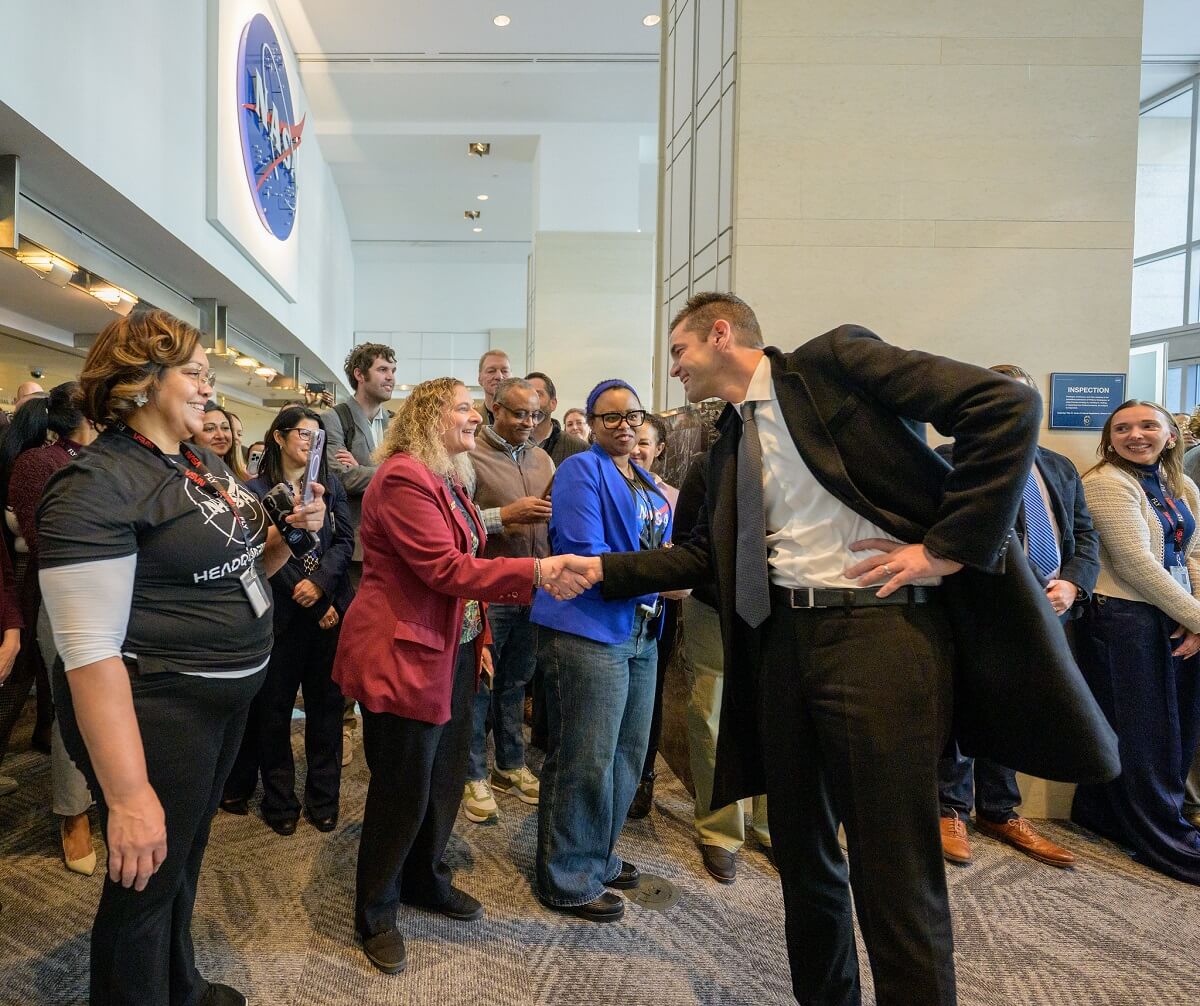
Now Nelson, who stepped down at the age of 82, is being replaced by the youngest person to have held the reins of NASA since its creation in July 1958 by then-President Dwight Eisenhower: 42-year-old Jared Isaacman, whom friends and acquaintances call ‘Rook’.
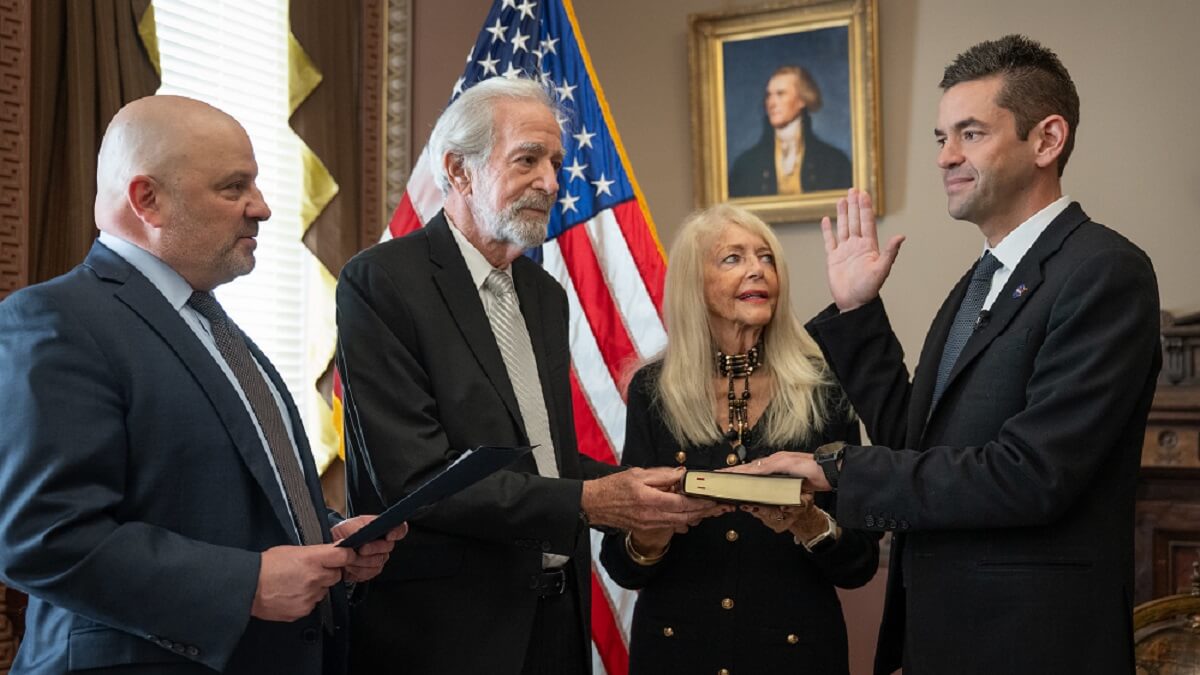
A multimillionaire with an estimated fortune of between $1.2 billion and $2 billion, Isaacman is a pilot, even flying fighter jets such as the Russian MiG-29, with more than 8,000 hours of flight time. He is also a private astronaut and passionate about space matters, to the point of financing two private missions to space and having been an astronaut on both. It is therefore not surprising that he enjoys the favour of virtually the entire US space ecosystem.

Jared Isaacman takes over as executive director of the Agency at a time when, due to the differences between the Trump administration and the two legislative chambers in recent weeks, NASA's budget for fiscal year 2026 is still to be determined. In May, the White House proposed a total of £18.8 billion, a cut of nearly 25 per cent compared to 2025, while most Republican and Democratic politicians in Congress and the Senate support a figure equal to or greater than £25 billion.
Ensuring US space superiority
The decision on the allocated budget will be made very soon, and it is expected that the White House and both legislative chambers will reach an agreement that will set the figure at an economic volume that may even exceed £25 billion. The reason is simple.
NASA is immersed in the Artemis programme to return to the Moon, a frantic race with China to be the first in the 21st century to land humans on the surface of Earth's natural satellite. President Xi Jinping has said that his astronauts will achieve this before 2030, and Donald Trump is not willing to come second in the contest.
So, while Isaacman received Senate approval on 17 December to begin steering NASA's destiny and, the following day, was sworn in before a federal judge as the agency's new administrator, a few hours later Donald Trump signed an executive order in the Oval Office defining the space policy that his administration must follow to the letter.
Dubbed with the clarifying name ‘Securing America's Space Superiority,’ the decree contains the White House's top priorities in space, setting out for Isaacman the path NASA must follow to align itself with Donald Trump's ideas and goals.
The first paragraph is a declaration of intent, stating that US space superiority ‘is a measure of national vision and will, and the technologies that Americans develop to achieve it contribute substantially to the strength, security, and prosperity of the nation.’
With our feet on the Moon in three years' time
The executive order states that the Trump Administration's first priority in space policy is to ‘lead the world in space exploration and expand the human reach and American presence in space’.
It goes on to emphasise that it will do so by ‘returning Americans to the Moon by 2028 through the Artemis programme, to consolidate American leadership in space, lay the foundation for lunar economic development, prepare for the journey to Mars, and inspire the next generation of American explorers’.
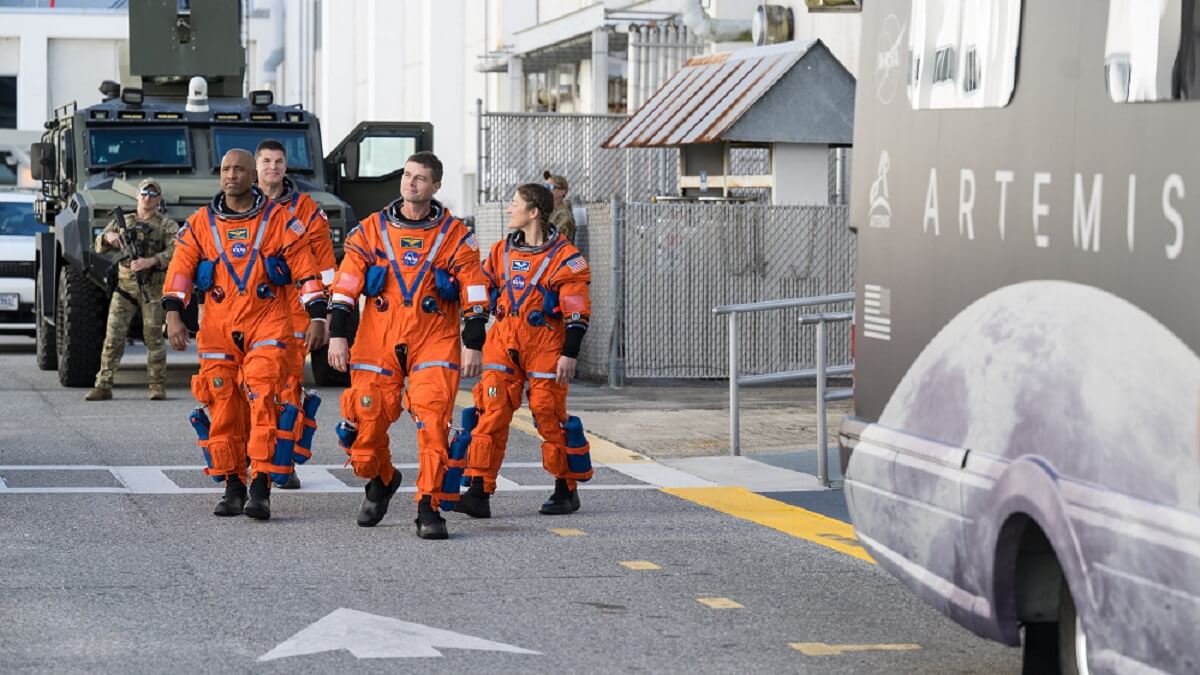
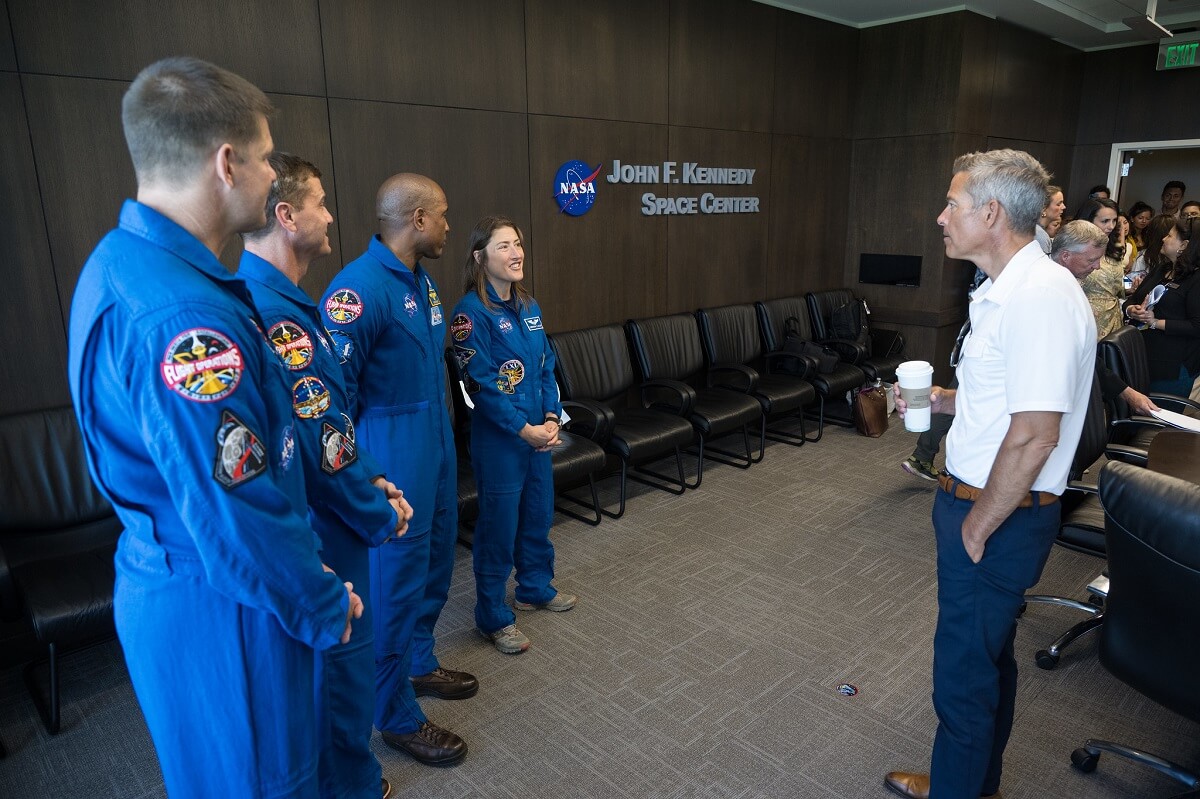
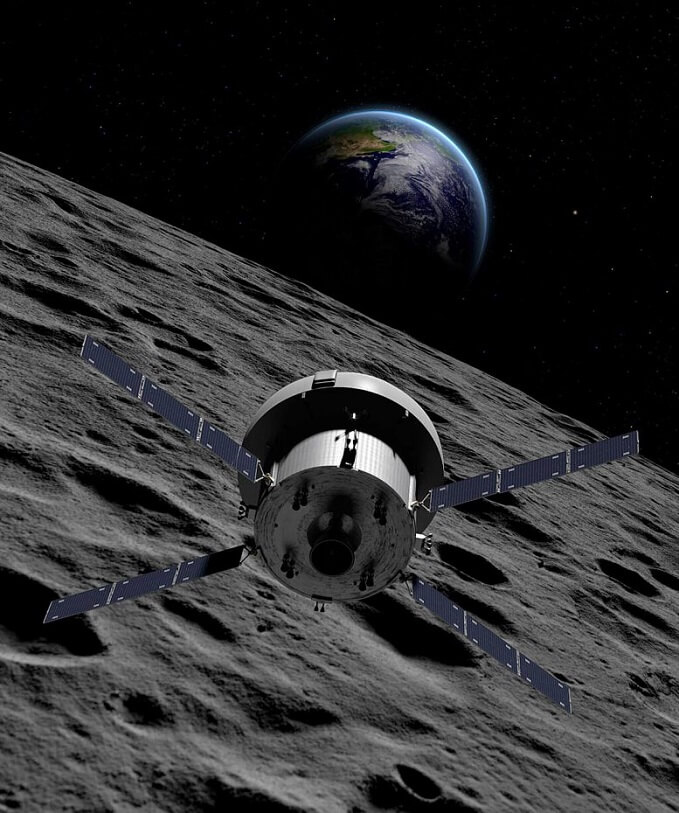
There is no doubt that this demand is both a boost and a sword of Damocles for NASA, which in November 2022 launched the unmanned lunar mission Artemis I into orbit. After 5 February, it plans to launch the manned Artemis II mission, whose Orion capsule with four astronauts on board will travel beyond the Moon, but without any of them landing on our neighbouring celestial body.
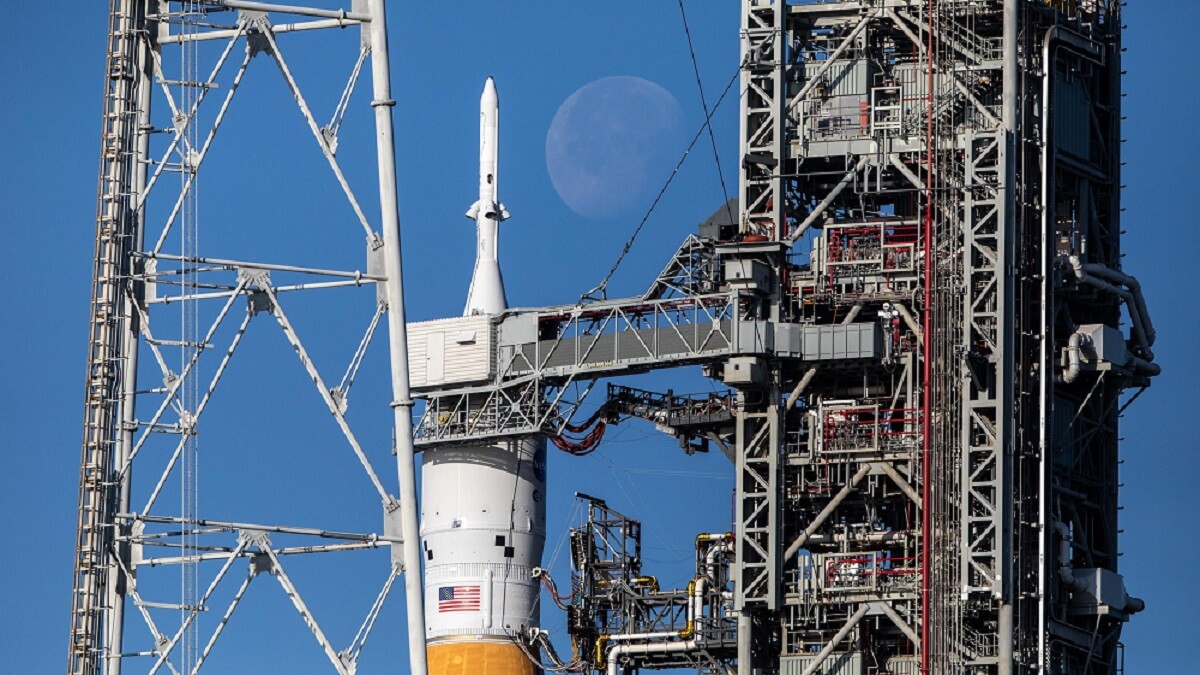
It will be the Artemis III mission, two years later, in 2028 according to Trump's requirement, that must beat the Chinese to the punch by landing at least two Americans, a woman and a man of colour, on the Moon again. The challenge for NASA is enormous, because the executive order requires Jared Isaacman to present a progress plan ‘within 90 days’, by mid-March, on how to make the Artemis II and Artemis III missions a reality in a timely manner.
Without claiming to be exhaustive, Trump's 18 December decree also poses other challenges of utmost importance with a time horizon of the end of this decade. One is to encourage the private and commercial sector to replace the International Space Station by 2030. Another goal for the same year is to establish the ‘initial elements’ of a permanent advanced lunar outpost – referring to the Gateway project – ‘to ensure a sustained US presence in space and facilitate the next steps in the exploration of Mars’.
The executive order does not forget the urgency of also having the capacity to deploy small modular nuclear reactors on the Moon by 2030. With this, Trump hints at his willingness to develop large-scale activities on our natural satellite, possibly linked to research but especially geared towards mineral extraction.
Everything points to a high volume of activity and information being unleashed from January 2026 onwards, with NASA and the powerful industry that supports it playing the leading roles.