Algeria interferes in United Nations talks on Western Sahara
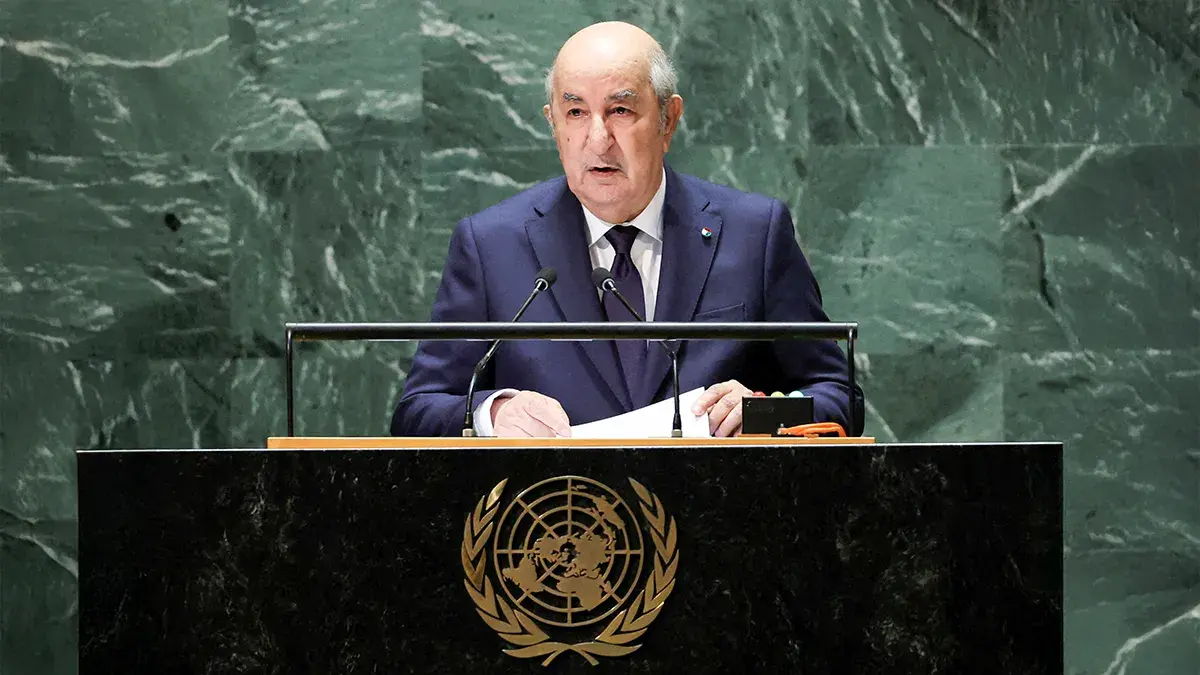
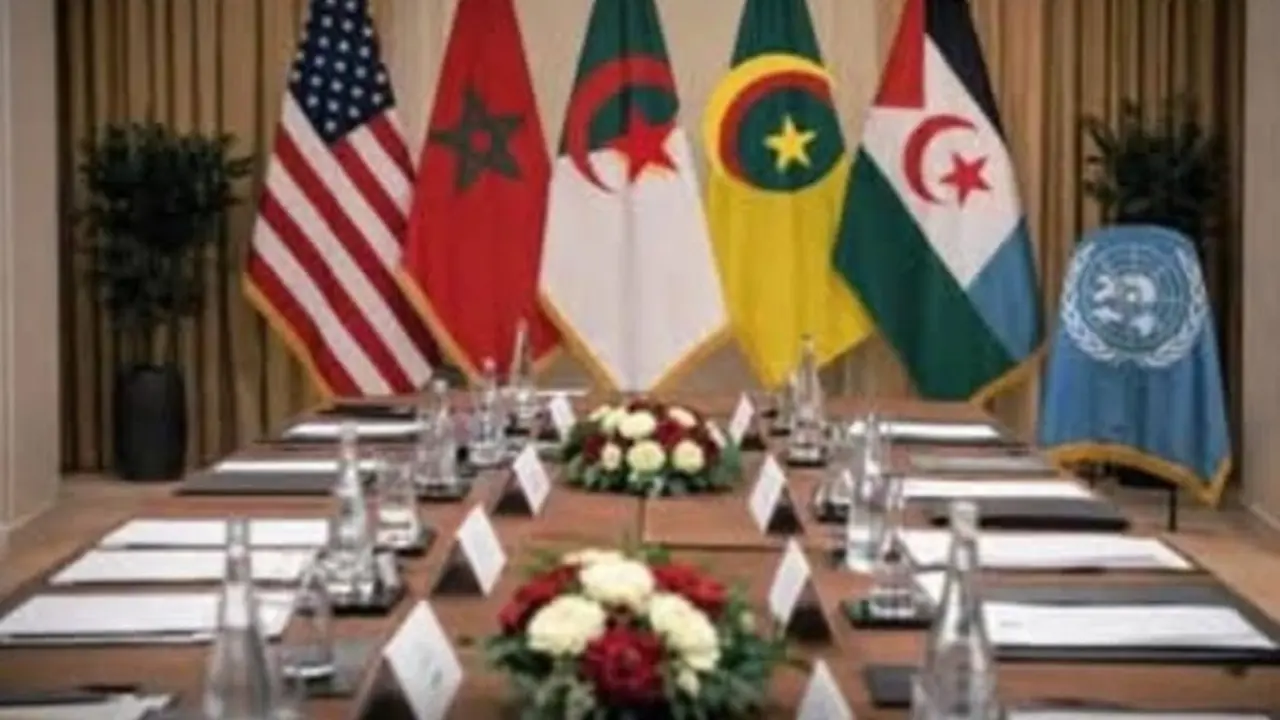
The United States distributed the draft resolution on Western Sahara to the members of the United Nations (UN) Security Council ahead of its upcoming vote next Friday, having given its support in recent years to the Autonomy Plan proposed by Morocco as the most credible and realistic solution to the Sahrawi dispute, which has been going on for almost five decades since the end of Spanish colonial rule.
According to various media outlets such as Rue20, the United States has served the members of the Security Council the so-called blue draft resolution on Western Sahara in relation to the upcoming Security Council vote to determine a resolution scheduled for this Friday, 31 October.
The blue resolution level means that the text presented is now finalised following the amendments and allegations previously submitted, in accordance with the established rules, with what has been accepted and rejected to form the final resolution.

US push and support for Morocco
The same resolution promoted by the United States provides for the renewal of the mandate of the United Nations Mission for the Referendum in Western Sahara (MINURSO), which ended on 31 October, until 31 January 2026. There was also speculation that this proposal would reaffirm, under pressure from several delegations, possibly Russia or Algeria, the right of the Sahrawi people to self-determination, in accordance with the United Nations Charter.
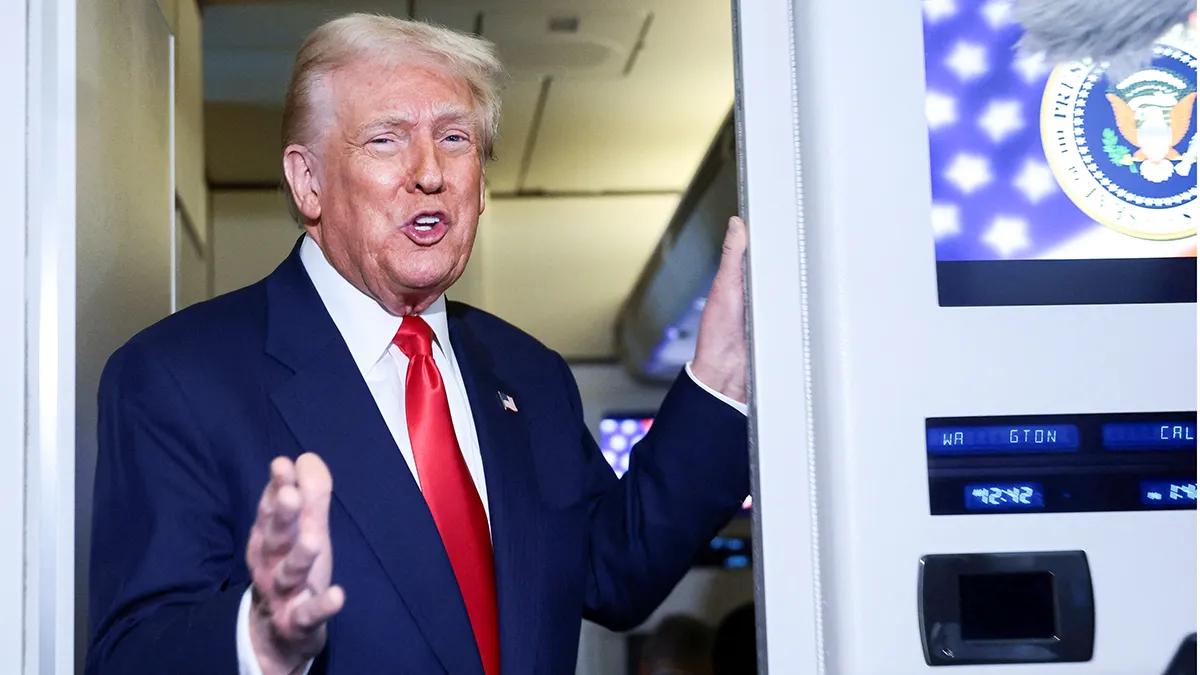
The US giant is not content with a simple mediating role and is clearly positioning itself as a stakeholder interested in resolving this issue once and for all. Donald Trump's government has already shown strong support for Morocco's proposal for Western Sahara, which provides for broad autonomy for the Sahrawi territory under Moroccan sovereignty, respecting UN resolutions, granting a large capacity for self-government to the Sahrawi authorities and leaving foreign policy and defence in the hands of the Moroccan state. In fact, President Donald Trump himself, Steve Witkoff, the Trump administration's special envoy to the Middle East, and Massad Boulos, the US president's senior adviser on Arab and African affairs, have all expressed their support for the Moroccan proposal as the most serious and credible option for resolving the Western Sahara issue.
Thus, the United States would propose to the Security Council that it accept Morocco's Autonomy Plan as the only way out of the Sahrawi conflict.
What the United States would seek is to provide a realistic solution to the Sahrawi dispute in order to promote peace, stability and development in North Africa and, by extension, in the Arab world. In fact, Steve Witkoff also foresaw a diplomatic rapprochement between Morocco and Algeria, major political rivals in the Maghreb region, given Algeria's opposition to Morocco's position on Western Sahara. Indeed, there is speculation that Algiers would have opposed the draft resolution promoted by the United States.
Morocco's proposal has received the support of more than 120 countries, including major international players such as the United States, France, the United Arab Emirates, the United Kingdom, Germany and Spain.
Opposition from Algeria
Meanwhile, on the opposite side are the pro-independence positions of the Polisario Front, supported by Algeria. This side is calling for a referendum on independence for the Sahrawi population, which, according to various analysts, would be difficult to carry out due to problems such as the definition of an electoral roll, as there is a division between the Sahrawis living in Western Sahara, a region that Morocco considers to be its southern provinces, and those living in refugee camps in Algeria.
Indeed, various sources, such as Revue Afrique, have indicated that Algeria requested an emergency closed-door meeting at the United Nations to discuss the renewal of MINURSO's mandate, as the final draft presented by the United States on the new proposal regarding Western Sahara may have displeased Algeria, which sees the United States as being closer to Morocco's position in principle, although it is expected that the US will soften its explicit support for the Moroccan kingdom somewhat in order to push the resolution through the United Nations.

This position could demonstrate Algeria's significant involvement in the Western Sahara issue as an important ally of the Polisario Front and as host to the Sahrawi refugee camps, who need a quick solution to their situation in order to determine the territorial status of Western Sahara.