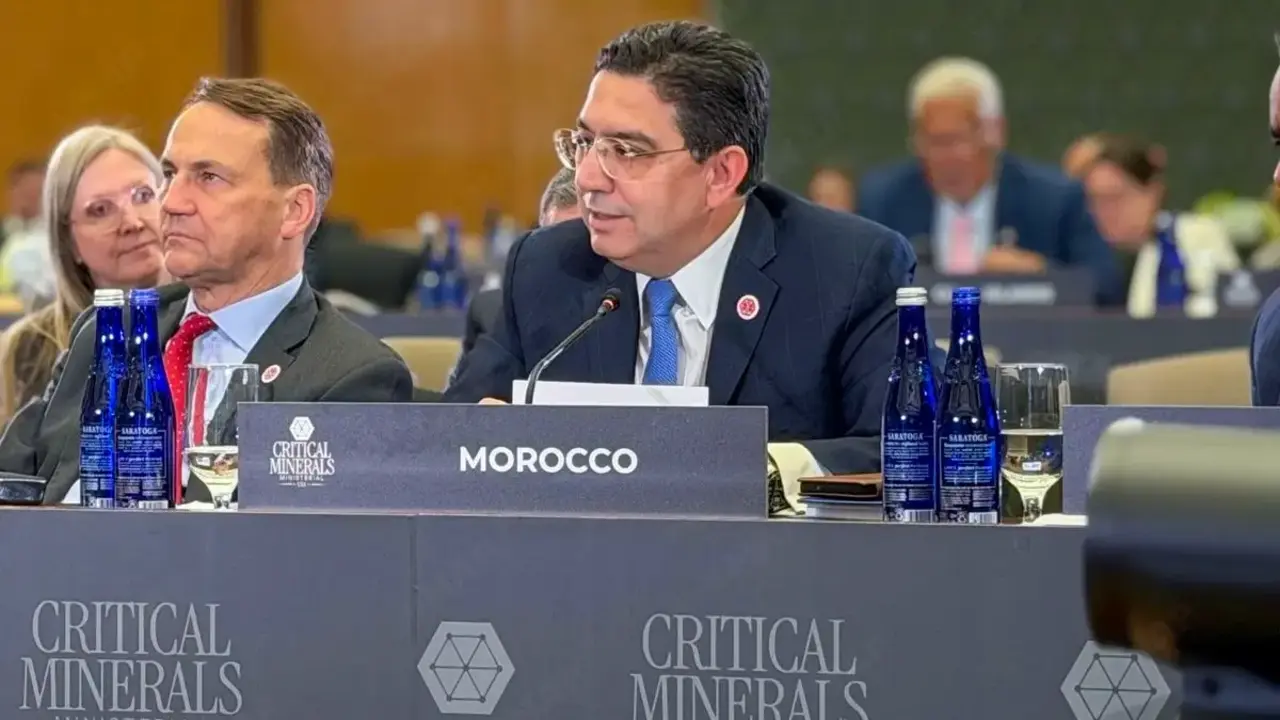
‘Belgium argues that Russian funds are frozen and fears million-dollar lawsuits’
Journalist María Senovilla analyses Belgium's decision to block the mobilisation of Russian funds frozen in Brussels to help Ukraine, among other issues

María Senovilla, journalist and contributor to Atalayar, explained on Onda Madrid's programme ‘De cara al mundo’ the consequences and implications of Belgium's blocking of the mobilisation of frozen Russian funds held by Belgian institutions to help Ukraine.
What decision have the Belgian authorities taken and what are the implications?
At the meeting of European Union leaders, Belgium opposed assuming any responsibility or complaints for the possible use of frozen Russian assets, which are deposited in Belgium, to help Ukraine. This decision has been a further disappointment for Ukrainians.
This is not the first time Belgium has blocked this initiative. On other occasions, it has been proposed to use the interest generated by these frozen assets to help Ukraine, and it is the Belgian financial authorities who always stop this initiative. To help our audience understand, this money comes from the billions that the Russian Central Bank had deposited in these European financial institutions, mainly in Belgium, at the time the invasion of Ukraine began.
At that time, these financial assets were frozen to prevent them from being used to finance the war, and although they are frozen, they have continued to generate interest. It is this interest that is intended to be given to Ukraine in the form of a loan to be used as reparation, to purchase weapons or as financial aid that it may need at this time. Belgium argues that the assets are frozen, not expropriated, and fears possible multimillion-pound lawsuits from the legitimate owners of the Russian Central Bank's money when this war ends, demanding explanations as to why their interest has been given to Ukraine or used to grant loans without the Russian entity's consent.
This brought the initiative of the European leaders' meeting to a standstill.
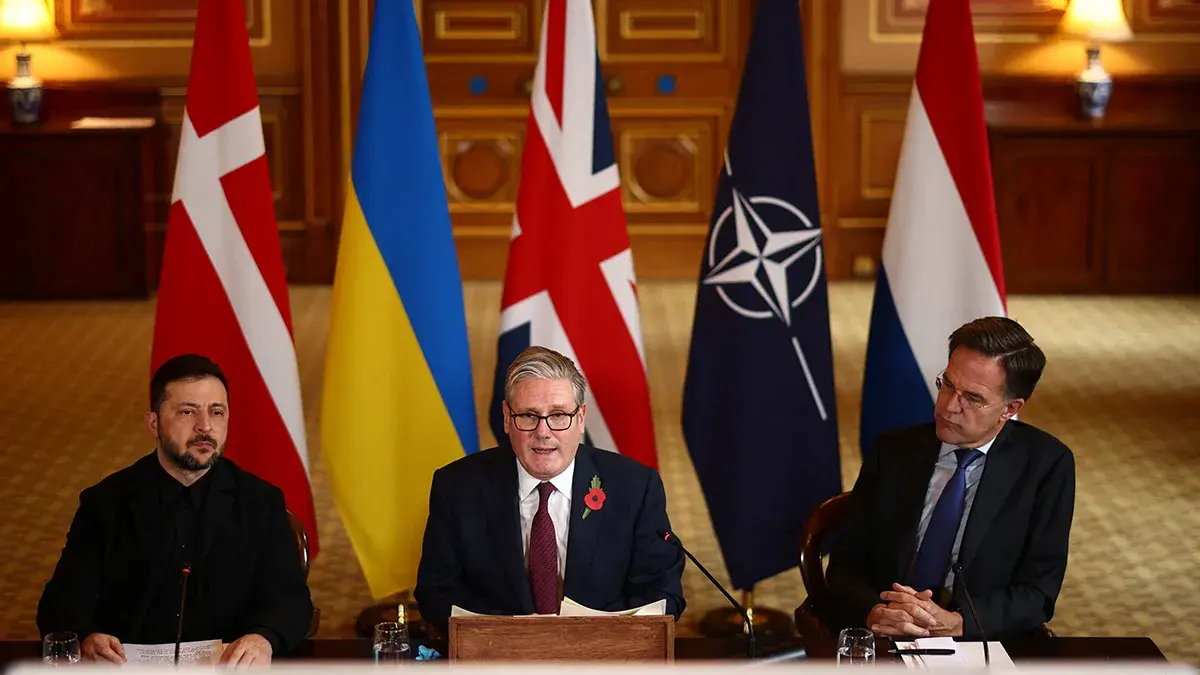
That's right. But Ukrainian President Zelensky has not given up. After his meeting with European leaders, he returned to this issue at his meeting in London with British Prime Minister Keith Starmer. There, they discussed frozen Russian assets, but also how to remove Kremlin oil and gas from the global market as a means of pressuring Vladimir Putin to stop this war. Most importantly, the UK's commitment to send long-range missiles to Ukraine ahead of winter has also been ratified.
If Ukraine is not granted these loans, which were discussed at the meeting with European leaders, it will need a loan of no less than €140 billion to supply itself with the weapons it needs for the winter and also for the financial aid it is in need of. At least the United Kingdom has confirmed that it will send these long-range weapons, which are so badly needed at the moment.
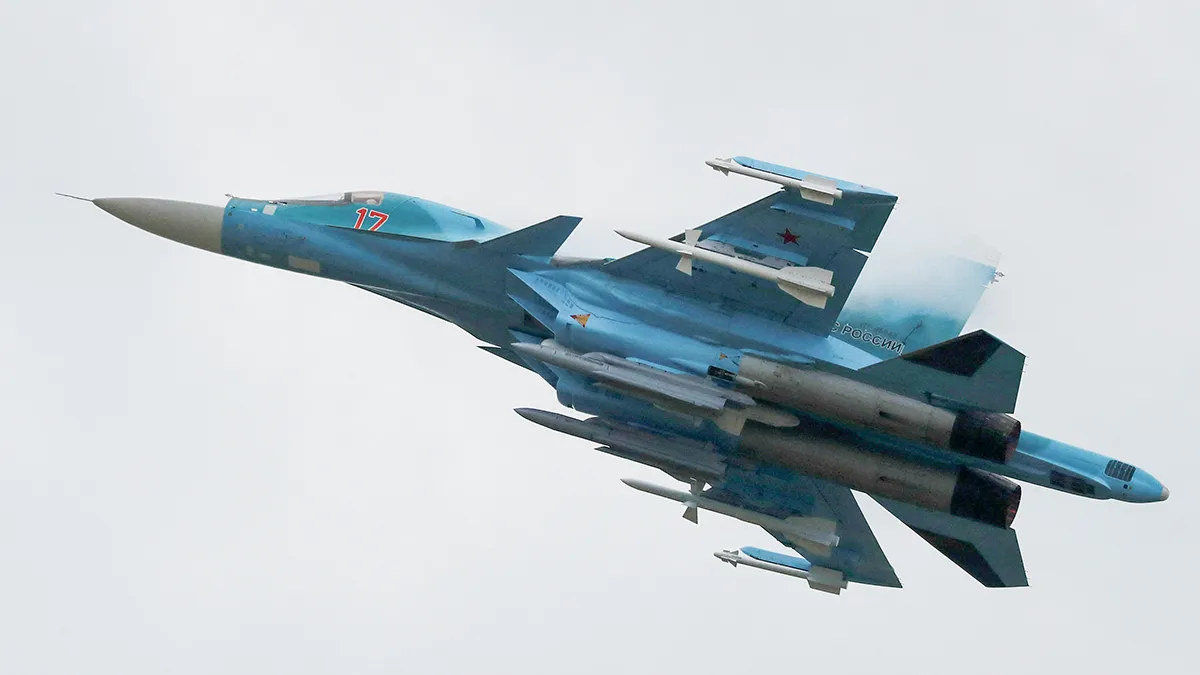
Meanwhile, there has been a new provocation, a new showdown or a mistake: 18 Russian fighter jets and a tanker aircraft have invaded NATO airspace in Lithuania. They say they were conducting manoeuvres. Two Spanish Eurofighters took off to intercept them.
This is what happens when there is no strong response from the European Union. Russia launched around twenty drones against Poland and three more against Romania in the following days, events that we reported on a month ago, with the intention of testing the European Union's resolve. It was a trial balloon to see how far Europe was willing to go to defend its airspace. And the truth is that we got nowhere. So we saw two Russian aircraft violating Lithuanian airspace and we saw Russia taking another step forward. But this time there was a response.
In this Atlantic republic, there is a deterrence mission deployed by NATO, in which Spain participates, and it was precisely the Spanish Air Force's Eurofighters that took off immediately to intercept the Russian aircraft. The incursion by the Kremlin's aircraft lasted only 18 seconds: they entered Lithuanian airspace by about 700 metres and, as reported by the Lithuanian government, they were a fighter jet and its refuelling tanker, both coming from Kaliningrad.
No explanation has been given by Moscow. Lithuanian President Nauseda did demand a response from Europe, but there is no indication that this will happen at this stage. No one has said anything about it.
What is the latest news? What consequences have the latest attacks by the Russian army had?
The latest Russian attacks have resulted in a nursery being bombed in Kharkiv and two journalists being killed in Donbass by a Russian drone, beyond Putin's threats that if Tomahawk missiles are used, the response will be shocking. Well, those Tomahawk missiles, which have not even arrived, have not been used, and Russia's response is already a wave of heavy bombing against several cities in Ukraine. Wednesday and Thursday were terrible days.
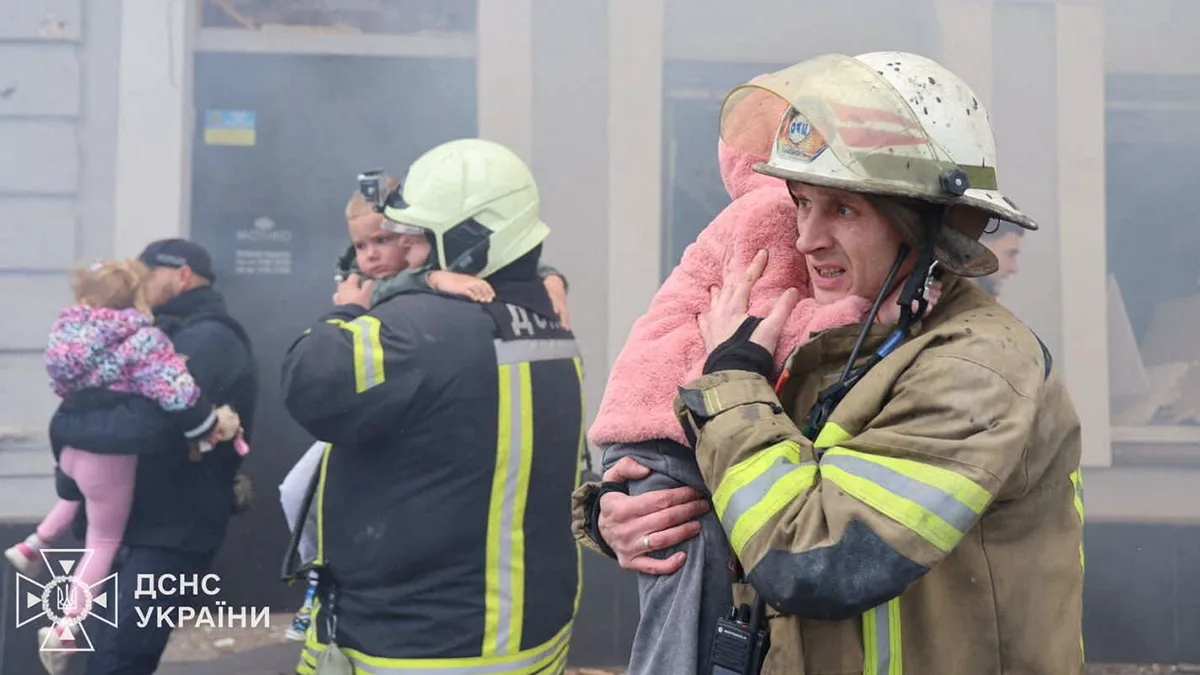
Russia bombed Kyiv, leaving a dozen people wounded. Drones were falling everywhere, in all districts, I was told from there. But then, on Thursday morning, there was a very strong attack on Kharkiv. We saw all those terrible images of children being evacuated from a nursery where a missile, not a drone, had struck. Fortunately, when the air raid siren sounded a few minutes earlier, the teachers at that nursery had taken all the children down to the building's air raid shelter.
The missile completely destroyed the nursery premises, and the fire brigade and rescue workers had to go down into the shelter to bring the children out one by one. They came out completely terrified, crying. The images were truly shocking.
A 50-year-old man who was walking down that same street was killed and several other people were injured. Fortunately, miraculously, no children were injured. But then, in Kupyansk, a city south of Kharkiv, there was another double strike.
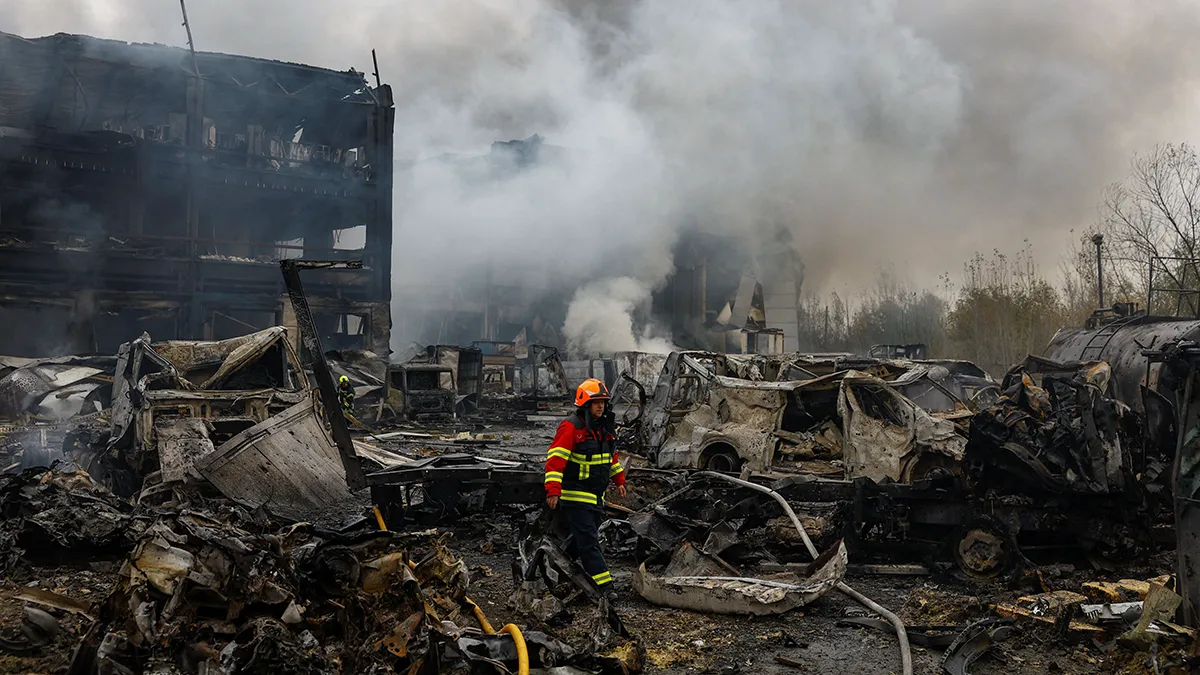
And there, in that second bombing, when rescue workers, doctors and police were assisting the victims, one rescuer was killed and five others were injured. And yesterday morning, here in Kramatorsk, where I am, two journalists were killed by a drone. They struck their car just as this Ukrainian television crew was covering the aftermath of those 24 hours of continuous bombing here in northern Donetsk, in Donbass.
In Kramatorsk, they hit the central market, a petrol station and several residential areas. And this team of journalists, Olena and her cameraman, Yevhen, were covering the consequences of those attacks when a Russian drone struck them and killed them both instantly. That makes three journalists killed in less than a month in Donbass by drones: a few weeks ago, a French colleague who was travelling with another journalist, a Ukrainian photographer, was killed and had to have his leg amputated.
Finally, Maria, you have been on one of the fronts there in Donbass this week. Is the Russian advance very rapid?
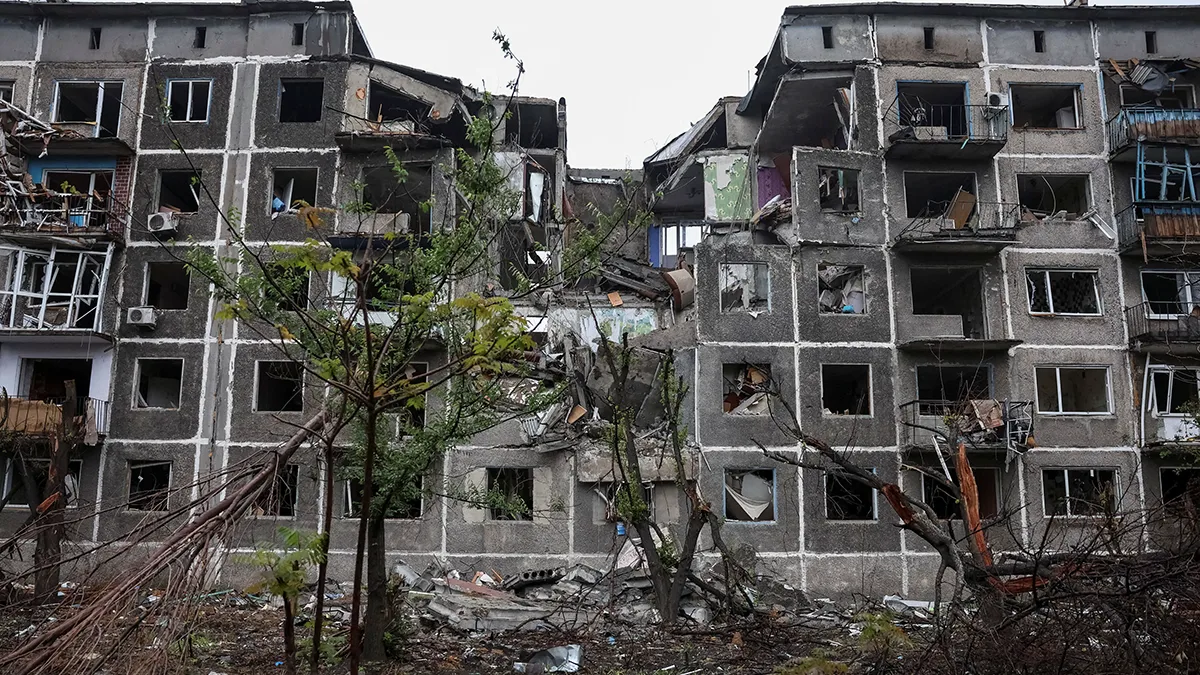
The Russian advance is extremely rapid. I was in the city of Dobropilia the other day and I am still shocked at how quickly the situation has deteriorated in that city, which is now lost. It was practically a ghost town.
There are still several thousand people living there, but since I have been covering the invasion and the war in Donbass, I have never seen a city fall as quickly as Dobropilia. To give you an idea, I was in this city at the beginning of August and arrived on a civilian bus from Kramatorsk, where civilians were travelling. In those first days of August, the situation was already very dangerous, because Russian drones, both fibre optic and FPVs, were arriving and the number of bombings was increasing.
This week, there are no longer any bus routes or anything like that. I had to get into a military vehicle with specialised soldiers who are covering the area, with drone signal jammers and soldiers stationed at the windows with Kalashnikovs. It looked like a ghost town; I only came across half a dozen civilians who were out looking for water or something to eat. In just two months, this city, which had a normal life and thousands of people living in it, has practically fallen. The advance of Russian troops in Donbass no longer consists of occupying cities and keeping the population inside with an occupying military force, where normal life can be carried on. For some time now, the Russian tactic has been to destroy these cities and expand the grey zone, and I have seen this clearly on this front in Pokrovsk, to which the city of Dobropolia belongs. At no point are they attempting to advance or establish Russian positions in these cities; it is simply systematic and massive destruction using drones, guided bombs and missiles to make the city uninhabitable, so that no one remains there, while at the same time breaking the logistical routes so that no one can come to rebuild them.