Boualem Sansal: ‘I control every word I say’
- The writer's imprisonment and state of health
- Experience and life in prison
- Political context and international relations
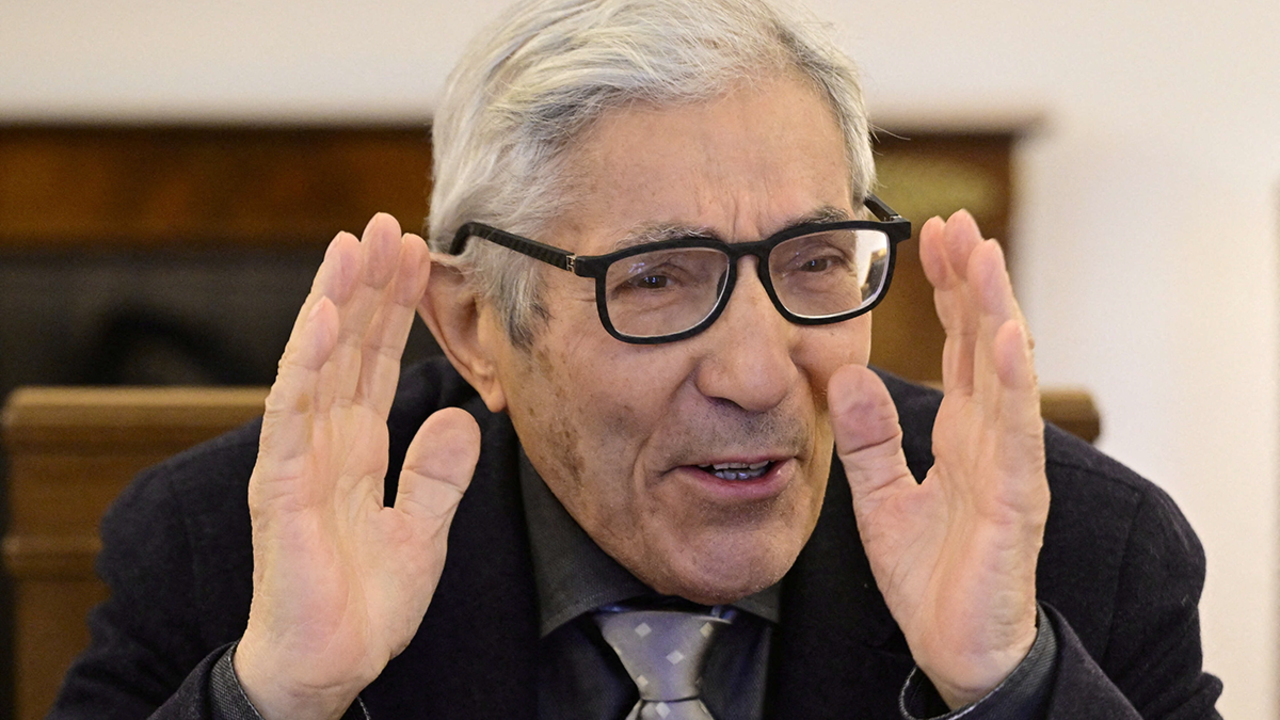
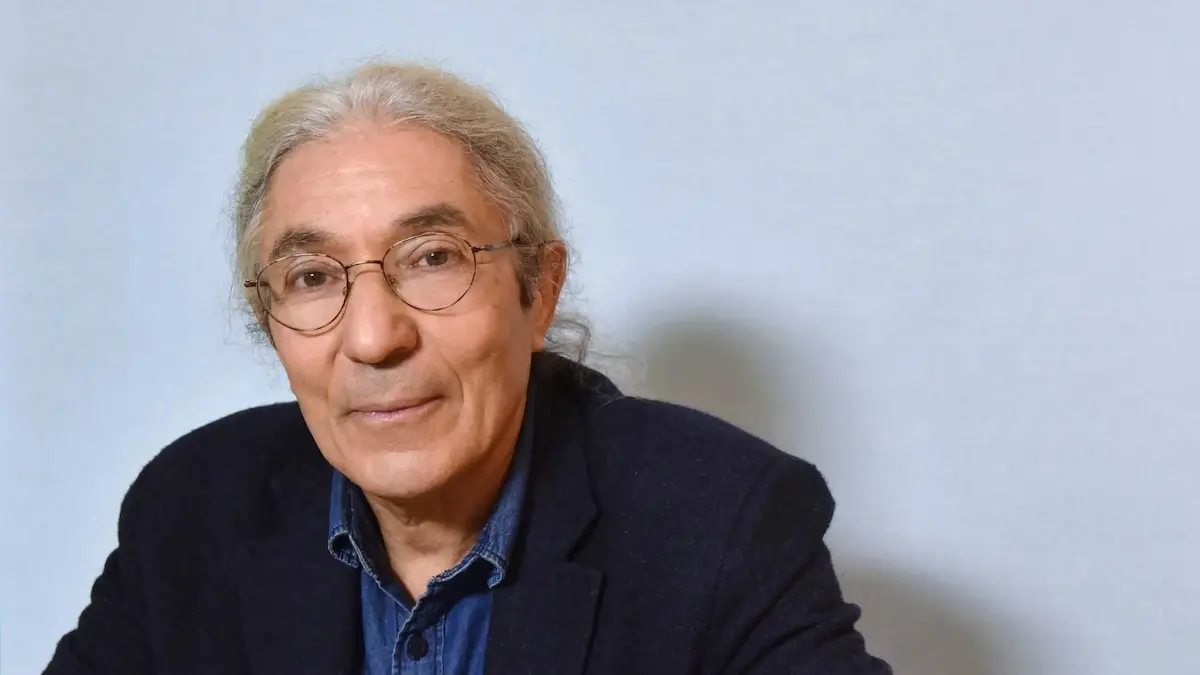
The 81-year-old Franco-Algerian writer Boualem Sansal has decided to break his silence. Pardoned by Algeria – following mediation by German President Frank-Walter Steinmeier – he was transferred to a hospital in Berlin and then to France, where he was received by President Emmanuel Macron.
However, it was not until this Sunday that the writer decided to recount his experiences in prison in a televised interview on France 2.
The writer's imprisonment and state of health
Visibly affected physically, Sansal began the interview by expressing his gratitude for the care and treatment he received at the Berlin hospital for his prostate cancer.
He then emphasised that it will be very difficult for him to feel like a free man again. ‘It will be difficult not to measure my words every time I speak. I don't speak naturally, because by nature I am quite euphoric, but here I control every word.’ This reflection was directed at his imprisoned colleagues, such as sports journalist Christophe Gleizes. ‘I fear for my family and I think about the risk that all my colleagues are running,’ he said.
🔴⚡️🇩🇿 "Ils m'ont passé une cagoule sur la tête et pendant six jours, je ne savais pas où j'étais."
— Le20h-France Télévisions (@le20hfrancetele) November 23, 2025
L’écrivain franco-algérien Boualem Sansal dévoile les coulisses de son arrestation à Alger. #JT20h pic.twitter.com/aURl5W7tSr
Experience and life in prison
Arrest and initial isolation
When asked about his time in prison, Sansal said that the moment of his arrest was the worst, as he was hooded and isolated for six days during which the writer said he did not know where he was or who he was with. ‘At times like that, time seems endless and you soon start to think you're going to die.’
'When I arrived in Algeria, the passport officers checked my passport and asked me for my name and my parents' names, and then they asked me to wait... I was there from 5 p.m. until 2 a.m.... Then people dressed in civilian clothes arrived, handcuffed me, put a hood over my head and took me to an unknown location... I remained in this state for six whole days without knowing where I was or who had kidnapped me... Every day I asked them who they were and what agency they worked for. All these problems with the Algerian regime began the day Macron recognised Morocco's sovereignty over its Sahara.'
Reasons for prosecution and imprisonment
Sansal pointed out that the reasons for his imprisonment were his strong criticisms of Algeria. However, the day before his release, he told the prison guard who released him that he had never criticised the country, but rather ‘the regime, the people and the dictatorship’.
As he pointed out on another occasion to the French newspaper Le Figaro, Sansal has always suspected that his arrest was forced by France's recognition of Moroccan sovereignty over Western Sahara.
Political context and international relations
However, Sansal reflected on the state of relations between Paris and Algiers and stressed that the current situation between the two countries is at a standstill because the ‘rhetoric of the war of liberation’, which is more than 60 years old, continues to be used. ‘I have always been in favour of reconciliation between France and Algeria,’ he concluded.
With regard to the French authorities, Sansal described the former French Interior Minister, Bruno Retailleau, as a ‘friend’, but pointed out that the harsh rhetoric used against Algeria may have complicated his release from prison, although the writer is confident that, regardless of whether or not Retailleau used such rhetoric, ‘Algeria would have reacted in the same way’.