Bourita: ‘No one has ever said that self-determination is the same as a referendum’
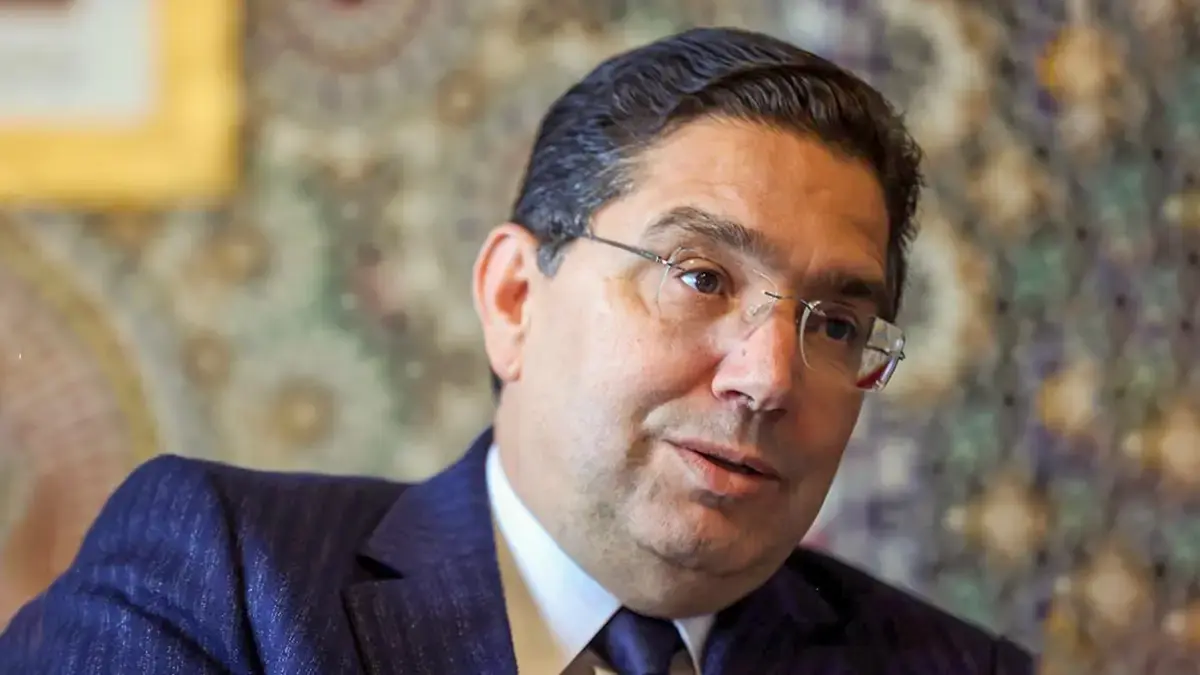
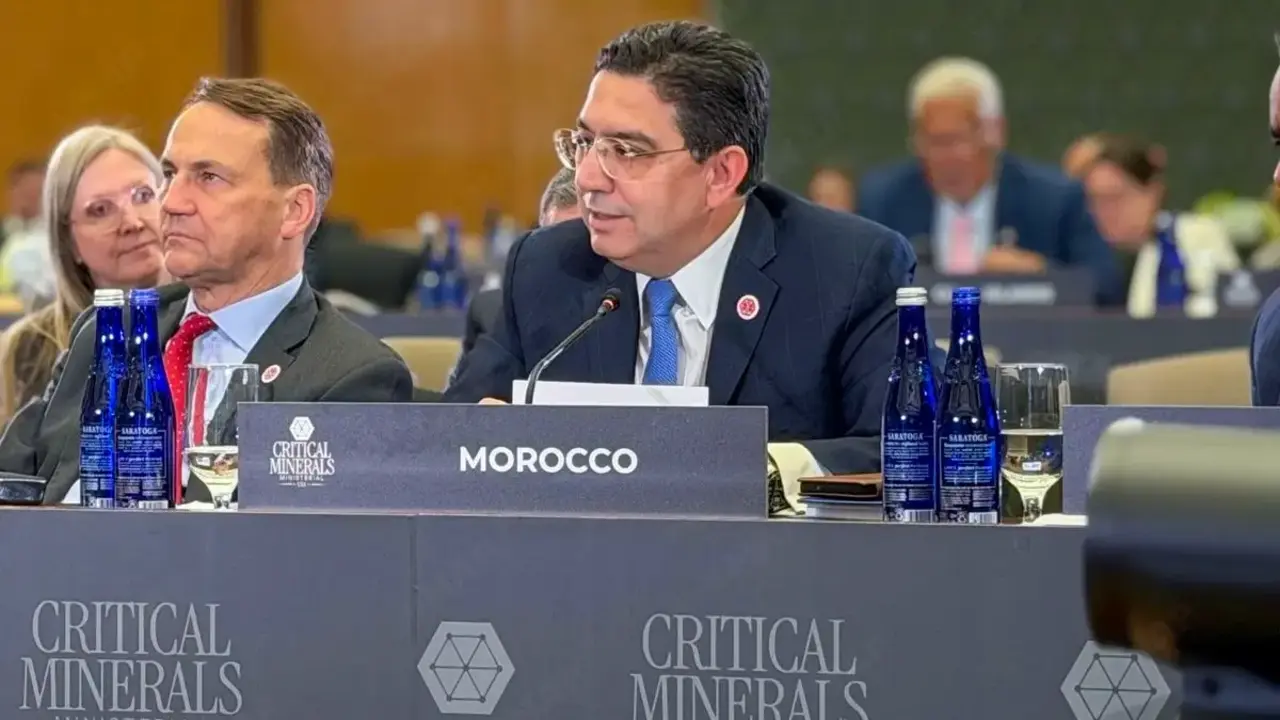
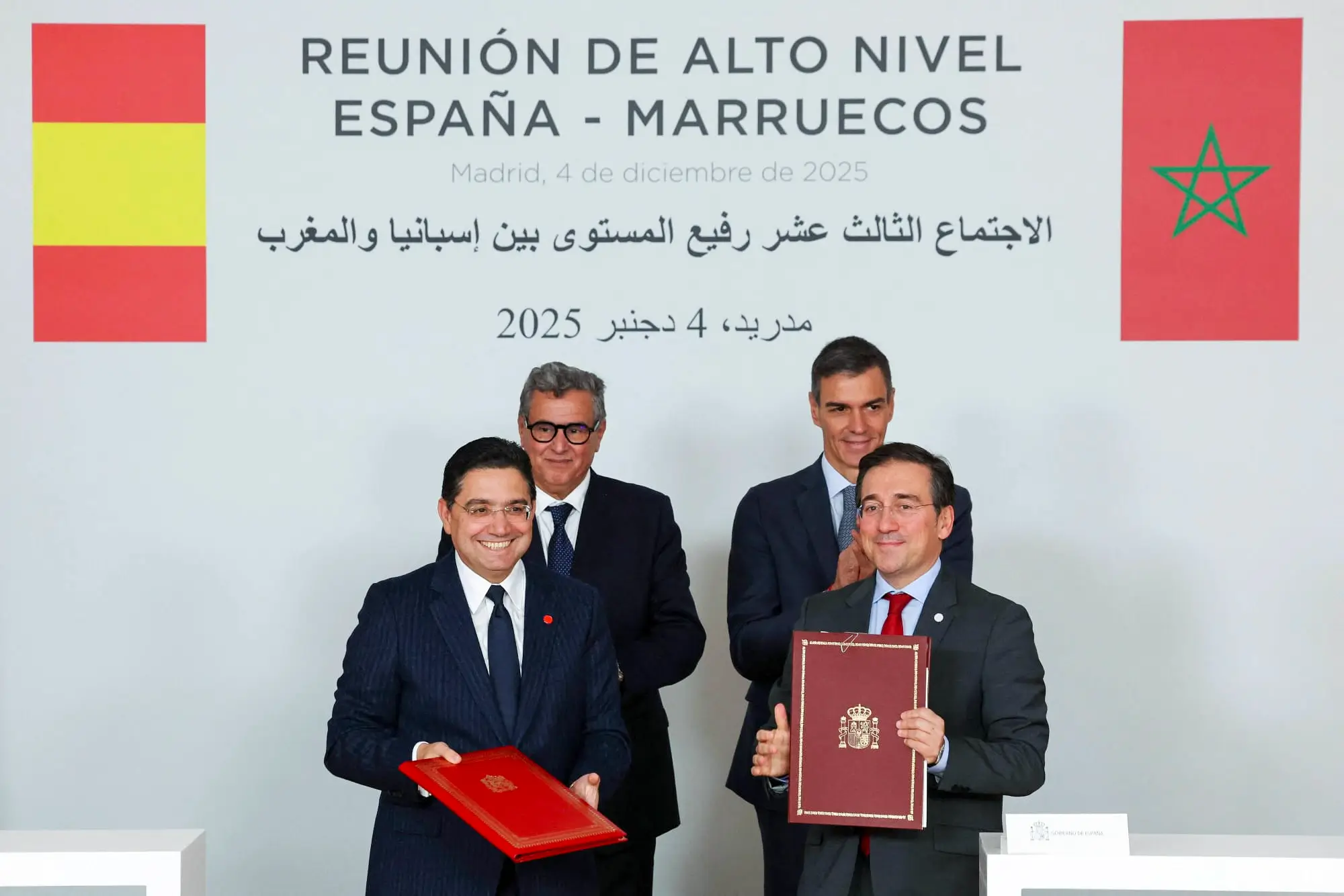
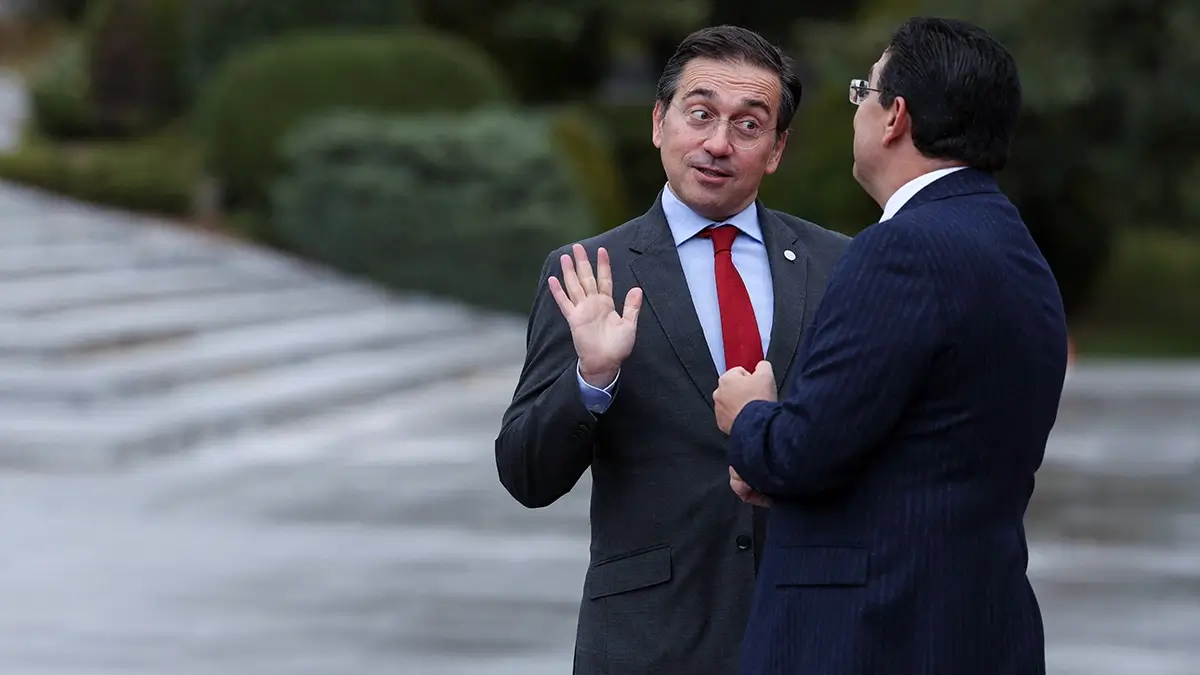
During the 13th High-Level Meeting between Spain and Morocco in Madrid, Nasser Bourita, Morocco's Minister of Foreign Affairs, gave an interview to the EFE news agency in which he reviewed the agreements signed with his Spanish counterpart, José Manuel Albares, the situation in the Sahara following UN Security Council Resolution 2797, and talks with Spain on maritime boundaries with the Canary Islands.
When asked about the recent UN Security Council resolution, Bourita stated that ‘nowhere does it say that the right to self-determination is a referendum’ and that ‘no one has ever said that self-determination is equal to a referendum’.
He explained that it is a ‘will’ that can be expressed in other ways and that restrictive interpretations respond to political, not legal, ends.
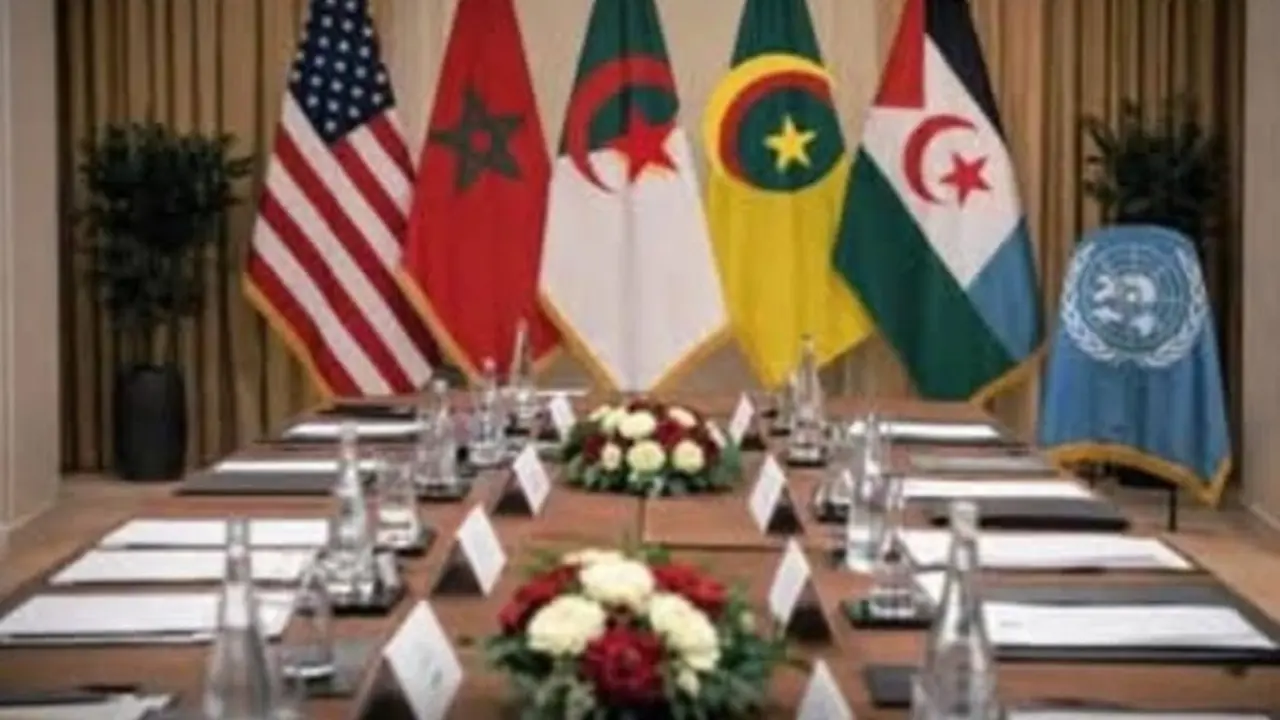
Regarding Morocco's acceptance of the 31 October resolution, he pointed out that it represents ‘a break with everything the UN had done until now’ and clarified that it defined ‘the basis for negotiation: the 2007 Moroccan Autonomy Plan’, 'the end point of the negotiation: true autonomy under Moroccan sovereignty,' 'the parties: Morocco, Algeria, Mauritania, the Polisario,‘ and ’the roadmap for the negotiations and their objective.'
Regarding the Spanish position, Bourita stated that ‘Spain and President Sánchez have been pioneers in understanding that there is an international will to make autonomy the anchor point for any solution’ and recalled that ‘the 2022 declaration said that the Moroccan Autonomy Plan is the serious and credible basis for the solution.’
Regarding the next steps, he indicated that ‘the resolution must be implemented’ and that ‘the resolution calls on the parties to engage in negotiations based on Morocco's Autonomy Plan in order to reach a just, lasting and mutually acceptable solution.’
He added that Morocco will update its Autonomy Plan because ‘18 years have passed and many things have changed in Morocco since then,’ including a new Constitution and development model.
Regarding negotiations with the Polisario Front, Bourita explained that ‘Morocco will engage with the other three parties identified in the resolution in a very clear manner’ and that there is no specific date because ‘Morocco is waiting to be invited to negotiations at the appropriate time.’
Asked about the role of European partners, he replied that ‘Morocco hopes that this issue will be resolved definitively’ and stressed that the Autonomy Plan has international support: ‘When countries such as Spain, France, the United Kingdom, the United States, Germany and the Netherlands support this Autonomy Plan, they are not acting in support of something that is contrary to international law’.
Regarding the Sahrawi population, Bourita stated that ‘no, there is a population’ and that Morocco is working with it. As for a possible international monitoring mechanism, he pointed out that it is 'not' necessary because ‘when the autonomy is signed, it will be implemented’ and that Morocco trusts the international community to support its Autonomy Plan.
Finally, on the subject of the Sahara's airspace, he indicated that ‘for Morocco, everything that is anachronistic must be updated’ and that Spain and Morocco ‘have the capacity to find imaginative solutions to all issues that preserve their mutual interests.’