Cilia Flores: The woman behind the power in Venezuela

- Political career
- Personal life and role with Maduro
- Influence and controversies
- Famous quotes by Cilia Flores
Cilia Adela Flores de Maduro, born on 15 October 1956 in Tinaquillo, Cojedes State, is a Venezuelan lawyer and politician, wife of President Nicolás Maduro and a historic figure in Chavismo.
She graduated in law from the Santa María University in Caracas, specialising in criminal and labour law. Her political career began in the 1990s, linked to left-wing sectors and the movement led by Hugo Chávez.

Political career
Flores became known as a defence lawyer for military personnel involved in the failed coup d'état of 1992, including Hugo Chávez, which marked her rapprochement with the Chavista movement. She later founded the Bolivarian Human Rights Circle and joined the MBR-200, the precursor to the United Socialist Party of Venezuela (PSUV).
Among her most important positions are:
- Member of the National Assembly (2000-2011): where she was re-elected several times, consolidating her position in Parliament.
- President of the National Assembly (2006-2011): the first woman to preside over the Venezuelan legislative chamber.
- Attorney General of the Republic (2012-2013): head of the national prosecutor's office during Hugo Chávez's term.
- Member of the National Constituent Assembly (since 2017) and leader of the PSUV, consolidating her influence in the party's decision-making.
Flores has been recognised for building a network of power within the state, placing family members and allies in key positions and playing a strategic role behind Maduro's presidency.
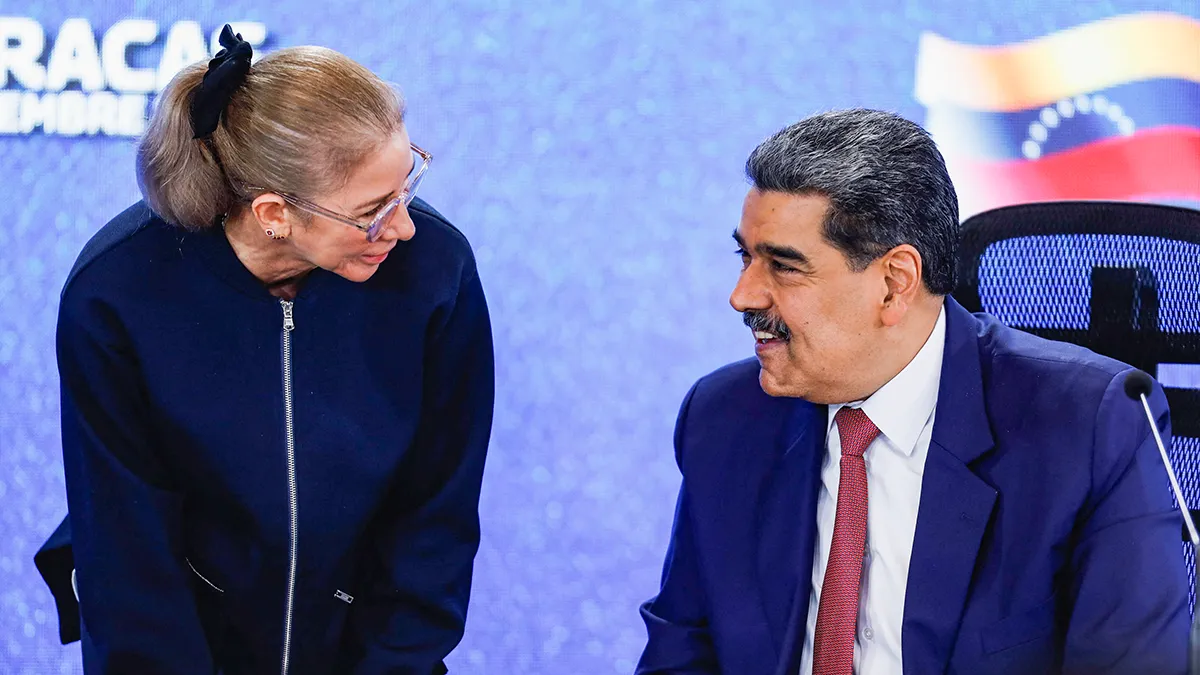
Personal life and role with Maduro
Cilia Flores and Nicolás Maduro met in the 1990s and married in July 2013, shortly after he took office as president. Flores has three children from a previous marriage: Walter, Yosser and Yoswal Gavidia Flores.
Her official title within the government is not ‘first lady’, but has always been ‘first combatant’, reflecting a revolutionary discourse and her participation in state politics.

Influence and controversies
Flores is considered a figure with real power beyond her ceremonial role, influencing appointments, legal policy, and state decisions. She has been accused of nepotism and favouring family members and close associates in public office.
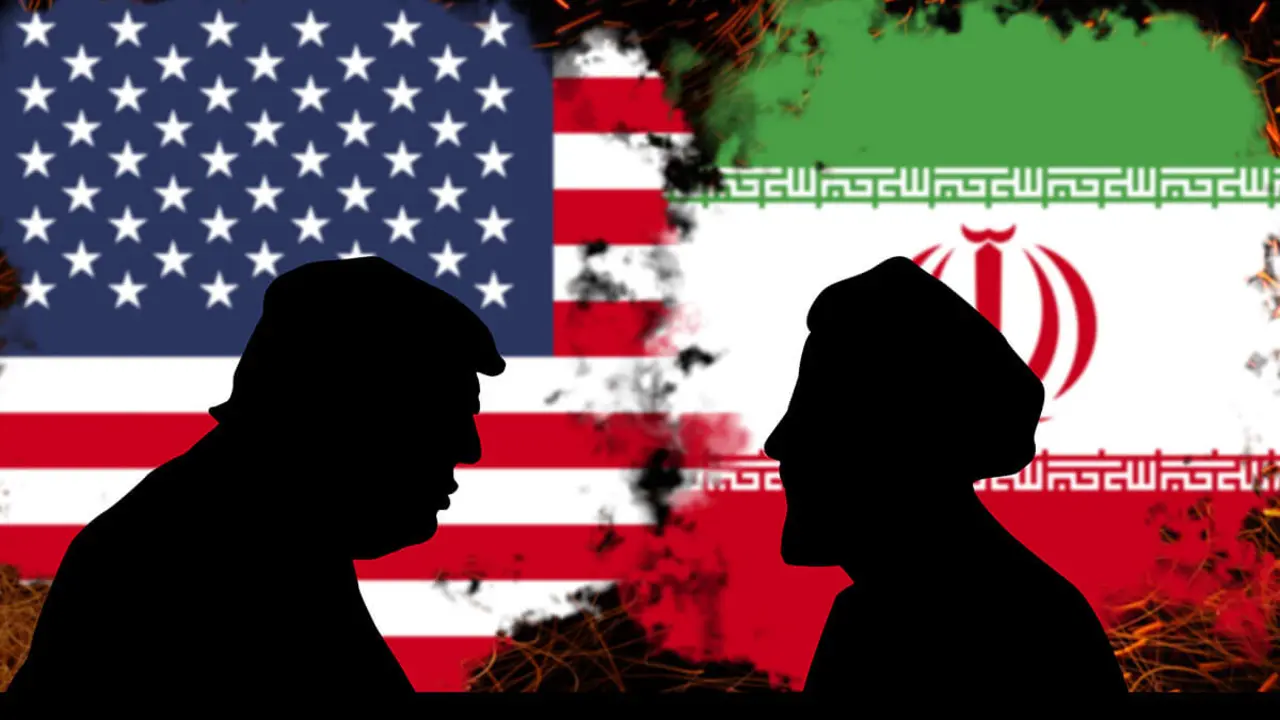
The United States and Canada have sanctioned her for her role in consolidating the regime's power and for alleged links to drug trafficking and corruption networks. In 2021, a federal indictment was made public in the United States implicating Maduro and Flores in a conspiracy linked to drug trafficking.
In January 2026, both were captured by US forces as part of these investigations, marking a dramatic turn in their political influence and in Venezuela's recent history.
Famous quotes by Cilia Flores
‘The fascists will never be able to defeat the people.’ Statement made at a public event, in which Flores defended the Venezuelan government against opposition groups that, according to her, sought to destabilise the country. It reflects her rhetoric of political confrontation and defence of Chavismo.
‘Venezuela is a territory of peace, which is why they will not be able to gain power here by any means, least of all through violence...’ Quote from an official speech during a political event. Flores emphasised that violence and force would not allow the opposition to take power, consolidating her position as the ‘first combatant’ against external threats.
‘As long as there is more democracy, we will have more peace.’ Statement made after participating in an electoral process. The phrase highlights the regime's narrative on Venezuelan democracy according to its version, linking electoral participation with stability and social peace.
‘We are men and women of peace, who will always bet on compliance with the Constitution.’ Uttered in the context of elections or official public events, where Flores sought to project Chavismo as the guarantor of legal order and respect for the Venezuelan Constitution.

‘Women make up more than half of the population, but we are also the mothers of the other half.’ Said during an event for International Women's Day.
The phrase underlines her vision of the central role of women in society and in the Bolivarian Revolution, asserting their political and social influence. ‘We are not flowers that the wind can uproot, we are roots of rebellious and loyal earth...’ Excerpt from a poem recited by Flores at a Women's Day commemorative event.
The phrase seeks to convey strength, resistance and loyalty, both personal and political, within the framework of Chavismo.
‘If God is with us... Who? No one.’ Expressed in a public speech, where Flores linked the country's situation to divine protection. The phrase seeks to reinforce the idea that the nation will continue to prosper under the guidance of the government and faith, projecting a message of confidence and legitimacy.