Delcy Rodríguez assumes interim presidency of Venezuela after Maduro's capture and opens the door to negotiations with the United States
The Supreme Court will order her appointment to ‘ensure continuity’ in the nation and she is expected to be sworn in on Monday, becoming the first woman to lead Venezuela
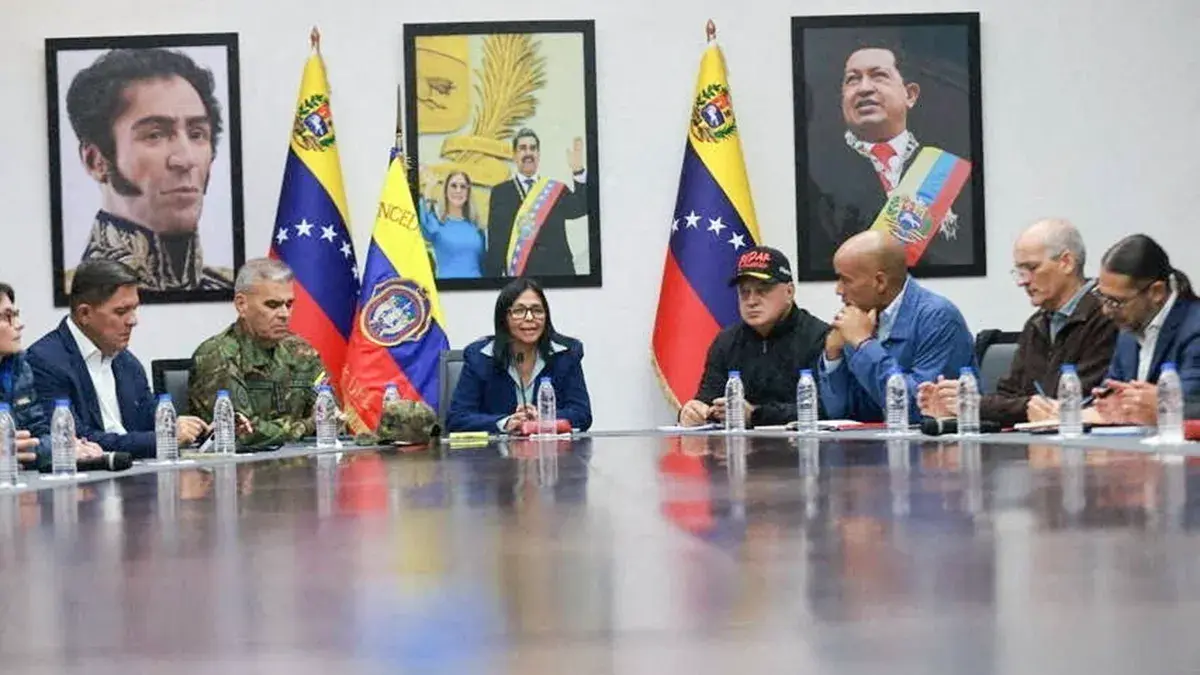
- Delcy Rodríguez in power
- What does the law say in Venezuela?
- Internal crisis in Venezuela?
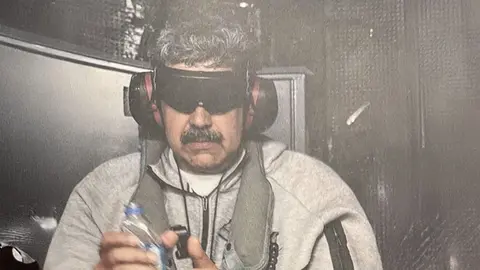
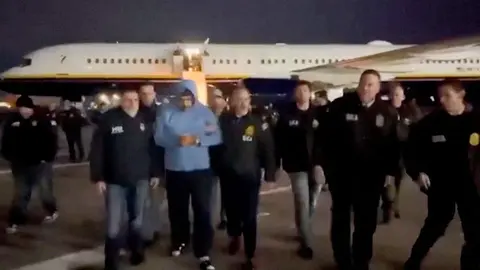
- The future of Nicolás Maduro
- Current outlook
- Relations with the United States and international reactions
- Key national issues
The capture and transfer to New York of Nicolás Maduro by the United States last Saturday has precipitated a political earthquake in the Caribbean nation that has positioned Delcy Rodríguez, until now vice-president, as the first female interim president of a country under military, diplomatic and constitutional pressure.
Delcy Rodríguez in power
Delcy Rodríguez will probably become the interim president today, Monday, so that things remain as they are, not so that they change. Her position serves to give Chavismo the image that everything is still in order and that the government is in control, in one of the most difficult and important contexts in Venezuelan politics.
However, it is expected that she will be sworn into office and that the support of the institutions will give her strength within the country, although the decision is generating divided opinions in the international arena. It should be remembered, however, that Rodríguez ‘is not new to this’ and already had a lot of power within the government.
Delcy Rodríguez is one of the most important figures in Chavismo today. She has been Foreign Secretary, has managed the economy and oil, and has been key in Maduro's government.

In recent years, she has come to have more power than the detained president himself. Her rise is not coincidental, but the result of accumulating power, loyalties and control of strategic areas of the state.
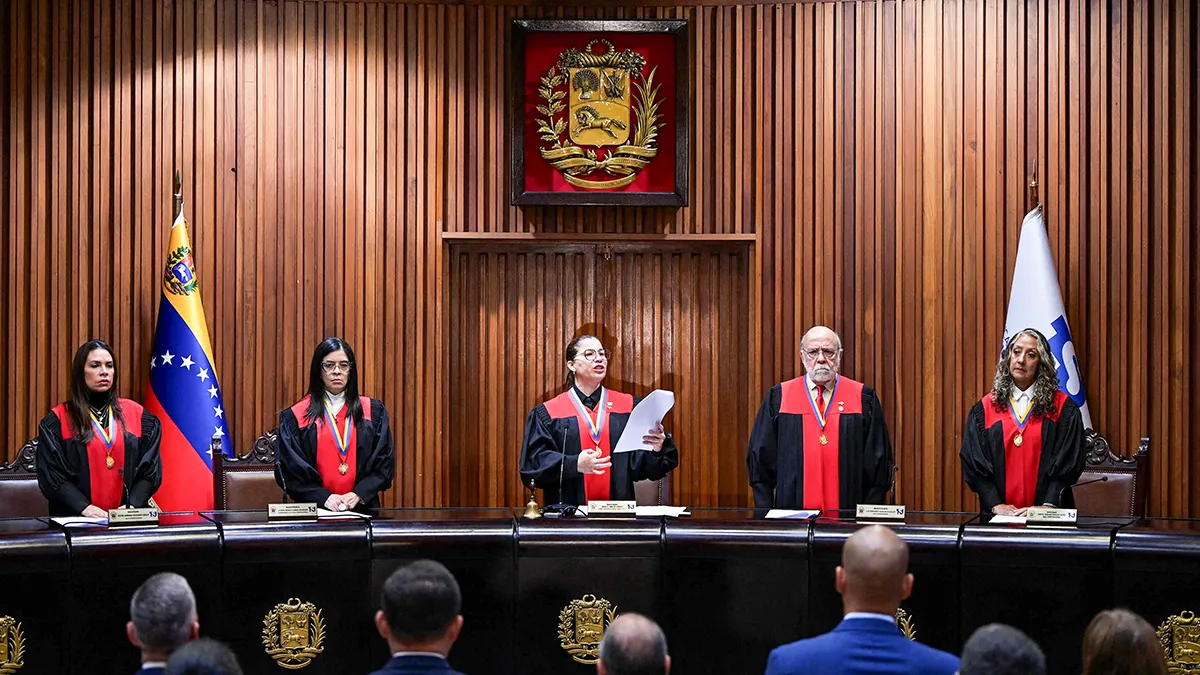
What does the law say in Venezuela?
In the absence of power, the Supreme Court of Justice (TSJ) ordered the application of Articles 233 and 234 of the Venezuelan Constitution. These articles clarify all possible scenarios in the event that the president is absent for a period of time or is no longer able to govern, specifying who would be granted the opportunity to take control of the government and how this would be done.
But to do so, it is first important to understand the law: if the president is absent for a period of time, which is foreseeable, someone must replace him, but only for that period of time. However, if he is no longer able to govern de facto, Venezuelan law states that elections must be called. In this way, Chavismo, using the TSJ, ensures that it manages the timing so that its power does not suddenly collapse.
Internal crisis in Venezuela?
The Bolivarian Armed Forces have already publicly stated that they will support the decision of the TSJ. This is a fundamental fact in Venezuela, where military – and paramilitary – support is key to the functioning of a government.
The opposition is in an unprecedented situation, unable to do much in this new scenario. All this change is happening within Chavismo, and for now there is no one in the opposition with enough strength to compete for power, as pointed out by US President Donald Trump.
The future of Nicolás Maduro
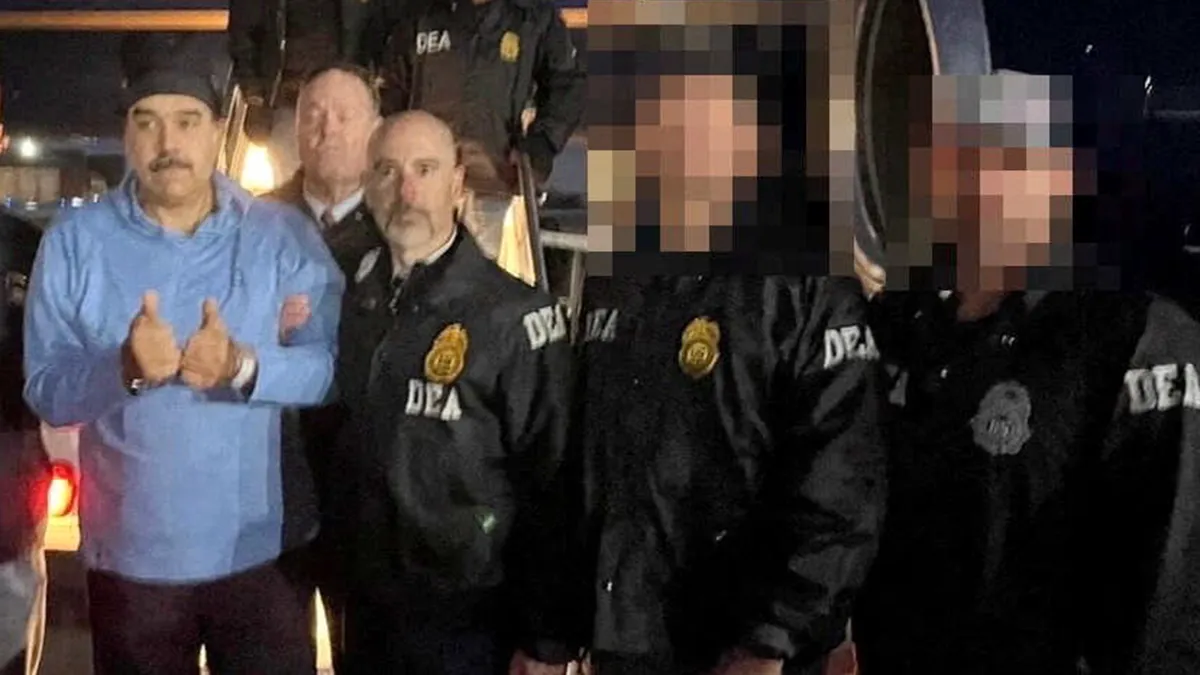
Although he has been arrested, Maduro remains a symbol for Chavismo. Rodríguez says he is the ‘only legitimate president’ and calls for his release, keeping his figure alive to unite the group.
But his time out of power diminishes his influence, so Chavismo will begin to reorganise without him as its main figure, using his detention as a political banner and as a bargaining chip in negotiations with the United States.
Current outlook
The country is entering a period of forced change, with outside interference and Chavismo controlling everything from within. The Constitution states that there may be elections, but whether or not they take place depends more on political calculations than on legal deadlines.
The greatest danger is that there will be a controlled change that leaves power in the hands of another leader, but without any real change. The question is not only when there will be elections, but how and who will be able to truly compete.
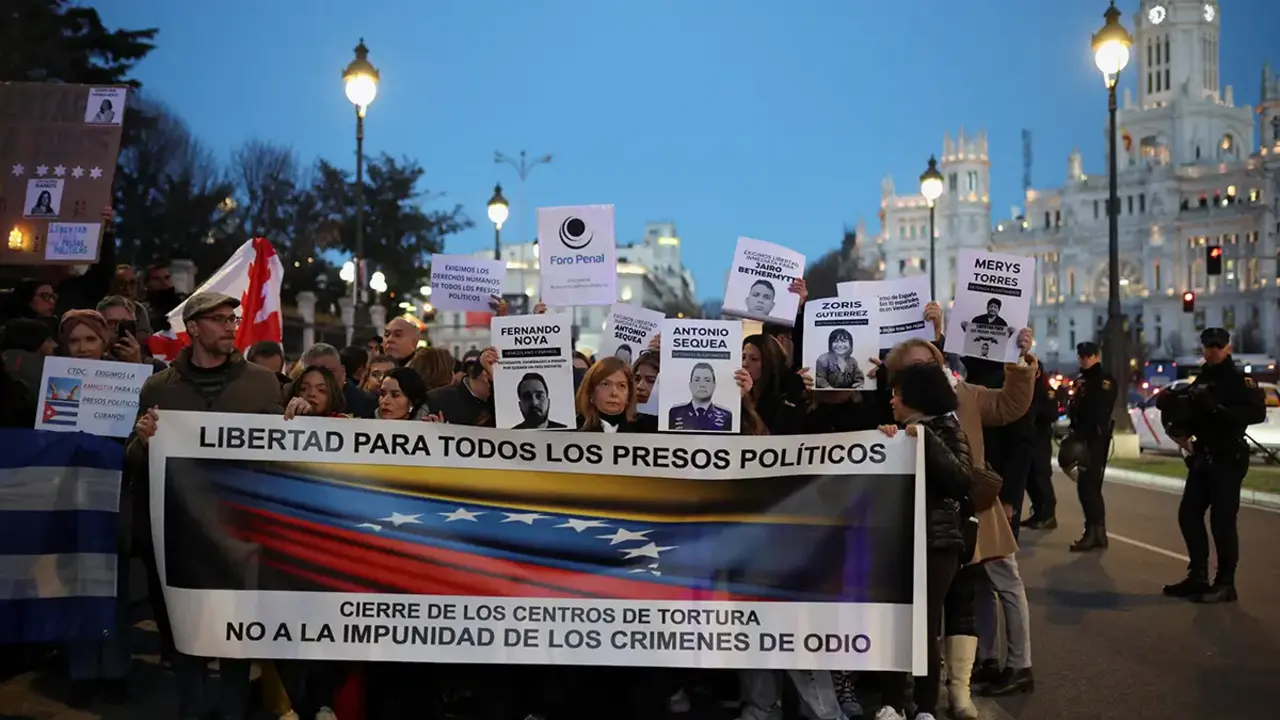
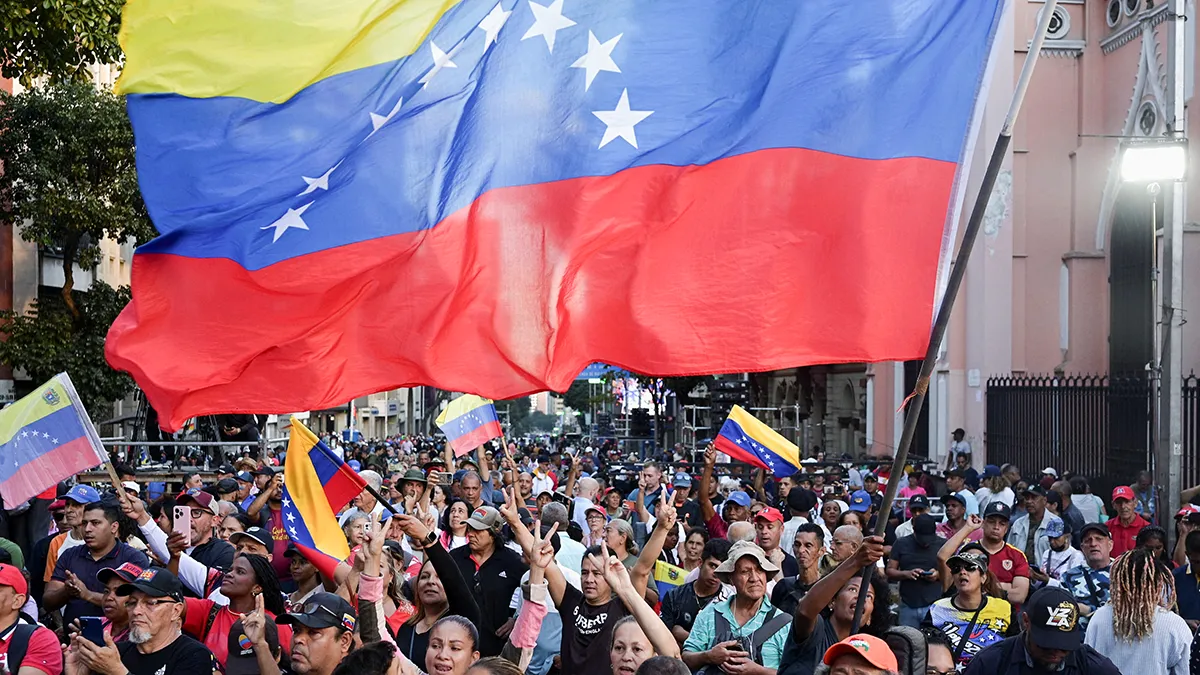
Despite the cheers, applause and shouts of joy heard from windows and balconies across the country, press correspondents from media outlets around the world noted that the feeling within the country is one of utter fear. This is why only a few dozen people across the country took to the streets, as Delcy Rodríguez had requested.
Fear of the motorised patrols of paramilitaries, which are common in the uprisings against the government in Venezuela, is the main cause of fear among Venezuelans, according to data from street interviews in the country's major cities.
Relations with the United States and international reactions
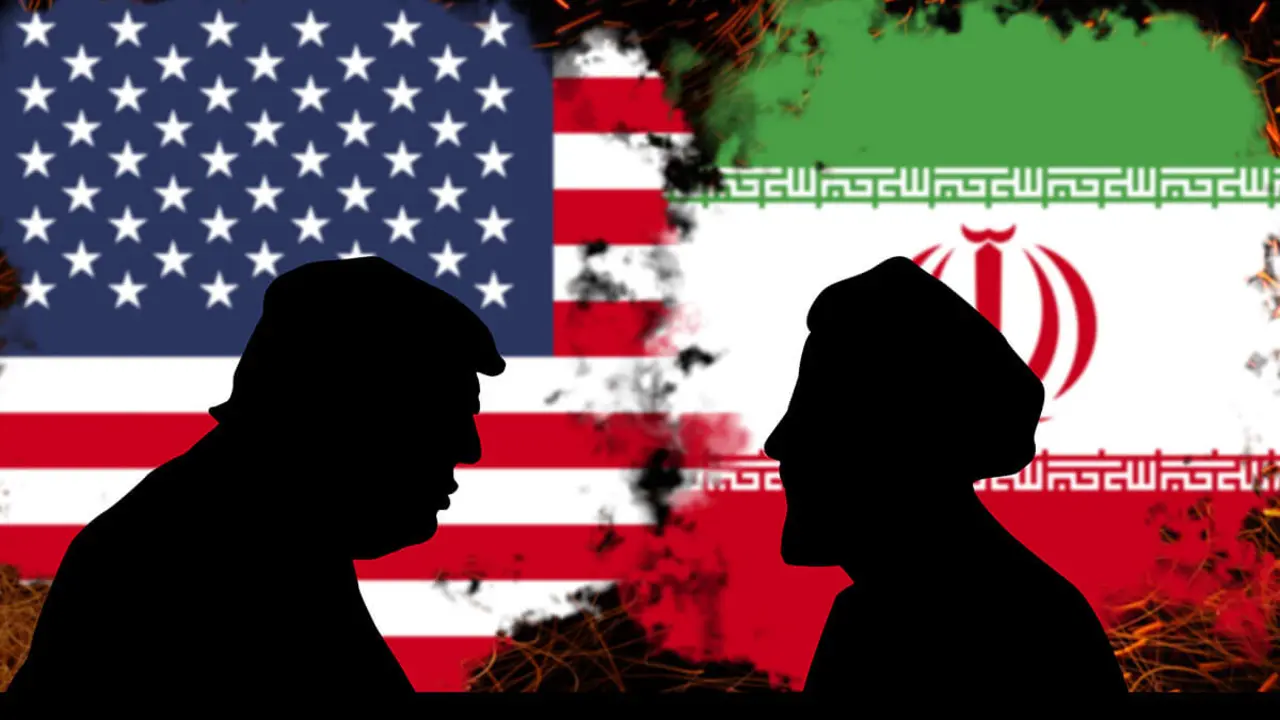
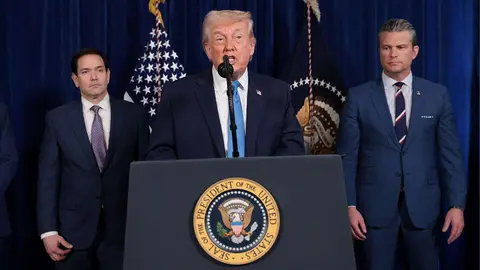
The United States sees Delcy Rodríguez as the key person to talk to in this new phase. Donald Trump has made it clear that Washington wants to take the lead until there is a proper transition, which already marks an imbalance of power from the outset.
Rodríguez, for her part, talks about defending sovereignty, but also makes gestures of openness. The proposal for a ‘cooperation agenda’ reveals pragmatism and an awareness that the political survival of Chavismo depends on negotiating with those who currently hold the initiative.
Other countries are watching this very new situation with caution. Venezuela's ‘long-standing friends’ are in a dilemma: should they support the current government, as the law dictates, or accept the new order imposed by the United States?
Sanctions, the recognition of governments and aid from other countries are once again the topic of conversation. Once again, Venezuela has become a chess game where the interests of the region and the entire world collide.

Key national issues
Beyond the individuals involved, the main problem is who controls what. The idea that the country is independent clashes with the direct intervention that changes the rules of the game for the Venezuelan government and all its allies.
The important question is not only who is in power, but who really decides how things go. Between Caracas and Washington, the near future of the country is being decided, with a change that seems less discussed than it appears publicly.