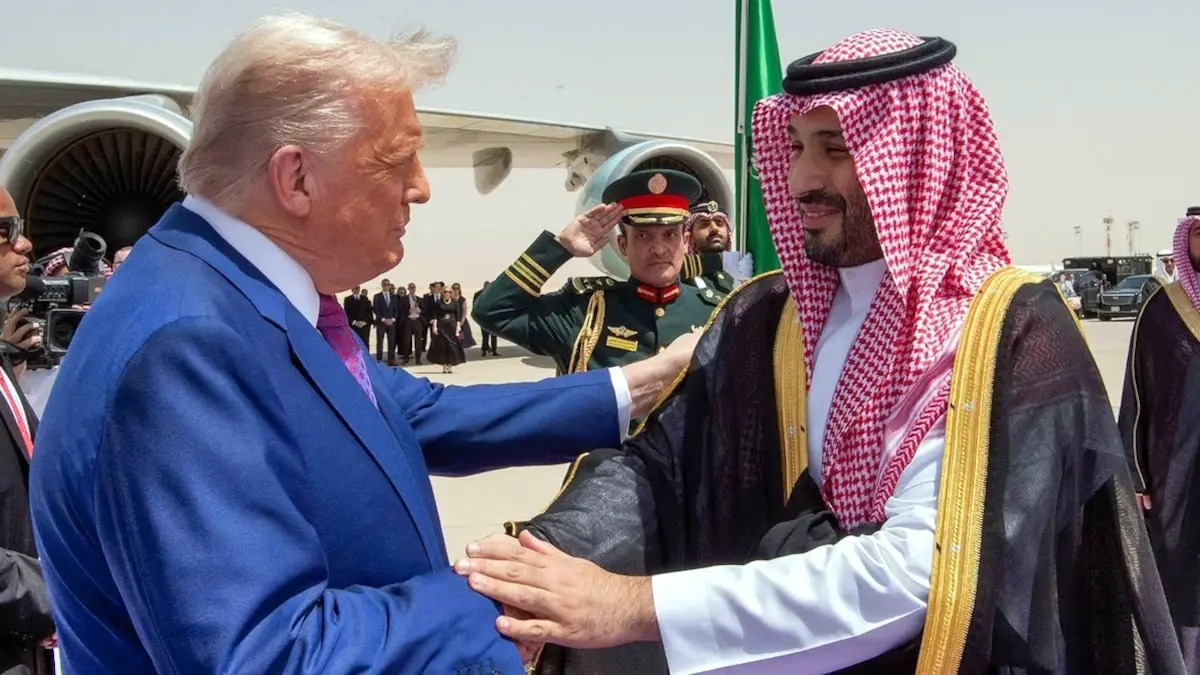
Donald Trump welcomes Mohammed bin Salman with trade, nuclear and defence agreements
- Renegotiation of the Abraham Accords?
- Shift in military balance in the Middle East
- Iran's role in the region
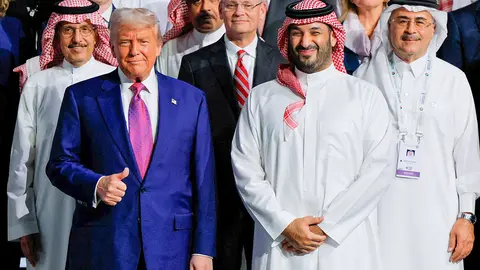
Donald Trump, President of the United States, and Mohammed bin Salman, Crown Prince of Saudi Arabia, meet in Washington seven years after their last visit in 2018 to negotiate trade, defence and nuclear energy agreements, in the context of the White House announcing the approval of the sale of 48 F-35 fighter jets to Riyadh and the Security Council's announcement of the establishment of a ‘peacekeeping force for Gaza’ with 13 votes in favour and abstentions from China and Russia.
This visit confirms that relations between the two countries have recovered from the tension generated by the death of journalist Jamal Khashoggi. This trip will also serve to assess the investments promised by Riyadh of more than $600 billion last May. These contracts relate to technology, through investment in data centres for artificial intelligence companies, and manufacturing and defence.

Renegotiation of the Abraham Accords?
Donald Trump's relations with the major monarchies of the Gulf countries, in addition to serving as a bridge for investment, seek to maintain stability in the region. In this context, it is expected that during Mohammed bin Salman's visit, the US president will insist on the normalisation of relations with Israel under the Abraham Accords.
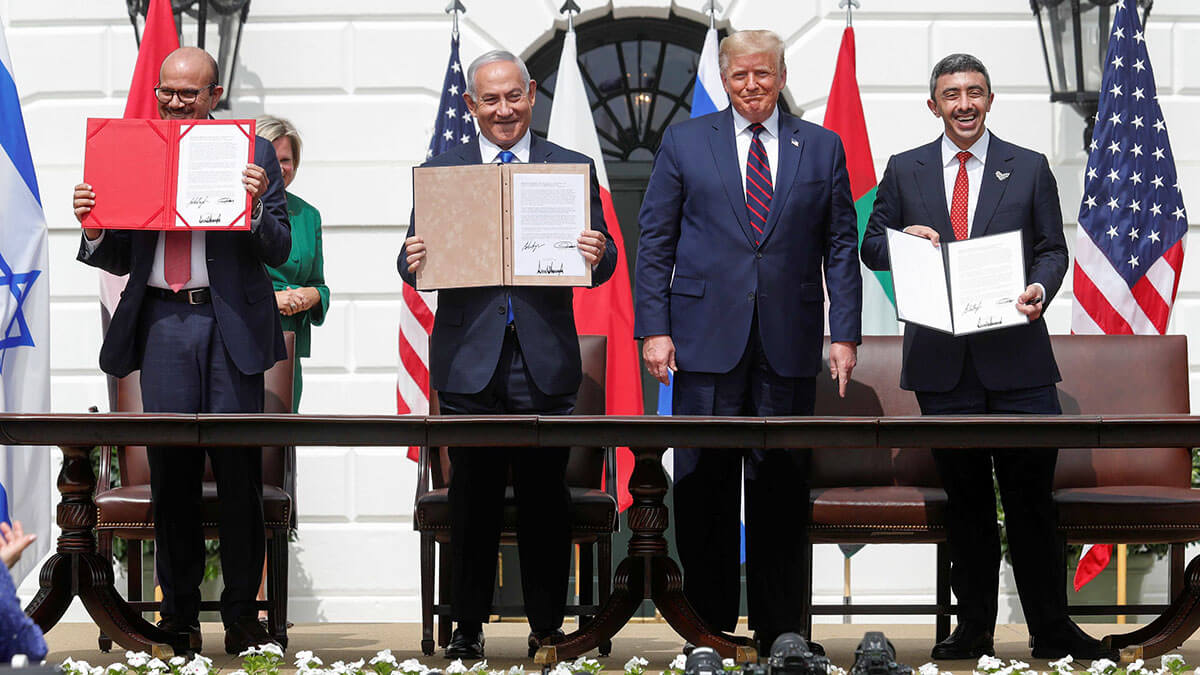
Since their signing five years ago, the Agreements have been a key pole of stability in the region, surviving the tension that has engulfed the region since Hamas terrorists attacked Israel on 7 October 2023.
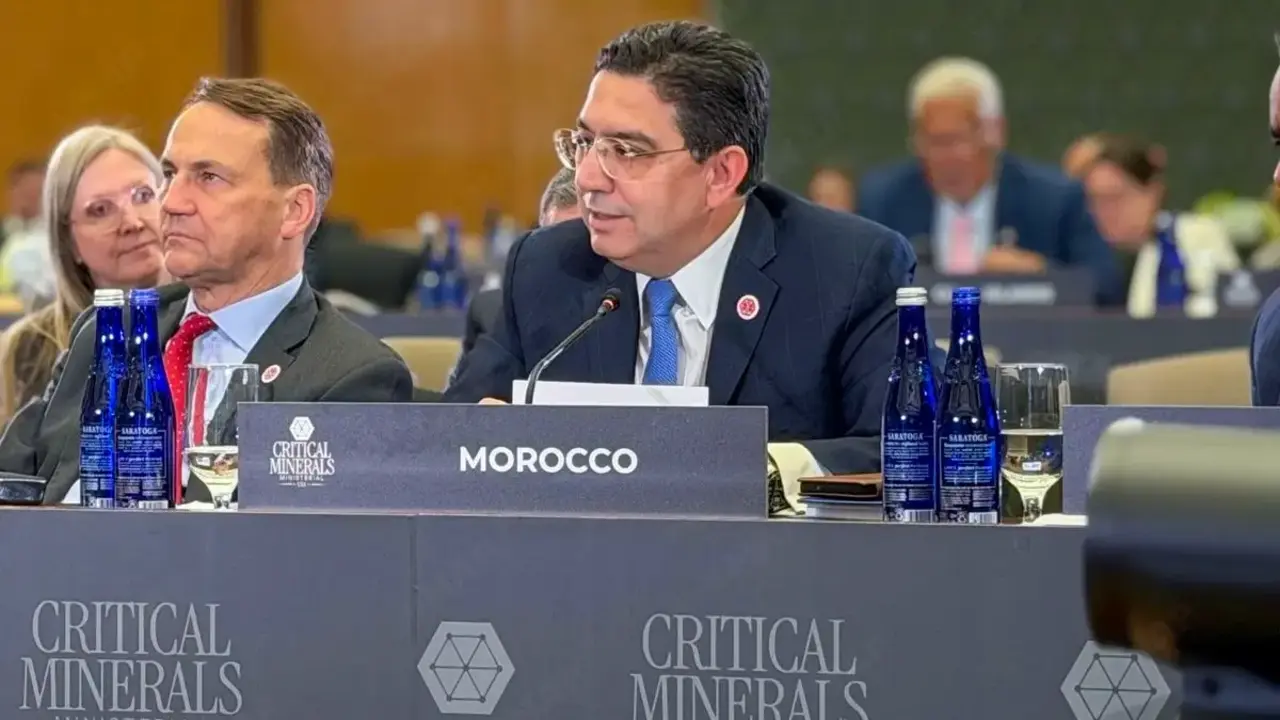
At that time, Saudi Arabia was predisposed to join Bahrain, the United Arab Emirates, Morocco and Sudan, but the evolution of the conflict paralysed talks that Donald Trump hopes to continue. However, he will first need Saudi Arabia to confirm de facto recognition of the State of Israel.
Shift in military balance in the Middle East
Since Trump came to power in the United States, diplomatic efforts to strengthen ties with Saudi Arabia have been commonplace, and were confirmed last Monday when the United States announced the sale of F-35 fighter jets to Saudi Arabia, joining Israel as the only countries in the region to possess these aircraft and positioning Riyadh as the only country in the Arab League with the most advanced American technology.
The decision, which did not have the approval of the Pentagon, came directly from the White House, despite the fact that US intelligence services warned Trump of the possibility that China could acquire information on the most advanced and secret US military technology.
This action represents a change in the region that will bring security and peace to the Middle East, although this agreement could spell the end of Israel's military advantage. Given this premise, Saudi diplomats have pointed out that Saudi interests are purely for reasons of national security and that they are not pursuing international objectives, especially after the Israeli attack on Doha in September.

Iran's role in the region
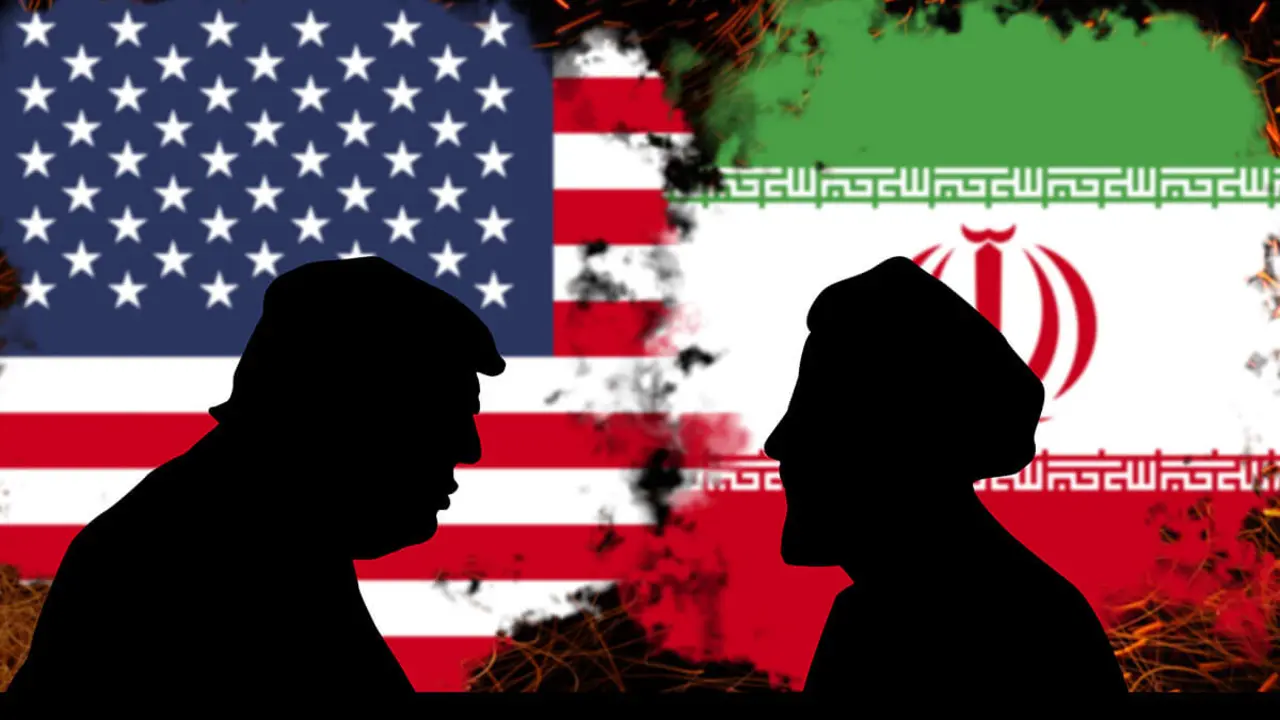
In addition to negotiating on energy and defence issues, Mohammed bin Salman will seek to ensure that the destabilisation of Iran following the Israeli and American attacks and its weakening does not affect the region.
This view differs from that of the United States, which sees Iran as an ‘enemy of the West’. The current relations between Syria, Saudi Arabia and Israel, all of whom are partners following the lifting of Syrian sanctions and the visit of the new Prime Minister Ahmed Al-Sharaa to the Oval Office, present a puzzle involving Saudi investments to rebuild Syria after the departure of Bashar Al-Assad, Israeli attacks on Syria and Saudi Arabia's non-recognition of the State of Israel.