Erdogan tightens his control over the media
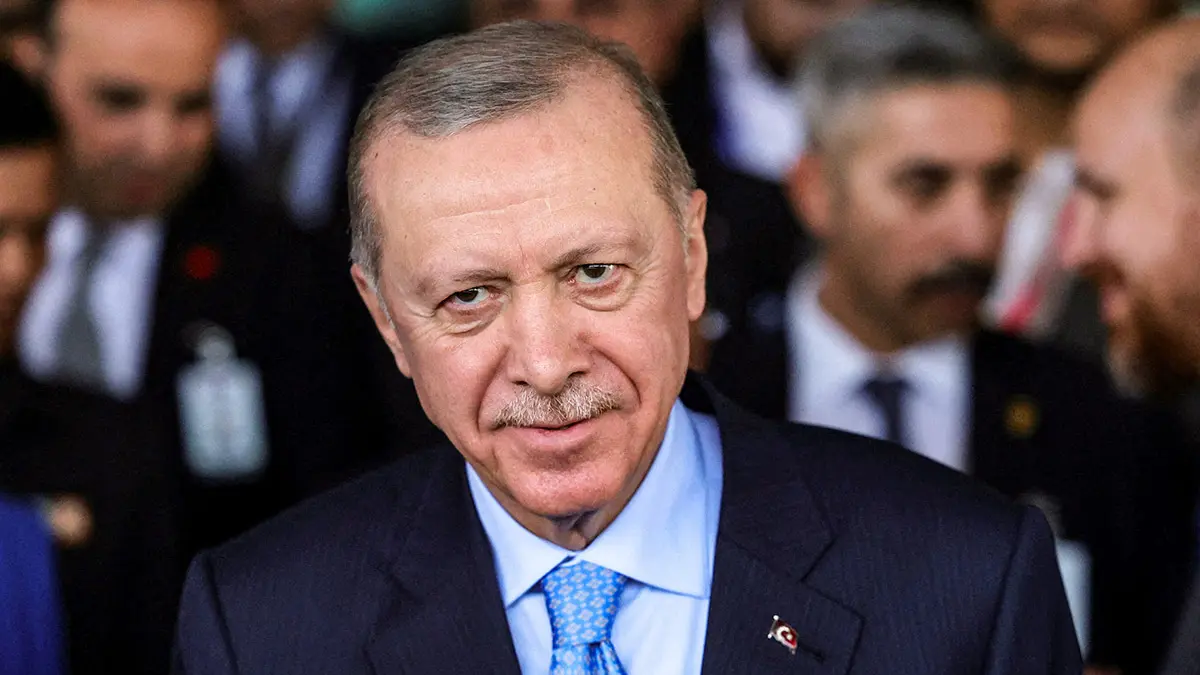
Protests, demonstrations, arrests and coercion of the media in Turkey have increased to such an extent that there are fears that Recep Tayyip Erdogan, President of the Republic of Turkey, will consolidate the ‘single voice’ within the country's major media groups.
Turkey is seen as one of the most prominent countries in terms of the imprisonment of journalists and media personnel. The Turkish judiciary has singled out numerous individuals for endangering the stability of the country, causing fear and disturbing public peace under anti-disinformation regulations, which have been described as an attack on the last vestiges of freedom of expression in the country.
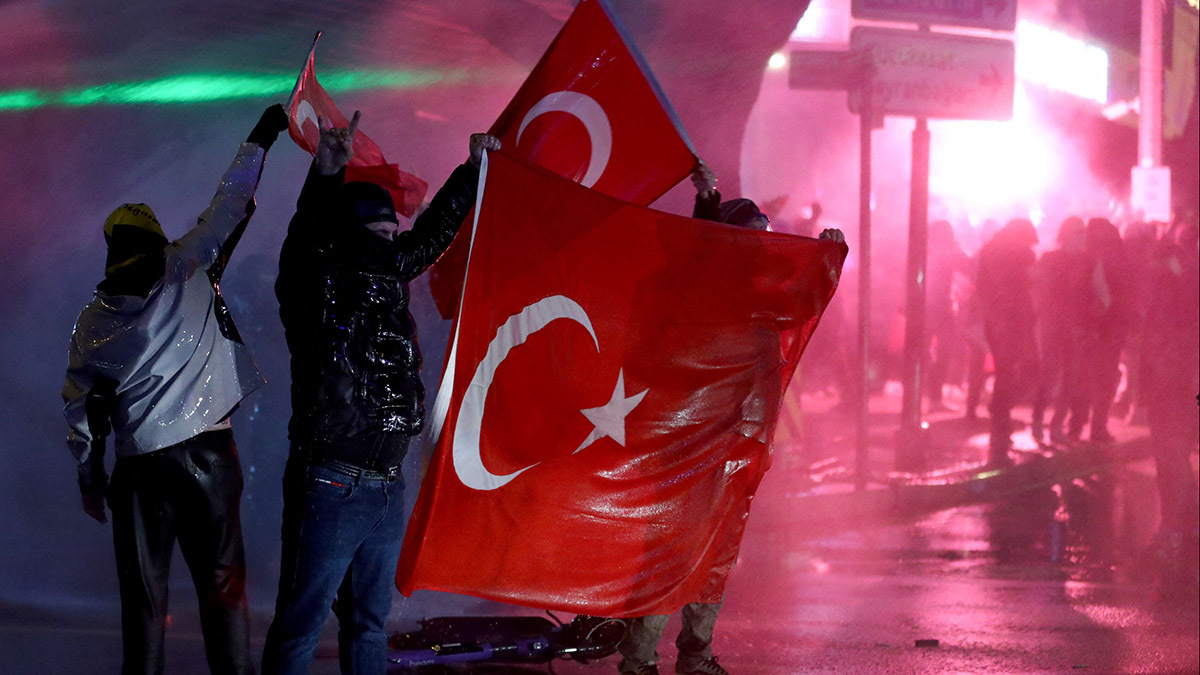
Over the past week, the Turkish judiciary has seized a group of 121 companies, three of which are major media outlets, and arrested 10 of their executives on alleged fraud charges.
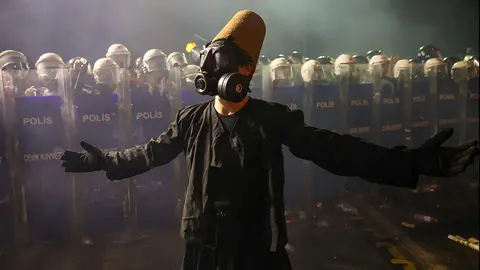
For independent analysts and observers in the country, the arrests are part of the government's intention to suppress the dissemination of news about demonstrations by the main opposition party, the Republican People's Party (CHP), against the hard editorial line that Erdogan seeks to impose on the Turkish media.
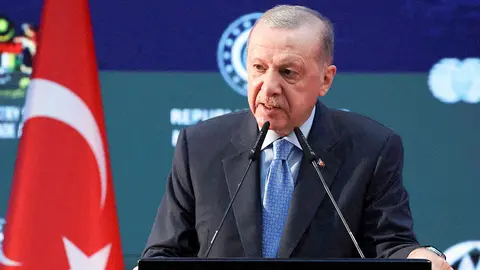
According to local media reports, the arrests could be related to money laundering, although the coincidence with tensions between the executive and the opposition has experts sceptical.
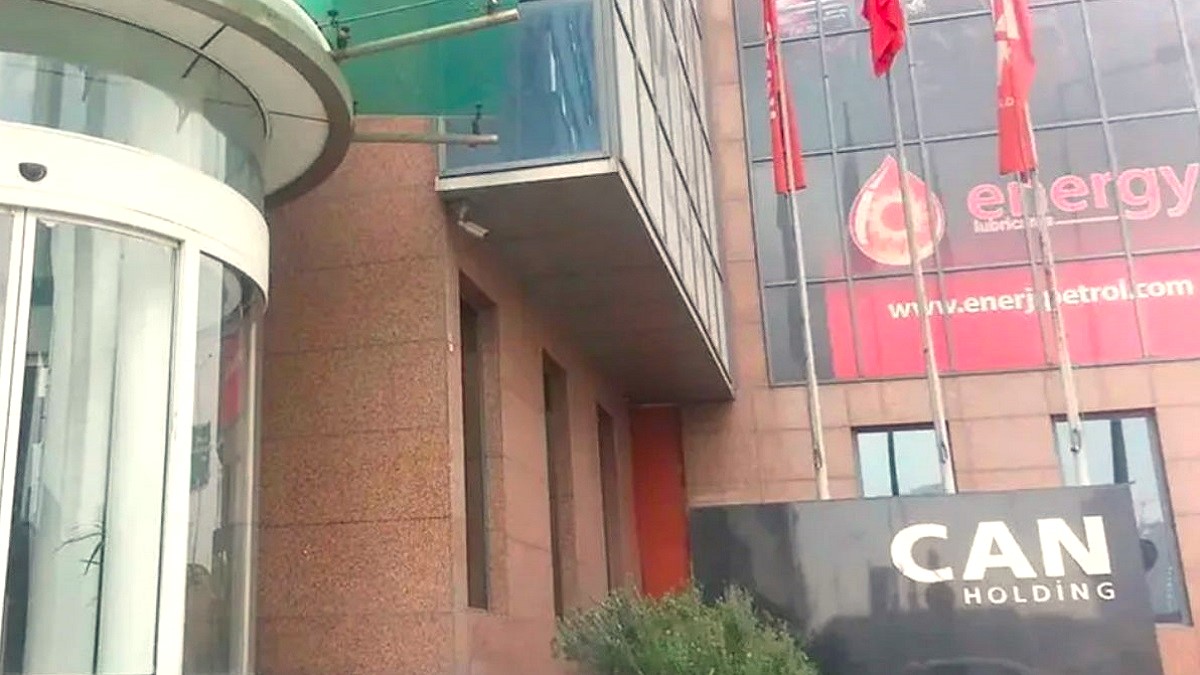
The main arrest warrant was issued against the executive management of Can Holding, a company known throughout the country for its major interests in the energy and education sectors, which has been involved in the purchase of the country's leading media outlets such as Haber Turk, Show TV and Bloomberg HT. This warrant brought three of the group's most important executives to justice: Mehmet Şakir Can, Kemal Can and Kenan Tekdag.
International censorship
Censorship policies on news in Turkey are not an isolated or local phenomenon. The arrests of international media journalists began in March when Turkish authorities deported BBC correspondent Mark Lowen after detaining him for 17 hours and labelling him a ‘threat to public order’ in the context of protests over the arrest of Istanbul Mayor Ekrem Imamoglu, who has emerged as the most prominent figure and toughest challenge to Erdogan's regime.
Similarly, the American website NetBlocks confirmed that live metrics show that online platforms, including X, YouTube, Instagram, Facebook, TikTok and WhatsApp, have been restricted in Turkey on multiple networks following the police siege of the Republican People's Party (CHP) headquarters.
Final attack on press freedom
In order to put an end to press freedom, media outlets not aligned with the government, and information from independent journalists and influencers, Erdogan is determined to tighten information policies to unprecedented levels.
In light of this situation, major organisations and media outlets are reporting on what has happened despite the possibility of facing imprisonment or fines that are impossible to pay.

In this context, the Turkish Radio and Television Regulatory Authority has established itself as the regime's main operator. In a statement, the Authority announced a 10-day ban on the opposition television channel Sozcu, describing it as ‘inciting hatred and hostility against the government’.
As a result, the Authority announced the immediate and 10-day suspension of any broadcast that could be considered contrary to Erdogan's interests. They also reported the suspension and imposition of fines on three other critical television channels. This information has been corroborated by statements made by a member of the Turkish Radio and Television Supreme Council.