Europeanism leads Moldova's elections and strengthens its integration with the EU

- Election results and PAS's pro-EU commitment
- Campaigning, bribery and disinformation among the pro-Russian opposition
- Factors explaining the pro-European party's victory
- Statements by MEPs on Russian interference
- International observation mission and participation
- PAS leadership and future Moldovan government
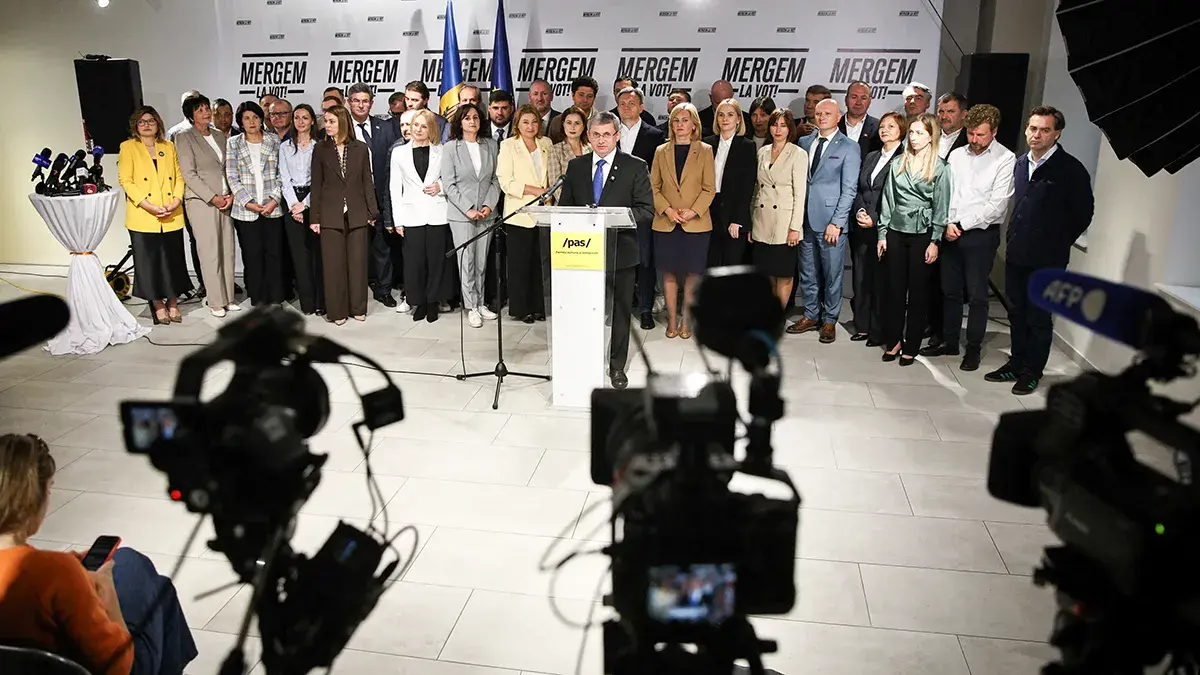
Election results and PAS's pro-EU commitment
The pro-EU Party of Action and Solidarity (PAS) secured a majority in these elections, which are a key factor because this absolute majority paves the way for accession to the European Union and a departure from Russia's sphere of influence. With 99.8% of the ballots recounted, the PAS won 50.14% of the votes. This translated into 55 seats out of the 101 in the Moldovan Parliament. In addition, this party has committed to bringing the country into the EU within the next five years, in accordance with the European Union's roadmap, which sets this goal for 2030.
Campaigning, bribery and disinformation in the pro-Russian opposition
On the other hand, the authorities claim that the opposition and pro-Russian forces have benefited from a campaign marked by bribery and disinformation, organised and directed by Moscow in response to the idea of losing influence. In fact, according to analyst Stanislav Secrieru, some of these unprecedented efforts included greater use of artificial intelligence to increase disinformation through troll websites, greater monetary expenditure to buy votes, and greater organisation of street violence through various sources.
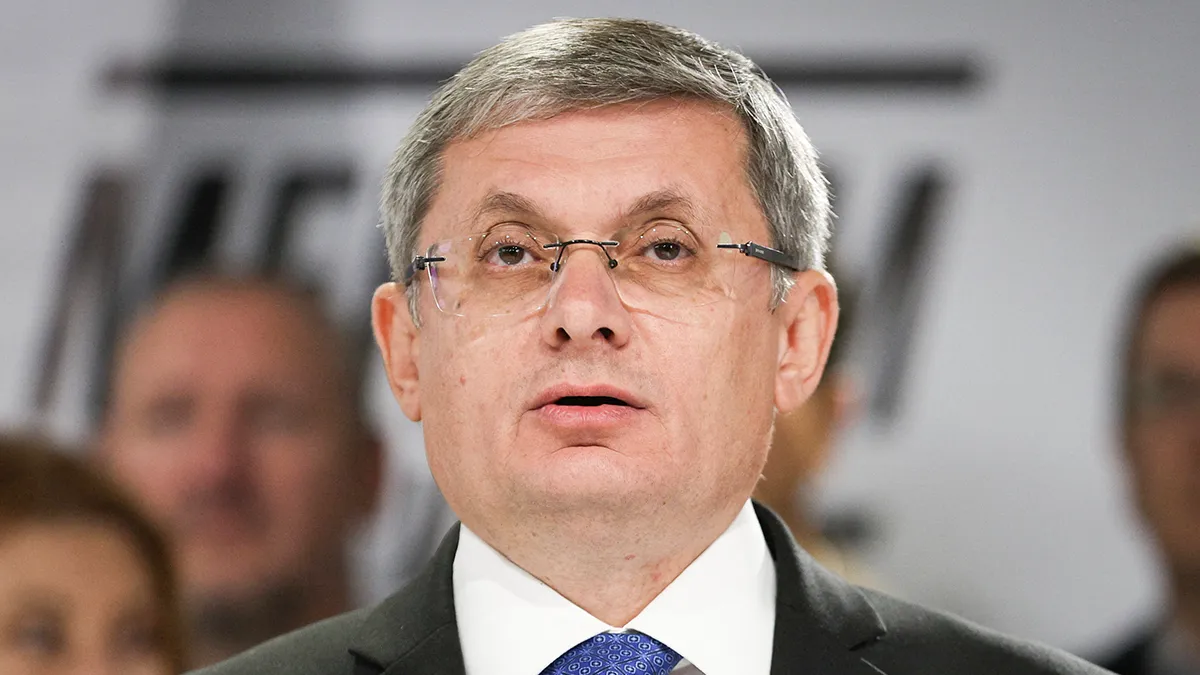
In addition, on the night before, a large number of cyberattack attempts on government websites were reported, and at least eight polling stations in other countries, including Alicante, Ashville, Brussels, Bucharest (two), Geneva, and Rome (two), received bomb threats. This resulted in the suspension of voting and even the evacuation of the Moldovan embassy in Brussels. Similarly, analyst Secrieru affirms the possibility of riots in Chisinau on the night of Sunday to Monday and also at the protest that took place on Monday 29 September organised by the pro-Russian patriotic bloc.
According to the online newspaper www.democrata.es, the pro-Russian bloc offered attendees between €50 and €150 to participate in the demonstrations. This protest was also organised by former pro-Russian president Igor Dodon of the Patriotic Electoral Bloc (BEP). According to Félix Flores of the newspaper La Vanguardia, only a hundred people attended the protest yesterday in front of the Moldovan Parliament building, and most of them were journalists.
Factors explaining the victory of the pro-European party
Siegfried Muresan, the Member of the European Parliament representing Romania and chair of the European Parliament delegation to Moldova, says that the pro-European party won because of three important factors: first, it met people's expectations; second, it avoided empty populist promises; and third, it refused to form compromising coalitions with the ‘lesser evil’. It is for all these reasons that former pro-Russian politicians are now declaring themselves pro-European.
According to OSCE observers, the parliamentary elections in Moldova were competitive and allowed voters to choose between different political alternatives. However, the process was marred by internal interference, illegal support, cyberattacks and disinformation.
Statements by MEPs on Russian interference
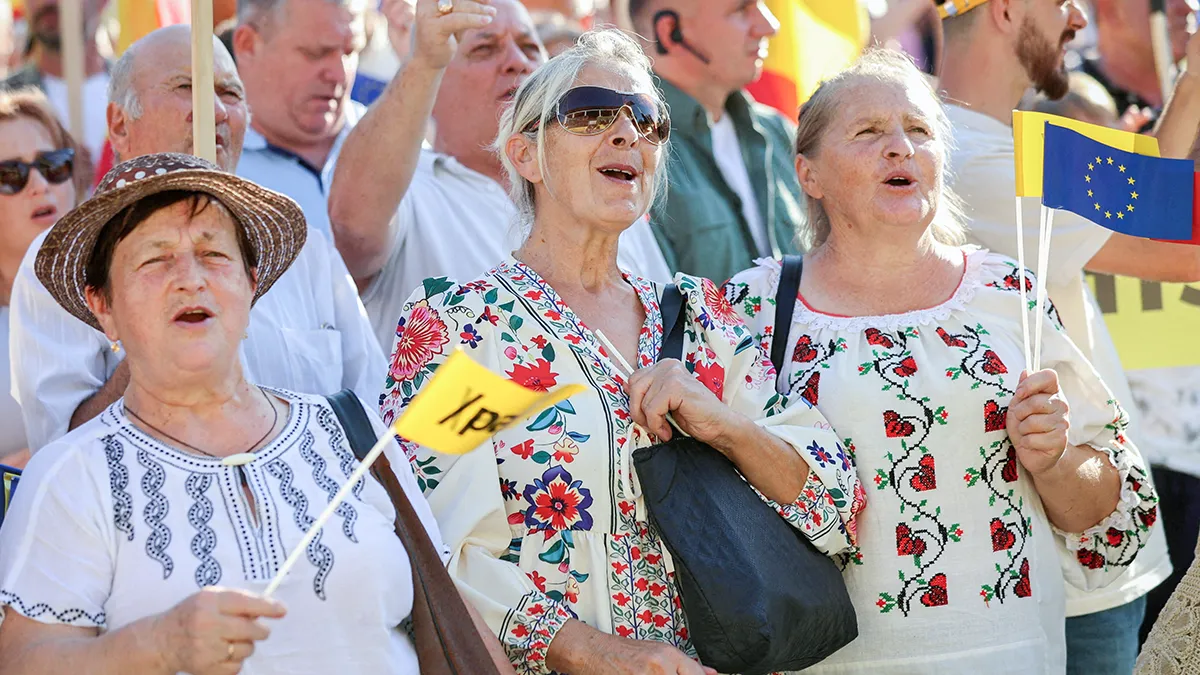
Similarly, the head of the European Parliament's observation mission and vice-president of Paneuropa Germany, German MEP Michael Gahler, stated during a press conference held on Monday at 3 p.m. in the Diamond Room of the Courtyard by Marriott hotel: "We respect the free and unhindered choice of Moldovans to determine their future, but the Russian Federation does not. In the run-up to these elections, Russia interfered on an unprecedented scale with cyberattacks, disinformation campaigns, intimidation, illicit financing and vote-buying schemes, with the clear aim of substantially altering the election results. Once again, they failed. We commend the decisive and measured response to this malign electoral interference by Russia and its local representatives."
International observation mission and participation
The joint international observation mission for the Moldovan parliamentary elections involved the OSCE Office for Democratic Institutions and Human Rights (ODIHR) based in Warsaw, 415 observers from 50 countries; of whom 269 were observation experts, 108 were members and staff of the OSCE Parliamentary Assembly, 24 were members of the Parliamentary Assembly of the Council of Europe, and 14 were members of the European Parliament.
Numerous independent international observers officially accredited to the Central Electoral Commission of Moldova through various NGOs, including the Open Society Foundation, the International Republican Institute (IRI), and the Moldovan Bar Association, also participated. Among them was the Vice-President of the International Pan-European Union, Walburga Habsburg Douglas.
PAS leadership and future Moldovan government
Finally, it should be noted that this victory for the Action and Solidarity Party (PAS) will see its leader, Igor Grosu, become the next minister of Moldova, and thanks to the absolute majority achieved, his government will be able to carry out the necessary reforms for his country to meet the various criteria required for Moldova's full incorporation into the European Union, a country that has been a candidate for accession since June 2022.
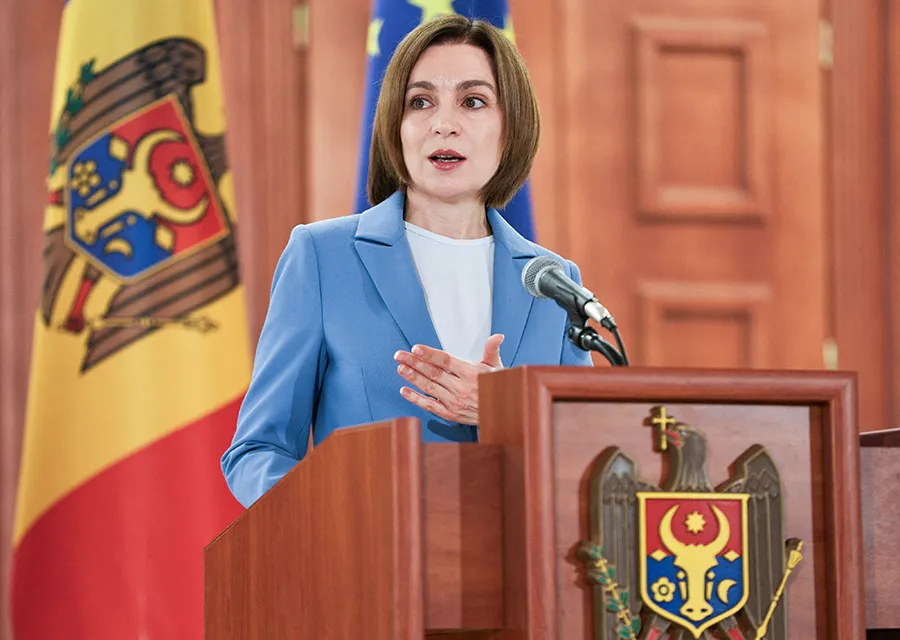
This victory supports the pro-European choice of the Moldovan people with the re-election of President Maia Sandu, who in February 2025 received the Coudenhove-Kalergi Prize in Brussels for her pro-European commitment.