‘Fallen for freedom’
Days 16 and 17 of the national uprising
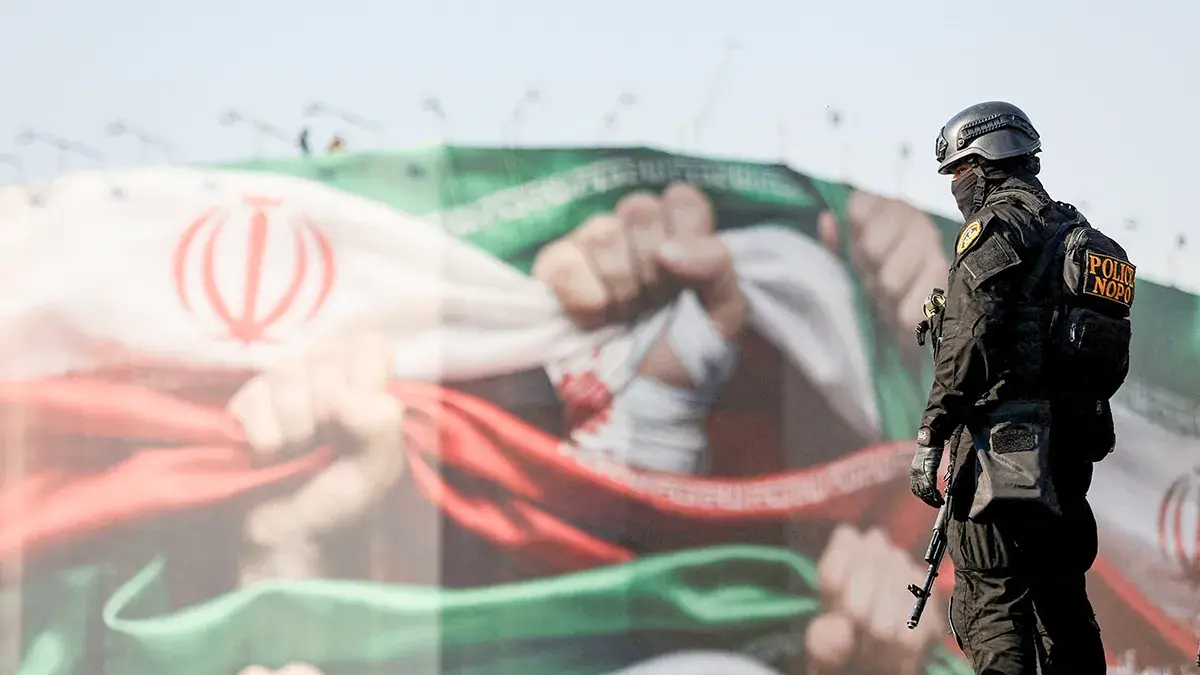

- Day 17 of the uprising: clashes and street fighting
- The popular uprising
- Repressive measures by the regime
Current estimates put the death toll at least 3,000 since the start of the uprising. However, the regime's modus operandi — cutting communications, electronic warfare and systematic night-time repression — usually corresponds to phases of large-scale massacres.
Day 17 of the uprising: clashes and street fighting
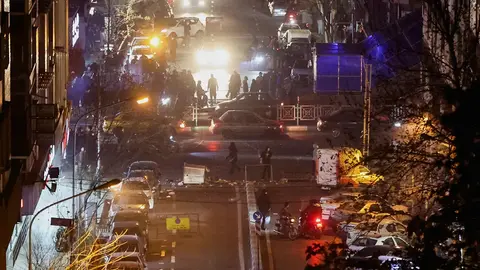
On Monday 12 and Tuesday 13 January, Tehran and many other cities across the country were the scene of intense clashes between young insurgents, the rebellious population and the repressive forces.
The uprising has now spread to 207 cities and 413 locations across the country.
Although there has been a relative decrease in daytime gatherings in some areas, reports indicate that night-time clashes are continuing and intensifying, especially in large urban areas.

The popular uprising
- The uprising has not lost momentum, it is simply less visible due to the cut-off of communications.
- The historic movement of the Iranian people has not stopped, but has entered a more costly and violent phase.
- On Tuesday, in Tehran, demonstrations and clashes were reported in dozens of locations, with slogans such as ‘Death to Khamenei,’ and young people bravely confronted the mercenaries of the special units.
- Tehran (Tuesday night): clashes between insurgents, special units and the IRGC in Haft-Hoz; violent fighting and pursuits in Tehranpars and Valiasr; intense clashes in Sadeghieh with massive support from the population chanting ‘Death to the dictator’; fighting at the City Theatre and Ashrafi Esfahani.
- Shiraz: continued resistance and street fighting against IRGC armed forces on the seventeenth day of the uprising.
- Isfahan: roadblocks with barricades in Malekshahr, Najafabad, Falavarjan and Yazdanshahr.
- Kish Island: fire at the tax administration building, a symbol of economic plunder.
- Karaj: attack on police station No. 43; Bandar Abbas: attack on a government bank.
- Ahvaz: the regime blocked the central streets (Naderi and Abdolhamid Bazaar) with concrete walls, fearing that the protests would spread.
- Dezful (Khuzestan): checkpoints set up on all streets, reinforced with concrete barriers.
- Tabriz: violent clashes between young insurgents and special units in the Abresan neighbourhood.
- Kermanshah: continuation of street fighting, barricade by barricade, between insurgents and IRGC forces; daring attack that led to the release of a young woman who had been detained and the seizure of equipment and ammunition from the repressive forces.
Repressive measures by the regime
- Reports of attacks on hospitals and forced transfers of wounded people directly from their stretchers.
- Serious disruptions to food supplies.
- Mass confiscation of satellite dishes.
- Establishment of a state of quasi-martial law in the western provinces (Kurdistan, Kermanshah), with a massive deployment of repressive forces.
- Repeated testimonies reporting the return of bodies in exchange for money and night-time burials.
- Recourse to the forces of the Iraqi Hachd al-Chaabi
- Deliberate imposition of an information blackout to reduce the political cost of the repression.
- In Tehran, immediate evacuation of Tehran University residences for ten days and transfer of Urmiya University exams to the Internet.