France emphasises strengthening cooperation with Spain on defence matters


- The Spanish-French strategic dialogue
- The four words that sum up the changes in the world from France's perspective
After only two months in office as Prime Minister of the French Republic, 39-year-old Sébastien Lecornu and his Defence Minister, veteran politician Catherine Vautrin, have taken the initiative to strengthen France's strategic ties with Spain in the area of military cooperation in its various aspects.
With the experience Lecornu gained as President Macron's Defence Minister from May 2022 to October this year, the new French head of government has entrusted Catherine Vautrin with taking the first step. She has done so in a dual attempt to explain France's position in defence of Dassault's interests in the FCAS/NGWS weapons system programme and to seek new areas of common interest for coordinated action.
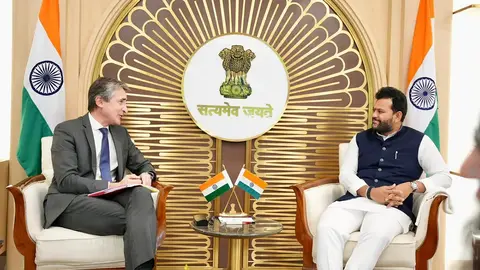
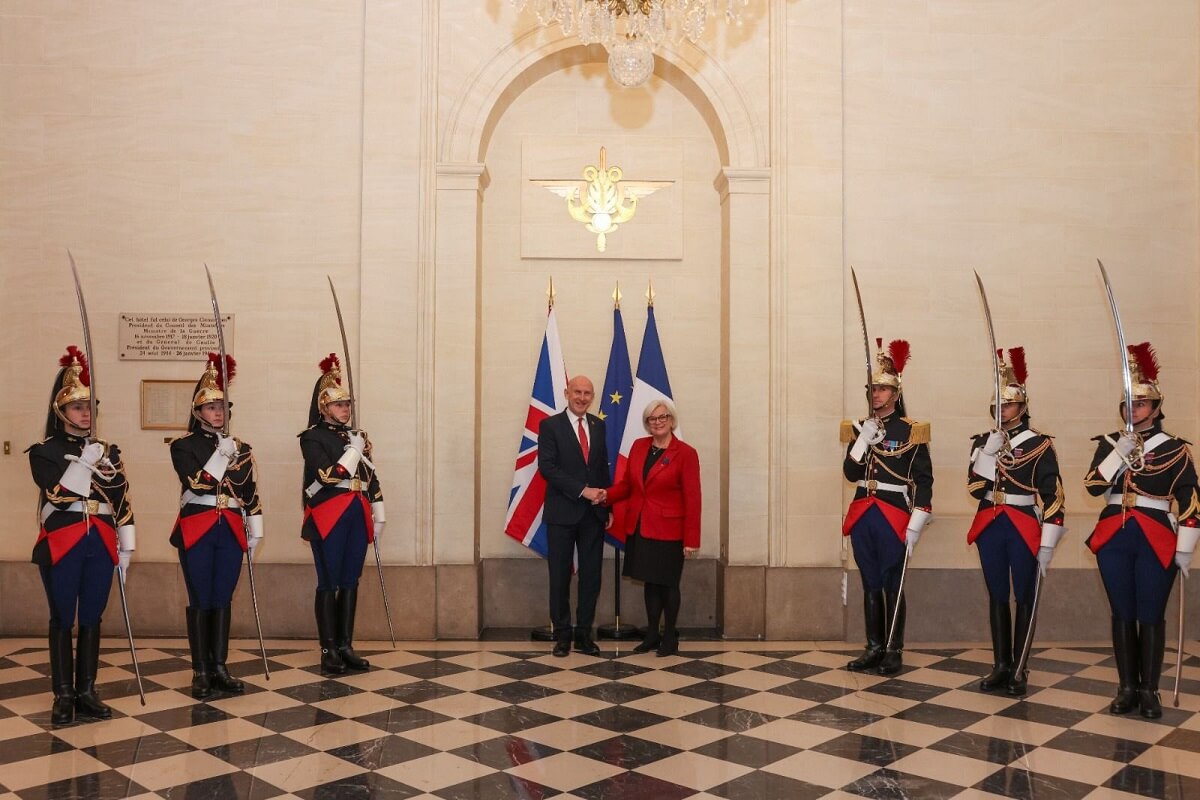
It is therefore no coincidence that Vautrin's first official visit abroad after taking office on 12 October was to the Spanish capital. She did so in early November to hold a personal meeting with Spanish Defence Minister Margarita Robles and to hear first-hand her views on the possibility of expanding military cooperation.
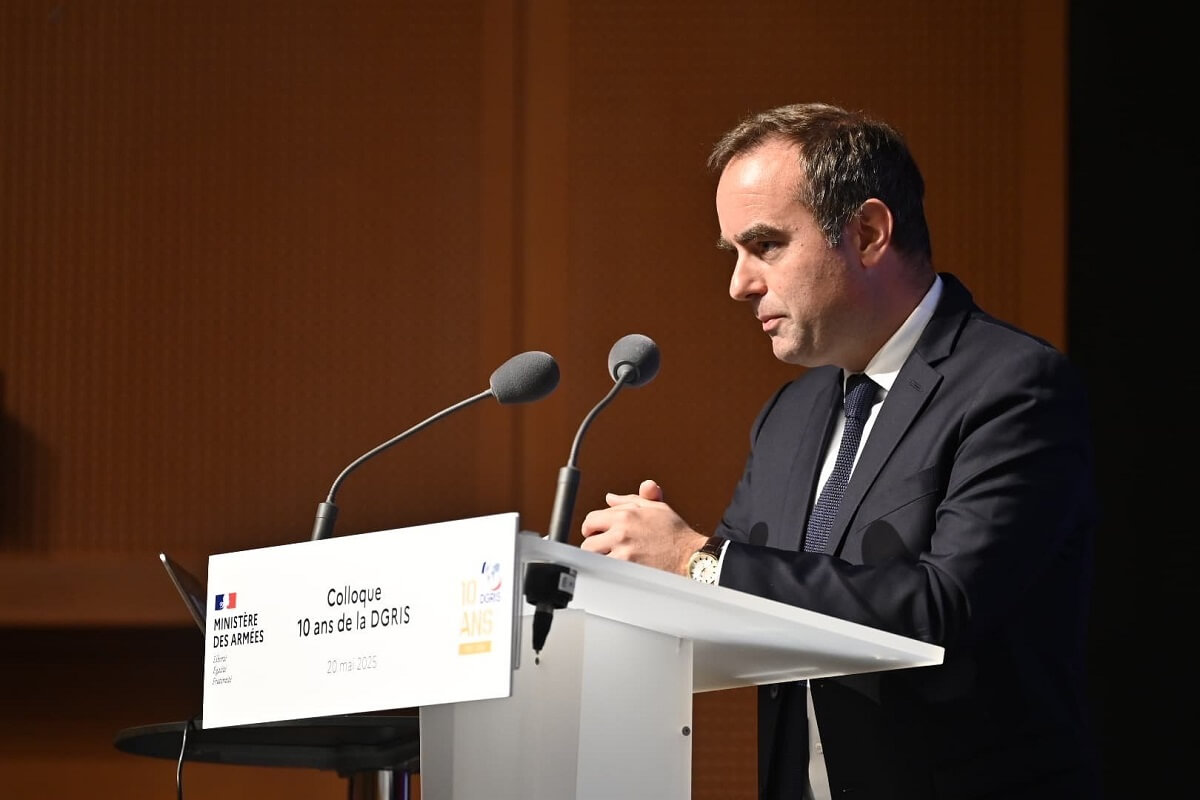
The talks focused on bilateral coordination in peace operations within the framework of NATO and the EU, on supporting Ukraine and on the ‘delicate situation’ facing the FCAS/NGWS programme. For Minister Vautrin, the Franco-Spanish relationship in defence matters is ‘extremely important for our two countries’ as they are ‘historic partners, with a very lively relationship and agreements that are renewed one after another’, which Minister Robles confirms by stating that ‘we share the same concerns and the same objectives’.
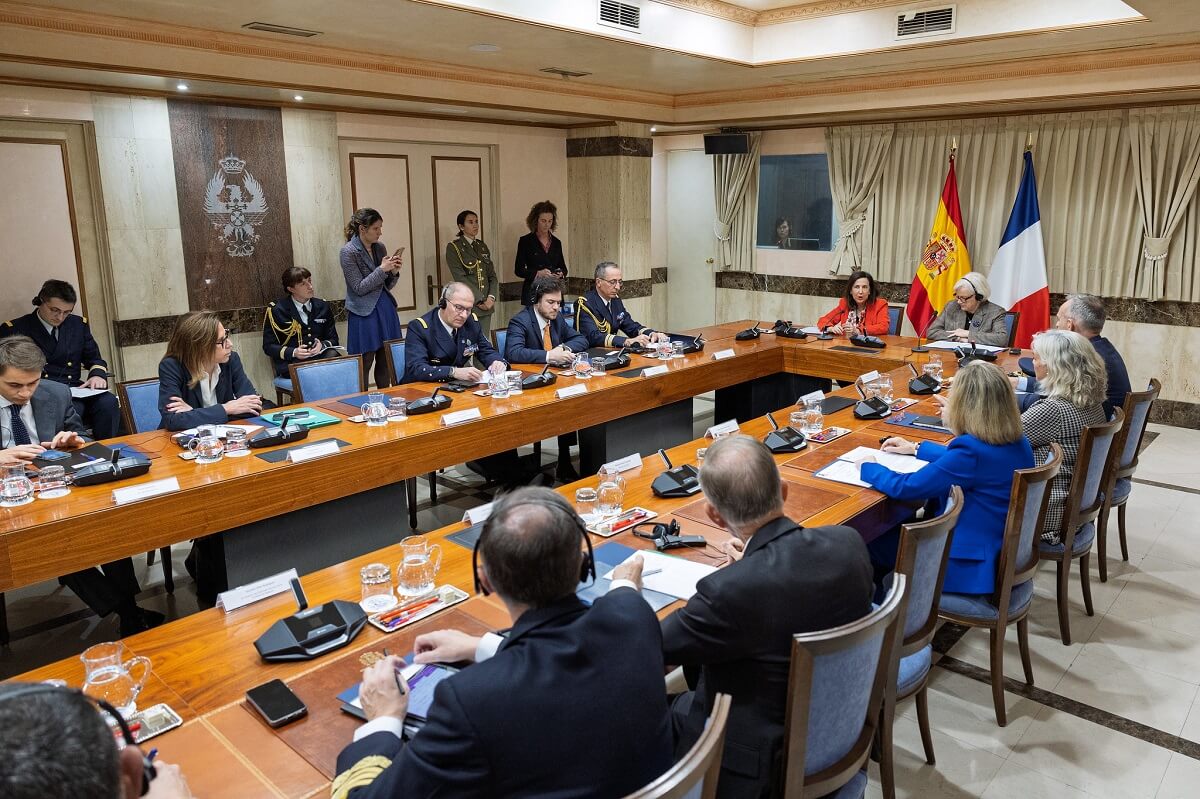
Vautrin's talks with the Spanish defence authorities had a second part. Ten days later, an official delegation from the Directorate-General for International Relations and Strategy (DGRIS) of the French Ministry of the Armed Forces arrived in Madrid, led by its deputy director, Lieutenant General Éric Peltier.
The Spanish-French strategic dialogue
Similar to Spain's Directorate-General for Defence Policy (DIGENPOL), the DGRIS is the French military organisation responsible for planning and directing French defence activities abroad, as well as implementing the global influence strategy, which it does in coordination with the Joint Chiefs of Staff, the Directorate-General for Armament and the Ministry of Foreign Affairs.
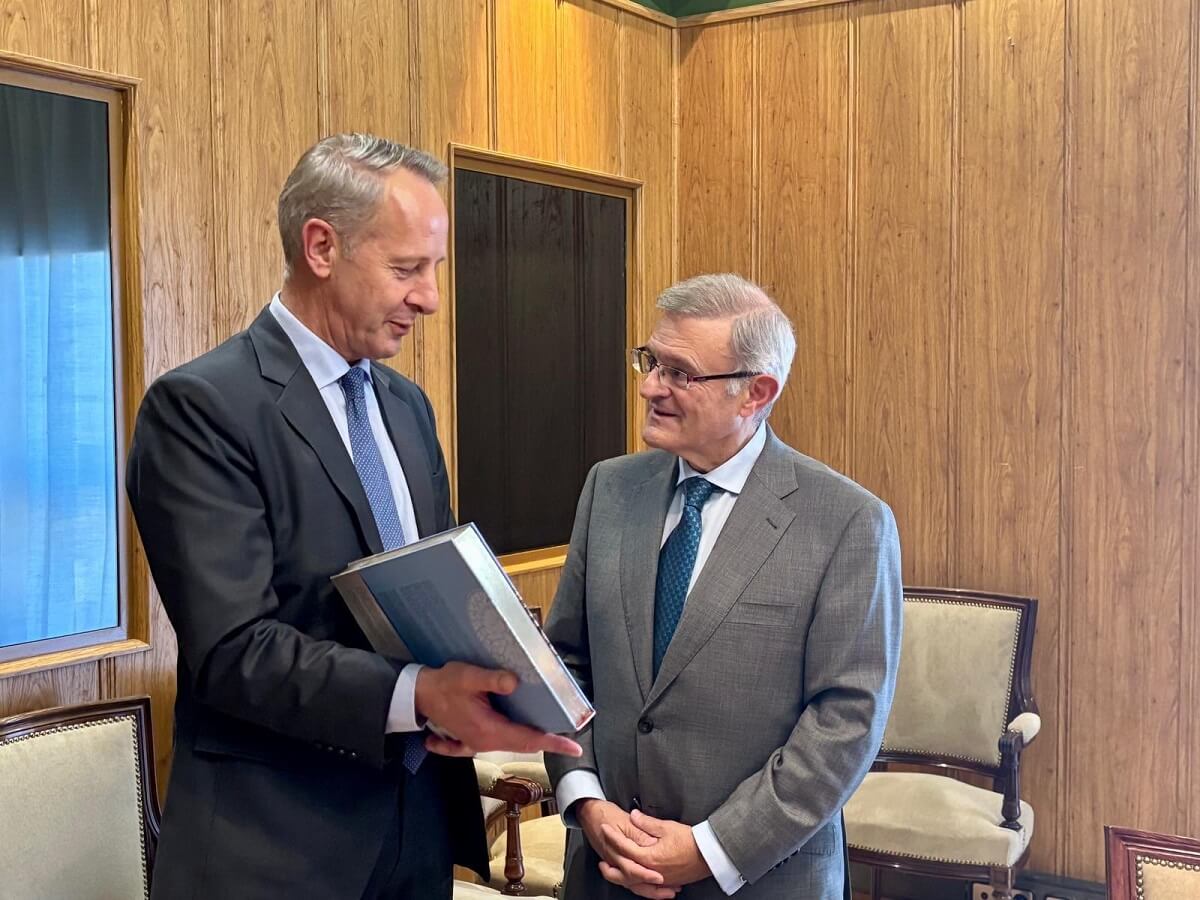
The French delegation's presence in Madrid is part of the defence cooperation treaty between France and Spain. Signed in Barcelona on 19 January 2023, Article 6 confirms the so-called Spanish-French Strategic Dialogue, a bilateral forum that meets annually and whose Spanish counterpart is the aforementioned DIGENPOL, which since June 2021 has been headed by Lieutenant General Fernando López del Pozo.
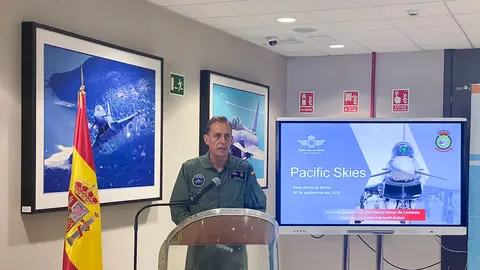
The meeting between the two delegations took place in mid-November and its working sessions were held at the headquarters of the Ministry of Defence. The agenda items focused ‘on three main areas,’ according to the DGRIS on its official account on one of the social networks where it is present: ‘Southern Flank and cooperation in the Levant, Gaza, Africa and the 5+5 Defence Initiative; joint investments for a European Defence; and support for Ukraine.’
The 5+5 Defence Initiative is a multilateral cooperation forum to promote trust and understanding between the five states on the southern shore of the Mediterranean – Algeria, Libya, Mauritania, Morocco and Tunisia – and five others on the northern shore: Spain, France, Italy, Malta and Portugal. Undoubtedly, both parties reviewed the progress made under Tunisia's rotating annual presidency in 2025, as well as the plans for joint training and cybersecurity capacity building for 2026, when France will assume the presidency of the forum.
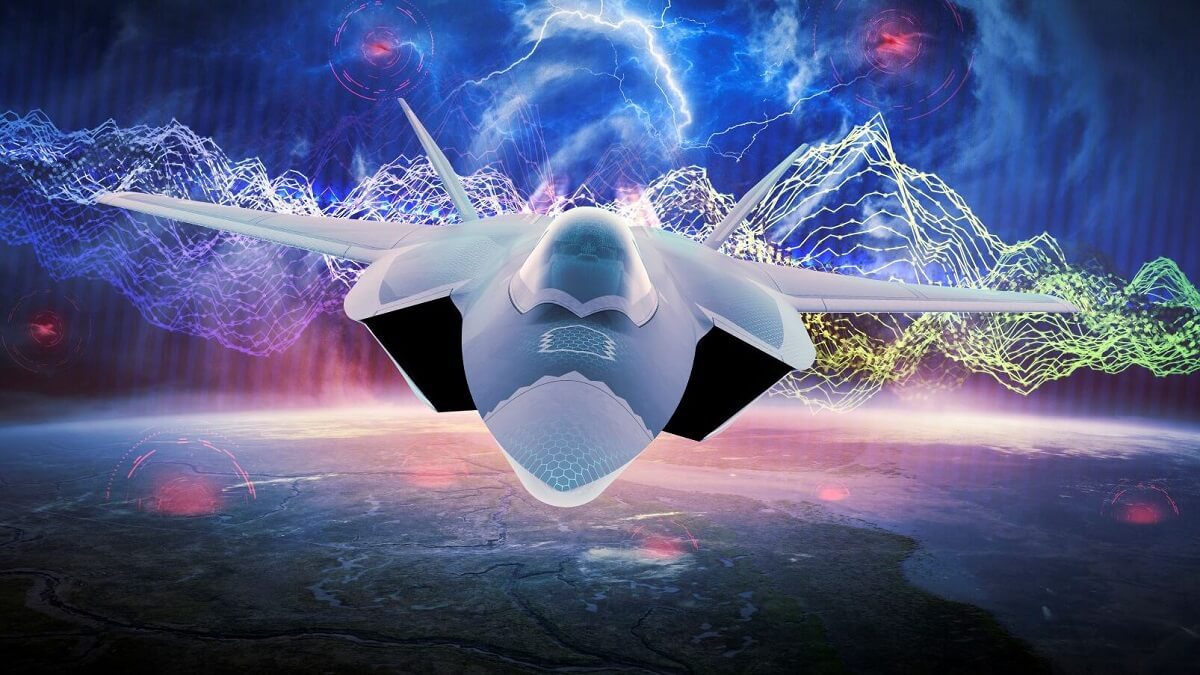
It is reasonable to assume that the 2025 Spanish-French Strategic Dialogue would have included a review of the status of the main armament programmes in which Spain and France are involved, including the future FCAS/NGWS combat system, the A400M transport aircraft and the Eurodrone. And that different lines of aid to the population of Gaza and national investments within the EU and NATO were specified in order to increase the capabilities of the European defence industry.
The four words that sum up the changes in the world from France's perspective
As a result of the high responsibilities of Generals Éric Peltier and Fernando del Pozo in the planning, management and development of the defence policies of both nations and their regular exchanges of views with their counterparts in most countries around the world, both senior officials have noted that the current international geostrategic context is ‘constantly evolving’ and that so-called ‘strategic surprises’ are accelerating.
The French authorities, who updated and published the 2025 National Strategic Review last July, have identified and conveyed to the Spanish authorities that the various hotspots of instability that persist throughout the world ‘do not follow one another, but overlap’, as is the case in Ukraine, the Indo-Pacific region and even the Middle East.
According to French military sources, the changes taking place on the world stage can be summarised in four words, all of which begin with the letter ‘d’, both in Spanish and in French. Firstly, the progressive ‘de-Westernisation’ being adopted by certain countries in the Global South under the influence of China or Russia, which is manifested in a clear challenge to what has hitherto been called Western hegemony.
The second change is what the French strategic vision calls the disinhibition of competitors. This refers to those ‘countries and supranational organisations for which the use of force in its broadest sense justifies the resolution of a problem’, leading to a dangerous desensitisation to extreme violence.
A third change is the deregulation of international relations and the fragmentation of the world order. This is manifested in the questioning of the United Nations Charter and the Helsinki Declaration, as well as in the erosion of the treaties and instruments that constituted the architecture of arms control. A fourth and no less important ‘d’ is the disengagement of the United States from Europe, according to French military sources.
This disengagement became clear last February, after listening to the speech given by US Vice President James David Vance at the Munich Security Conference. His words prompted a strategic awakening in the European Union and its member countries, which, from the perspective of the French Ministry of Defence, has meant ‘the end of what was known as the dividends of peace and happy globalisation’ and has led to the launch of initiatives that were unthinkable just a year ago, such as the ReArm Europe plan and the Defence White Paper.