France reactivates military service and revives policies it thought had been consigned to history
- Selection and training of volunteers
- Similar measures in other European countries
- The social debate on military service in Europe
- European leaders' concepts of security
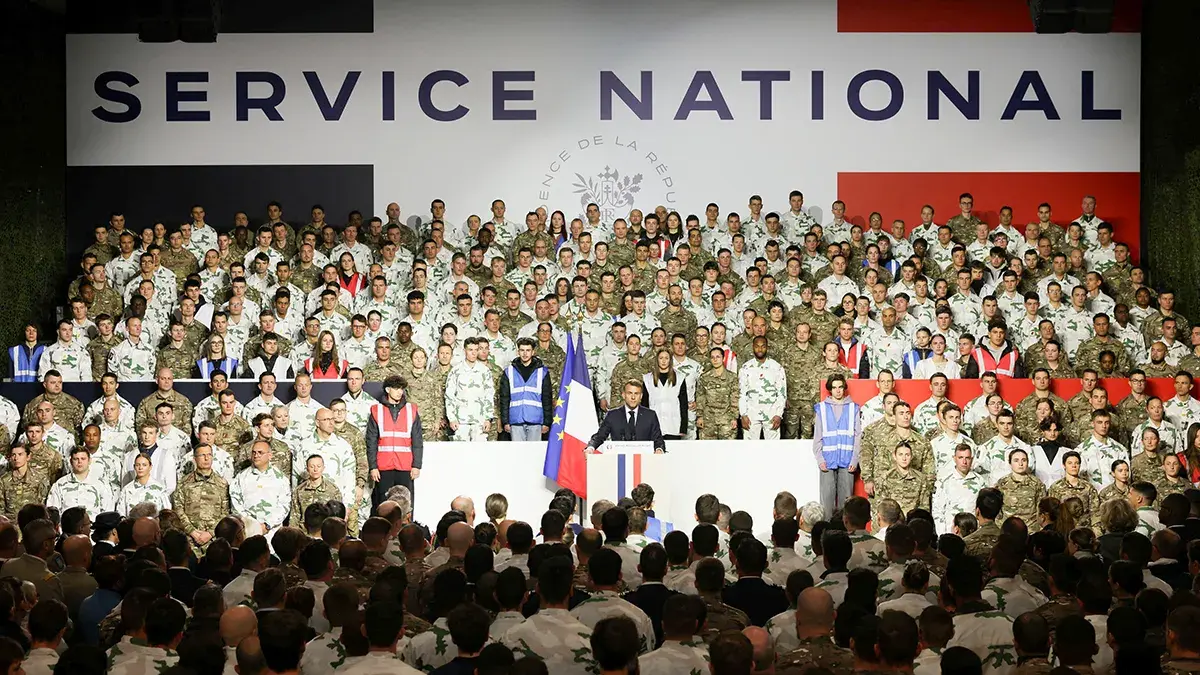
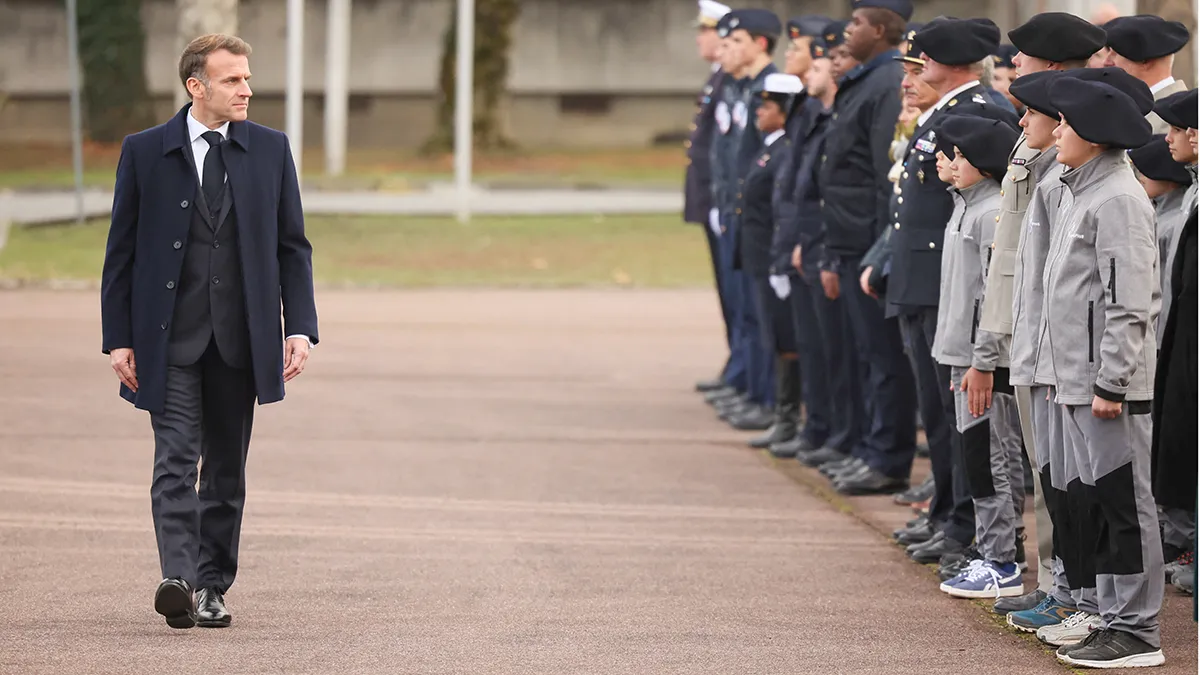
France has made its move. Emmanuel Macron, President of the French Republic, has announced the introduction of a ‘national service’, which is in fact a ten-month ‘voluntary’ military service for 18- and 19-year-olds, starting in the summer of 2026. With this announcement, France joins Germany, Belgium, Croatia and Denmark, among others, in bringing back military service 30 years after its abolition.
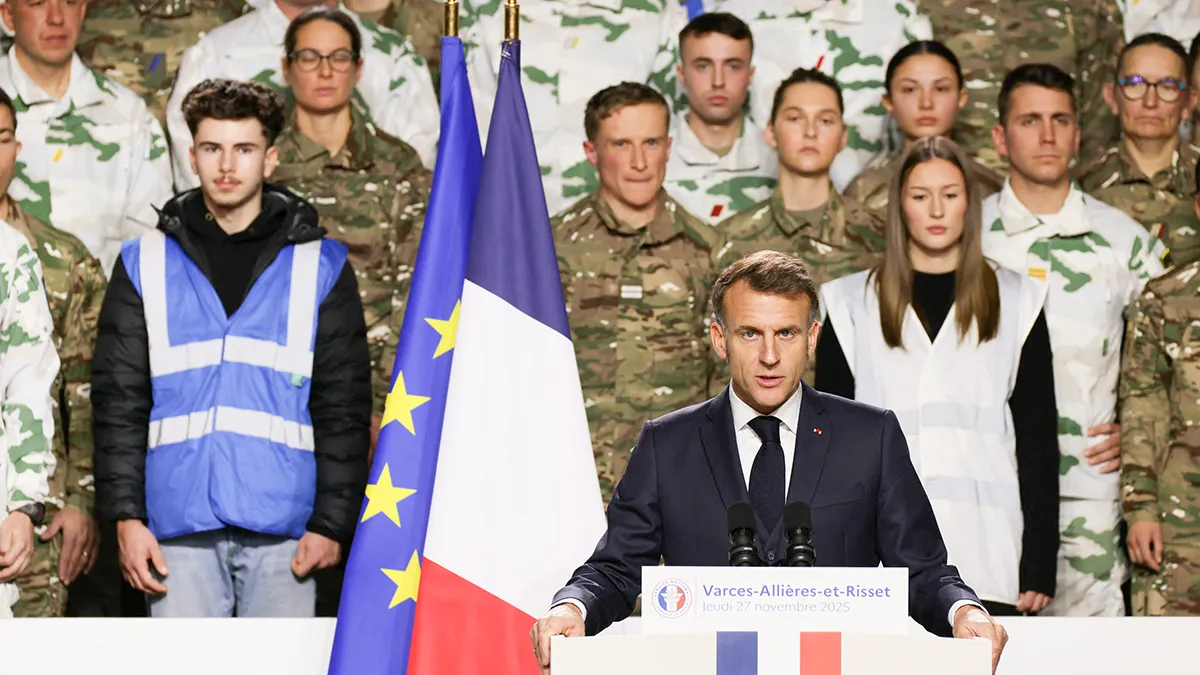
Although the service will not be compulsory, its approval has raised doubts among the French population. ‘We are not going to send our young people to Ukraine. That is not what this is about,’ Macron tried to explain. However, the president stressed that, if necessary, it will be compulsory, provided it is approved by Parliament.
Selection and training of volunteers
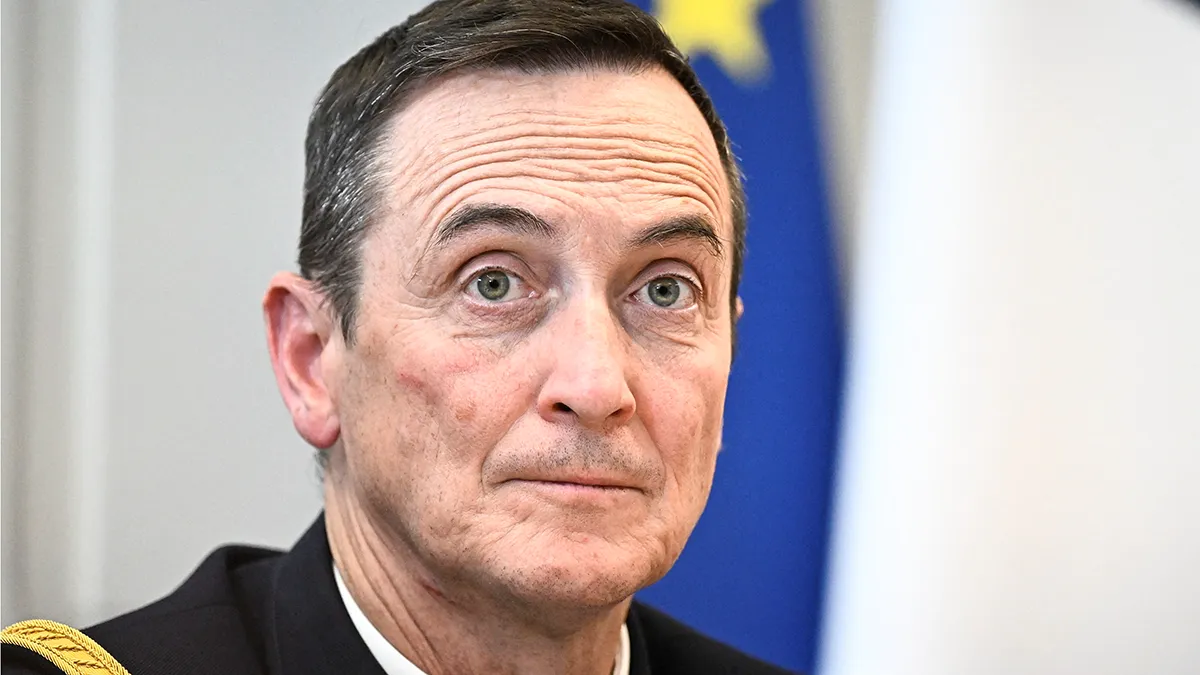
The president specified that it will be the Army, through Fabien Mandon, Chief of Staff of the Army, who will select future volunteers, choosing those who best suit the needs of the Armed Forces. Initial estimates indicate that more than 3,000 French citizens will receive training, and more than 10,000 by 2030.
For months before the start of the Russian invasion, when European intelligence services warned of large military movements on the Ukrainian borders, defence has been perceived as increasingly necessary and, as a result, European societies have been stepping up their preparations for a possible escalation of the war.
Similar measures in other European countries
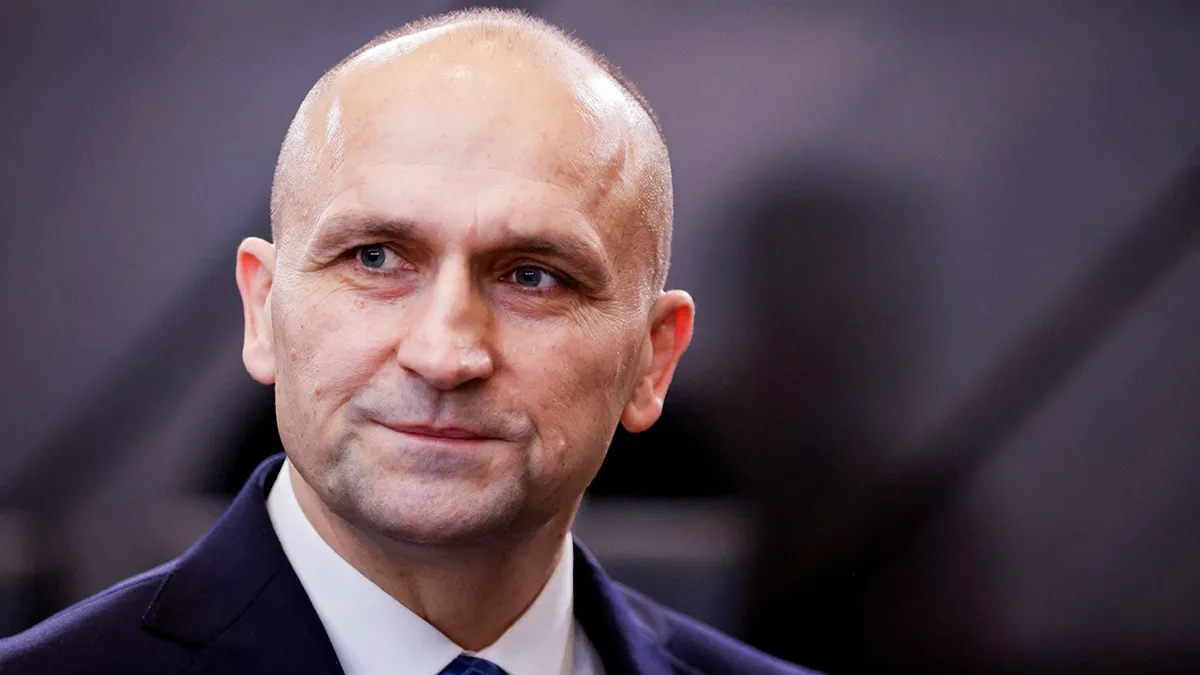
This decision by the French government follows in the footsteps of other powers in the bloc, such as Germany, Belgium, Croatia and Denmark. However, no country has been as categorical as Croatia. In the words of Defence Minister Ivan Anušić, ‘basic military knowledge is necessary in a changing security context’.
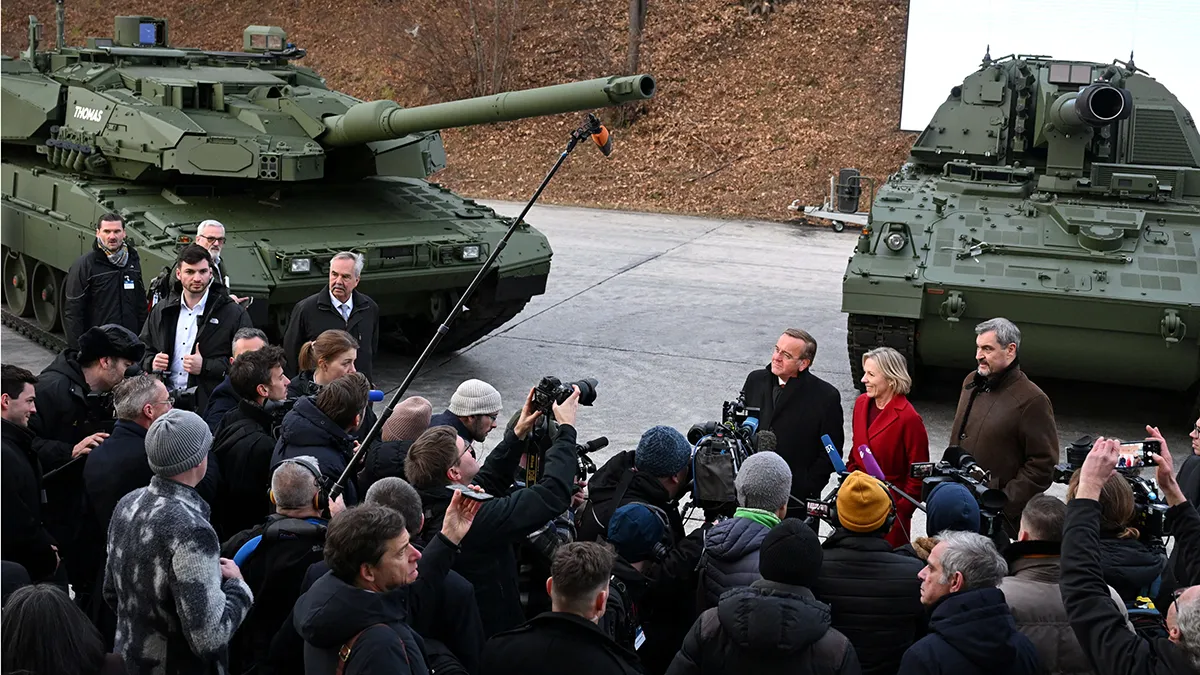
Germany, for its part, remained more cautious. Despite approving compulsory service for 18-year-olds, it did not announce any immediate obligation, but rather a mechanism to be activated if necessary. German MP Jens Spahn explained that the purpose of the law is ‘to establish a path for German society to know what to expect.’ However, German Defence Minister Boris Pistorius pointed out that Germany ‘needs military personnel, tanks and missiles are not enough.’
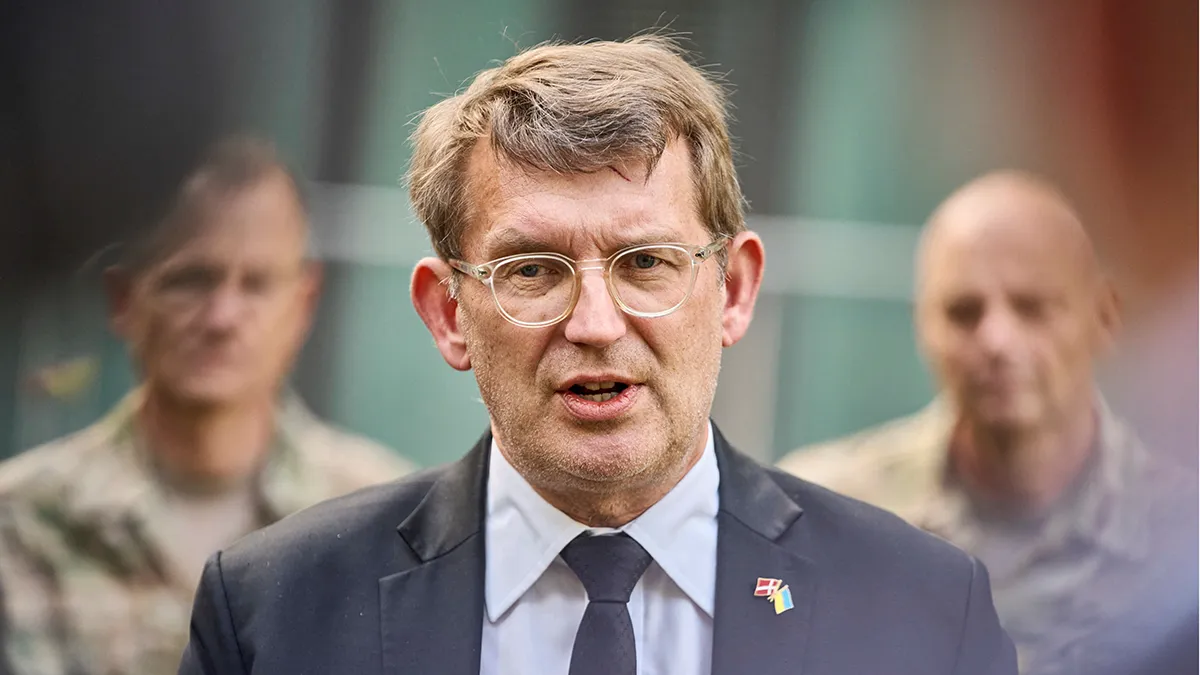
Other countries, such as Denmark, went a step further by including women in military service.
The social debate on military service in Europe
Although the lives of European citizens have not changed, the approval of military service is a debate that has taken hold in all Western governments, painting a worrying picture and sending a clear message: security is no longer guaranteed.
Much of the European population has no experience of military service, but the proliferation of the debate is increasingly visible. Seen from another perspective, compared to military service in the last century, what European countries are approving is more a compendium of attitudes than military service as we know it. Civic education, basic training, logistical and technological skills are some of the foundations of this new service. To this will be added training in the use of weapons.
And this is how European leaders are presenting it to their citizens. France calls this a ‘voluntary commitment to the nation’. Croatia refers to it as ‘basic risk preparedness’. Germany defines it as a ‘legal and social guarantee for defence’.
Different concepts, but the same underlying idea: security no longer depends solely on alliances or professional armies.
European leaders' concepts of security
The approval of ‘national service’ is a hybrid between the policies of the 1970s and 1980s and a service of civic preparation and awareness based more on the psychological aspect in the face of a possible escalation of war.
However, the use by politicians of terms such as “mobilisation” or ‘reserve’ will be the subject of debate in all European societies. Although it may seem like a step backwards, it is true that the implementation of military service is a reality.
The feeling that Europe has entered a turbulent era is a visible conclusion in all the continent's media. France, Germany, Croatia, Denmark, the Baltic countries... all are acting under the same logic: peace is no longer a given.