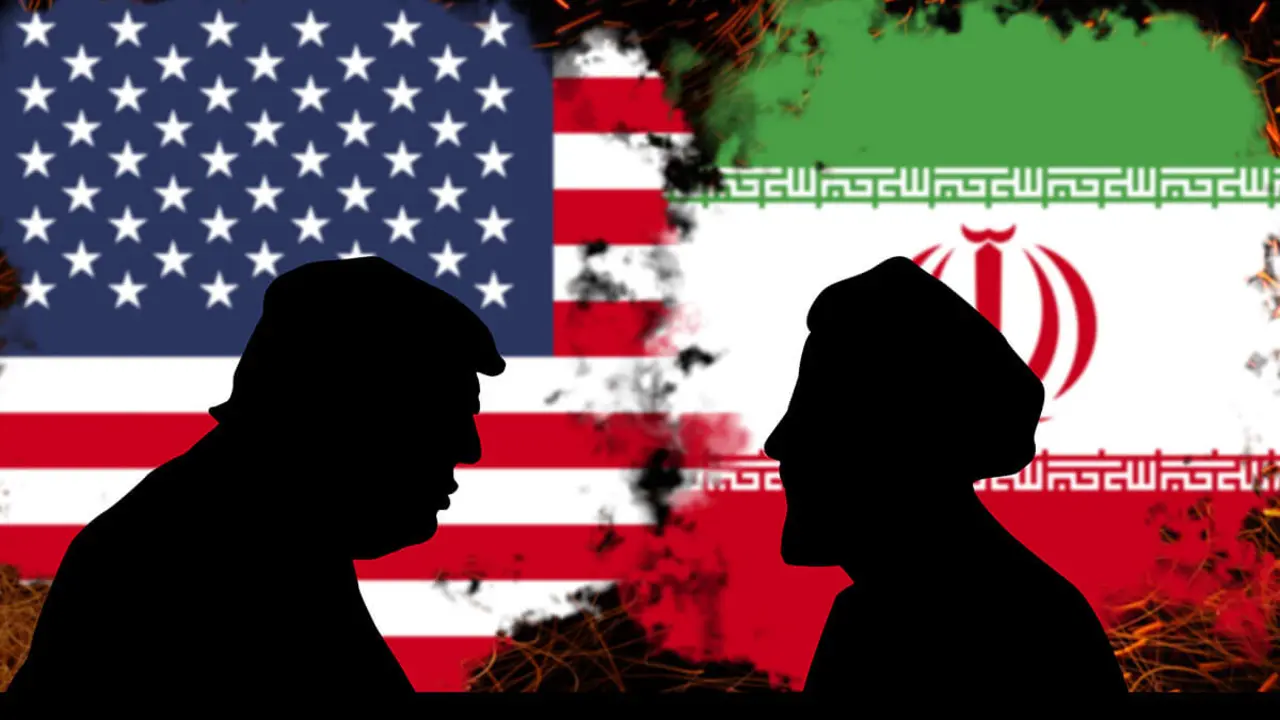
Gustavo de Arístegui: Geopolitical analysis of 18 September


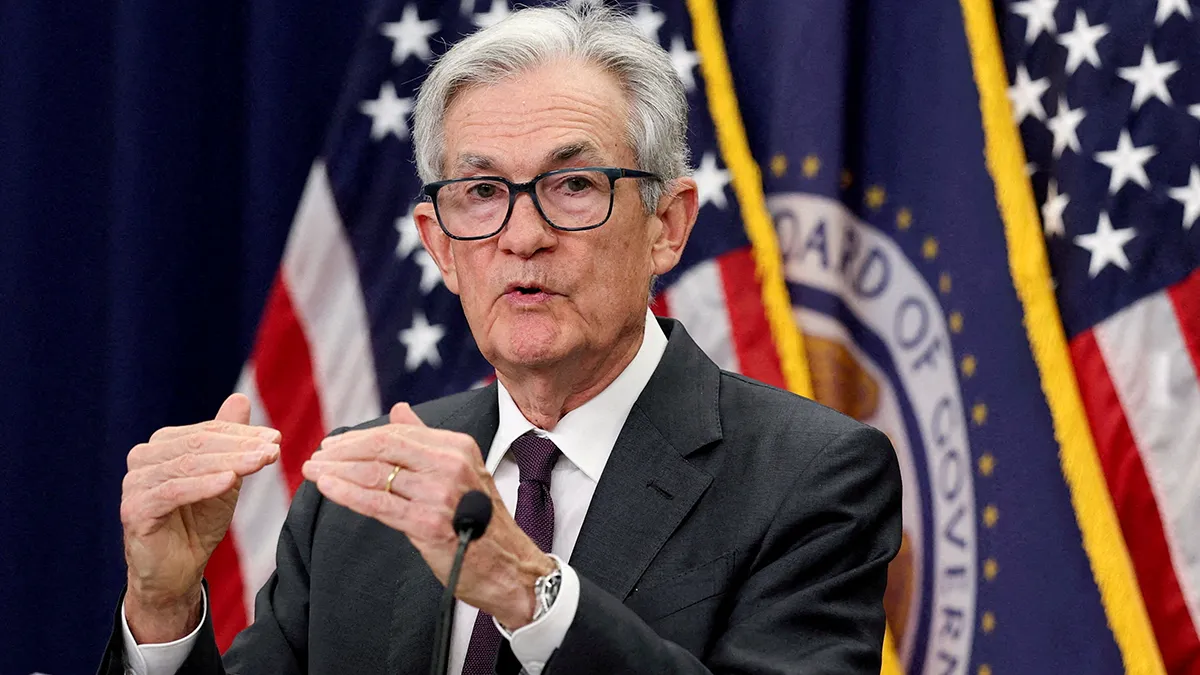
- Geoeconomic Front — Fed rate cut: 0.25% and signs of further cuts (17–18 Sept.)
- United Kingdom-United States — Trump state visit and AI/nuclear investment agreement (18 Sept.)
- Israel-Gaza — New humanitarian corridor and tension on northern front (18 Sept.)
- NATO — Adjustments on eastern flank after drone incursions (18 September)
- Indo-Pacific — Stabilisation in Scarborough and Chinese signal on NVIDIA chips (18 September)
- Ukraine-Russia — Threat of 100% tariffs and Patriot shipments (17–18 September)
- Transatlantic — Threat of 30% tariffs on the EU (17–18 Sept.)
- European Union-Israel — Proposal for trade suspension and sanctions (18 Sept.)
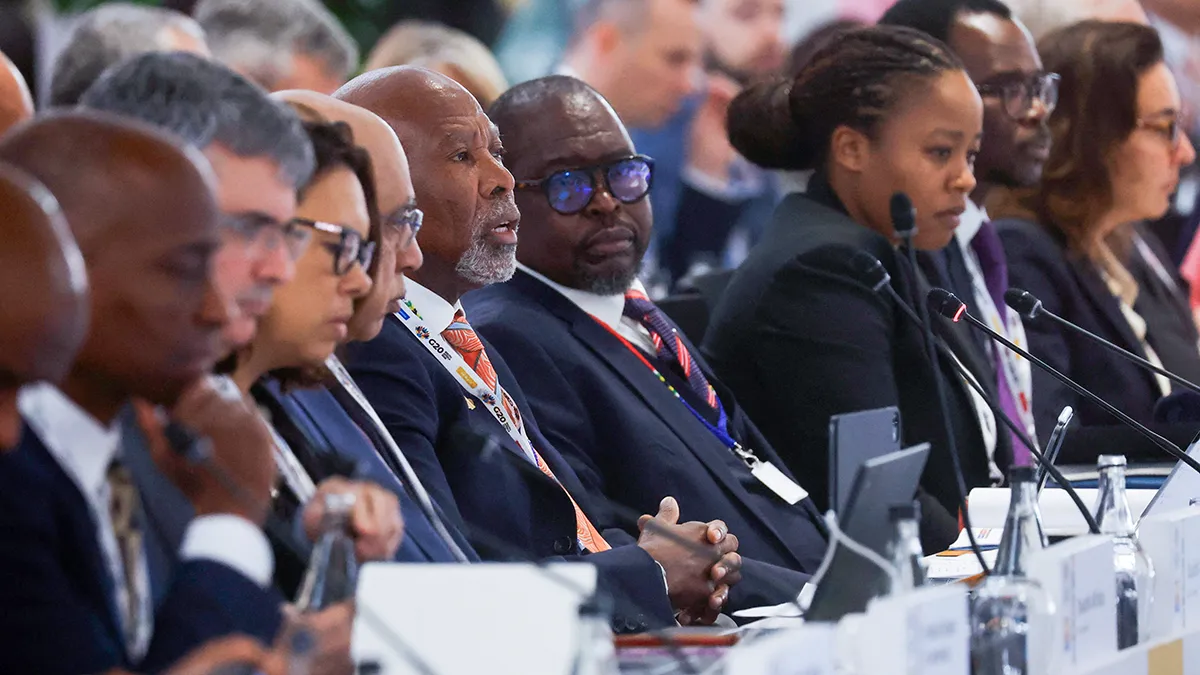
- Africa — G20 preparations in South Africa (18 Sept.)
- NATO — Denmark acquires long-range weapons in ‘paradigm shift’ (18 Sep.)
- Media rack breakdown by headline
Main sources: The Economist (World in Brief), Reuters, AP, BBC, Financial Times, NYT, WSJ, Jerusalem Post. Focus on verified facts from reliable media, with balanced analysis.
Geoeconomic Front — Fed rate cut: 0.25% and signs of further cuts (17–18 Sept.)
What happened?
The Federal Reserve cut rates by 0.25% (first time in nine months), signalling a data-dependent approach with two more possible cuts in 2025 to protect employment amid economic cooling (CNN, Reuters, NYT). Today, markets are digesting the message: stock market volatility, a stronger dollar due to a hawkish reading, and gold retreating from historic highs.
Why does it matter?
Geoeconomically, it eases spreads in emerging markets and financing costs for allies, boosting capex in key AI/semiconductors against Chinese competition, but a strong dollar narrows margins on commodities and puts pressure on Russian/Chinese exporters. This discourages terrorist financing (e.g., Iranian funds via oil, reducing income for proxies such as the Houthis). Europe must synchronise with the ECB to avoid gaps that benefit Beijing/Moscow; a gradual cycle strengthens industrial autonomy without inflationary bubbles. Digging deeper: Against a backdrop of NATO tensions, it reduces fiscal pressures for European rearmament, as seen in recent Danish announcements.
What to watch?
- UST curve (2s/10s), DXY, flows to EM debt
- ECB/BoC/Asia reactions (synchronised adjustments)
- Impact on emerging markets (capital outflows if US employment cools)
United Kingdom-United States — Trump's state visit and AI/nuclear investment agreement (18 September)
What happened?
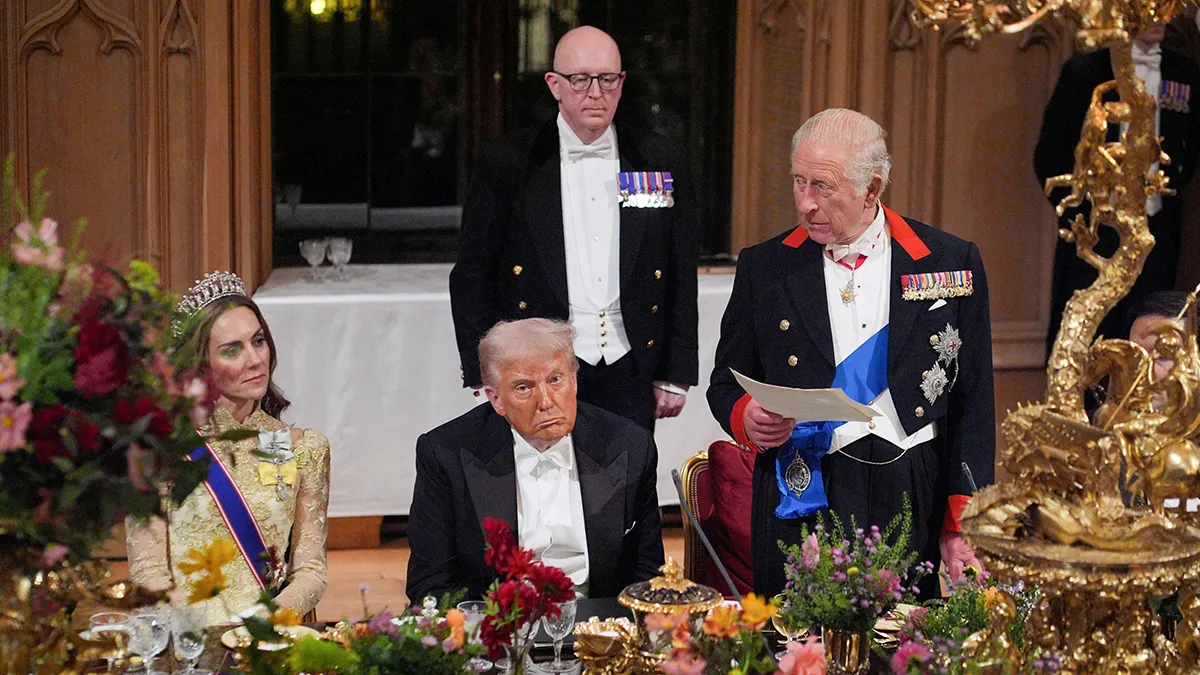
Trump made his second state visit to the UK, with a ceremony at Windsor Castle alongside King Charles III and Prime Minister Keir Starmer. An agreement was signed on commitments in AI, quantum, civil nuclear and data centres, sold by Downing Street as a ‘quantum leap’; details and coverage continue today (The Economist, Reuters).
Why does it matter?
It reinforces transatlantic ‘friend-shoring,’ re-anchoring critical tech/energy chains and pressuring the EU to accelerate its chip agenda (crucial against Chinese revisionism in the Indo-Pacific). This strengthens NATO against Russian/Iranian threats, promoting energy diversification without concessions to terrorist regimes such as Iran. Digging deeper: Clean energy requirements and export controls prevent tech leaks to adversaries, increasing allied autonomy at a time of Nordic rearmament such as in Denmark.
What to watch
- Specific projects (GPU, supercomputing)
- Security clauses (export controls)
- Integration with AUKUS (joint deployments)
Israel-Gaza — New humanitarian corridor and tension on northern front (18 Sep.)
What happened?
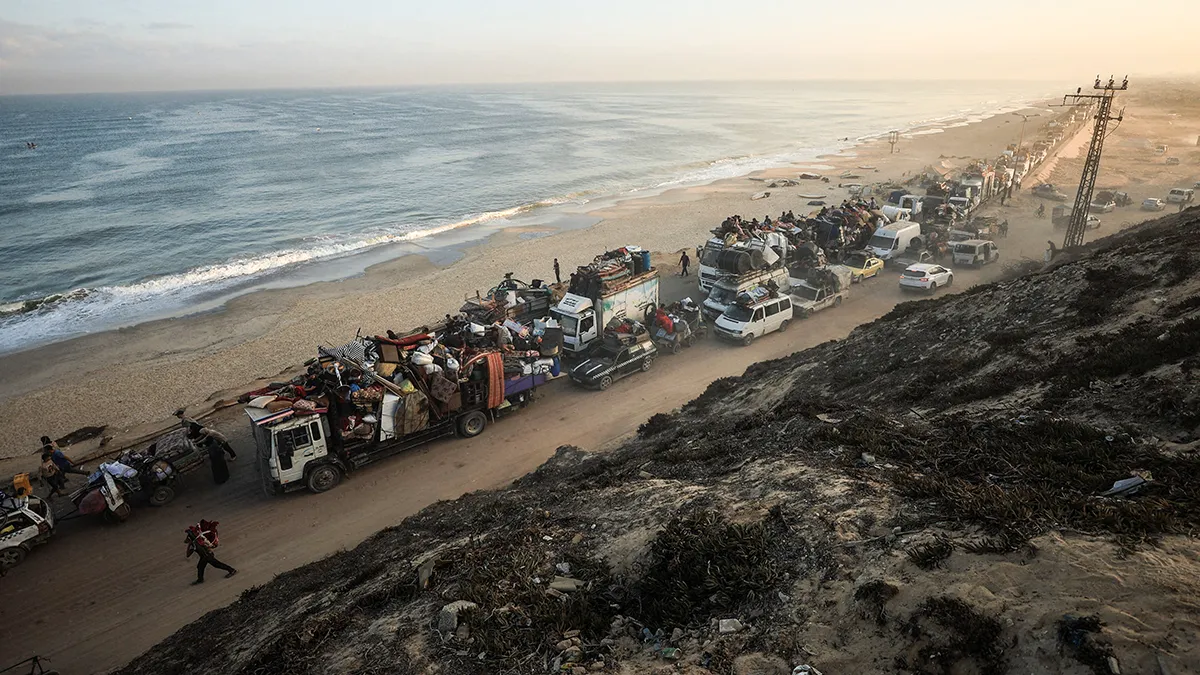
Israel opened an additional 48-hour corridor for civilians to leave Gaza City amid a ground offensive; the death toll reported by Gaza exceeds 65,000 (not independently verified, controlled by Hamas). Military and diplomatic pressure continues, with signs of Hezbollah activity (Reuters, Jerusalem Post).
Why does it matter?
Strategically, it combines degradation of Hamas C2 (strikes on tunnels/command, funded by Iran with £100m annually) with humanitarian windows to force hostage exchanges and reduce rocket launches (currently 20/day).
This is crucial against Hamas terrorism (Iranian proxy responsible for 1,200 murders on 7/10/2023), violating international law with human shields. Regional risk: Hezbollah activity (150,000 rockets) keeps the north sensitive, requiring unified NATO/EU deterrence so as not to embolden Tehran. In depth: Corridor passage metrics measure humanitarian effectiveness vs. Hamas ambushes, in parallel with European pressure for balanced sanctions.
Risk of regional escalation:
Medium/High — Hezbollah could exploit pauses for attacks, testing allied fissures if Europe does not accelerate sanctions on Iranian banks.
What to watch (24–72 hours)
- Corridor passage metrics (tonnes of aid, evacuees)
- Rocket pace/range
- Doha signals (exchange lists, phases)
NATO — Adjustments on eastern flank after drone incursions (18 September)
What happened?
Eastern allies reaffirm IAMD reinforcements and coordination after Russian violations in Romania/Poland; UK maintains Typhoon in combined patrols, anti-UAS ROE planning on the table (BBC, Jerusalem Post).
Why does it matter?
Against Russian ‘grey warfare’ (Iranian Shahed drones, at £20,000/unit, production 300/month), calibrates responses to avoid escalation while maintaining deterrence. Russia tests thresholds without nuclear thresholds, similar to tactics in Ukraine (70% drone attacks). US/UK lead firmly; Europe must accelerate AA ammunition production (only 30% of 2024 commitments met) and sanctions on Shahed chains so as not to benefit Iran. Digging deeper: Reaction times <5 min preserve credibility vs. China in Indo-Pacific, aligning with Nordic rearmament such as today's Danish announcement.
What to watch?
- Specific UAS ROE
- Reaction times, component sanctions
- Joint patrols (Typhoon/F-16 flight hours)
Indo-Pacific — Stabilisation in Scarborough and Chinese signal in NVIDIA chips (18 Sep.)
What happened?
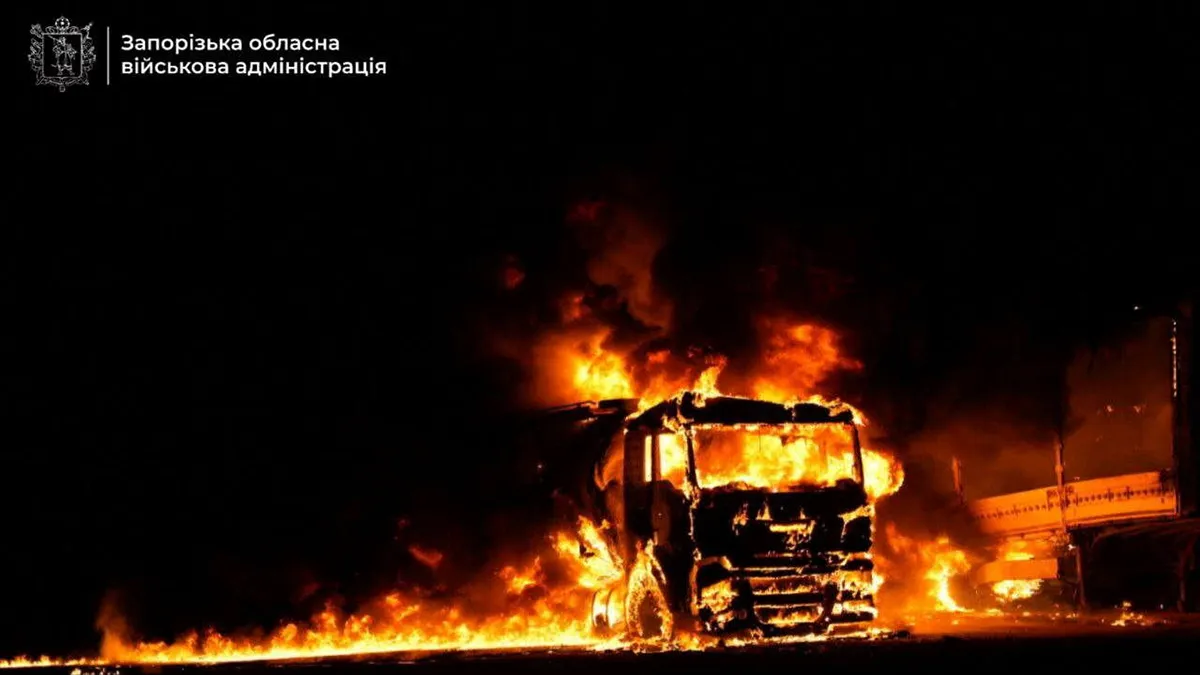
Focus on post-clash stabilisation: Manila/partners maintain diplomatic pressure; Beijing defends ‘nature reserve’ (incident this week, protests continue). Chinese authorities ask firms not to buy NVIDIA chips, moving sector today (Asia Times, Reuters).
Why does it matter?
China uses grey coercion/lawfare to erode Philippine EEZ (rich in fishing/gas, $500M/year), threatening maritime routes (30% global trade, +15% insurance premiums). NVIDIA signal intensifies tech decoupling, conditioning global capex and AI race against the United States.
Washington must strengthen QUAD with naval presence; Europe must commit to AUKUS+ missions and sanctions on Chinese dual-use firms. Digging deeper: Philippine ROE adjustments prevent concessions that encourage aggression in Senkaku/Spratly, in a context of post-Fed financial diversification.
What to watch
- Philippine ROE adjustments, allied presence
- Steps in the Law of the Sea (ITLOS disputes)
- NVIDIA impact (global capex, US responses)

Ukraine-Russia — Threat of 100% tariffs and Patriot shipments (17–18 September)
What happened?
Trump declared severe tariffs (100% secondary) on Russia if no peace in 50 days, plus Patriot shipments to Ukraine (Reuters). Coincides with NATO-Rutte summit.
Why does it matter?
It raises the costs of Putin's aggression ($300 billion/year, 40% of Russian GDP), drying up funds for drones while strengthening Ukrainian defences (85% interceptions). It deters grey buyers (India/China); Europe aligns sanctions but accelerates zero Russian gas (2028 unacceptable). Digging deeper: This complements Nordic support such as Denmark's ($11 billion in aid to Kyiv), isolating Moscow economically.
Risk of regional escalation: Russia could cut gas or use drones, demanding NATO ROE and Iranian sanctions.
What to watch?
- OFAC framework
- Patriot integration
- Reductions in Russian oil purchases
Transatlantic — Threat of 30% tariffs on the EU (17–18 September)
What happened?
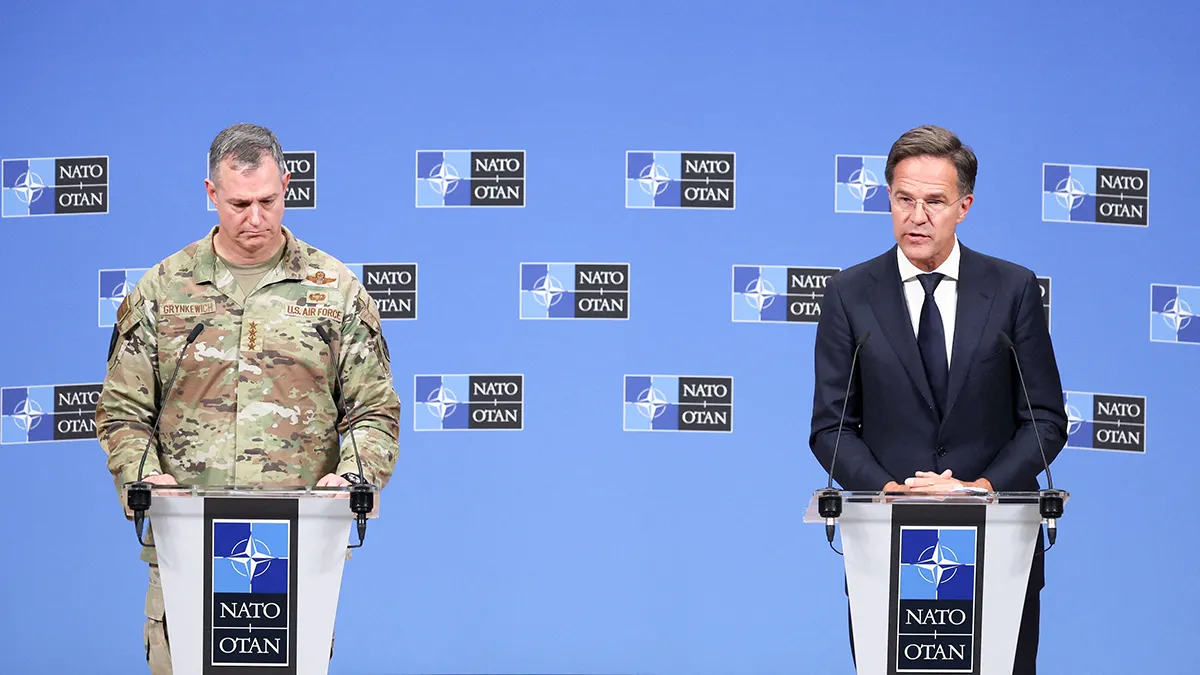
Sefcovic warned of ‘impossible’ trade if tariffs are imposed; Trump threatens 30% on EU goods from August, with no immediate retaliation from Von der Leyen (FT).
Why does it matter?
Fracture threatens NATO vs. Russia/China (€200 billion EU losses); EU negotiates agricultural access, abandons protectionism. Digging deeper: Amid rearmament such as Denmark's, avoid divisions that weaken collective deterrence.
What to watch?
- Exemptions (defence/semicon)
- Reciprocal packages
- NATO supply shield
European Union-Israel — Proposed trade suspension and sanctions (18 Sep.)
What happened?
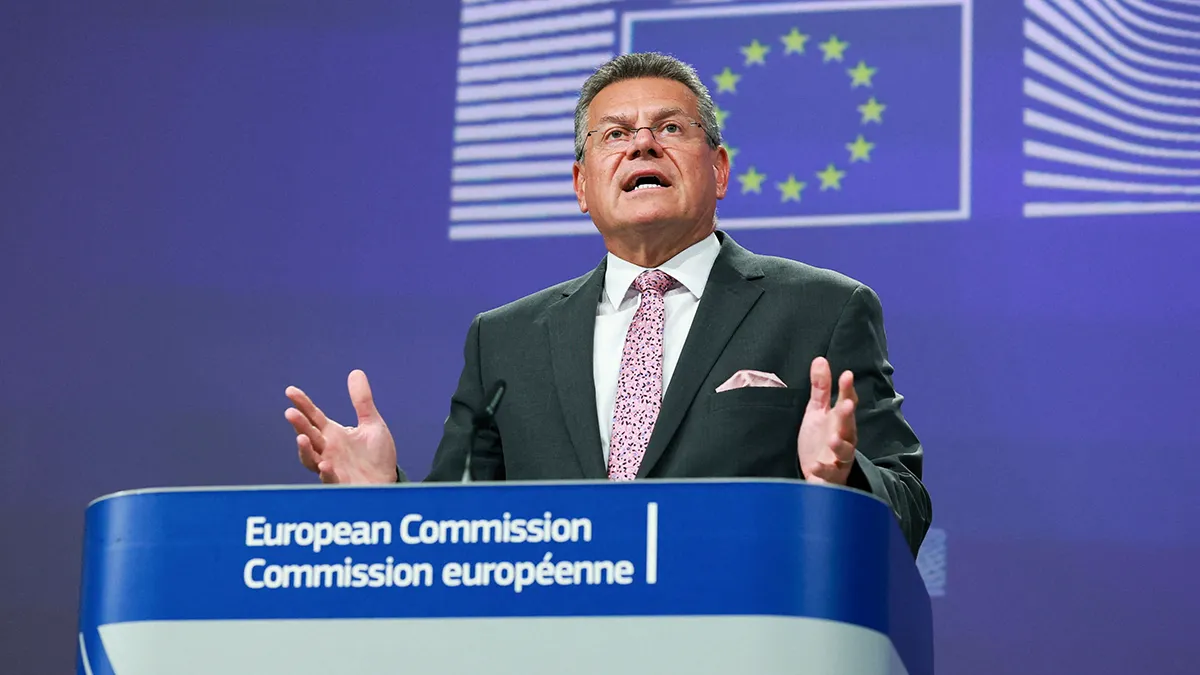
EC proposes suspending Israel trade agreement, sanctions on ministers/settlers and 10 Hamas leaders; Von der Leyen calls for end to ‘horrific’ events in Gaza; Germany could veto (The Economist).
Why does it matter?
Balances humanitarian concerns with Hamas degradation (Iranian terrorist); but weakening Israel would embolden Tehran. Prioritise Iran sanctions. Deep dive: Potential German veto highlights internal EU tensions, contrasting with NATO unity on eastern flank.
What to watch
- Member votes
- Impact on Hamas funds
- Israeli reactions
Africa — G20 preparations in South Africa (18 Sep.)
What happened
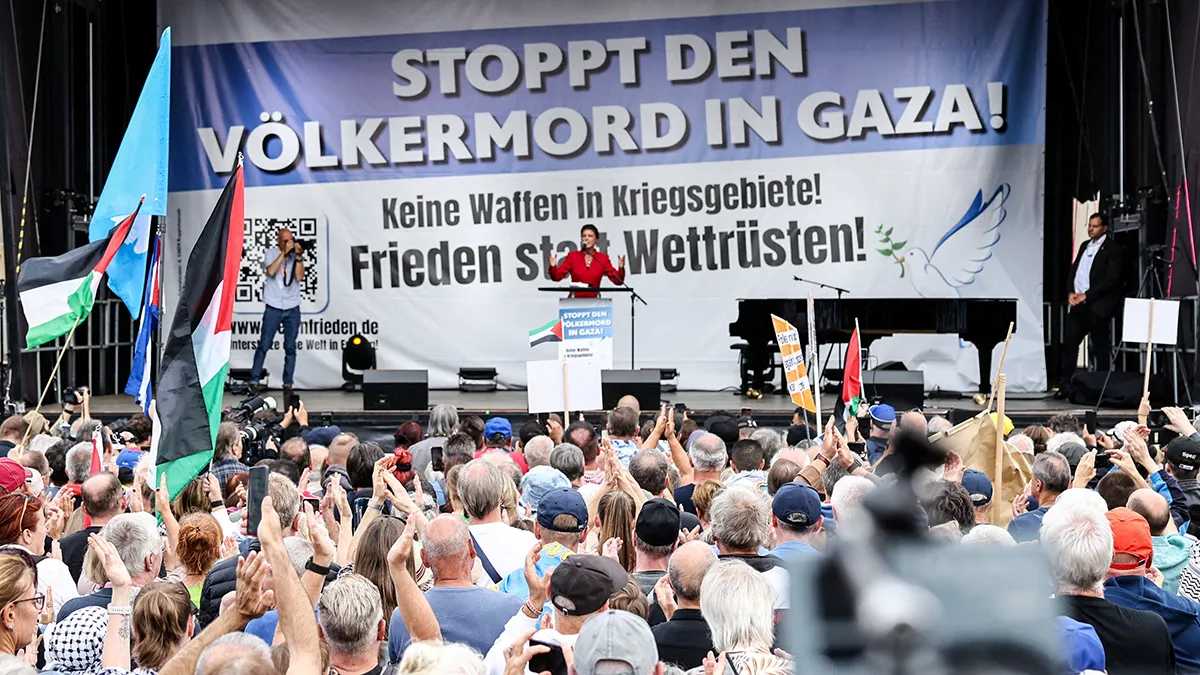
South Africa prepares for G20 2025 with ‘solidarity/equality’ agenda; WTO forum discusses digital AfCFTA (Control Risks, South Centre).
Why does it matter?
Raises African voice in governance, promoting AfCFTA (potential GDP of $300 billion) against Chinese/Russian influences. Renegotiating AGOA post-30 September avoids declines that exploit extremists (Iranian affiliates in the Sahel). In depth: Links to post-Fed diversification, reducing vulnerabilities to terrorist financing.
What to watch
- G20 agenda (debt)
- AfCFTA protocols
- Post-AGOA agreements
NATO — Denmark acquires long-range weapons in “paradigm shift” (18 September)
What happened?
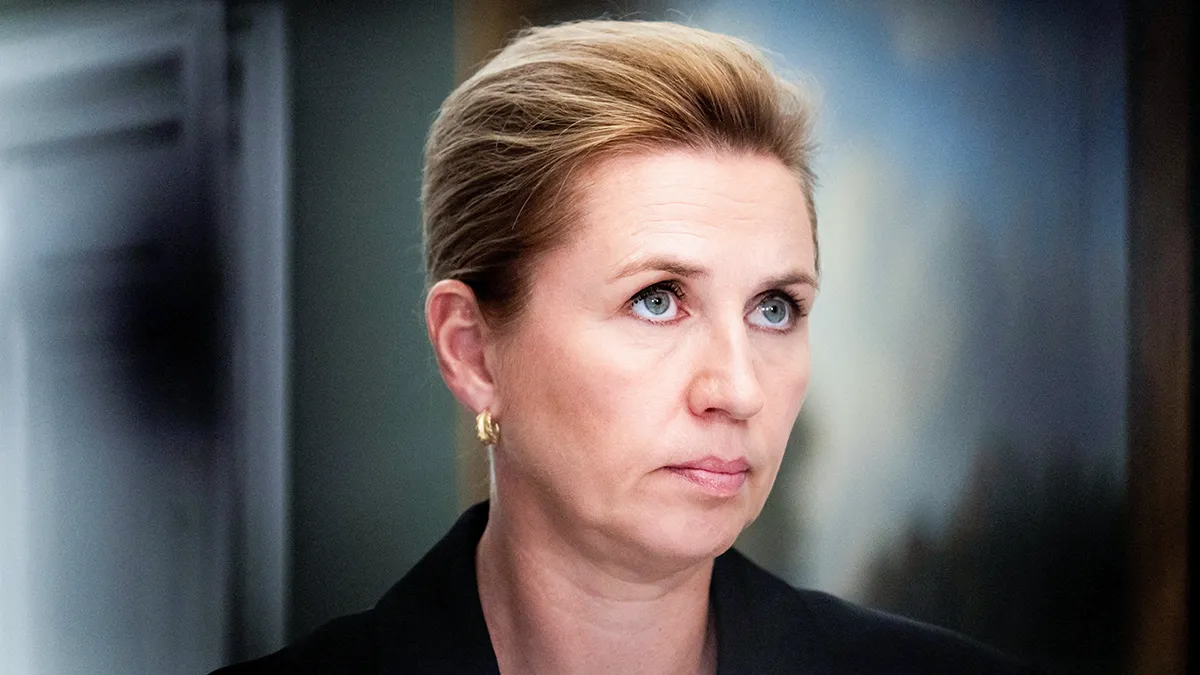
Prime Minister Mette Frederiksen announced the first-ever acquisition of long-range precision weapons (missiles and drones), framing it as a ‘paradigm shift’ in Danish defence policy in response to Russia's war in Ukraine (NYT, Reuters). Russia calls it ‘pure madness,’ with its ambassador Vladimir Barbin warning that it will be considered a threat to a nuclear power. Denmark, which has sent £11 billion in aid to Kyiv (including F-16s and tanks), is evaluating systems without detailing costs, emphasising non-offensive deterrence. This is in addition to recent purchases of drones and Arctic patrol boats.
Why does it matter?
Strategically, it reflects a broad Nordic rearmament (similar to Norway's £13.5 billion deal with the UK for frigates) in the face of the persistent Russian threat and growing US scepticism towards global alliances. As a NATO member, Denmark is increasing its contribution to the northern flank, strengthening collective deterrence against Putinist aggression (responsible for crimes in Ukraine) without crossing offensive thresholds. This counteracts Russia's ‘grey war,’ promoting European autonomy in air/missile defence while putting economic pressure on Moscow (via Trump tariffs). In depth: This links to Arctic tensions (Trump's interest in Greenland), ensuring control of key routes against Russian expansion, and requires EU unity for similar funds, preventing internal weaknesses from benefiting regimes such as Iran (supplier of drones to Russia).
Risk of regional escalation:
Medium — Russian rhetoric could intensify threshold testing (drones or cyber), but reinforces NATO credibility; monitor implicit nuclear responses.
What to watch
- Specific systems (types of missiles/drones, suppliers)
- Cost and timeline (integration with NATO IAMD)
- Nordic reactions (coordination with Norway/Sweden)
Media rack breakdown by headline
Synthesis selection, prioritising balanced verification (updated 18 Sep., enriched with coverage from Denmark).
- The Economist (UK): Leads with Fed cut/UK visit ($42B deal), EU-Israel proposal; main piece with Fed/UK visit (consulted today).
- Reuters (agency): Russia tariffs, Patriot, Fed cut (0.25%, markets after Fed; gold/dollar); Gaza corridor; NATO-UAS follow-up; China's Arctic route; Denmark long-range weapons (paradigm shift vs. Russian threat).
- AP (US): Visual UK visit, G20 Africa; African tourism alert; Scarborough casualties.
- BBC (UK): Coverage of UK visit, Fed cut (employment); Arctic route climate challenge; Gaza/Poland verification.
- WSJ / Fox News (US): Support for Russia tariffs, Fed cut ‘hard stimulus’; EU sanctions Hamas vs. Iran.
- FT (UK): Fed cut models (GDP up), EU tariffs (€200B); Arctic route impact; post-Scarborough insurance premiums.
- NYT (US): EU-Israel humanitarian proposal; Fed rate cut inflation doubts; Denmark paradigm shift (long-range weapons, Russia ‘madness’).
- CNN: Live Fed cut/UK visit; geoeconomic charts.
- Jerusalem Post (Israel): NATO reinforcements east; Gaza corridor, Hezbollah tensions.
- The Guardian (UK): Denmark long-range precision weapons (Frederiksen warns Russia threat); Ukraine war briefing.
- Bloomberg (US): Denmark adds missiles/drones on Russian risk (change in basic assumptions from defence focus).
- Al Jazeera (Qatar): Critical EU-Israel proposal; ignores Iran's role.
- SCMP (Hong Kong): Arctic route Chinese advance; minimises Indo-Pac tensions; NVIDIA signal.