Gustavo de Arístegui: Geopolitical analysis of 22 September


- Recognition of Palestine by the United Kingdom, Canada and Australia
- Charlie Kirk memorial service and internal polarisation in the US
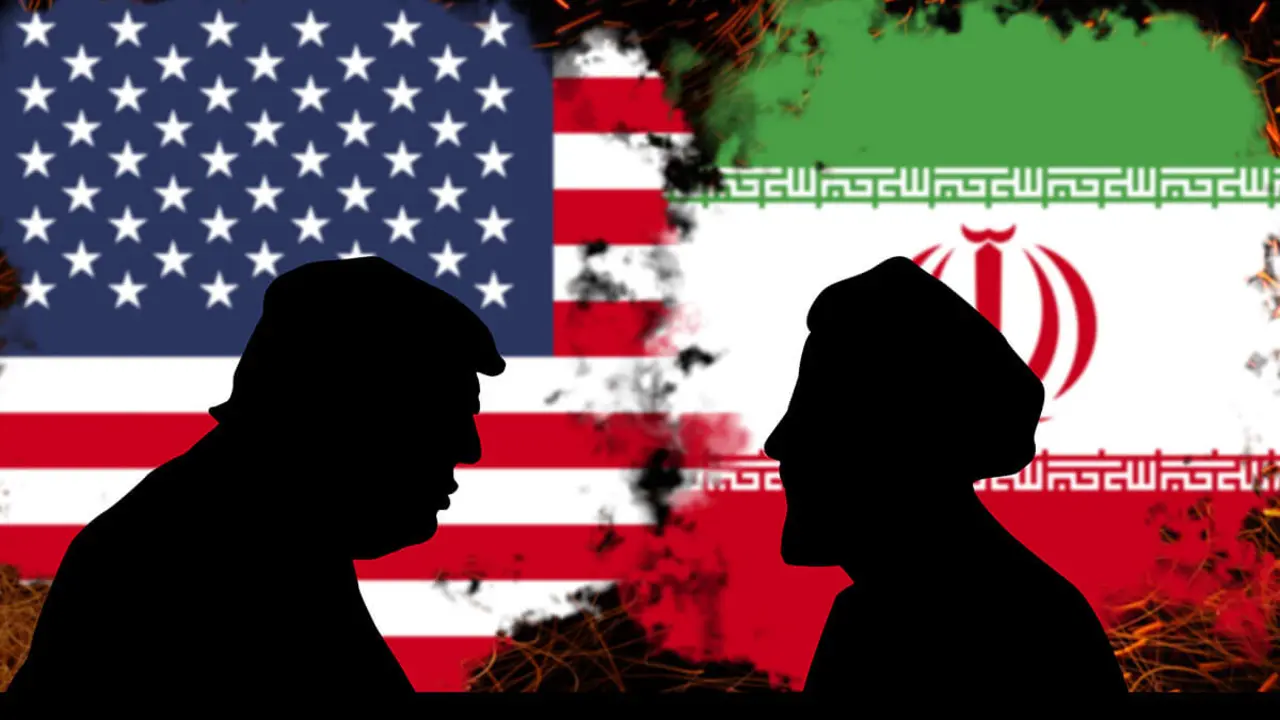
- Increased tensions and effects on energy markets
- Mass protests in Brazil against the amnesty bill for Bolsonaro and his allies
- Colombia deserted by the US in the fight against drug trafficking
- Tensions between Venezuela and the US; naval deployment in the Caribbean
- Protests in East Timor against parliamentary privileges and pensions
- Chad removes presidential term limits
- Persistence of the conflict between the Army of the Democratic Republic of Congo and the M23 rebels
- Geopolitical Media Rack – 22 September 2025
1. Recognition of Palestine by the United Kingdom, Canada and Australia
What happened?
- The United Kingdom, Canada and Australia formally announced their recognition of the State of Palestine.
- Canada did so after receiving commitments from the Palestinian Authority on reforms: general elections in 2026 from which Hamas would be excluded, and demilitarisation.
Why does it matter?
- It is a substantial diplomatic shift: these countries have been traditional allies of Israel, and their recognition represents growing Western pressure on Israeli policy in the occupied territories.
- It attempts to keep the two-state solution model alive in the face of fait accompli policies (settlements, annexations).
- It has legal, political and foreign relations implications for those involved, including diplomacy with the Arab world, UN votes, and internal debates in each country.
Possible consequences
- Increased tension in the Middle East between Israel and countries that recognise Palestine, which could adopt sanctions, exert pressure in international forums, etc.
- Pressure on other Western countries to do the same or at least clarify their position.
- Potential diplomatic escalation with Israel, which has expressed strong opposition. It could also change the balance of political support between factions in Palestine, depending on how the aforementioned reform commitments are implemented.
2. Charlie Kirk memorial service and internal polarisation in the US
What happened?
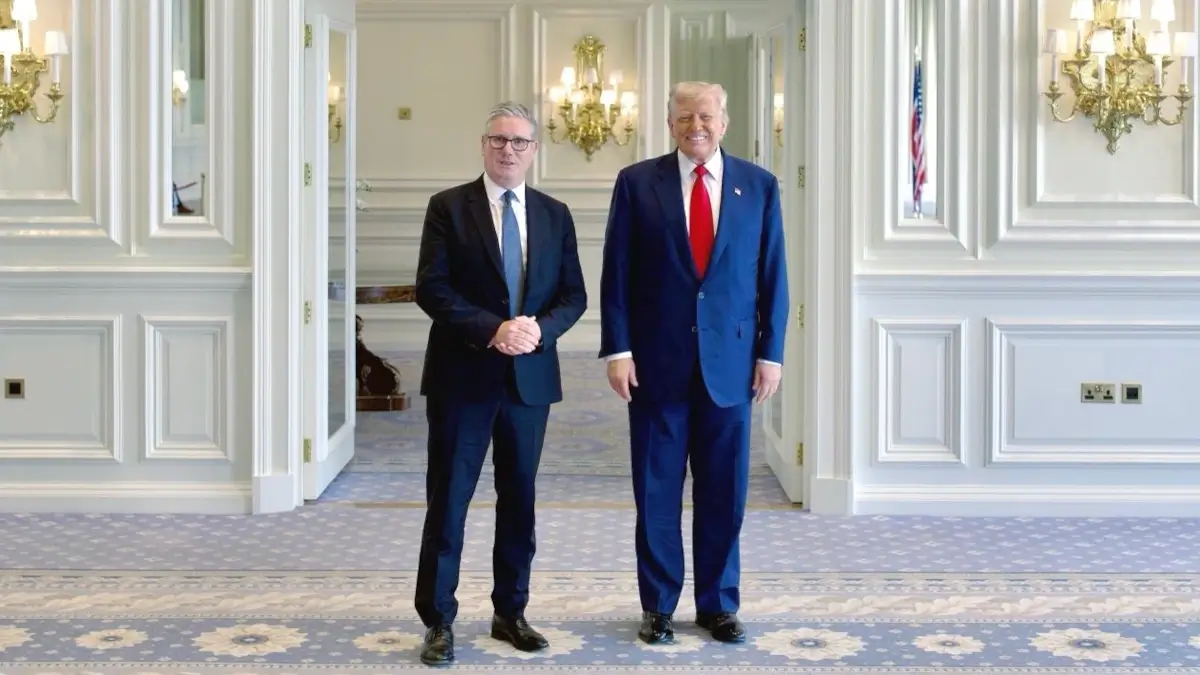
- A large memorial service for Charlie Kirk was held in Arizona, with massive attendance (tens of thousands), where Donald Trump and other Republican leaders presented him as a ‘martyr for conservative freedom.’
- His wife, Erika Kirk, will take over the leadership of the Turning Point USA movement. The memorial service featured a mix of religious elements, strong political speeches and calls to continue his legacy.
- Controversy has been generated by rhetoric accusing the ‘radical left,’ threats of political reprisals, and concerns that this could intensify the culture of division, hate speech, or even repression.
Why does it matter?
- It highlights the growing political polarisation in the United States, not only between parties, but also in political culture and, even more worryingly, in society: discourse, public accountability, and conflicting ideological identities.
- There is a risk that an assassination could become a political symbol, used to mobilise support, legitimise harsh responses against the opposition, and redefine the acceptable limits of behaviour in politics and the media.
- Implications for freedom of expression, the management of political violence, security at public events, and polarisation in universities and the media.
Possible consequences
- Surveillance, sanctions or penalties for those who make speeches considered offensive or violent could intensify, generating debate about censorship versus security.
- Risk that the ‘martyr’ narrative will be used in election campaigns, strengthening figures who appeal to resentment, identity and confrontation.
- Potential repercussions on institutional stability if significant segments of the population perceive that the system does not protect or mediate fairly between political views.

3. Increased tensions and effects on energy markets
What happened?
- Oil prices rose slightly, driven by tensions in Europe and the Middle East.
- In Europe: Russian air strikes near western Ukraine, increasing violations of Estonian and Baltic airspace by Russia, triggering the deployment of NATO patrols and increased regional security tensions.
- In the Middle East: recognition of Palestine by Israel's allies provoked strong reactions from the latter, increasing the level of uncertainty.
Why does it matter?
- Oil is sensitive to geopolitical risks: any escalation can affect supplies, routes and production, which has a direct impact on inflation, energy costs and public policy.
- Security tensions in Eastern Europe contribute to military rebalancing, the need for more collective defence, troop deployments, and security investments, which can affect budgets and diplomatic relations.
- In the Middle East, Israel's reactions to the recognition of Palestine could include retaliation, increased repression, or violence, adding further instability to an already volatile region.
Possible consequences
- Rises in crude oil prices, with indirect impacts on transport, energy, industrial production, and global inflation.
- Strengthening of military and diplomatic alliances: NATO may intensify its presence in Eastern Europe; countries in the region may request more security guarantees.
- Possible increase in sanctions or reciprocal diplomatic measures following the recognition of Palestine, which could trigger a chain reaction.
4. Mass protests in Brazil against the amnesty bill for Bolsonaro and his allies
What happened?
- Thousands of people took to the streets in Brazil (‘the first major demonstrations by the left in years’) to protest against a bill that could grant amnesty to Jair Bolsonaro and others who were convicted of attempting a coup after the 2022 elections.
- The protests took place in all states of the country, with a strong presence in large cities such as Sao Paulo and Rio de Janeiro.
Why does it matter?
- It challenges democratic principles: the idea of amnesty to try to reverse election results undermines accountability and the separation of powers.
- It further polarises the Brazilian political landscape: it strengthens the opposition, activates citizen mobilisation, and may affect the political scene ahead of future elections.
- It has regional and international repercussions: Brazil is a key country in Latin America; changes in how it manages its democratic transition may influence institutional norms in other countries in the region.
Possible consequences
- If the amnesty is approved, it could generate legal uncertainty, sustained protests, and international damage to Brazil's reputation.
- Risk of political or economic sanctions from external actors if it is considered that democracy is being undermined.
- Reinforcement of populist rhetoric or institutional coup, with consequences for the internal political system, the rule of law, and social stability.

5. Colombia deserted by the US in the fight against drug trafficking
What happened?
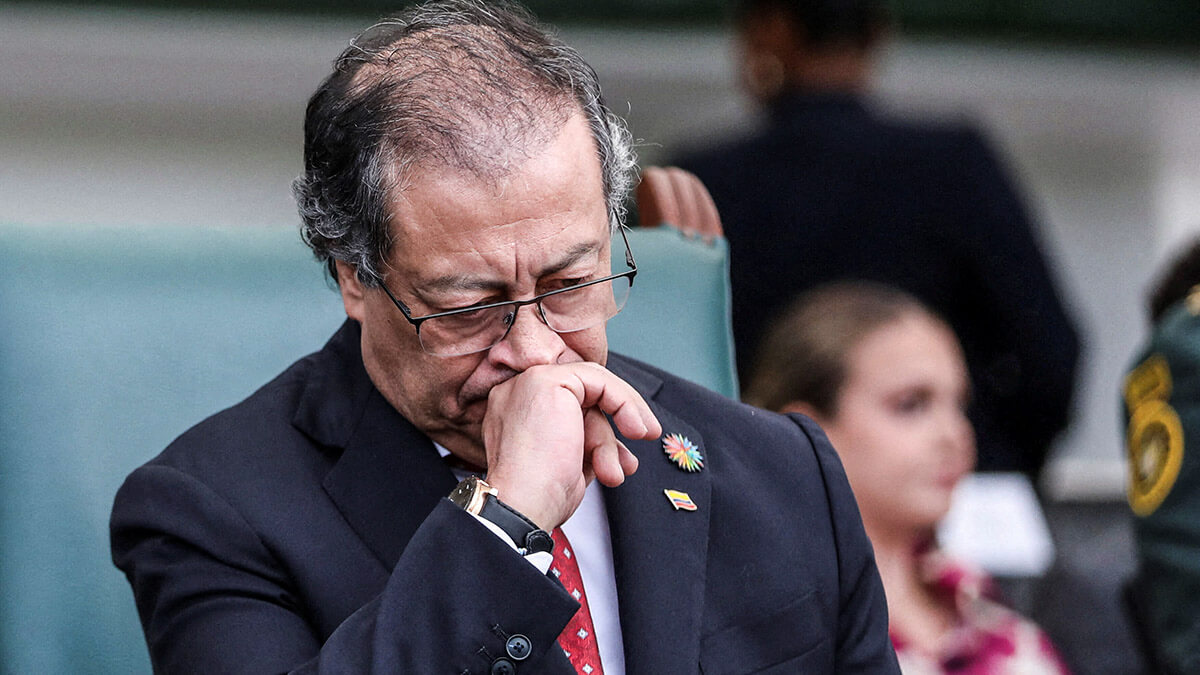
- Colombia was placed by the US on a list of countries that ‘do not cooperate sufficiently’ in the fight against drug trafficking, something that had not happened for some thirty years.
- President Gustavo Petro criticised the decision as interference in Colombian sovereignty, especially at a time when the 2026 elections are approaching.
Why does it matter?
- Serious deterioration of US-Colombia bilateral relations: these certifications are often accompanied by conditional measures, aid cuts or diplomatic pressure.
- It has domestic political impact: Petro, who is losing popularity and in a political tailspin, could try to use it to mobilise support around the idea of defending against external intervention.
- Implies real risks in the management of the fight against drug trafficking: cooperation, financing, technical assistance and intelligence sharing may be undermined by Petro's complacency with guerrilla radicalism and its main source of funding.
Possible consequences
- Colombia could seek to diversify its external allies in security or drug trafficking, reducing its dependence on the US.
- Internal polarisation: Petro's government will use the narrative of ‘external attack’, while the opposition may criticise the management of drug trafficking and international agreements.
- Possible effects on migration, border security, coca production, etc., depending on how international cooperation is managed.
6. Tensions between Venezuela and the US; naval deployment in the Caribbean
What happened?
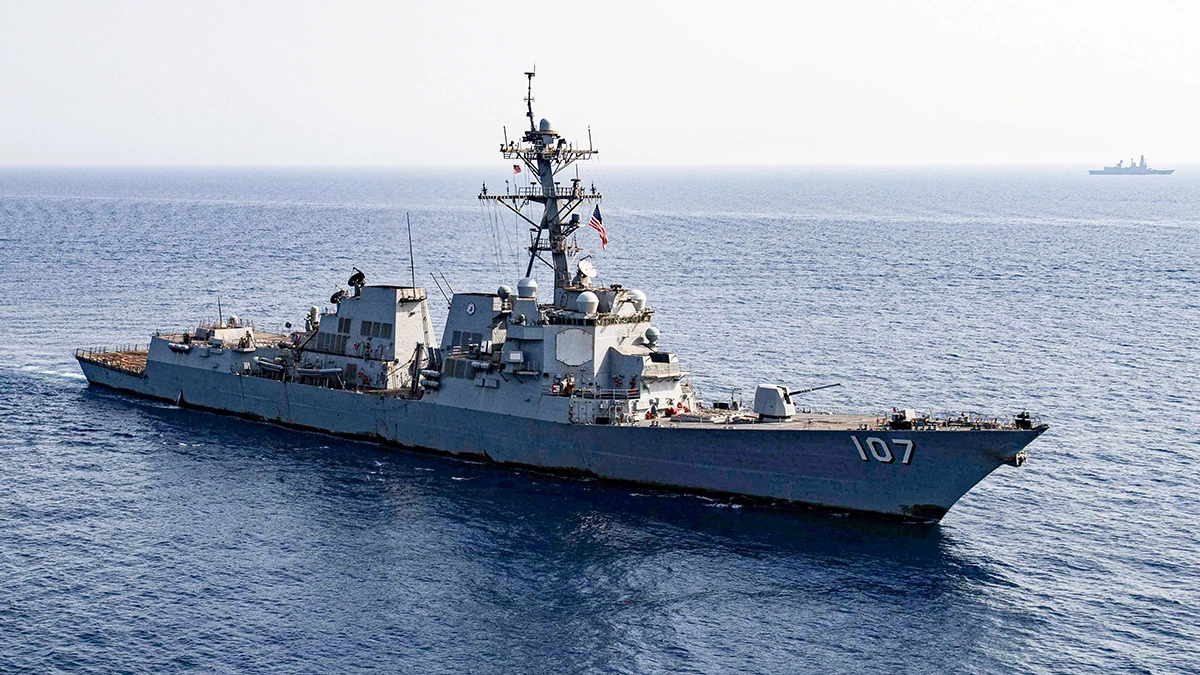
- The US has deployed a significant naval fleet in the Caribbean near Venezuela, allegedly as part of anti-drug trafficking operations.
- Venezuela protests, calling these actions aggressive, rejects the United States' justifications, and mobilises the civil militia as part of its response.
Why does it matter?
- Risk of military escalation or at least significant diplomatic confrontation in the region, something that was not often seen.
- It affects regional security in the Caribbean and Latin America: fishing, drug trafficking, maritime sovereignty, and foreign military presence are all sensitive issues.
- Significant symbolic repercussions: mobilising civilian militias, talking about sovereignty, mutual accusations of aggression — all of this strengthens nationalist and anti-imperialist narratives.
Possible consequences
- Increased diplomatic tension between Caracas and Washington, and with neighbouring countries that may find themselves with conflicting interests.
- Risk of military incidents (accidental or intentional) that could escalate if there are no solid diplomatic channels.
- Negative economic impact on Venezuela, already vulnerable, and possible additional sanctions if the US manages to prove ‘injustices’ or violations of international regulations.
7. Protests in East Timor against parliamentary privileges and pensions
What happened?
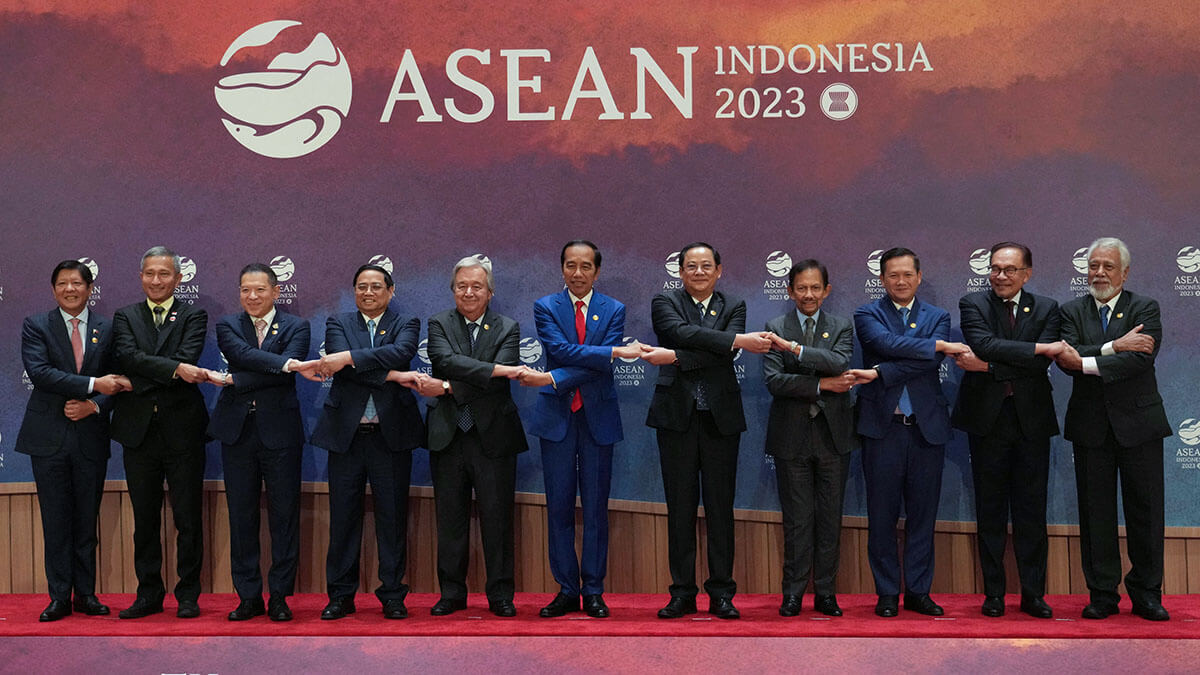
- Students in Timor-Leste protested in front of the Parliament in Dili when a budget was approved to purchase 65 off-road vehicles for MPs, at a cost of ~US$4 million.
- The protests spread to demands beyond spending: abolition of pensions for former MPs, etc. Finally, after three days, Parliament agreed to cancel the vehicle purchase.
Why does it matter?
- It indicates a level of civic mobilisation and citizen vigilance in young democracies or those with weak institutions. Extravagant public spending → protest → accountability.
- It reflects sensitivity to the use of public resources in contexts of poverty or more urgent needs. Legislative spending decisions can have a high political cost if they are not justified.
- It can encourage institutional reforms, greater transparency, and even changes in political culture with regard to political privilege.
Possible consequences
- Possible institutional strengthening: building channels for citizens to object to public spending decisions.
- May serve as an example for other small democracies in Asia Pacific grappling with corruption, excessive public spending, or unjustified privileges.
- If not managed well, may lead to political fracture, distrust of representatives, and weakening of the government if it fails to respond to citizen demands.
8. Chad removes presidential term limits
What happened?
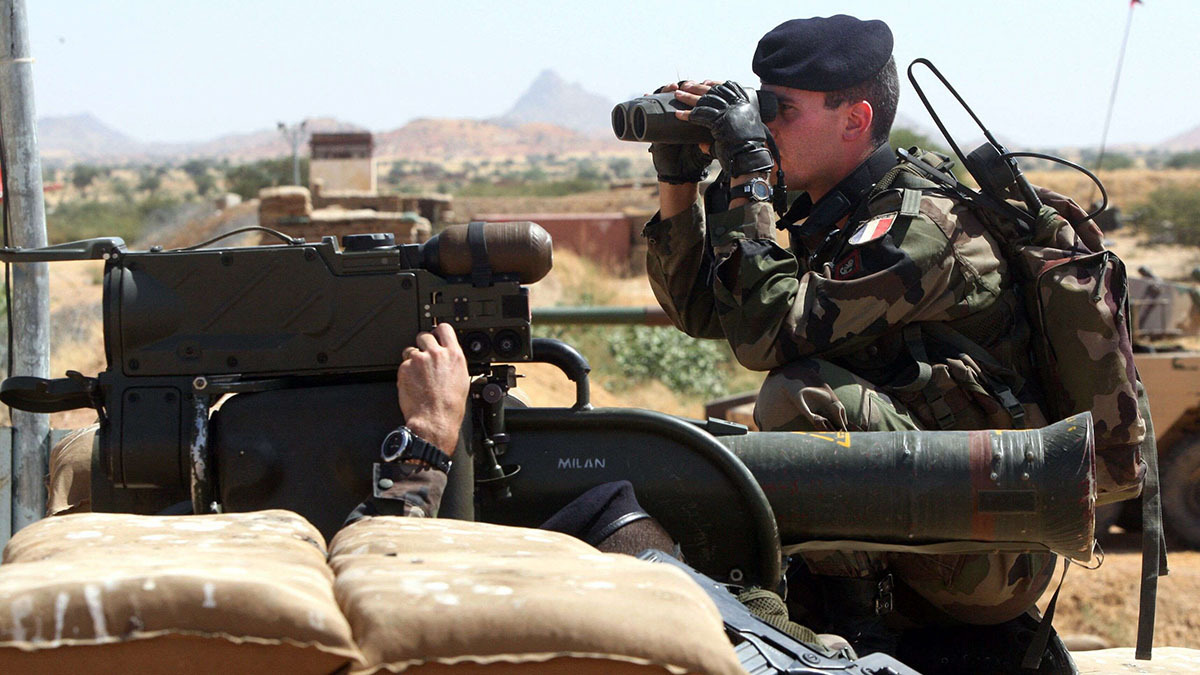
- Chad's National Assembly approved constitutional changes extending the presidential term from five to seven years and removing term limits, allowing President Mahamat Idriss Déby to run indefinitely.
- Déby came to power in 2021 after the death of his father, in a context of military rule and strong political control.
Why does it matter?
- Institutional transformation towards perpetual power: one of the classic features of emerging authoritarianism.
- It affects internal political stability, increases the risk of protests, weakens the opposition, and concentrates power.
- It has regional impacts: other African countries are watching as regimes without constitutional limits consolidate, which may generate reactions from African blocs, human rights organisations, and international donors.
Possible consequences
- There could be diplomatic sanctions or reduced international cooperation if Chad is considered to be regressing democratically.
- Internally, resistance from the population, possible revolts, discontent if the government, services and security do not improve.
- Reinforcement of patronage networks and militarisation of power.
9. Persistence of the conflict between the Army of the Democratic Republic of Congo and the M23 rebels
What happened?
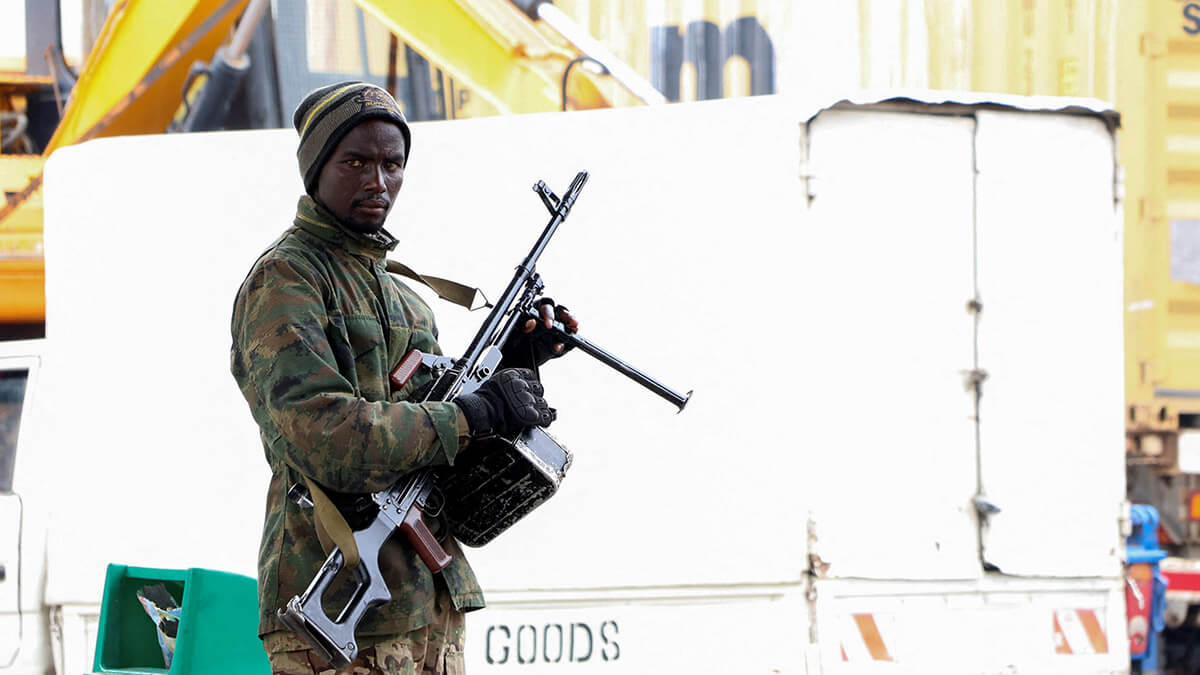
- Despite peace agreements promoted by the US and Qatar, violence in eastern DR Congo continues. The army and M23 rebels accuse each other of breaches.
- Strategic cities, displaced populations, and road closures affect the lives of millions.
Why does it matter?
- The region is rich in strategic minerals that are important for global supply chains (electronics, green technologies, etc.). Instability allows for abuse, illegal exploitation and corruption.
- Enormous humanitarian crisis: displacement, insecurity, human rights violations.
- Risk of regionalisation of the conflict: neighbouring countries may be directly or indirectly involved, either by supporting actors, sharing refugees or facing cross-border instability.
Possible consequences
- If the peace agreements are not fully implemented, a wider war could be reignited, with spill-over effects.
- Greater international humanitarian intervention, although complicated by the multiplicity of actors and lack of trust.
- Prolonged deterioration of the rule of law in these provinces, which may affect both the central government and foreign investors.
Geopolitical Media Rack – 22 September 2025
NYT (US)
Focus: Recognition of Palestine by Canada, the United Kingdom and Australia as a historic shift in Western policy towards Israel.
Emphasises that it may open the door to a ‘wave’ of recognitions and place Israel under greater diplomatic isolation.
On the US: analyses Charlie Kirk's memorial as a catalyst for Republican polarisation, with Trump and J.D. Vance using it to mobilise the conservative base.
Washington Post (US)
Focus: Implications for the White House following the recognition of Palestine by US allies; pressure on Biden to clarify his position.
Extensive coverage of Charlie Kirk's assassination and the effect on security policy: debate on political violence and hate speech on social media.
Financial Times (UK)
Focus: Risk of annexation in the West Bank.
Warns that Netanyahu faces pressure from his ultra-nationalist coalition to expand settlements.
Energy market: oil prices rise due to tensions in Ukraine and the Middle East.
In Latin America: attention to US-Venezuela tensions following naval deployment in the Caribbean.
Reuters
Focus: Simultaneous coverage of: Recognition of Palestine; Kirk memorial attended by Trump; rise in oil prices due to Russian attacks in Ukraine and tensions in the Middle East; and crisis in Colombia following US anti-drug desertification.
AFP (France)
Focus: Diplomatic dimension of Palestinian recognition, highlighting that France and the EU could be pushed into a similar internal debate.
Africa coverage: Chad removes presidential term limits → ‘another democratic setback’ in the Sahel.
Le Monde (France)
Focus: Recognition of Palestine as a turning point in Western alignment.
Emphasises that Canada made its support conditional on the exclusion of Hamas and elections in 2026, which could open up a new scenario in the PNA.
In Africa: War in eastern DRC with M23 persists despite peace announcements.
The Times (United Kingdom)
Focus: Risk of ‘major diplomatic clash’ between Israel and its historic allies following Palestinian recognition.
Kirk Memorial: portrays it as a mass event, a mixture of evangelical faith, MAGA politics and confrontational rhetoric.
BBC (United Kingdom)
Focus: Recognition of Palestine dominates the opening, with attention on the impact on the United Nations and multilateral diplomacy.
In Asia: coverage of protests in Timor-Leste against parliamentary privileges as an example of institutional fragility in the region.
Al Jazeera (Qatar)
Focus: Celebrates Palestinian recognition as a long-awaited diplomatic triumph and moral pressure on the US and the EU.
Notes that Israel's international isolation is intensifying and warns of the ‘risk of annexation’ as a factor in a definitive break.
South China Morning Post (Hong Kong)
Approach: Views Palestinian recognition from the perspective of the Global South, highlighting that Asia could follow suit.
Covers protests in Timor-Leste as evidence of tensions in emerging democracies.
Conclusions from the mosaic
· Dominant narrative: The recognition of Palestine by three of Israel's allies is the central theme in all international media → far-reaching diplomatic break.
· US: Kirk Memorial makes headlines in Anglo-Saxon media, reflecting polarisation.
· Markets: Reuters and FT highlight the rise in oil prices due to tensions in Ukraine and the Middle East.
· Latin America: Brazil, Colombia and Venezuela attract attention due to political instability and tensions with the US.
· Africa: democratic setback in Chad and continuing war in the DRC.
· Asia: protests in East Timor, focus on institutional fragility and citizen reaction.
Visual summary
· Palestine: Cross-cutting issue, highlighted by all major media outlets → key diplomatic shift.
· Charlie Kirk: Only Anglo-Saxon media (NYT, WaPo, Reuters, Times) place him as a US political figurehead.
· Energy / Ukraine: Reuters and FT highlight this → rising oil prices, NATO–Russia risk.
· Latin America: Mainly covered by El País and Reuters → Brazil, Colombia and Venezuela.
· Africa: AFP and Le Monde highlight Chad (authoritarianism) and DRC (persistent conflict).
· Asia: BBC and SCMP focus on East Timor, symbol of institutional fragility.