Hach Ahmed Bericalla: ‘Morocco's proposal is an opportunity for the Sahrawis’
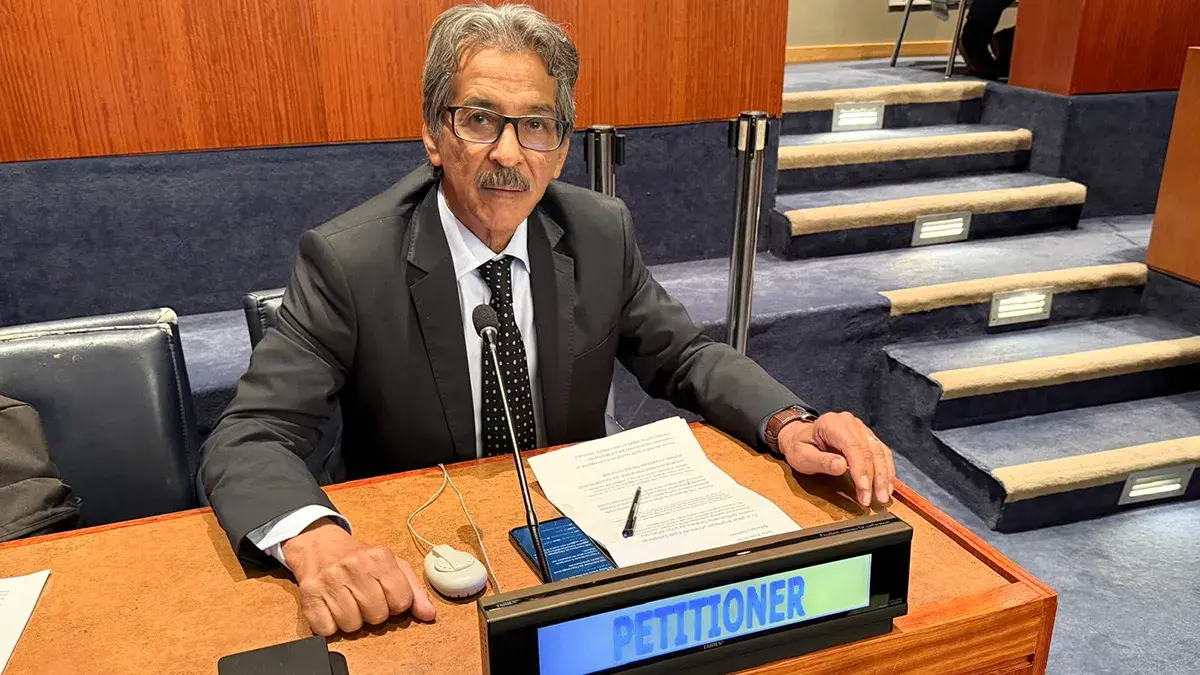

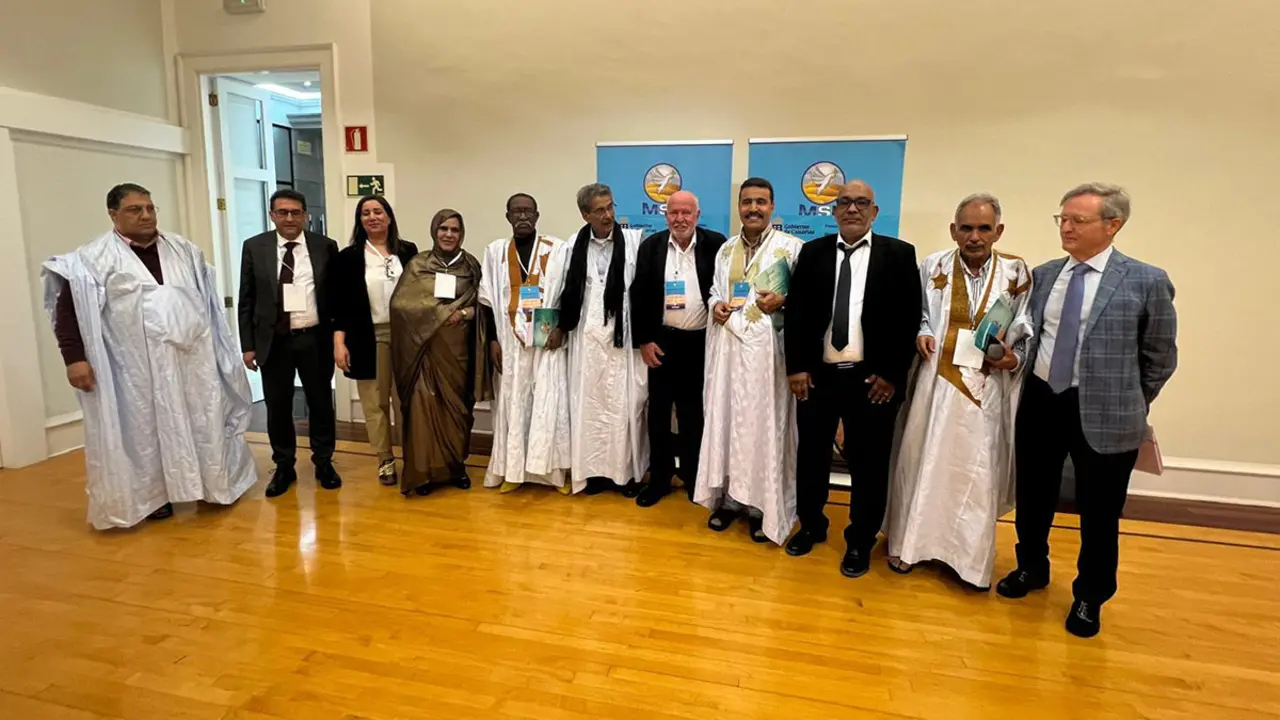
The Sahrawi Movement for Peace (SMP) has established itself as a third way for dialogue with a view to achieving a peaceful political solution to the question of Western Sahara.
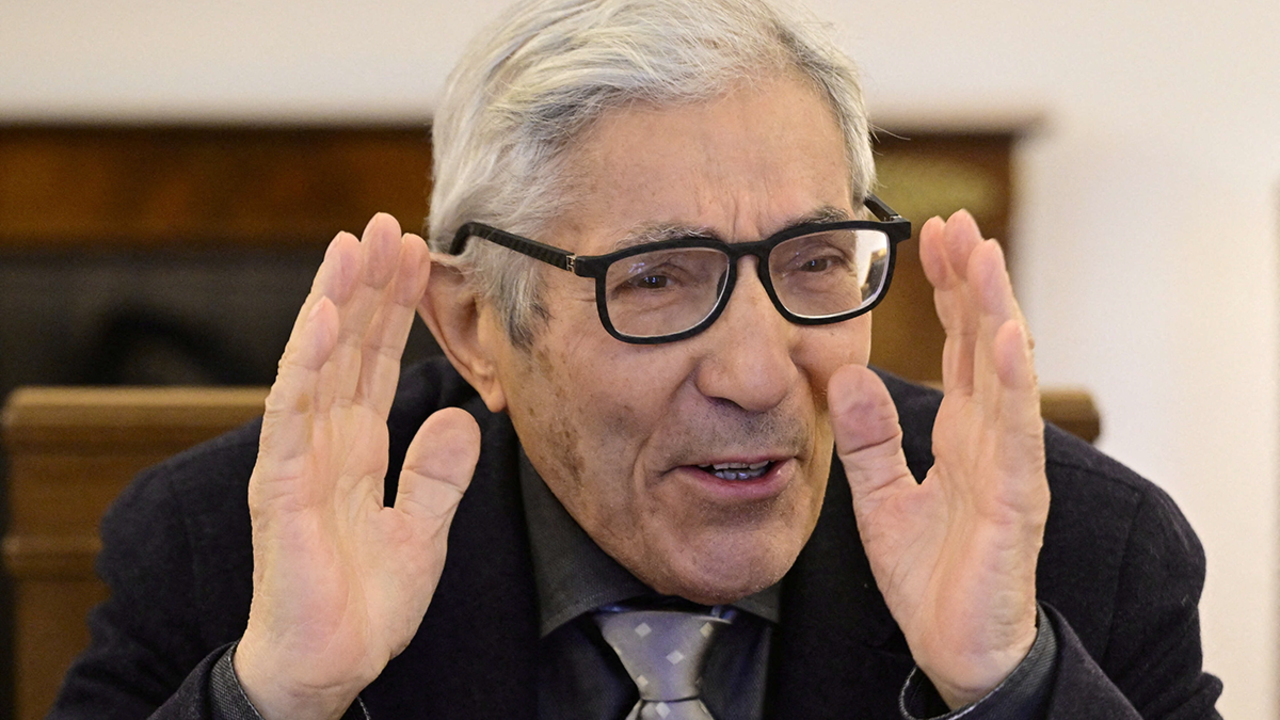
Atalayar had the opportunity to speak with Hach Ahmed Bericalla, first secretary of the SMP, in the corridors of the United Nations building after participating in the Fourth Committee on decolonisation and Western Sahara. This was a very important intervention by the organisation, as it was its first appearance before the United Nations in search of a political solution to the question of Western Sahara through political dialogue.
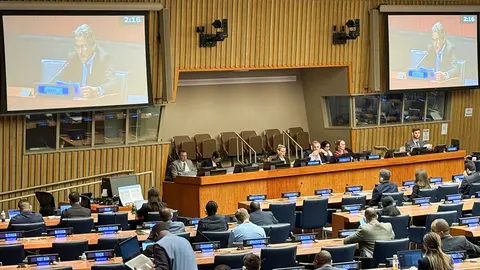
The SMP presented itself as the third way, focused on negotiation and a political solution to the issue of Western Sahara, in its first intervention before the United Nations.
Indeed, this is the first time we have intervened in a United Nations body such as the one responsible for decolonisation issues. It is the first time since the Sahrawi Movement for Peace emerged five years ago, just over five years ago, and it has been an opportunity to present what we consider to be the magic formula for resolving this problem, which is the third way, halfway between the two positions that have remained irreconcilable for fifty years and have monopolised the debate at the United Nations, the position of the Polisario Front, defended by Algeria, South Africa and other countries, and also the position of Morocco, which is supported by countless countries.
It has been fifty years now, and we believe that the time has come for a possible solution to emerge, one in which there are no winners or losers, and we believe that this is possible and that is why, in a way, the Sahrawi Movement for Peace is committed to it. War is impossible, a military solution is impossible, so what is needed is a political process, a peaceful solution, and we believe that the time has come to open this door. and I believe that in five years the Sahrawi Movement for Peace has established itself as a third way that proposes precisely this compromise solution in which there are no winners or losers, and I believe that ultimately this is the solution that will prevail, with or without the Sahrawi Movement for Peace, with or without the Polisario Front.
A way that, in a certain way, is based on taking advantage of Morocco's proposal for autonomy, which is supported by the vast majority of the international community. At the international conferences you have organised, you have already raised specific points for negotiation with Morocco on this autonomy, which would be a way forward for the future of the Sahrawi people.
Yes, indeed, we believe that the proposal presented by Morocco can be a starting point for the search for that solution. In fact, we have formulated a proposal that is in line with the spirit of the Moroccan initiative, and we believe that this is the way forward: an autonomous solution.
Consequently, we believe that the Moroccan proposal is an opportunity for the Sahrawi people. We cannot let it slip away, which is why the Movement Saharawi for Peace has rushed to take a position and consider it a starting point for the search for that solution. It is clear that the independence of the Sahrawi people as advocated by the Polisario Front is impossible, but it is also impossible to simply integrate the territory of the Sahrawi people into the Kingdom of Morocco. Therefore, the middle ground, the compromise solution, is precisely what we are proposing, and I believe it is the one that will ultimately prevail.
The Moroccan proposal is on the table, many details of which still need to be clarified, which is why we have taken the initiative by presenting a proposal that is broadly in line with the spirit of that initiative and is a proposal that we are willing to put on the negotiating table, even if it serves the political process being carried out by the United Nations mediator, Mr. Staffan de Mistura. In this negotiation process, if Mr. De Mistura and the United Nations convene a new negotiating table, the Movement Saharawi for Peace should be at that table, because the Polisario Front is not currently the only representative of the Sahrawi people. Regardless of the fact that unique and legitimate representations have never existed, they can in fact be the result of the ballot box and not of weapons; but what is clear is that we have been stuck in this process for more than thirty years, and we believe that the only possibility of breaking the deadlock is to introduce new elements, and I believe that the only element here on the scene is the Sahrawi Movement for Peace and its proposal for a mutually acceptable political solution.

I believe that it is either this path or stagnation, a new setback for Staffan de Mistura and the failure of the United Nations mission for Western Sahara. However, there is a feeling that, with three Security Council member states, the United States, France and the United Kingdom, already backing Morocco's Autonomy Plan, and with other negotiations possible with China or Russia, there may be a United Nations resolution at the end of the month that will go a long way towards resolving this situation, emphasising Morocco's proposal for autonomy.
Well, everything seems to indicate that we are at a very decisive stage, and we believe that the next UN Security Council resolution and the debate that will take place on this issue will be very different.
I believe that the support Morocco is gaining for its proposal is a very important element on the table, as no resolution can move forward without taking this element into account. What I do believe is that both sides must give ground so that this ultimately acceptable political solution can gain ground, and we believe that the Moroccan proposal for autonomy, which has the backing of important and influential countries such as the United States, France, Spain, Great Britain, Germany, etc., is a very important factor that will mark the next stage in this political process being carried out by the United Nations.
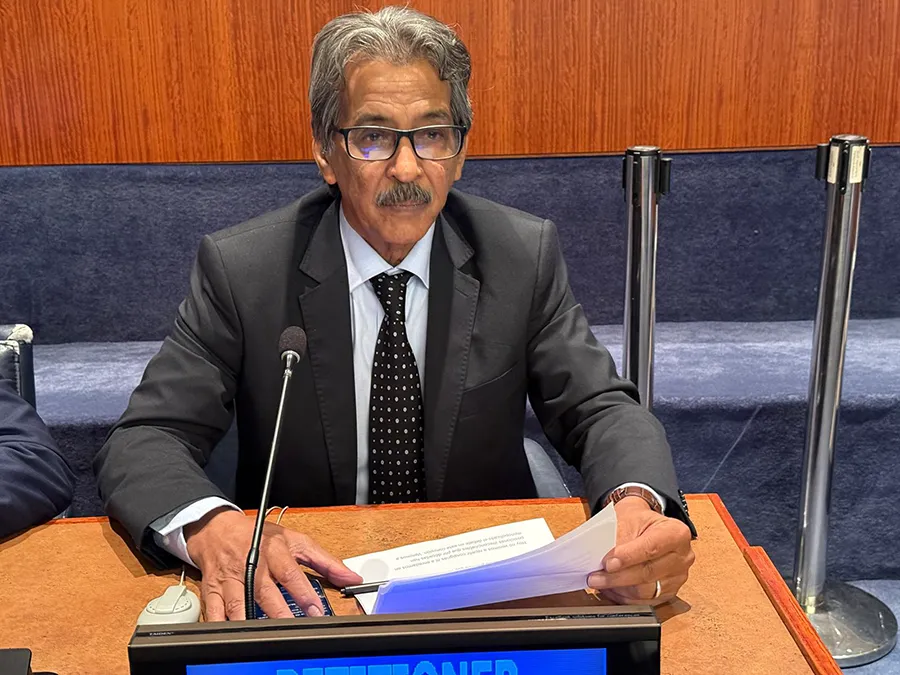
Mr Hach Ahmed, your speech to the United Nations Commission is the culmination of a series of visits here in the United States, in Washington, which, following your admission to the Socialist International, continue to lend legitimacy to and shape the Movement Saharawi for Peace as an option that also has the support of the Sahrawi people and has been recognised internationally.
Indeed, the diplomatic evolution of the movement and its current presence on the international stage have been proven not only by its entry into the Socialist International, but also by the enormous number of factions, governments and political parties with which we have established relations. They are a source of support for the Sahrawi Movement for Peace, enabling it to occupy a position in which no one can doubt its legitimacy or its value in the political process that is currently underway. Indeed, taking advantage of this trip to participate in the Fourth Committee, we have had a week of very intense activities in the federal capital, Washington.
We have had meetings with important figures from the American legislative world, members of Congress from all political parties, international study institutes and also former officials from the Department of State. And I believe that there has been a very positive reception of the proposal and the positions and approach that the Sahrawi Movement for Peace is defending. Therefore, we are very optimistic and I believe that, in the coming scenarios, there will be a place for the Sahrawi Movement for Peace.