Iran's hostage diplomacy continues to strain relations with the West
- Iran's role in the detention of Western citizens
- Diplomatic exchanges and sanctions linked to releases
- Measures proposed by Europe and the United States in response to this situation
Iran's role in the detention of Western citizens
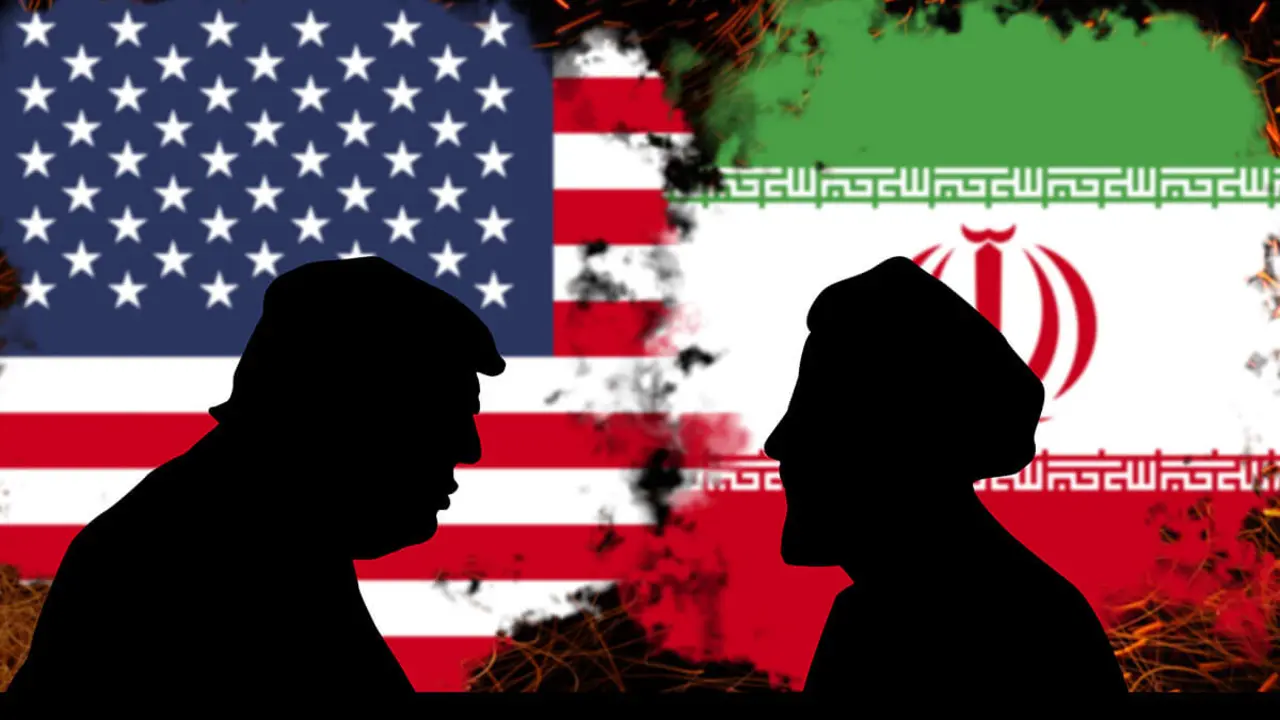
Since the establishment of the Islamic Republic in 1979, Iran has repeatedly used the detention of Western citizens as a strategic tool to put pressure on its adversaries. This method, described by experts as ‘hostage diplomacy’, has created a constant challenge for Europe and the United States, which face a complex dilemma in their relations with Tehran.
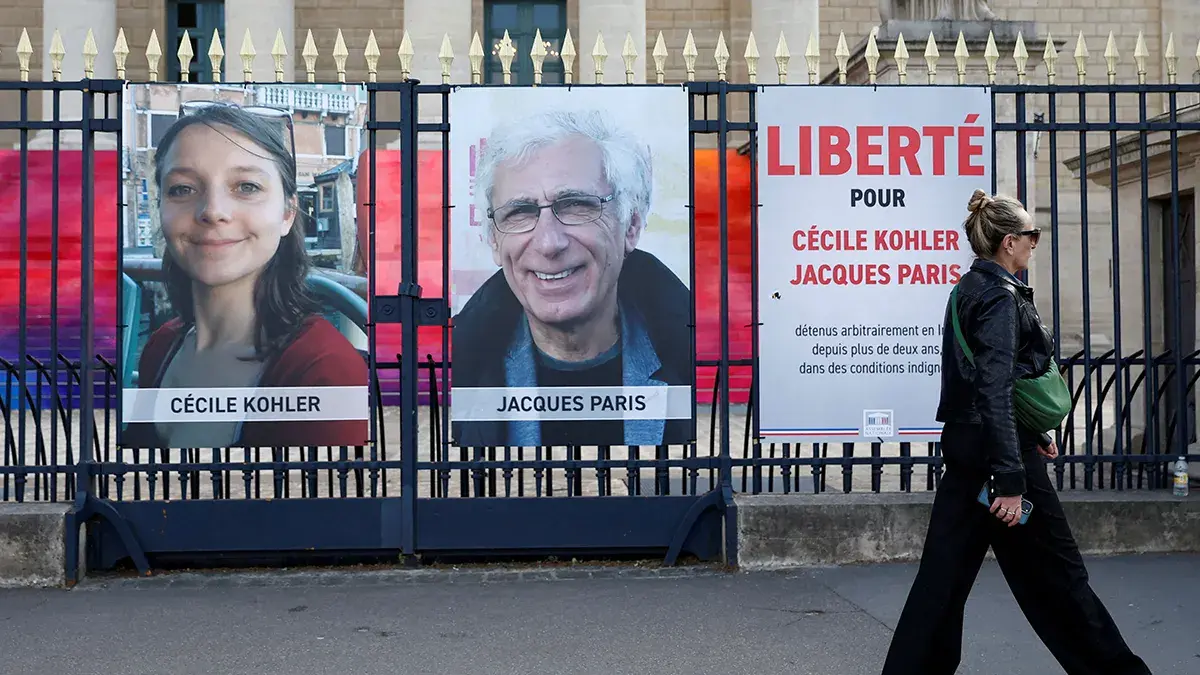
In recent days, the Iranian authorities released French nationals Cecile Kohler and Jacques Paris, who had been detained in Tehran for more than three years on charges of espionage. However, their families maintain that both were innocent tourists caught up in a larger conflict between Iran and the West. France has described Kohler, Paris and other recently released French citizens as ‘state hostages’.
The use of this tactic dates back to the well-known US embassy crisis in Tehran in November 1979, when Islamist radicals held dozens of Americans captive for 444 days, until early 1981. Jason Brodsky, policy director for the US group United Against Nuclear Iran, said that ‘Iran has practised hostage diplomacy since the founding of the Islamic Republic in 1979’. He added that ‘it uses hostages as pawns to obtain concessions that it could not otherwise achieve from the United States and its allies’.
Despite these accusations, the Islamic Republic denies that there is an official policy of hostage-taking, assuring that all foreigners detained have been prosecuted in accordance with the law. However, experts point out that this blackmail strategy undermines the chances of building trust with the West and perpetuates tensions, especially in the context of negotiations on the Iranian nuclear programme.

Diplomatic exchanges and sanctions linked to releases
The release of foreigners in Iran is often linked to political or economic concessions. These include the unfreezing of financial assets or the release of Iranian citizens convicted in other countries for crimes including sanctions violations, terrorism or murder conspiracies. Daren Nair, a security consultant, noted that "what the Iranian regime practises is state-sponsored hostage-taking, also known as hostage diplomacy'. He also pointed out that other governments, such as those of Venezuela, Russia and China, employ similar tactics.
Clement Therme, a researcher at Paul-Valery University in Montpellier, believes that this policy has become a ‘pillar of Iranian foreign policy.’ He notes that "over time, arrests and releases occur during periods of rapprochement and tension. But what varies is the intensity, and the practice continues." An example of these exchanges is the release of Kohler and Paris, which followed the release on bail of Mahdieh Esfandiari, an Iranian woman detained in Paris on charges related to terrorist propaganda. The link between the two cases was acknowledged by Tehran, although the French government refrained from confirming details of an agreement.
Previous cases also reflect this dynamic. The release of several British citizens, including Nazanin Zaghari-Ratcliffe, was linked to the payment of a historic debt owed by the United Kingdom for tanks that the deposed shah had ordered from Iran but never received. In 2022, after settling that debt, these detainees were released. Another example occurred in 2023, when five Americans detained in Iran were released after $6 billion in Iranian assets held in South Korea were unblocked. The release in 2020 of academic Kylie Moore-Gilbert was also linked to the release in Thailand of three Iranians imprisoned for conspiracy involving explosives.

However, other foreigners remain under arrest. Among them are Ahmadreza Djalali, a Swedish-Iranian academic sentenced to death in 2017 for espionage, a charge rejected by his family, and British couple Lindsay and Craig Foreman, held since January on espionage charges after a round-the-world motorcycle trip.
Measures proposed by Europe and the United States in response to this situation
Given the persistence of this strategy, Jason Brodsky has suggested that Europe and the United States should consider completely banning their citizens from travelling to Iran. At the same time, he acknowledged that for years these powers have addressed the problem caused by the arrests in Tehran in an insufficient and fragmented manner.
In this regard, Brodsky stated that ‘the US government should work collectively with its allies to impose a series of multinational sanctions on the Islamic Republic whenever the Iranian regime takes any hostages from these countries; this includes sanctions and diplomatic isolation’. This proposal seeks to increase international pressure in response to political detentions and prevent this pattern of hostage-taking from continuing to affect international relations.