Key messages from Omar Hilale on Saturday Report
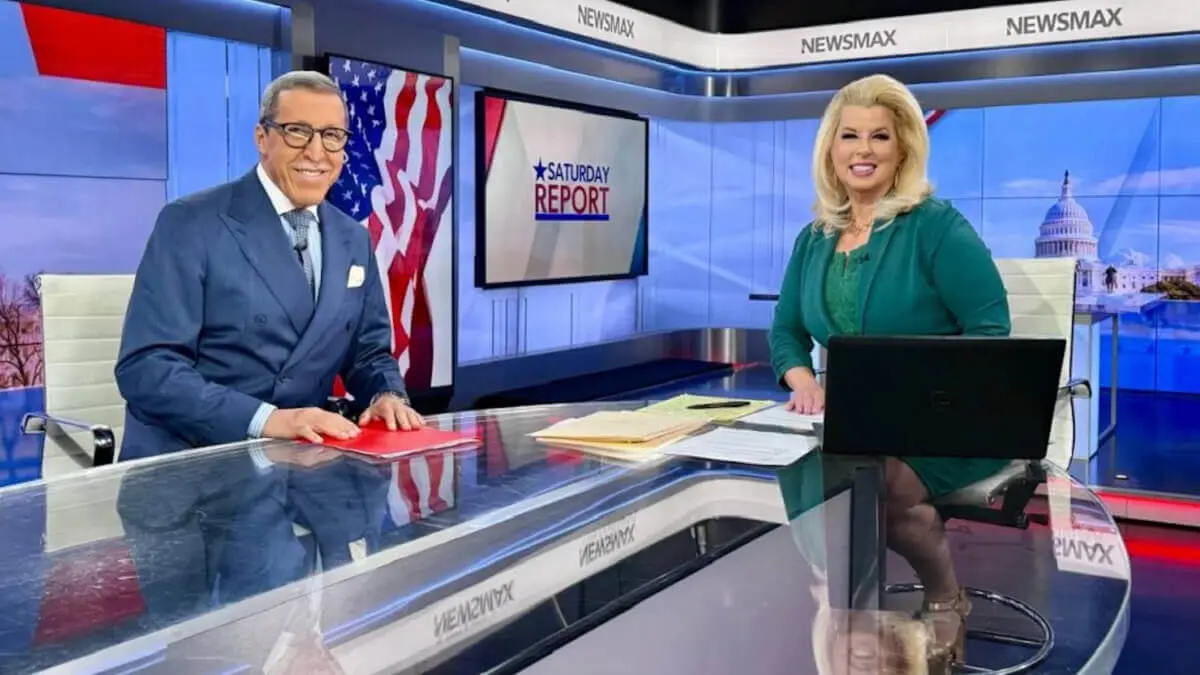
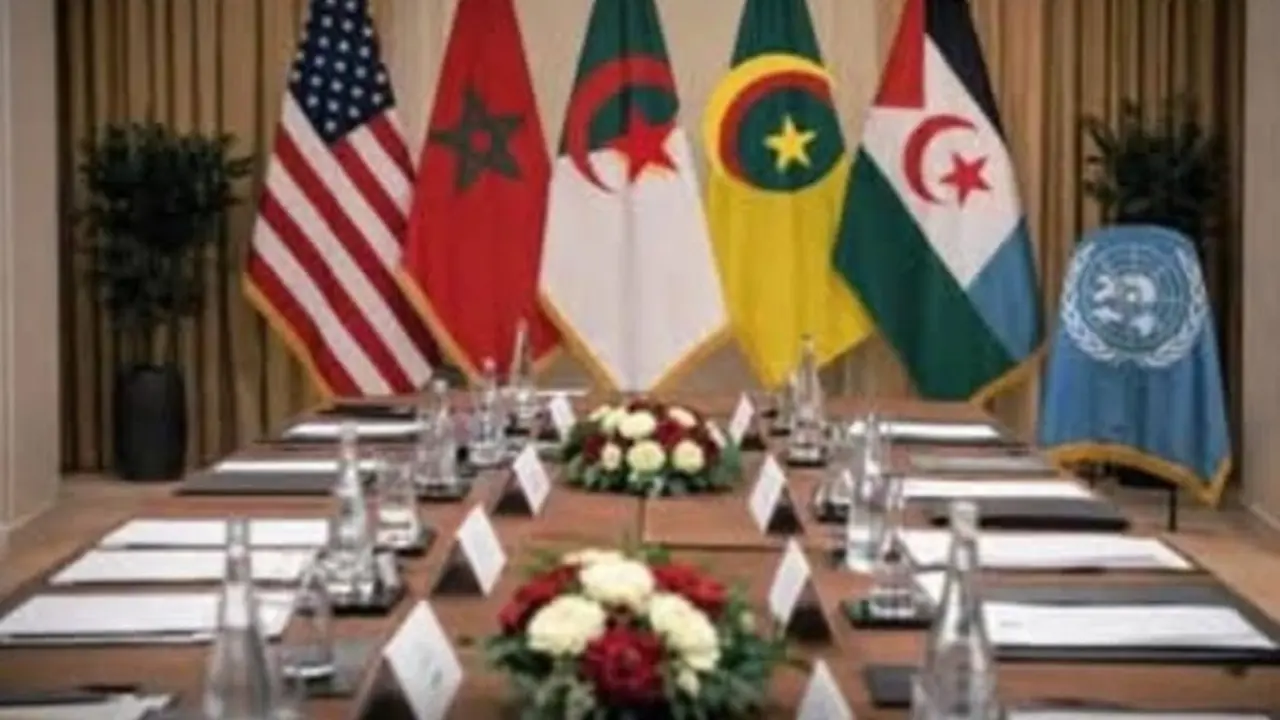
As a guest on the program “Saturday Report” broadcast by the American channel Newsmax TV, Omar Hilale, ambassador and permanent representative of Morocco to the United Nations, gave a detailed and rigorous analysis of the diplomatic shift represented by UN Security Council Resolution 2797 on the Sahara.
In his interview with journalist Rita Cosby, Hilale recalled how Morocco, which was the first country to recognize the independence of the United States at the end of the 18th century, now sees Washington defending its sovereignty over the Sahara in the Security Council.
Ambassador #Omar_Hilale joins @RitaCosby on @NEWSMAX🇺🇸 #SaturdayReport, following the historic adoption of the United Nations Security Council Resolution 2797 on the Moroccan Sahara 🇲🇦.#Newsmax #Saturday #Diplomacy #MoroccanSahara #Maroc #المغرب #SaharaMarocain #Morocco pic.twitter.com/vIhlEicR82
— Morocco Mission to the UN-NY (@Morocco_UN) November 8, 2025
Unprecedented momentum towards regional reconciliation
According to Omar Hilale, the diplomatic shift represented by Resolution 2797 on the Sahara constitutes a dynamic that Rabat wants to transform, starting next year, into a lever for regional reconciliation, with the participation of Algeria.
For Hilale, this recognition, now enshrined by the October 31, 2025 vote in the Security Council, has marked a significant strategic reorientation in the handling of the Sahara issue. According to him, this is a step that should open up a new regional horizon.
“We hope that, in 2026, Algeria will turn the page and recognize this reality,” added Omar Hilale, calling for a Maghreb reconciliation long hampered by the regional conflict over the southern provinces of the Kingdom of Morocco.
Moroccan Unity Day
To symbolize this important milestone, King Mohammed VI has proclaimed “Moroccan Unity Day,” to be celebrated every October 31. In this regard, Hilale considers this decision to be the “crowning achievement of fifty years of diplomatic efforts, strategic patience, and economic development on the ground.”
Hilale pointed out that the Royal decision also reflects the living expression of the strong bond that unites the people with the Throne in their relationship with “the sacred cause of the Sahara.” Proof of this was the immediate popular response through the spontaneous crowds that flooded the streets of El Aaiún, Dakhla, and Esmara, celebrating what they perceive as a national victory. “Thousands of Moroccans expressed their joy in the streets until late into the night,” Hilale added.
International change led by Trump
The Moroccan ambassador emphasized the uniqueness of the relationship between Rabat and Washington, which, two centuries after Morocco's recognition of US independence, was under the impetus of Donald Trump, the first country to recognize Morocco's sovereignty over the Sahara.
He assured that Donald Trump's role remains central to the shift that took place on October 31. The US president had already recognized Morocco's sovereignty over the Sahara in 2020, an unprecedented gesture that, according to Hilale, “broke the comfortable neutrality of the Security Council” and put an end to a dynamic of inactivity.
“Trump believed in peace where others saw only conflict, imposed a vision, and shifted the lines,” Hilale said, praising his role in the attempt at reconciliation between Rabat and Algiers and in the desire to make possible the return of Sahrawi refugees to their villages after years spent in the Tindouf camps.
In this context, the diplomat publicly invited Donald Trump to visit the Moroccan Sahara in 2026 on the occasion of the next Unity Day. This invitation has been described by the Moroccan press as “diplomatic, but also political.”
Diplomatic progress accelerates reconciliation
Morocco's permanent representative to the United Nations emphasized the crucial nature of the Moroccan autonomy plan, which is considered the only serious option for ending a conflict that has lasted for decades.
Hilale reiterated that “France, the United Kingdom, Germany, and several other Western capitals had ratified their position on the Sahara dispute,” sending a clear and direct message from Rabat to foreign ministries that still have doubts: “Come and see for yourselves.”
The Moroccan ambassador invited them to discover a Sahara undergoing transformation, with mega infrastructure projects, colossal investments, and rock-solid political and social stability. “Come to Laayoune, come to Esmara. You will see what development means for peace,” Hilale said.
At the same time, the most direct message was addressed to Algeria, with the Moroccan diplomat expressing his hope that 2026 will mark the end of the conflict and the beginning of a reintegration of the Maghreb, currently considered one of the least integrated regional blocs in the world.
“Faced with this dispute, which for decades has prevented any rapprochement, we have done our part and history has proven us right. It is time to rebuild,” concluded Omar Hilale, conveying a message characterized by diplomatic firmness and geopolitical lucidity in the hope that Algiers will heed the call.