Morocco consolidates its key position in Europe after stopping thousands of migrants
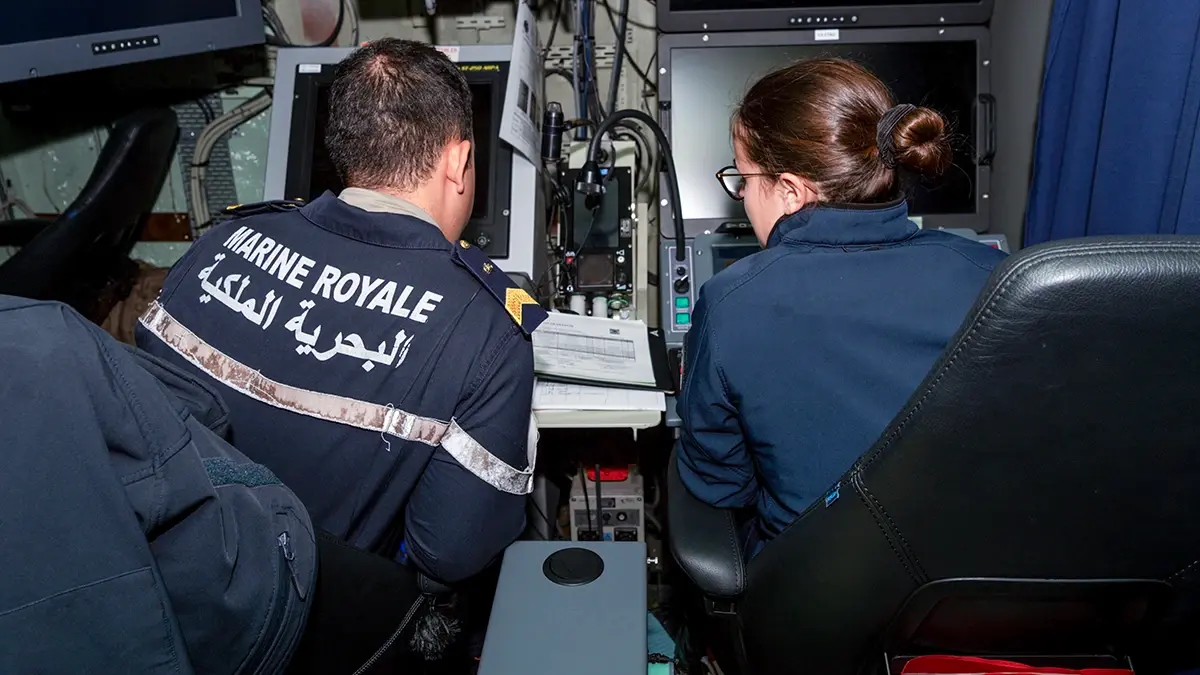
- Morocco, the European Union's most important ally on migration
- Interception of immigrants by the Royal Moroccan Navy
- Growing concern about mass and illegal immigration in Europe
- The global nature of migration
Morocco, the European Union's most important ally on migration
Morocco has become the European Union's most important ally on migration issues. Both the country's location and the close collaboration between intelligence services have consolidated the North African country as one of the European bloc's most important partners outside NATO.
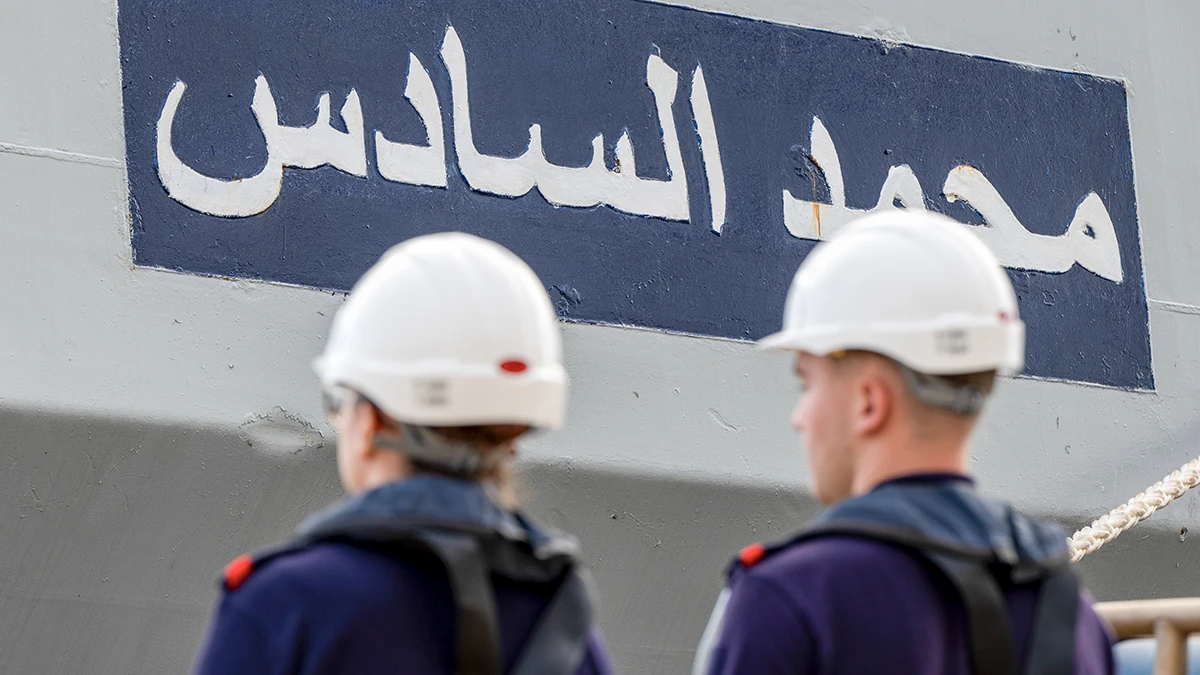
Interception of immigrants by the Royal Moroccan Navy
This consolidation has resulted in the publication of a report detailing the interception of more than 42,437 immigrants by the Royal Moroccan Navy so far this year. This institution, which works in coordination with the Ministry of the Interior and intelligence services, indicated that the destinations of these people were European countries.
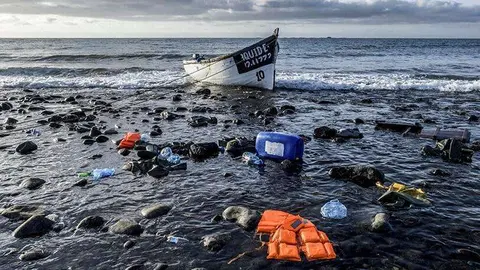
The flow of information between the national intelligence agencies of Morocco and Europe is increasing, reflecting the firm commitment of both parties to put an end to the mafias that take advantage of the vulnerability of migrants and thus protect the lives of these people. In this context, 188 criminal networks have been dismantled in recent months as a result of the fight against terrorism.
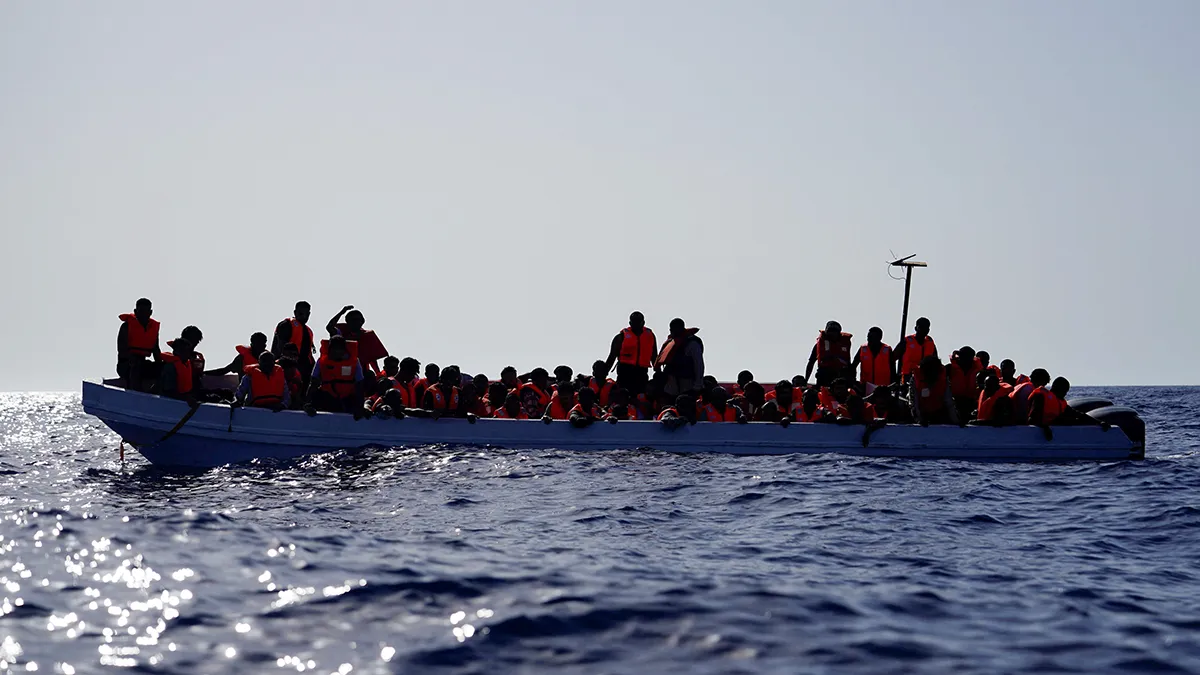
Growing concern about mass and illegal immigration in Europe
The problem of mass and illegal immigration is becoming one of the greatest concerns in European societies, especially in Spain. The large number of existing routes and the constant pull factor of these criminal networks have resulted in an increase in entries via the breakwaters and fences of Ceuta and Melilla, or by boat to the Balearic Islands and the Canary Islands, with small boats departing from northern Mauritania and southern Morocco.
Although the number of people trying to reach Europe irregularly has fallen considerably – by around 45% – migration pressure is constant and continues to pose severe challenges.
Rescue operations are becoming increasingly frequent in the waters of the Mediterranean and the Atlantic. In 2025 alone, a quarter of the immigrants rescued were on board vessels on the high seas. These figures are falling year on year, demonstrating how the actions on land by the FAR (Royal Moroccan Armed Forces) are succeeding in stopping criminal organisations before they send people out to sea.

The global nature of migration
However, neither the fight against terrorism nor the dismantling of these criminal gangs are affecting the ‘global nature’ of the phenomenon, as more and more nationalities are being identified.
What was once a flow of people from countries in the sub-Saharan region now also includes people from the Middle East and Asia who choose to cross the Sahel region from Ethiopia to the Atlantic coast of the continent, rather than choosing the routes that cross into Europe via Syria and Turkey and end up in Greece. This is surprising to the Moroccan and European authorities, as the routes to the Canary Islands and the Balearic Islands are among the deadliest in the world.
At the same time, the report puts forward several hypotheses about the decline in the number of migrants: the possibility that they are using very well-forged visas and passports and entering Europe via airports.