Morocco emerges as strategic hub for South-South cooperation at Atlantic Dialogues
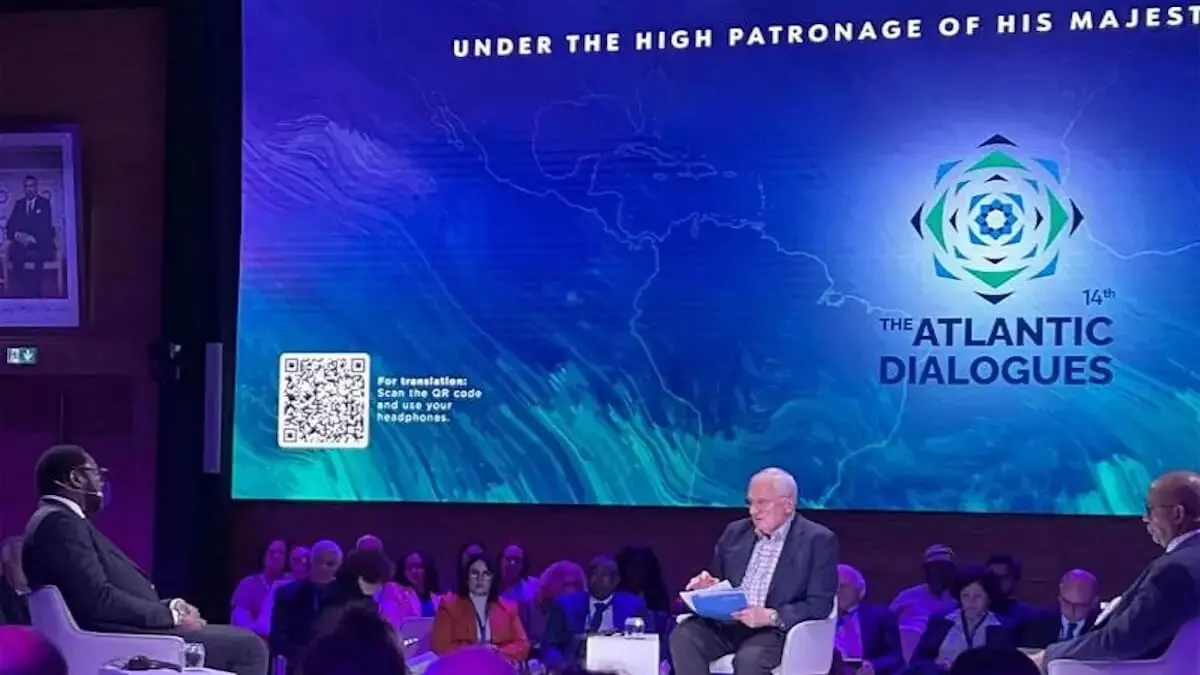
Morocco’s ambassador to the United States Youssef Amrani said all political figures and experts attending the 14th Annual International Conference of the Policies for the New South Centre, “Atlantic Dialogues,” highlighted Morocco’s leading role in fostering South-South cooperation. They specifically cited King Mohammed VI’s initiative to facilitate landlocked Sahel countries’ access to the Atlantic Ocean, widely welcomed for its ambition and continental scope.
Speaking to the press on the sidelines of the conference, Amrani noted that Morocco is now regarded as a key partner thanks to its proactive foreign policy, successful experience and innovative initiatives. He emphasised that the strength of the Moroccan model stems from the depth of economic and social reforms achieved, which are fundamental to the resilience and credibility of Morocco’s partnerships.
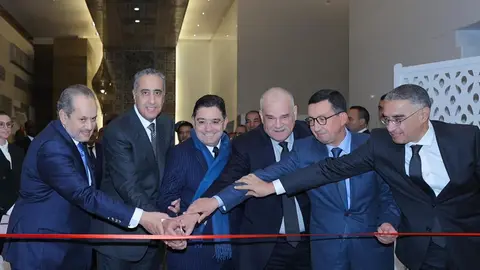
He added that Morocco’s presence on the continent extends beyond governmental engagement, highlighting the pivotal role of the private sector in strengthening trade, economic and financial relations across Africa, while underscoring the significance of upcoming sporting events.
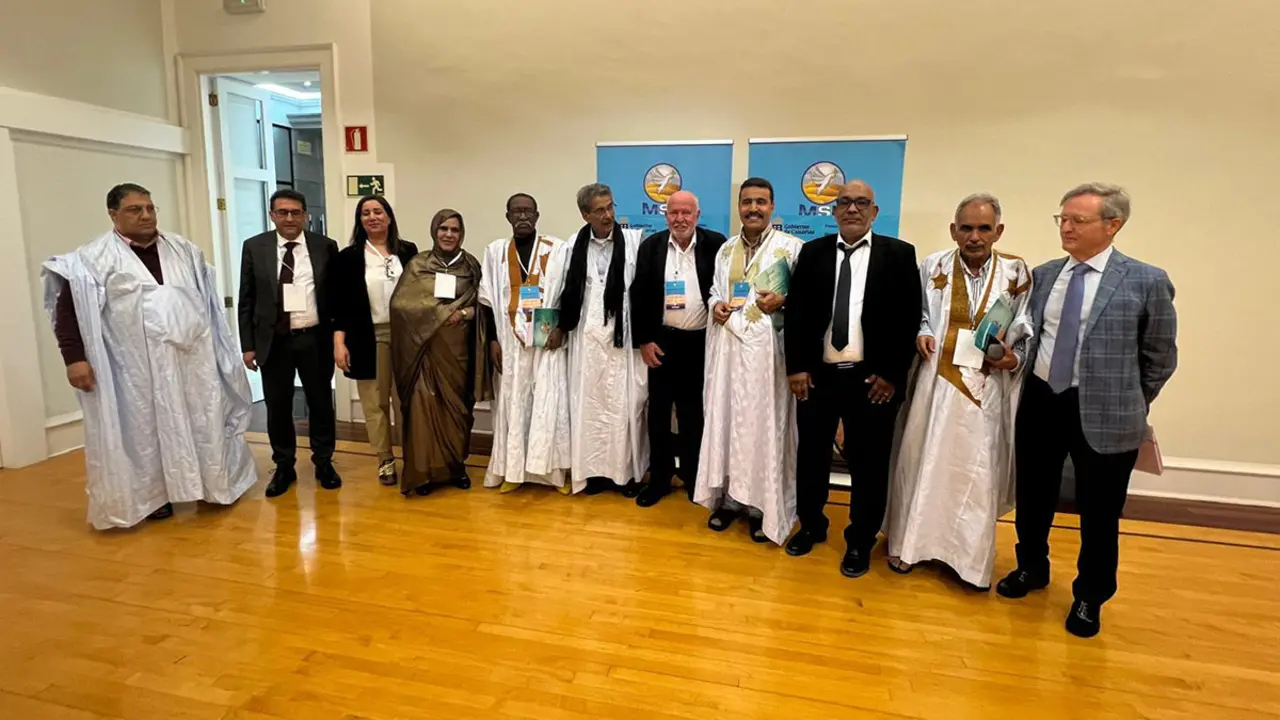
The annual Atlantic Dialogues conference brings together participants from all four Atlantic continents, aiming to renew understanding of transatlantic dynamics and to highlight the growing strategic role of the South Atlantic in global economic and geopolitical discussions. According to organisers, this 14th gathering focused on analysing the world’s crises and proposing reform strategies aligned with contemporary realities.
After three days of discussions, Executive President of the Policy Centre for the New South (PCNS) Karim El Aynaoui praised the event’s richness, which featured over 500 speakers and participants from 70 countries.
Speaking at the conclusion of the conference, held under the patronage of King Mohammed VI, Aynaoui said the debates addressed pressing issues such as the challenges of multilateralism, climate change and Africa’s economic rise within a context of robust cooperation. He also highlighted the King’s Atlantic initiative aimed at developing the Sahel region to reduce the isolation of its countries.
The centre’s report, titled this year “The Expanded Atlantic: Building Partnerships in Times of Turbulence,” underscored the importance of King Mohammed VI’s 2023 Atlantic initiative, which seeks to transform the African Atlantic space into a region of peace and prosperity by linking landlocked Sahel countries to the Atlantic. It also cited the project to connect Nigerian gas to Europe via Morocco, passing through 13 African nations, aimed at boosting regional integration and energy supply.
Morocco’s permanent representative to the United Nations Omar Hilal said at the Atlantic Dialogues forum in Rabat on Saturday that the kingdom holds a unique position as a bridge between North and South, facilitating exchanges thanks to its strategic location. Morocco sees itself as a key partner in tackling development challenges and is committed to strengthening cooperation with Global South countries. The Atlantic initiative brings together 23 African countries along the northern and western coasts, addressing critical issues such as security, climate change, coastal erosion, water salinisation, fisheries and coastal zone mapping, while also implementing trilateral cooperation to assist African states.
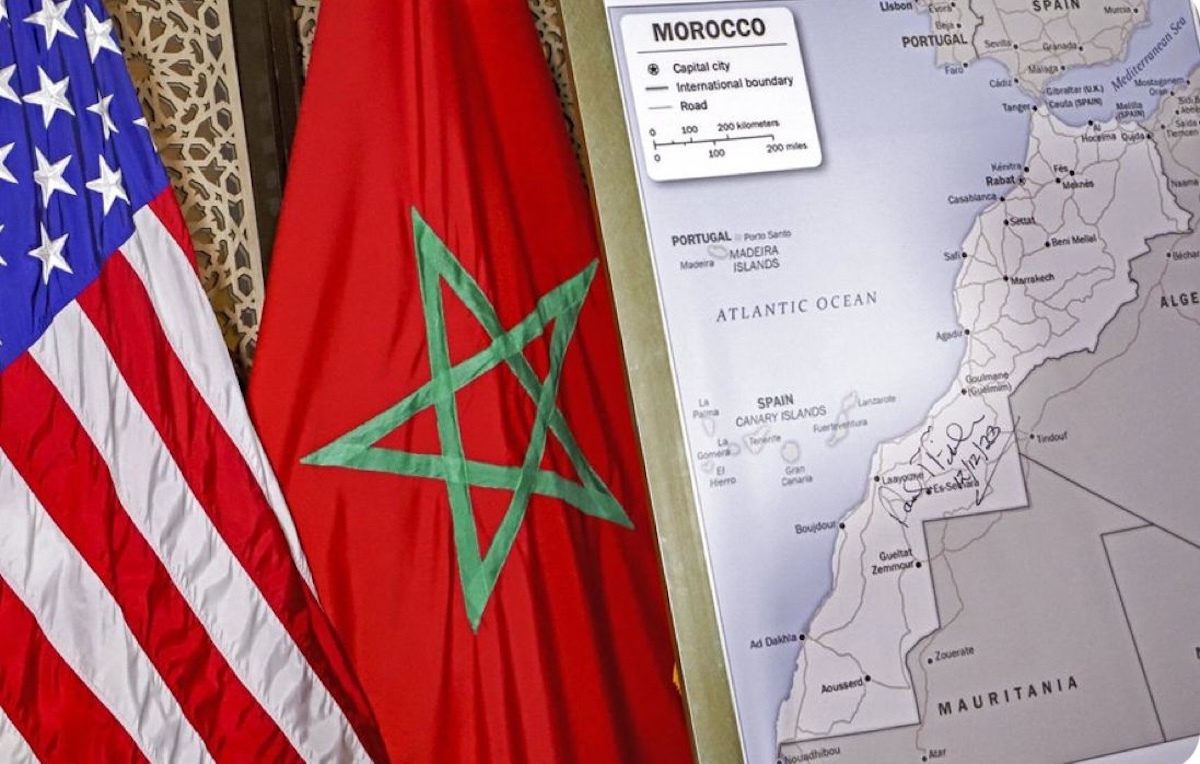
Former US Ambassador to Morocco Puneet Talwar emphasised that Morocco has strengthened its leadership role in Africa through the King’s initiatives. He noted that Morocco, considered a gateway to the continent, serves as a model across Africa and has solidified its position as a strategic partner for the United States, a respected and influential actor on the continent, enabling the kingdom to build effective partnerships, particularly with the US.
Senior Fellow at the Policy Centre for the New South Mohamed Loulichki and Morocco’s former UN envoy highlighted the strategic role of the Expanded Atlantic not only as a geographic space but as a platform for dialogue and partnership reshaping. He noted that in today’s global environment, national resilience, collaborative efforts and innovative forms of cooperation are essential, advocating for a vision of the Atlantic as a shared space for humanity rather than a theatre for confrontation or fruitless competition.