Niger, Sahel, and Maghreb: A Nuclear Power Plant Reveals a Major Geopolitical Shift

- The trigger: a nuclear power plant in Niger
- Securing the Sahel: a cornerstone and sine qua non
- Sahelian restructuring: from extraction to productive neutralization
- France's return to the Sahel: a break with Françafrique
- The Maghreb dimension: Moroccan sovereignty and Algerian change
- Systemic convergence: from the power plant to regional integration
- Prospective scenarios
- Conclusion: a historic window of opportunity subject to imperative security conditions
This project reveals and catalyzes an unprecedented geopolitical shift, bringing together three converging dynamics: the restructuring of the Sahelian balance of power around the productive neutralization of resources, diplomatic stirrings heralding a French return that respects local sovereignties, and the possible emergence of an integrated Maghreb based on the consecration of Moroccan sovereignty and the transformation of a constructive Algeria.
However, these interdependent transformations cannot take place without one absolute prerequisite: the security and stabilization of the Sahel. This security, the cornerstone of any regional change, requires the coordinated commitment of the Sahelian states, the Maghreb powers, and international actors, in strict respect for national sovereignties.
The urgency of this security is all the more pressing as it is a prerequisite for the deployment of the Africa Atlantic Gas Pipeline (AAGP), a major infrastructure for regional economic integration. The international community cannot allow a single state, through its obstructionist stance, to jeopardize the future of hundreds of millions of people.
The trigger: a nuclear power plant in Niger
The September 2025 announcement
In September 2025, Niger confirmed its commitment to the construction of a civil nuclear power plant with Rosatom, with a total capacity of 2,000 MW. This decision comes at a time of profound political change in the region: France's withdrawal from Mali, Burkina Faso, and Niger; the emergence of the Alliance of Sahel States (AES); and the repositioning of external actors.
An energy paradox
Niger ranks among the world's leading uranium producers, with significant annual production. Yet the country imports almost all of its electricity, mainly from Nigeria. This paradoxical situation illustrates the extractive logic that has prevailed for decades: raw export of resources, lack of local processing, and chronic energy dependence.
A major strategic signal
Beyond the technical issue, this announcement is a major strategic signal. Niger is affirming its desire to break with the extractive model and build energy sovereignty based on the local development of its resources. This choice is part of a logic of “productive neutralization”: transforming a geological resource into a lever for endogenous development, rather than a source of income captured by external actors.
Niger's decision reveals and accelerates a broader geopolitical shift affecting the entire Sahel-Maghreb region. However, the realization of this project and the transformations it symbolizes depends on one absolute condition: securing the Sahel.
Securing the Sahel: a cornerstone and sine qua non
An absolute strategic imperative
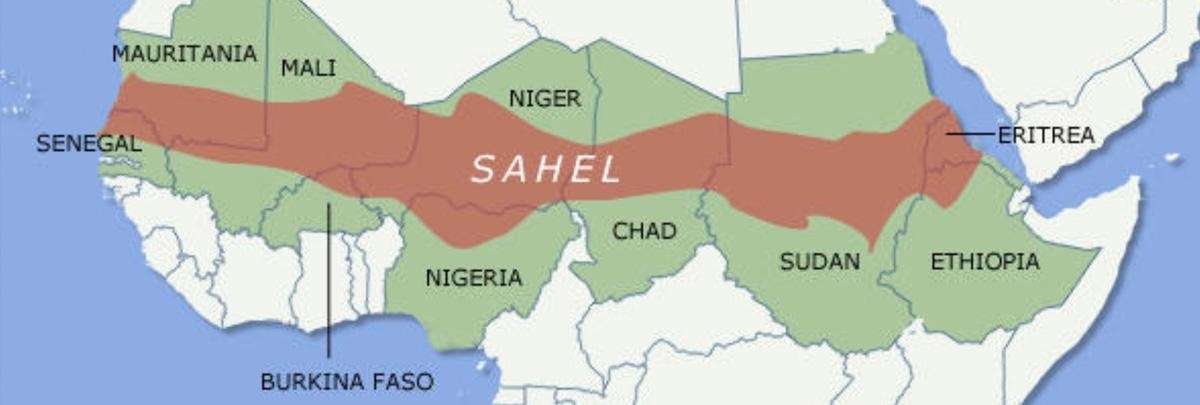
Securing and stabilizing the Sahel is not a contextual element or one favorable factor among many others. It is the cornerstone and sine qua non of any regional geopolitical change. Without security and stability, no large-scale project can succeed: neither the Niger nuclear power plant, nor regional integration, nor the return of international partners, nor normalization in the Maghreb.
A nuclear power plant, given its symbolic and strategic value, the length of time required for its construction and operation, the investments it mobilizes, and the international expertise it requires, cannot be conceived of in an unstable environment. Operational continuity over several decades requires robust and sustainable security.
AAGP: the urgent need for security for regional economic integration
The urgent need to secure the Sahel is not limited to the Niger nuclear project. It also determines the deployment of the Africa Atlantic Gas Pipeline (AAGP), a major energy infrastructure designed to link Nigeria to Europe via the Sahel, Morocco, and the Strait of Gibraltar.
The AAGP is a decisive instrument for economic integration and economic takeoff in this part of the continent. This transcontinental gas pipeline, stretching over 5,660 kilometers, will cross several West African coastal states (Nigeria, Benin, Togo, Ghana, Côte d'Ivoire, Liberia, Sierra Leone, Guinea, Guinea-Bissau, Gambia, Senegal, and Mauritania) before reaching Morocco and then Europe. It aims to develop West Africa's significant gas reserves, particularly those in Nigeria, while supplying regional economies with affordable and reliable energy.
Beyond its energy dimension, the WAGP is a vehicle for regional economic integration: creating massive job opportunities, developing industrial ecosystems, interconnecting national economies, strengthening cross-border infrastructure, and stimulating foreign direct investment.
However, the deployment of the AAGP crosses Sahelian and West African areas facing significant security challenges. Without regional stabilization, this major infrastructure cannot be built, secured, or operated sustainably. Protecting thousands of kilometers of pipelines, compressor stations, terminals, and international teams requires a secure environment.
The AAGP and the Niger nuclear power plant thus form a dual security imperative: two major, complementary infrastructures, the completion of which is a prerequisite for the economic take-off of the Sahel and West Africa. Their simultaneous success would transform the region into a continental and intercontinental energy hub, catalyzing growth, employment, and prosperity for hundreds of millions of people.
The SIMBA proposal: a structured response
Faced with this security imperative, the Horizons Geopolitical Institute had previously proposed the creation of a SIMBA force (Maghreb-Benin-Atlantic Security and Integration), a regional mechanism for stabilizing the Sahel and protecting critical infrastructure.
This proposal recognized the need for a shared security architecture, bringing together Sahelian states, Maghreb powers, and international partners, while strictly respecting national sovereignties. The SIMBA force aimed to create a framework for cooperation to protect strategic corridors, coordinate the fight against transnational threats, and secure major regional infrastructure projects.
Current events confirm the relevance of this analysis. The Nigerien nuclear project and the AAGP make it even more urgent to establish an effective regional security architecture capable of guaranteeing the long-term stability required by these structural investments.
A shared responsibility that respects sovereignty
The security of the Sahel cannot be ensured by the states of the Alliance of Sahel States alone. The institutional, military, and administrative capacities of these states, although real and growing, remain insufficient in the face of the scale and complexity of regional threats.
Effective security requires the coordinated commitment of three circles of actors:
First circle – Sahelian states: primary responsibility and decision-making sovereignty. The AES states (Mali, Burkina Faso, Niger) must coordinate their efforts, share intelligence, and strengthen their territorial control.
Second circle – Regional powers: Morocco and, potentially, Algeria have significant capabilities. Their cooperation with the Sahelian states, in strict compliance with sovereignty, is essential to secure borders and control transnational flows.
Third circle – International powers and organizations: France, the United States, Russia, the European Union, the African Union, ECOWAS, and the United Nations. These actors can provide intelligence, training, equipment, logistical support, and financial assistance, always at the request and under the guidance of the Sahelian states.
This shared security architecture must adhere to three principles:
National sovereignty: Sahelian states decide on their partners, define the terms of cooperation, and retain command over their territory.
Non-interference: no external power may impose its political conditions, exploit security cooperation for the purpose of exerting influence, or use the situation for geopolitical ends.
Complementarity: each actor contributes its specific capabilities in a spirit of coordination rather than competition.
Security that cannot be jeopardized
The Sahel will be secured with or without Algeria. While Algiers' constructive participation is desirable and would greatly facilitate regional stabilization, it cannot be an absolute prerequisite or a veto right over the future of hundreds of millions of people.
The economic future of the Sahel, West Africa, and the Maghreb cannot be jeopardized by the stance of a single state. The stakes of the Niger nuclear project and the AAGP go far beyond bilateral diplomatic considerations. They concern the energy security of an entire continent, the economic takeoff of entire regions, and the employment and prosperity of hundreds of millions of people.
If Algeria chooses to maintain a position of obstruction or non-cooperation, the regional and international community will have to build security in the Sahel by circumventing this obstruction. Morocco, the ESA states, and European, African, and international partners have the legitimacy and capacity to build an effective security architecture without waiting indefinitely for Algeria to change its position.
This position is not hostile to Algeria. It reflects a pragmatic reality: the urgency of regional development cannot be subordinated to the diplomatic calculations of a single actor. The door to cooperation remains open to Algiers, but the train of regional change will not wait indefinitely.
A prerequisite for any regional change
Without effective security in the Sahel, the three other dynamics of change cannot unfold:
The French return will only be credible and acceptable if Paris actively contributes, alongside other partners, to regional stabilization while respecting sovereignty.
The recognition of Moroccan sovereignty and the unblocking of the Maghreb will only have a knock-on effect on the Sahel if the region is stable enough to benefit from Maghreb-Sahel integration.
Algeria's shift towards a constructive stance will be all the more likely if Algiers perceives stabilization in the Sahel as an opportunity for beneficial regional cooperation rather than as a threat. But if this shift is delayed or does not happen, security will be achieved without it.
Security is therefore the foundation on which the entire geopolitical edifice under construction rests.
Sahelian restructuring: from extraction to productive neutralization
Sahelian uranium: a critical and undervalued resource
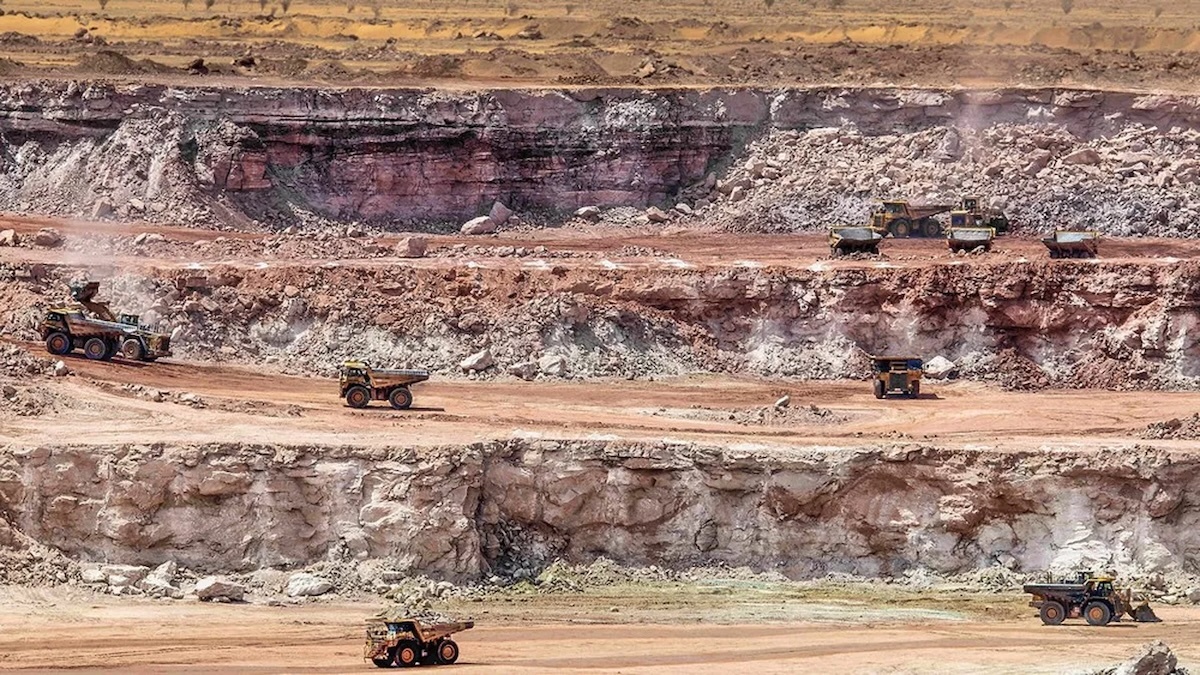
The Sahel has some of the largest uranium reserves on the African continent. Niger is the leading regional producer. This wealth has never been converted into energy independence. The Sahelian states have remained suppliers of raw materials for foreign nuclear programs, particularly French ones, without benefiting from substantial technology transfer.
The Nigerien power plant aims to break this cycle by creating an integrated value chain: extraction, enrichment, electricity production, and industrial development. This approach transforms a passive resource into an instrument of sovereignty and prosperity.
Diversification of partnerships: embracing multipolarity
The Sahel is no longer relying on a single partner. Niger is collaborating with Rosatom on nuclear technology, while maintaining ties with Orano for mining. Morocco is emerging as a diplomatic facilitator and regional relay, while the United States and the European Union maintain a presence through economic and security cooperation.
This multipolarity reflects a regional strategy aimed at maximizing options while avoiding exclusive dependence. Sahelian states seek to combine decision-making autonomy and technical cooperation to secure their interests without alienating their room for maneuver.
A realignment without major confrontation
The Sahel is not reliving the Berlin Conference of 1885. The region is not divided between rival blocs according to a logic of territorial partition. On the contrary, it is experiencing a form of cooperative multipolarity, where several external actors coexist while pursuing distinct but not necessarily antagonistic objectives.
This coexistence is based on tacit coordination between external powers to avoid systemic instability, an affirmation of regional sovereignty by Sahelian states, and regional mediation, notably by Morocco, which facilitates diplomatic contacts.
France's return to the Sahel: a break with Françafrique
Diplomatic stirrings
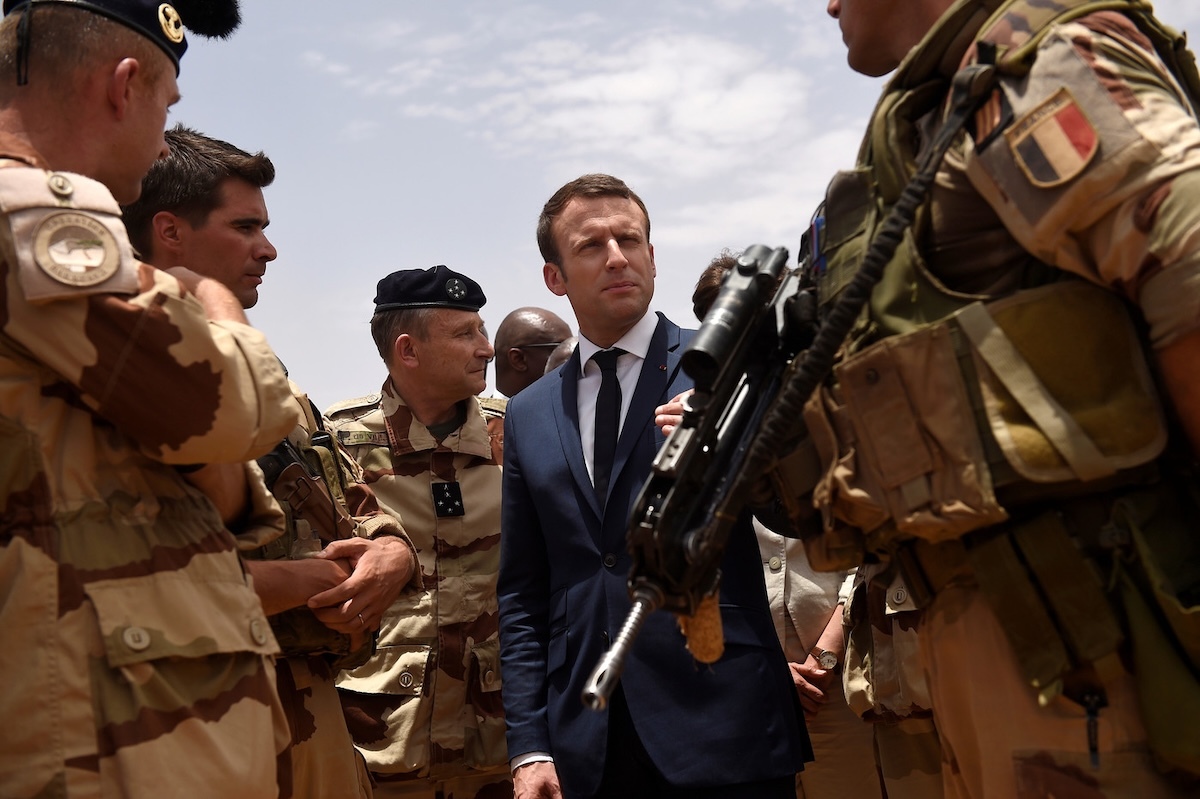
Since mid-2025, several signs have pointed to a gradual warming of relations between France and the Sahel: discreet ministerial visits, the reactivation of diplomatic channels with Sahelian capitals, renewed presidential speeches emphasizing respect for sovereignty, and negotiations around Orano in Niger.
These stirrings reflect a strategic awareness in Paris: the Sahel cannot be abandoned without major risk to French and European interests. But the return cannot be carried out according to the old paradigms.
A post-Françafrique approach
France's new positioning in the Sahel is based on several fundamental breaks with Françafrique:
Respect for national sovereignty: acceptance of the diplomatic and military choices of Sahelian states, including their partnerships with Moscow or Beijing.
Balanced economic partnerships: an end to pure extractivism, acceptance of co-investments and technology transfers. The case of Niger is exemplary: Paris accepts the presence of Rosatom while negotiating the maintenance of Orano under revised conditions.
Targeted security cooperation: abandonment of permanent bases in favor of on-demand, time-limited, and co-piloted cooperation.
Regional mediation: recognition of the facilitating role played by actors such as Morocco, capable of building bridges between Paris and the new Sahelian authorities.
This shift is based on a strategic calculation: a modest but accepted French presence is better than a total absence, which would create a geopolitical vacuum. If well calibrated and effectively contributing to regional security, France's return could make a positive contribution to the stabilization of the Sahel.
The Maghreb dimension: Moroccan sovereignty and Algerian change
Moroccan sovereignty over the Sahara: a catalyst for integration
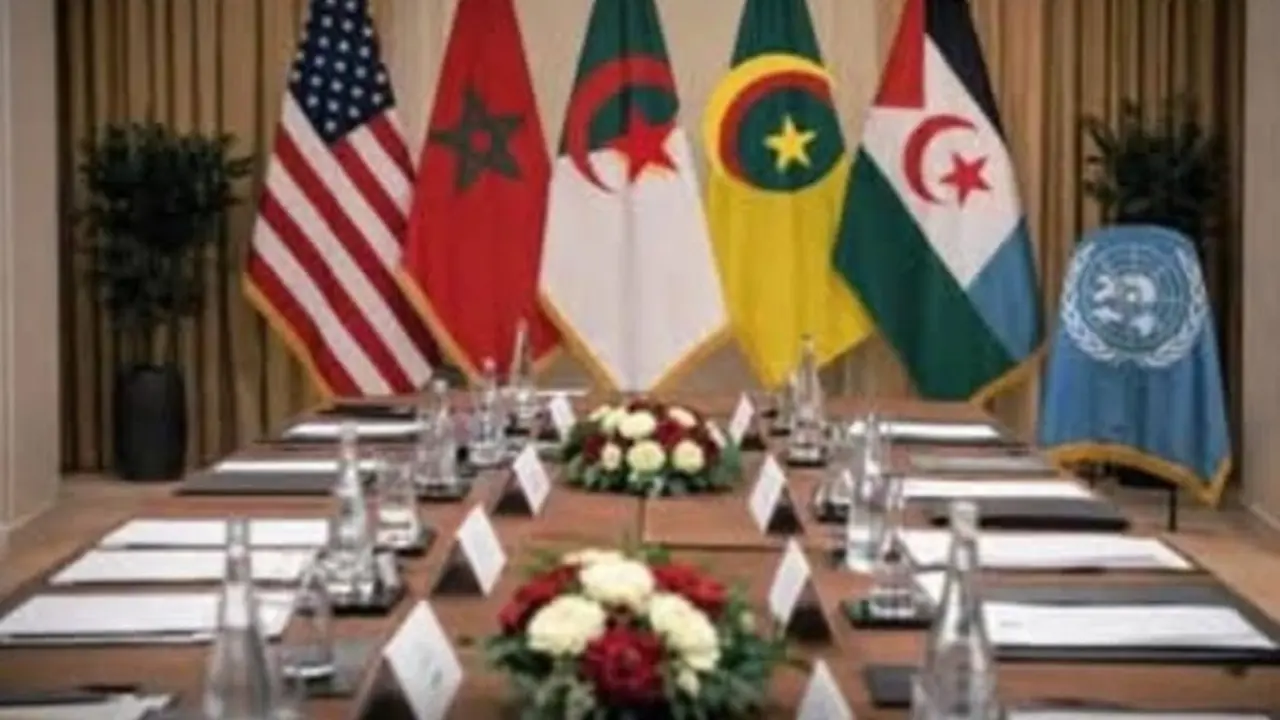
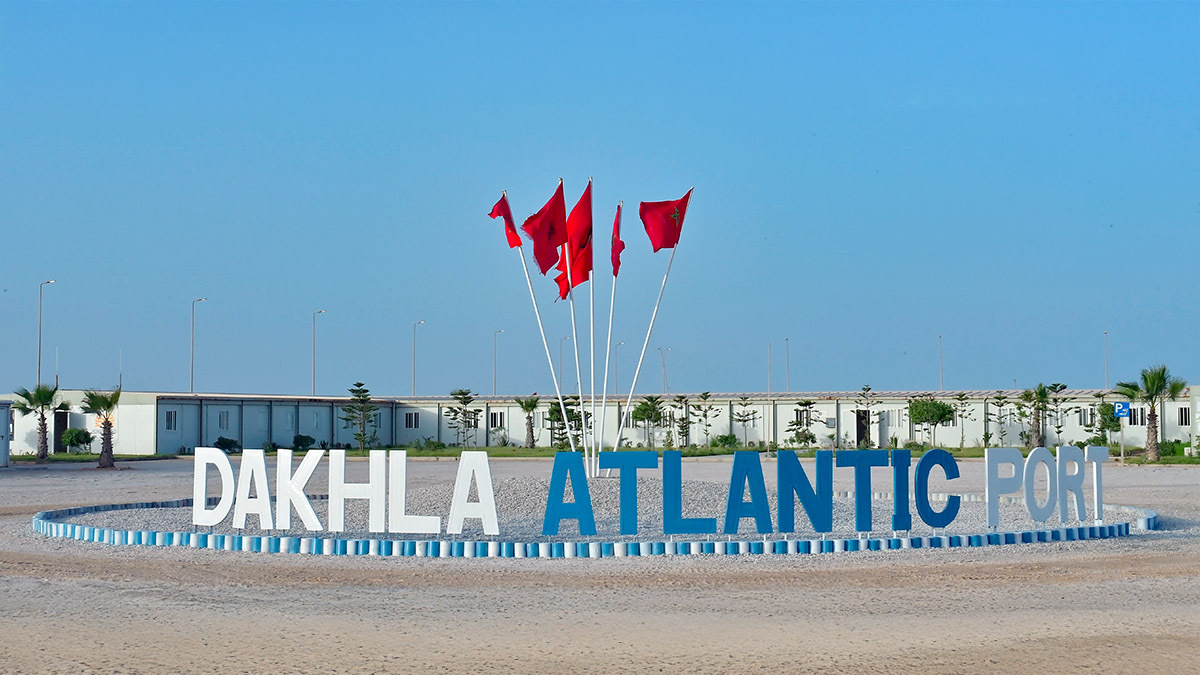
The issue of the Moroccan Sahara is experiencing unprecedented diplomatic momentum. Following recognition by the US (December 2020), Spain (March 2022), and France (July 2024), other states are considering recognizing Moroccan sovereignty or opening consulates in the southern provinces.
In the wake of the Security Council meeting, Moroccan sovereignty over its southern provinces will be definitively and internationally recognized (before being officially ratified by the African Union), allowing Morocco to devote itself fully to cooperation with its sub-Saharan neighbors.
This momentum is based on the Moroccan Autonomy Plan, which is considered credible by the UN and many states, Morocco's massive investments in the southern provinces, the gradual rallying of African states, and the weakening of the Polisario.
Impact on the Maghreb balance of power
International recognition of Moroccan sovereignty will have major geopolitical implications:
Unblocking the Arab Maghreb Union (AMU): the resolution of the Sahara conflict removes the main obstacle to Maghreb integration, which has been paralyzed since 1994.
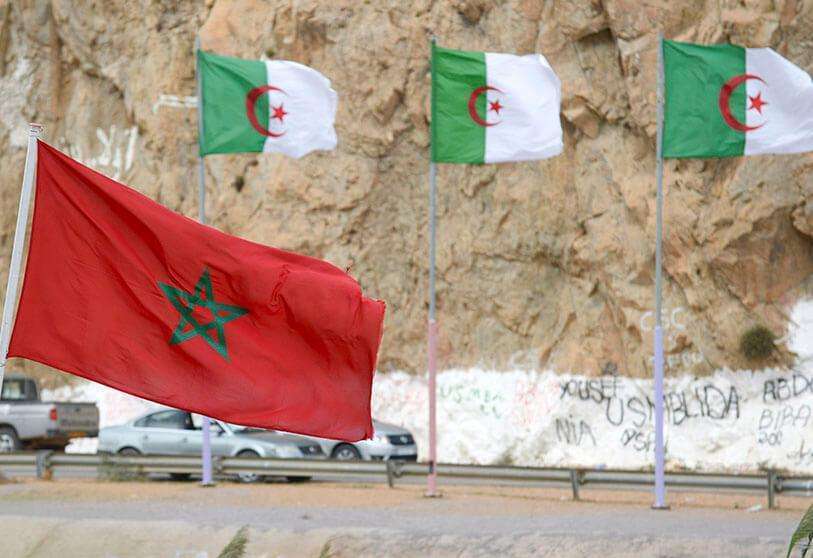
Normalization of Morocco-Algeria relations: the international community's recognition of Moroccan sovereignty renders Algeria's position obsolete and paves the way for the normalization of bilateral relations, a prerequisite for optimal regional stability.
Rabat's geopolitical repositioning: freed from this historical constraint, Morocco can fully deploy its African and Atlantic strategy, becoming a major energy, logistics, and diplomatic hub.
Morocco's role as facilitator in the Sahel
Morocco is playing an increasingly important role as a diplomatic facilitator in the restructuring of the Sahel. This position enables it to promote dialogue between Sahelian states and external actors, support infrastructure projects through Moroccan expertise, stabilize regional balances, and create energy synergies.
The Niger nuclear project and the AAGP are part of this approach. Morocco facilitates contacts between regional and international actors, while positioning itself as a partner for the regional integration of these strategic infrastructures.
Algeria's transformation: desirable but not essential
Since the 1970s, Algeria has based a significant part of its regional diplomacy on a posture of disruptive power: blocking the AMU, supporting the Polisario, tensions with its neighbors, and growing diplomatic isolation.
This posture is becoming increasingly costly and counterproductive. It deprives Algeria of the benefits of regional integration while accelerating its relative decline.
A shift in Algeria's stance towards a constructive approach would be desirable and would greatly facilitate regional change: unblocking the AMU, effective economic integration, easier security stabilization, and optimal energy interconnection.
However, as indicated above, this change in Algeria's stance cannot be an absolute prerequisite. The region cannot wait indefinitely for Algiers to change its stance. Securing the Sahel, the Niger nuclear project, the deployment of the AAGP, and regional integration will happen with Algeria if it so wishes, and without it if it maintains its blockade.
This pragmatic position reflects the primacy of the collective interest of hundreds of millions of people over the diplomatic calculations of a single state.

Systemic convergence: from the power plant to regional integration
Interdependence of changes
The Niger nuclear project and the AAGP reveal a systemic interdependence between four changes:
Securing the Sahel: the cornerstone enabling all other changes.
Sahelian recomposition: transition from extraction to productive neutralization.
French return: breaking with Françafrique and accepting multipolarity.
Maghreb unblocking: consecration of Moroccan sovereignty and, ideally, Algerian change.
These changes are linked by a chain reaction:
Securing the Sahel determines the viability of strategic infrastructure and makes the return of international partners credible.
The recognition of Moroccan sovereignty facilitates the Maghreb breakthrough and would accelerate Maghreb-Sahel integration.
The post-Françafrique French return, if it contributes to security, reinforces regional stability.
The Sahelian recomposition offers Morocco a sphere of influence and Algeria, if it so wishes, an opportunity for constructive cooperation.
This interdependence creates a circular dynamic: each advance facilitates the others, generating a virtuous circle of integration and stabilization, provided that security is guaranteed.
Integrated regional architecture
The convergence of these changes could lead to a new regional architecture: Maghreb-Sahel-West Africa economic integration (a market of 500 million inhabitants), regional security cooperation involving all willing actors, a Maghreb-Sahel energy hub promoting regional resources (uranium, gas, solar, wind), and shared political stability through mechanisms for ongoing dialogue.
The Niger nuclear project and the AAGP are the two energy pillars of this architecture: one for electricity, the other for gas. Together, they would transform the region into a continental and intercontinental energy hub, catalyzing development, employment, and prosperity.
Prospective scenarios
Optimal scenario: accelerated integration
Horizon 2030-2035: effective security in the Sahel through a cooperation architecture involving Sahelian states, Morocco, and international partners. Launch and significant progress of the Niger power plant and the AAGP. Near-universal recognition of Moroccan sovereignty. Normalization of Morocco-Algeria relations facilitating optimal integration. Accepted return of France within a multipolar framework. Emergence of an integrated Maghreb-Sahel hub, a continental energy hub. Sustained regional economic growth, poverty reduction, massive job creation.
Intermediate scenario: partial integration
Horizon 2030-2035: fragile security in the Sahel with persistent areas of instability. Niger power plant and AAGP under construction with delays and difficulties. Majority recognition of Moroccan sovereignty. Very gradual or stagnant normalization between Morocco and Algeria. Partial and contested French return. Maghreb-Sahel integration limited to certain sectors. Moderate growth, uneven progress. Algeria maintaining a wait-and-see attitude, gradually marginalizing itself.
Degraded scenario: persistent fragmentation
Horizon 2030-2035: failure to secure the Sahel. Abandonment or interruption of the nuclear project and the AAGP. Diplomatic deadlock on the Sahara. Tensions maintained or aggravated. Lack of regional integration. Nationalist retreat. Relative decline of the Maghreb and the Sahel. International marginalization. Missed historic opportunity. Algeria frozen in a posture of nuisance, aggravating its isolation and decline.

Conclusion: a historic window of opportunity subject to imperative security conditions
The announcement of the construction of a nuclear power plant in Niger, combined with the Africa Atlantic Gas Pipeline project, reveals a geopolitical transformation of historic proportions, involving the restructuring of the Sahel, the return of France post-Françafrique, the consecration of Moroccan sovereignty and, potentially, Algerian transformation.
However, this transformation cannot take place without one absolute condition: the securing and stabilization of the Sahel. This securing, the cornerstone of any regional transformation, requires the coordinated commitment of the Sahelian states, the Maghreb powers, and international actors, in strict respect for national sovereignties.
The urgency of this security is reinforced by the challenges of the AAGP, a true instrument of economic integration and regional takeoff. Hundreds of millions of people in the Sahel and West Africa are waiting for the benefits of these structural projects: jobs, electricity, industrialization, and prosperity.
The regional and international community cannot allow the stance of a single state to jeopardize this future. The Sahel will be secured with or without Algeria. If Algiers chooses to contribute constructively, it will be welcomed and its participation valued. If it maintains its blockade, the region will move forward without it.
The Niger nuclear power plant and the AAGP are thus much more than energy projects: they are a test and a symbol of the region's ability to move beyond extractive, neocolonial, and conflictual approaches to build an architecture of integration, shared sovereignty, and collective prosperity.
The stakes go beyond the Maghreb and the Sahel. They concern the whole of Africa, Europe, and the Mediterranean. A secure, integrated, stable, and prosperous Maghreb-Sahel region would be a pole of global stability, a model of South-South cooperation, and a reliable partner for the powers of the North.
Without security, nothing is possible. With it, everything becomes possible. The future of hundreds of millions of people cannot wait.
Geopolitical Horizons Institute (IGH). Directed by Hakim Yamani. Tangier, Morocco