Reports on the state of medical care during the uprising and the great massacre
31st day of the Iranian people's uprising against the Ayatollahs' regime
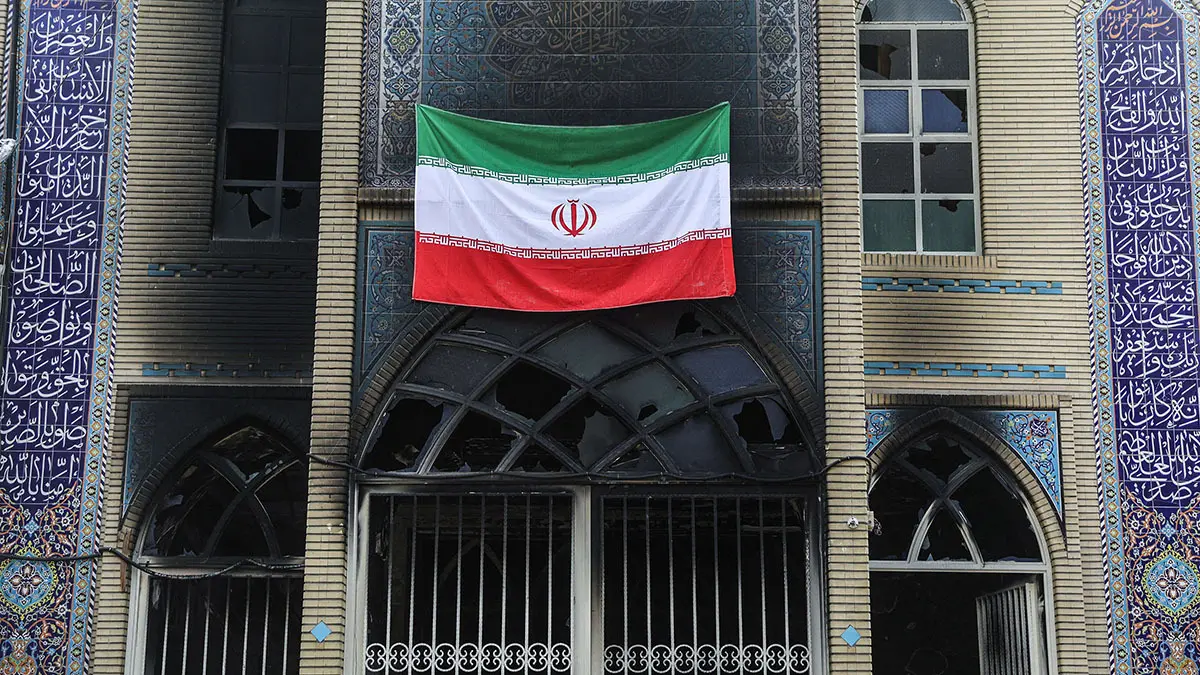

- Doctors detained for providing medical care
- Healthcare workers silenced
- A profession that rises up despite everything
In hospital corridors, where life should triumph, fear reigns. Since the beginning of the popular uprising in Iran, doctors and nurses are not only fighting against time to save lives, but also against a power that persecutes them for providing medical assistance.
Reports from Iran reveal a chilling reality: in its brutal crackdown on demonstrations, the Islamic Republic is directly targeting medical personnel. Arrests, summonses, threats: those who have had the courage to treat protesters wounded by bullets or pellets are being targeted by a ruthless security apparatus.
Human rights defenders denounce what they call the kidnapping of medical personnel. A policy which, according to them, constitutes a flagrant violation of the ethical principles of medicine, the Hippocratic oath and international humanitarian law.
Doctors detained for providing medical care
- Dr Farhad Nadeali, an orthopaedic surgeon from Gorgan, was arrested and taken to an unknown destination. His crime? Treating the wounded and denouncing the massacres.
- Dr Alireza Golchini, a general surgeon from Qazvin, suffered the same fate for helping the victims and speaking out against the repression.
- In Ardabil, Dr Ameneh Soleymani was arrested for supporting the protesters and providing them with emergency medical care.
To date, their families have received no information about their place of detention, their legal situation or the charges against them.
Healthcare workers silenced
In Lahijan, several doctors and nurses who treated people wounded by gunshots or pellets were summoned by the security services. Some were threatened with legal proceedings or with being banned from practising. Others were simply prevented from continuing to provide medical care.
The message is clear: saving lives now could cost you your own.
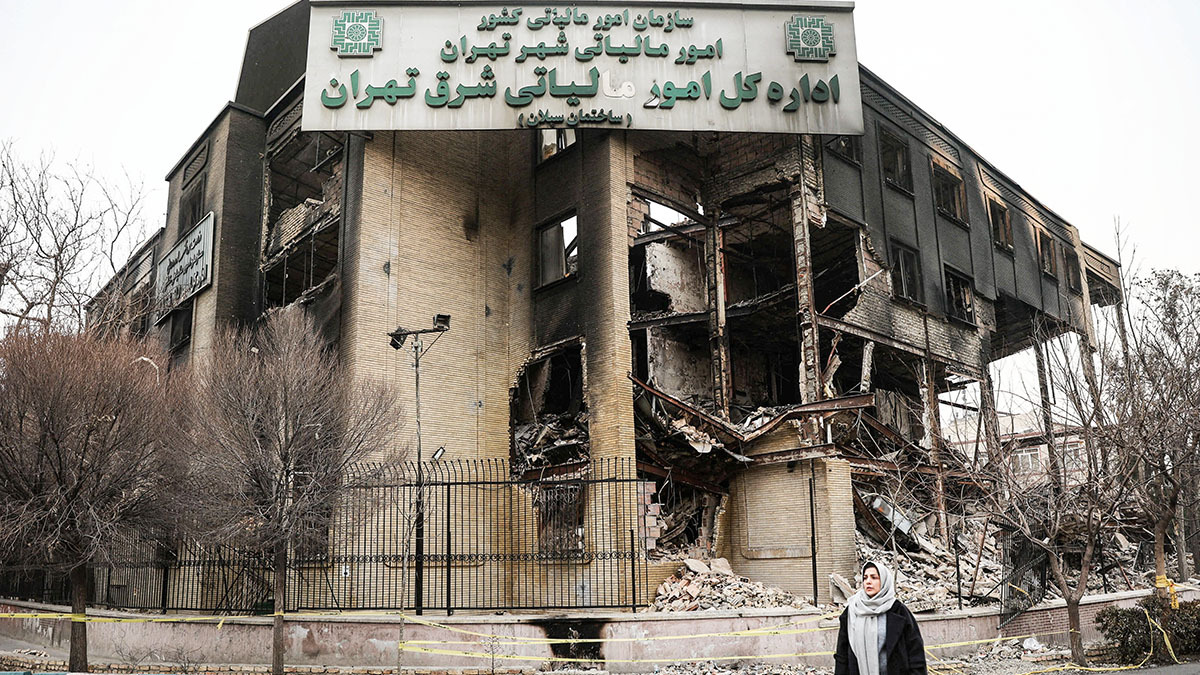
The theft of the wounded: a new strategy of fear
But the repression does not stop at the hospital doors. A terrifying practice known as ‘theft of the wounded’ has emerged: patients are forcibly abducted, often before receiving vital medical care.
- Nasrin Abdollahi, a student at Amirkabir University, is a tragic example of this. Injured and taken to hospital, she was abducted by security forces and did not survive.
- Hossein Salahi, a 49-year-old panel beater and father, was shot in the side on 9 January. At Vali Asr Hospital in Qaemshahr, two armed officers stood guard at his bedside. He did not receive the necessary medical care. He bled to death.
- Elina Hojjati, a 23-year-old microbiology student, was injured in Tehran on 8 January. She needed an urgent blood transfusion. She never received it. Her body was found three days later among other corpses.
A profession that rises up despite everything
In the face of this fierce repression, more than 4,000 doctors have signed a petition of protest. They condemn the deadly violence against protesters and the internet blackouts, and call on the United Nations and the World Medical Association to intervene urgently to protect civilians and ensure the safety of healthcare workers.
When healing becomes an act of resistance
Human rights advocates say that the intimidation of doctors, the abduction of the wounded and the obstruction of medical care are part of a deliberate strategy to erase evidence of the massacre and silence medical witnesses.
But despite the threats, despite the fear, one thing remains: these caregivers continue, every day, to reach out to those who are being silenced. Because in today's Iran, healing has become an act of courage. An act of resistance. (Source: VOA Persian)
On the cold days of January, as the streets filled with smoke, screams and the sound of gunfire, the Farabi Eye Hospital in Tehran became a place of frantic activity and deep anguish.
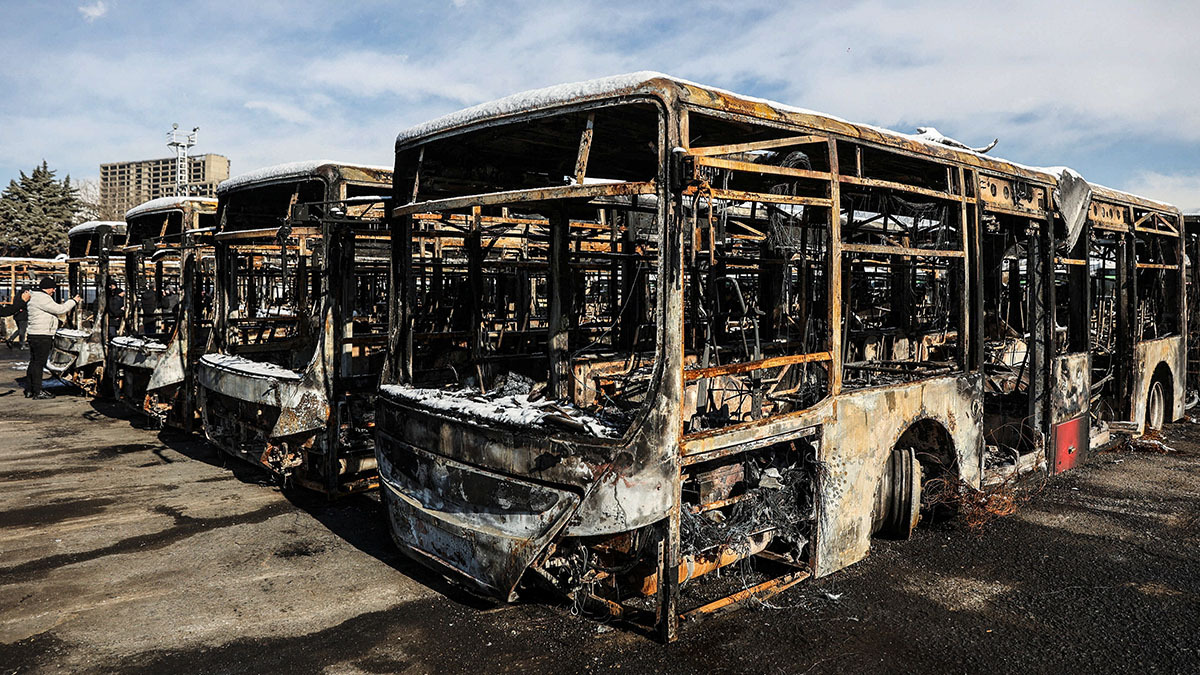
Dr Qassem Fakhraei, director of the hospital, recalls those days with sadness:
‘Before 8 January, some 55 patients with serious eye injuries arrived from cities such as Hamedan, Qom, Azna and Aligoudarz. Most had been hit in the eyes by high-speed projectiles, such as pellets. They needed urgent surgery.’
But what happened in the early hours of Friday 9 January was beyond imagination, even for an experienced medical team.
‘From the early hours of the morning, a wave of wounded people arrived. They all had eye injuries. Some had both eyes affected. The magnitude of the injuries was such that, in two days, we treated about 700 patients. In addition, we had to transfer another 196 to other ophthalmic hospitals in the city.’
In total, nearly 1,000 patients with eye injuries were treated at Farabi Hospital, and that was just in one centre.
Dr Fakhraei continues, concerned:
‘Unfortunately, 17 of these patients had both eyes severely damaged. Our priority was first to save the eye and then to try to restore vision. But only time will tell which eyes will regain their function... and which, sadly, will have to be removed.’
Behind the scenes, in the operating theatres, nurses struggled with almost inhuman conditions.
Maryam Sabbaghi, head nurse at the hospital, testifies:
‘There was not a single bed available. We had to lay patients on the beds of their companions. We borrowed stretchers from other hospitals and set them up in the corridors. Most of the injured were young people... It was very moving. Seeing those patients, surrounded by their worried families, broke our hearts.’
Despite the extreme pressure, the medical staff strove to remain calm, reassure the injured and offer them a sense of security, even though they themselves were under threat.
Many of the doctors and nurses who treated the injured protesters were later summoned or detained by the security forces. According to human rights advocates, these pressures are part of a deliberate strategy to silence medical evidence of the repression and intimidate the healthcare community. (Source: Telegram, channel ‘Quelques secondes’, 25 January 2026)
While the figures are overwhelming, it is above all the lost gazes — those eyes that will never see again — that give this story its full human scope. A heavy silence continues to hang over the stairs of Farabi Hospital.