Russia opens the door to the Moroccan Autonomy Plan for the Sahara: a turn with geostrategic impact on the Maghreb
- Context of Russia's shift: from ‘undefined’ to conditional support
- What are the motivations behind Russia's ‘yes’?
- The Sahrawi position and the Polisario's crisis of legitimacy
- Repercussions for the West, Europe and the United States
- Risks, contradictions and limits of Russian support
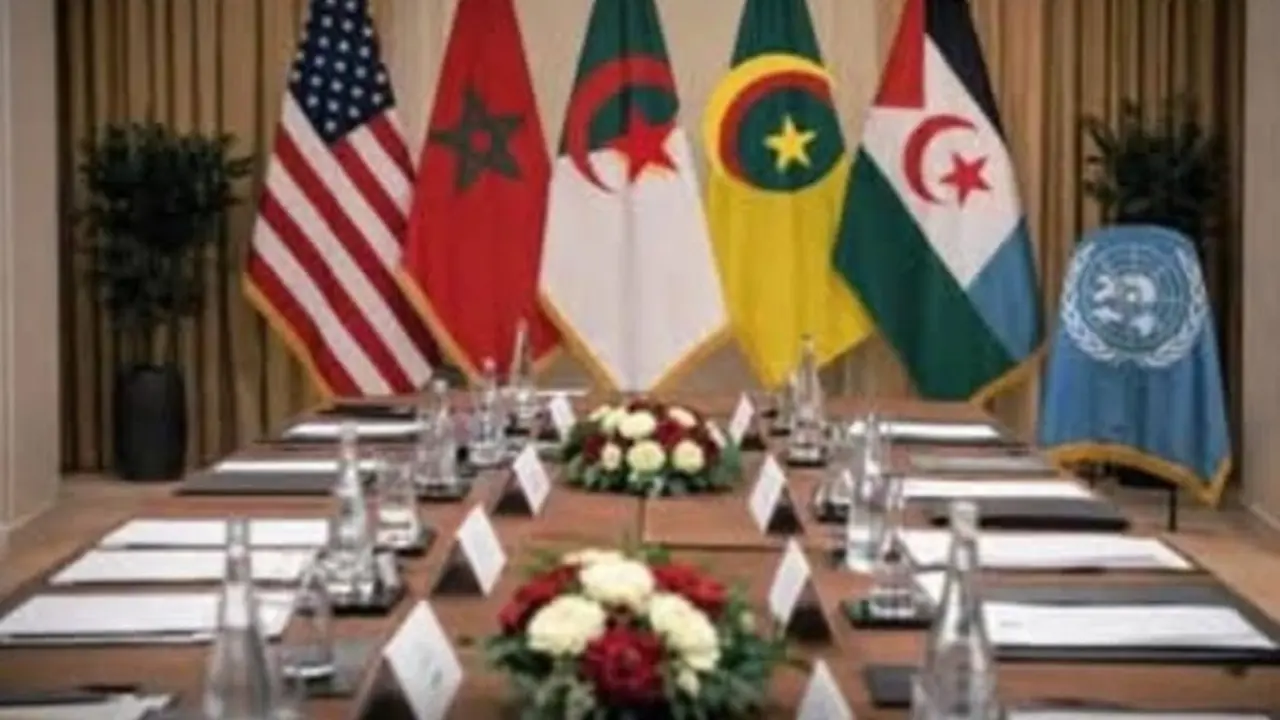
Russia has taken a decisive diplomatic step: declaring its willingness to support Morocco's Autonomy Plan for Western Sahara, under certain conditions and under the supervision of the United Nations.
This development marks a turning point in Maghreb diplomacy and has profound implications: it strengthens Rabat's position, puts Algeria under pressure and reconfigures the stakes for powers such as the United States and the European Union.
Moscow's public statement is a symbolic and strategic leap, but verbal support is not enough. It will be essential to see how these statements translate into votes, multilateral pressure and effective territorial presence.
Context of Russia's shift: from ‘undefined’ to conditional support
Until now neutral, Moscow is prepared to take the same path as the United States, Israel, Spain, France and the more than 120 countries that have already recognised Morocco's sovereignty over the Sahara and support its Autonomy Plan proposed in 2007 by King Mohammed VI of Morocco. Russia's “yes” is not innocuous, but rather encompasses strategic interests, contradictions and challenges of legitimacy.
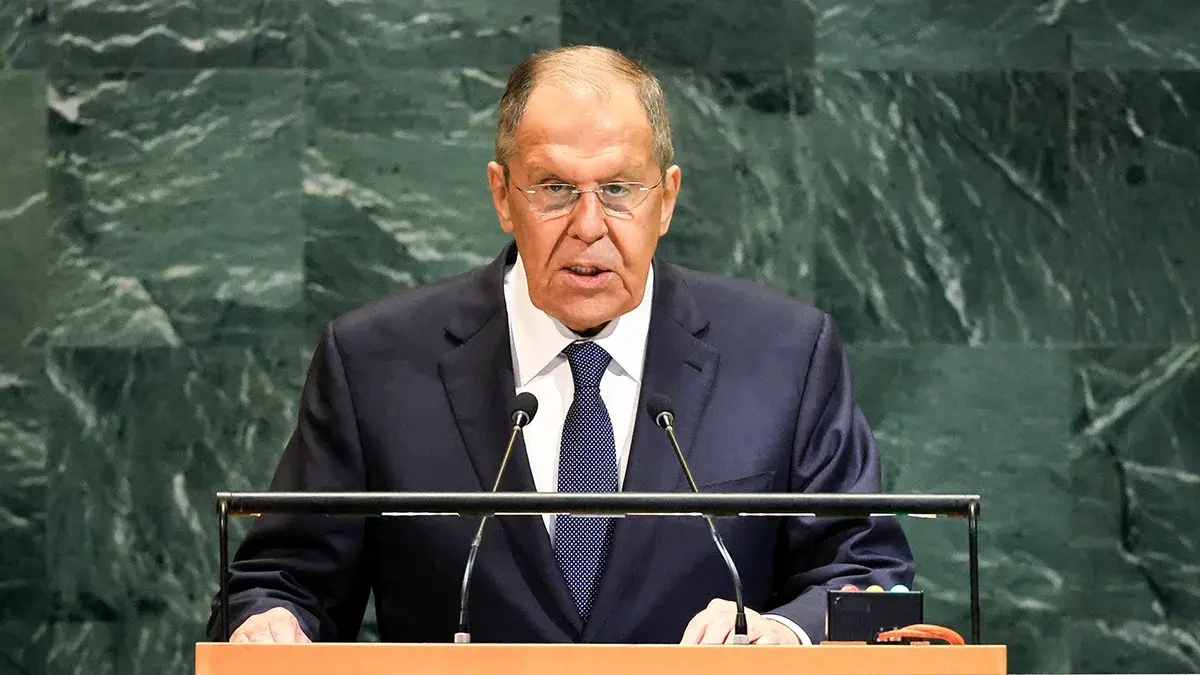
‘For us, any solution that satisfies all parties will be acceptable. The issue will be closed when all parties involved truly feel that the solution has been reached on the basis of an honest balance of interests,’ said Russian Foreign Minister Sergei Lavrov.
However, this shift does not bring with it ‘unconditional support.’ Moscow has indicated that it conditions its support on consensus among the parties involved. Russian support is not intended to destroy relations with Algeria, but it does place the North African country in a difficult position.
Although it could be interpreted that the Kremlin's decision may complement Algiers' strategic influence in the conflict and in the region. It should be remembered that the gradual withdrawal of French troops from the Sahel countries is being replaced by Russian militias, which would give Moscow more influence.
Russia, a ‘reliable and constructive’ partner for Morocco
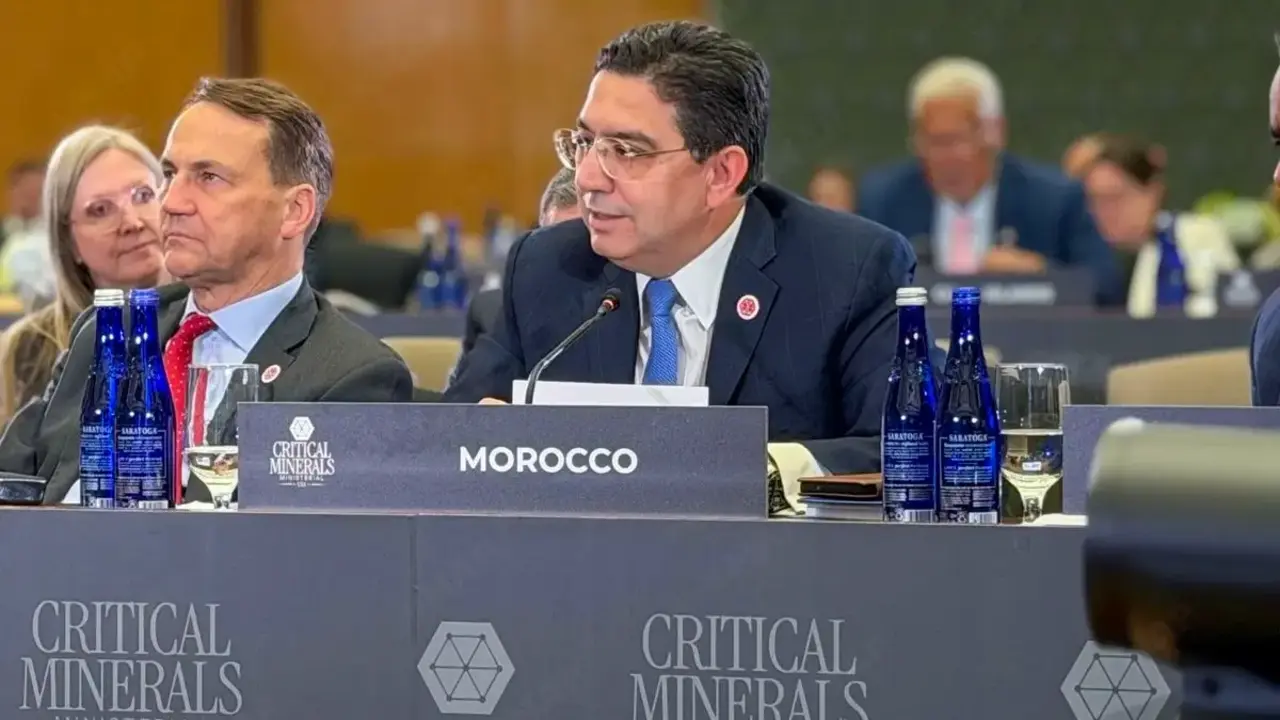
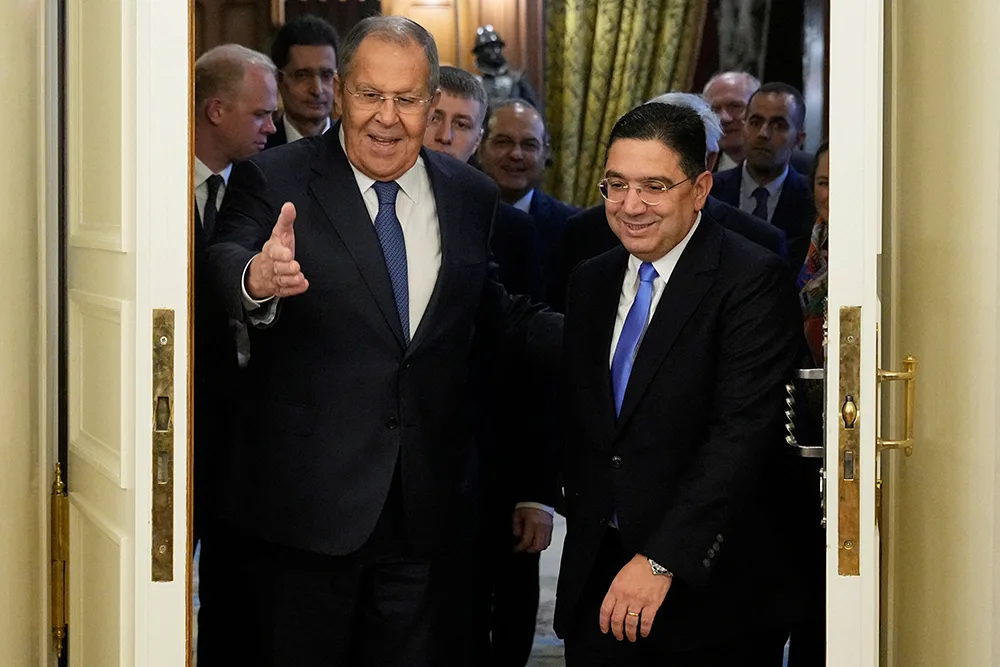
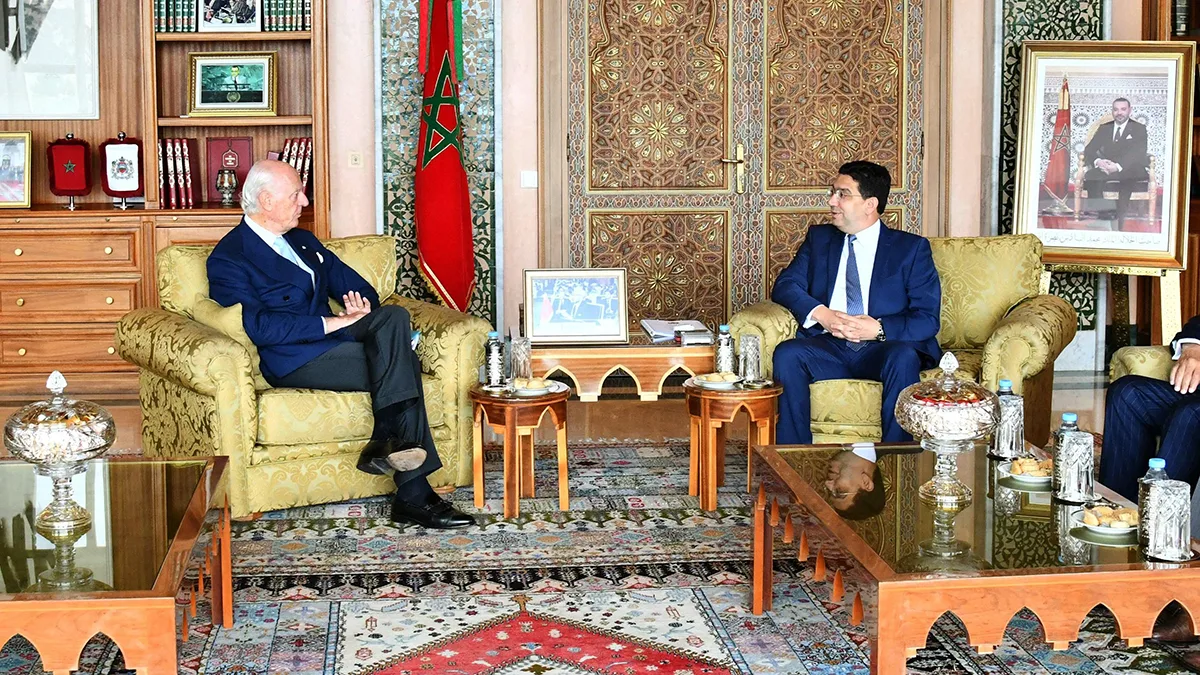
Following talks on the possible approval of Morocco's Autonomy Plan for Western Sahara, the Russian and Moroccan foreign ministers, Sergei Lavrov and Nasser Bourita, have finally signed a preliminary agreement in which the Russian Federation affirms that the Moroccan solution to the Western Sahara conflict is the most viable.
‘Today we signed a memorandum of understanding to structure and organise political consultations so that they are more regular,’ he said, adding that ‘the development of these bilateral consultations is not directed against anyone, but has as its main objective the strengthening of peace and stability in the world.’
‘We consider Russia to be an important player on the international stage as a permanent member of the Security Council and an influential player in numerous international affairs. Therefore, our dialogue will yield positive results.’
For his part, Sergei Lavrov noted that "Russia is ready to help solve the problems in these parts of the world with other interested countries"; and stressed the need for continued coordination on international platforms, such as the United Nations, and the development of cooperation between Russia and the Arab League.
🇲🇦-🇷🇺 Le Partenariat stratégique approfondi à l’œuvre : Rencontre de M. Nasser Bourita avec le Ministre des Affaires Etrangères de la Fédération de Russie M. Sergueï Lavrov pic.twitter.com/jUpf0p3HOa
— Maroc Diplomatie 🇲🇦 (@MarocDiplomatie) October 16, 2025
What are the motivations behind Russia's ‘yes’?
For decades, Russia's position on the Sahara conflict has been unshakeable: self-determination and a referendum. However, there are several motivations behind this change of perspective.
Balancing relations in the Maghreb and Africa
Since the Soviet era, relations between Russia and Algeria, especially in the military sphere, have been fruitful. Subsequently, these ties also united the politics of both countries. The relationship has always been symbiotic: power in the North African region in exchange for armaments.
The resurgence of Rabat as an international political player has caught the attention of Moscow, which sees Morocco as a ‘new avenue’ of influence in the North African region. However, the tense relations between Morocco and Algeria will be a headache for Russian diplomacy.
Diplomatic support could open doors to participation in contracts in energy, mining, fishing and infrastructure in the Saharan provinces. This tangible presence would reinforce Russia's legitimacy in the region as a relevant player.
Impacts on the rivalry between Morocco and Algeria
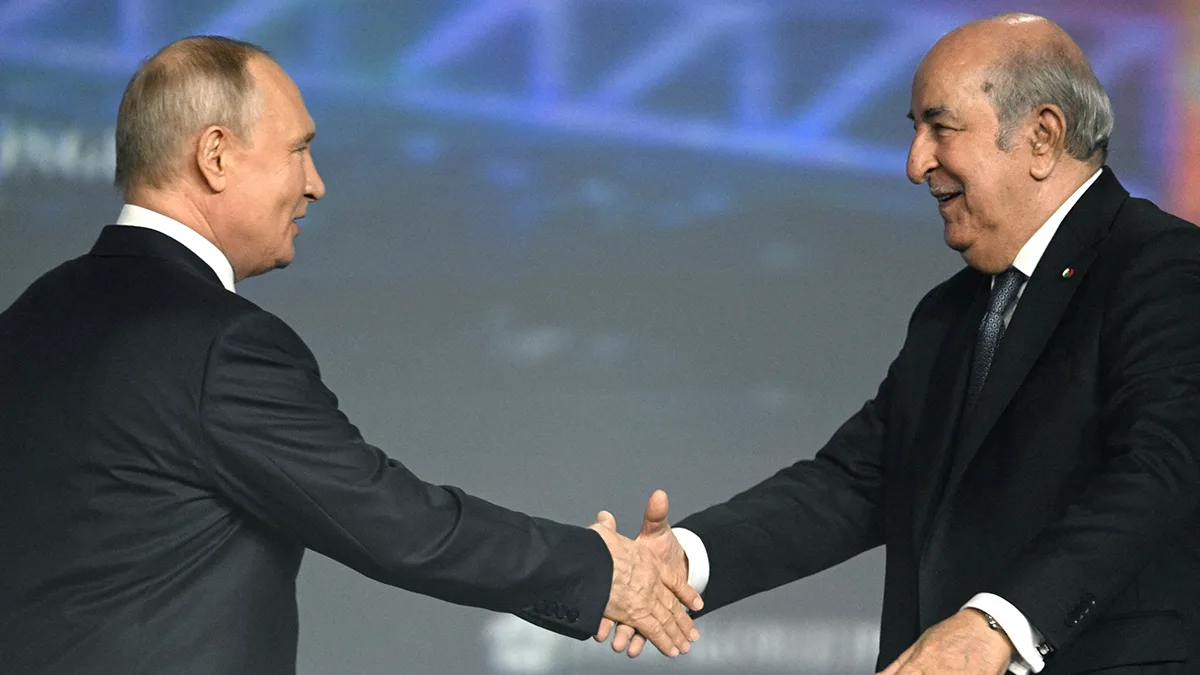
For Morocco, Russian support adds a heavyweight player to its diplomatic strategy: a new ally that weakens the arguments for isolating the Autonomy Plan. With this, Rabat can reinforce its narrative of a realistic and viable solution. For Algeria and the Polisario Front, Russia's move is a sign that their model is facing increasing diplomatic erosion.
However, Algeria could react firmly by intensifying its diplomacy in Africa, strengthening alliances with other actors (e.g. China, African bloc countries, or even seeking a counterpart with Russia if it feels betrayed), or increasing its political pressure on the Polisario. Otherwise, tension on the southern border could be indirectly reignited.
The Sahrawi position and the Polisario's crisis of legitimacy
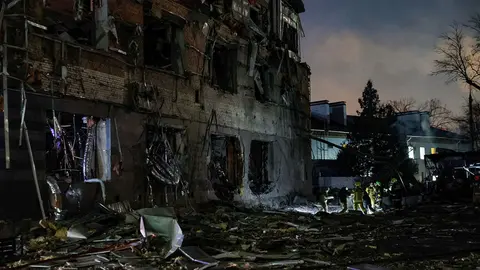
For the Polisario Front, an organisation funded by Algeria, and its supporters, the strategy based on full independence has been losing diplomatic momentum in the face of the autonomy model, which is gaining support.
Such powerful backing as that of Russia is a symbolic and tactical setback.
The Moroccan Autonomy Plan presented in 2007, with 35 points in its original formulation, continues to be seen by the Polisario, an organisation classified as terrorist by the US government, as ‘an alibi that denies the full right of sovereign choice’.
However, every international endorsement of the Moroccan proposal further erodes the narrative of the Polisario, which seeks to rule by force in the region it calls the ‘Sahrawi Arab Democratic Republic’ (SADR), and reduces its room for negotiation.

Repercussions for the West, Europe and the United States
Morocco is an economy with increasing international weight and where the major international powers have strong economic, political and social interests.
In the case of Europe, the ties that bind the bloc to Rabat are based on trade, the signing of agreements and security and immigration, where Morocco is one of the countries that collaborates most with the European Union.
Russia's yes could disrupt this situation and lead to an increase in the Kremlin's power over European interests. As a result, Europe could lose room for manoeuvre in decisions on the Sahrawi dispute.
On the other hand, Russia's approval would mean agreeing with the United States, which describes Morocco as ‘the country's most credible and serious partner on the African continent’, and would confirm the global nature of the conflict, which has been going on for more than five decades.
For most partners, Russia's decision to accept the Moroccan plan as the most viable option reinforces their position on resolving the conflict.
Risks, contradictions and limits of Russian support
The Kremlin's decision to express its willingness to support Morocco's Autonomy Plan entails a series of risks and contradictions which, if poorly managed by Russia, could deal a severe blow to its international influence, especially given its year-on-year attempts to increase its power in the Sahel region – ‘Europe's backyard’.
Credibility in the face of international law
Russia has always based its position on appeals to international law and the principle of non-intervention. This position is just as valid as the opposite one, but if support for the autonomy plan under the Moroccan formula is confirmed, Moscow could be accused of applying double standards with regard to other conflicts.
Resistance in the Arab or African world
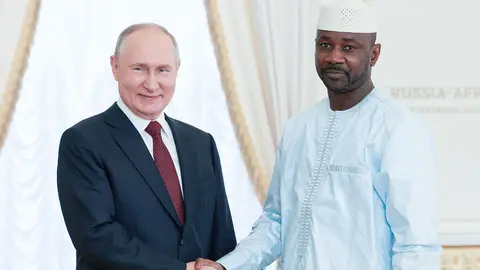
One of the Kremlin's main international policies has been the “colonisation” of Africa through military influence: first in Algeria and then spreading to all the countries in the Sahel region, especially Mali, Burkina Faso and Chad.
Support for the Autonomy Plan could be seen by these countries, which are part of Russia's sphere of influence, as an abandonment of the principle of self-determination, especially by those that support similar causes within the continent.
Political dependence and hidden conditions
While support may lead to the end of the conflict, it will not be without demands from Moscow. Although Russia's possible conditions are unknown, access to mineral reserves, participation in strategic projects, and access to the Atlantic Ocean may be possible candidates for discussion in any negotiations.
It is almost certain that a ‘yes’ vote will come at a political price for Morocco in the form of commitments to Russia.