UN Security Council votes to reduce UNIFIL mission in Lebanon from 2026 onwards
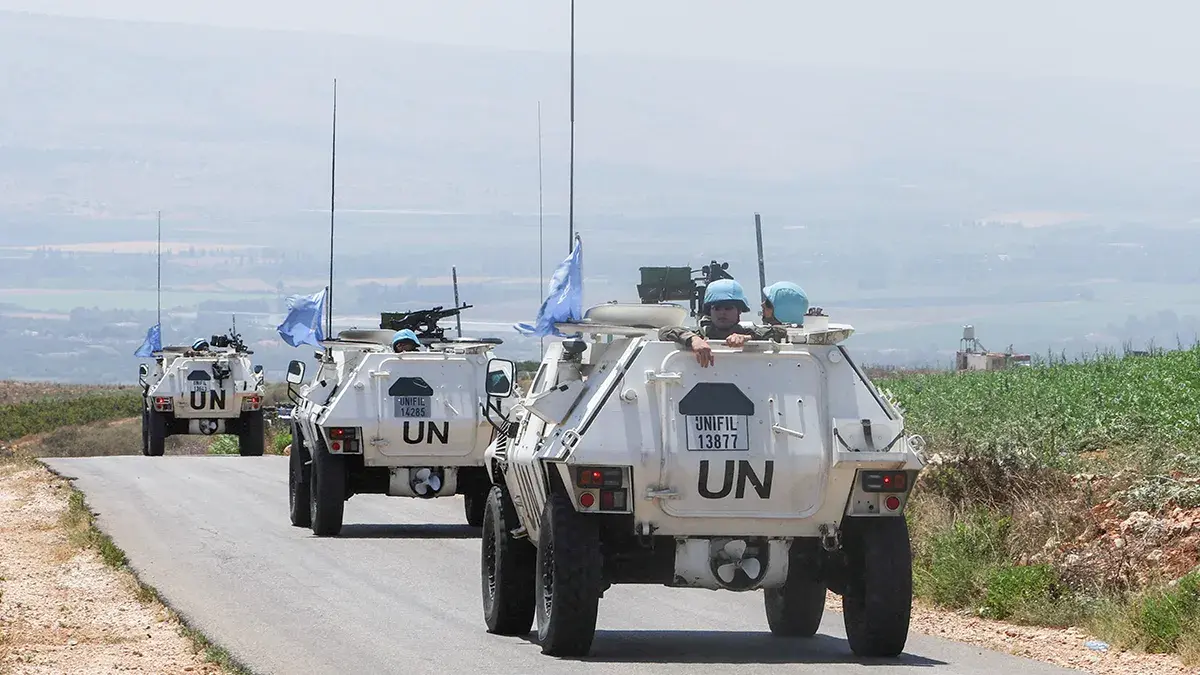
The one-year extension of the United Nations Interim Force in Lebanon (UNIFIL) faces uncertainties amid Lebanon's precarious situation. In this context, the United Nations Security Council unanimously extended it ‘for the last time’.
The 15-member Council unanimously adopted a resolution drafted by France after reaching an agreement with the United States, a member of the Council with veto power. The Security Council decided to extend UNIFIL's mandate for the last time.
The resolution "calls upon UNIFIL to cease its operations on 31 December 2026.
Some 10,800 peacekeepers have been acting as a buffer between Israel and Lebanon since 1978, and remained there after Israel ended its occupation of southern Lebanon in 2000. UNIFIL's mandate was due to end on 31 August.
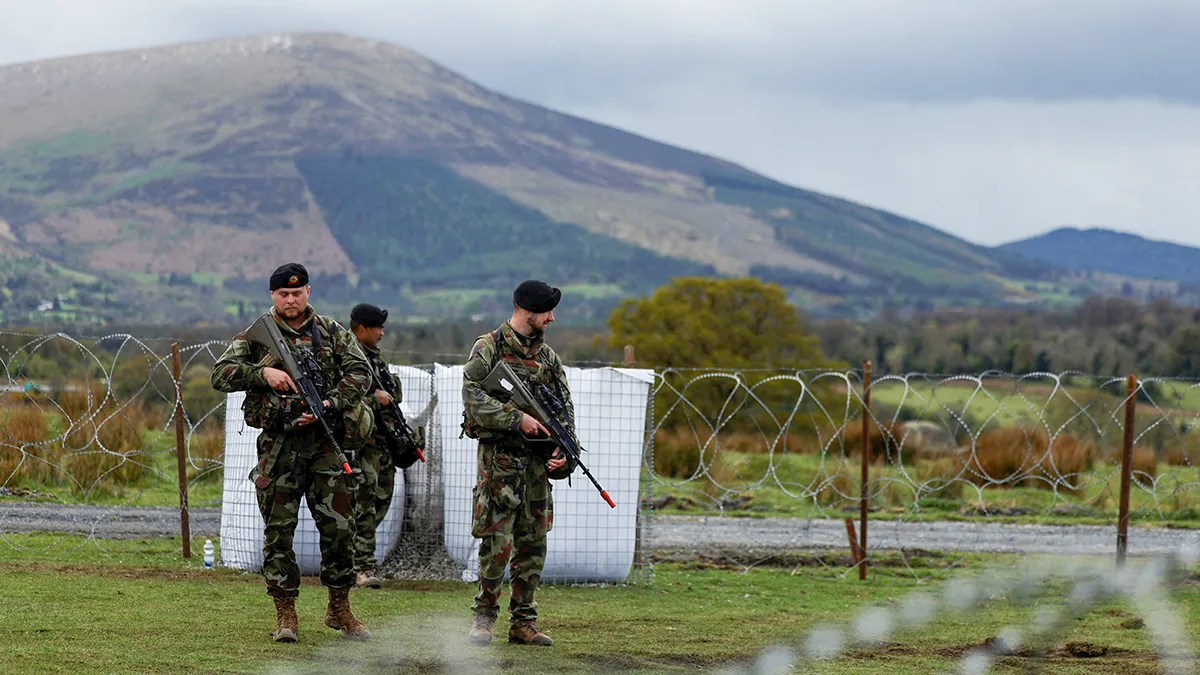
The one-year renewal will be the last time the United States will support an extension of UNIFIL, said US Acting Ambassador to the UN Dorothy Shea.
‘The security environment in Lebanon is radically different from what it was just a year ago, creating space for Lebanon to assume greater responsibility,’ she told the council.
UNIFIL's mandate was expanded in 2006, following a month-long war between Israel and Hezbollah, to allow peacekeepers to help the Lebanese army keep parts of the south free of weapons or armed personnel other than those of the Lebanese state.
This has caused friction with Hezbollah, which effectively expanded its control over southern Lebanon despite the presence of the Lebanese army.
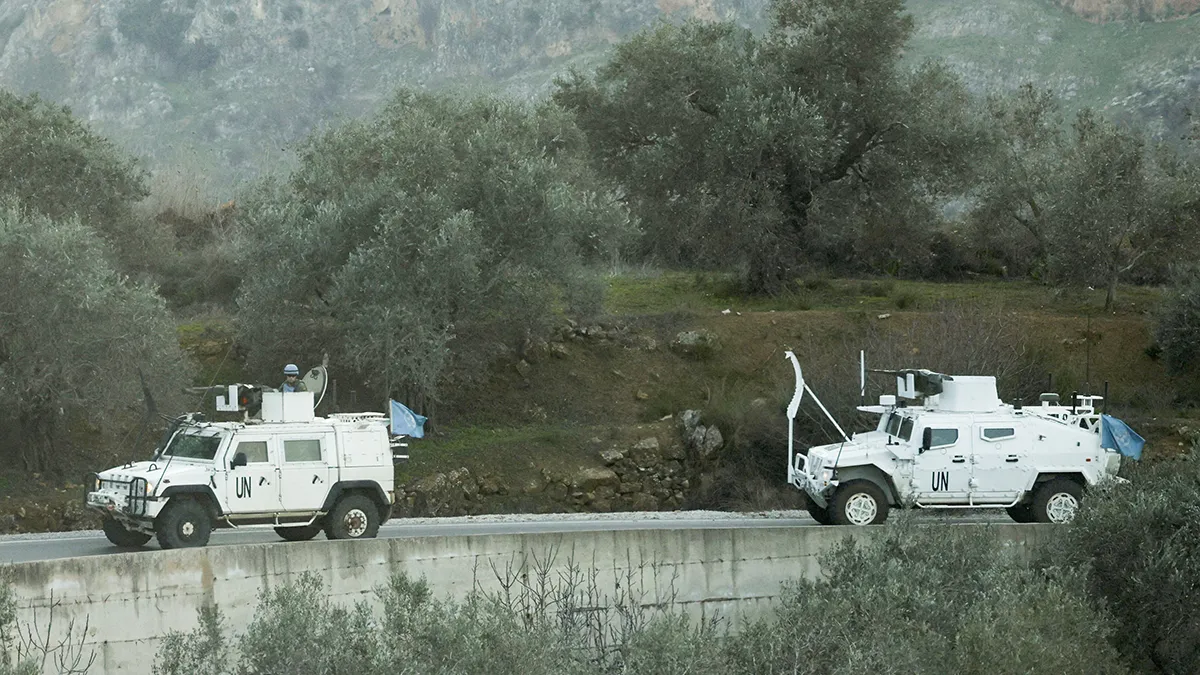
Some experts blamed UNIFIL's timid mindset for its growing marginalisation in the run-up to the 2023 confrontation.
‘Unlike in 2006, when UNIFIL was a key pillar of the post-war plan for Lebanon, by the November 2024 ceasefire, it had faded into near irrelevance,’ said Fadi Nicholas Nassar and Saleh El Machnouk in an analysis published by the Washington-based Middle East Institute.
Israel welcomed the vote, which puts a time limit on a UN mission that it says could not prevent Hezbollah's armed presence in southern Lebanon.
‘For a change, we have good news coming from the UN,’ said Danny Danon, Israel's envoy to the world body.
I want to remind you that 47 years ago, the Security Council decided to send the UNIFIL force to southern Lebanon to stabilise the region. We all know they failed. Hezbollah took over the region, he said.
‘Today, the Lebanese government has a responsibility to take control of the area and understand that they have to be there, not Hezbollah or anyone else.’
Over the next twelve months, much will also depend on the ability of US mediators to reduce tensions between Israel and Lebanon and help stabilise the situation on the border. Israel's temptation to use its military superiority to intervene in the south could still be a cause for concern.
Lebanese Prime Minister Nawaf Salam welcomed the extension, noting that it ‘reiterates the call on Israel to withdraw its forces from the five sites it continues to occupy and affirms the need to extend state authority over all its territory.’
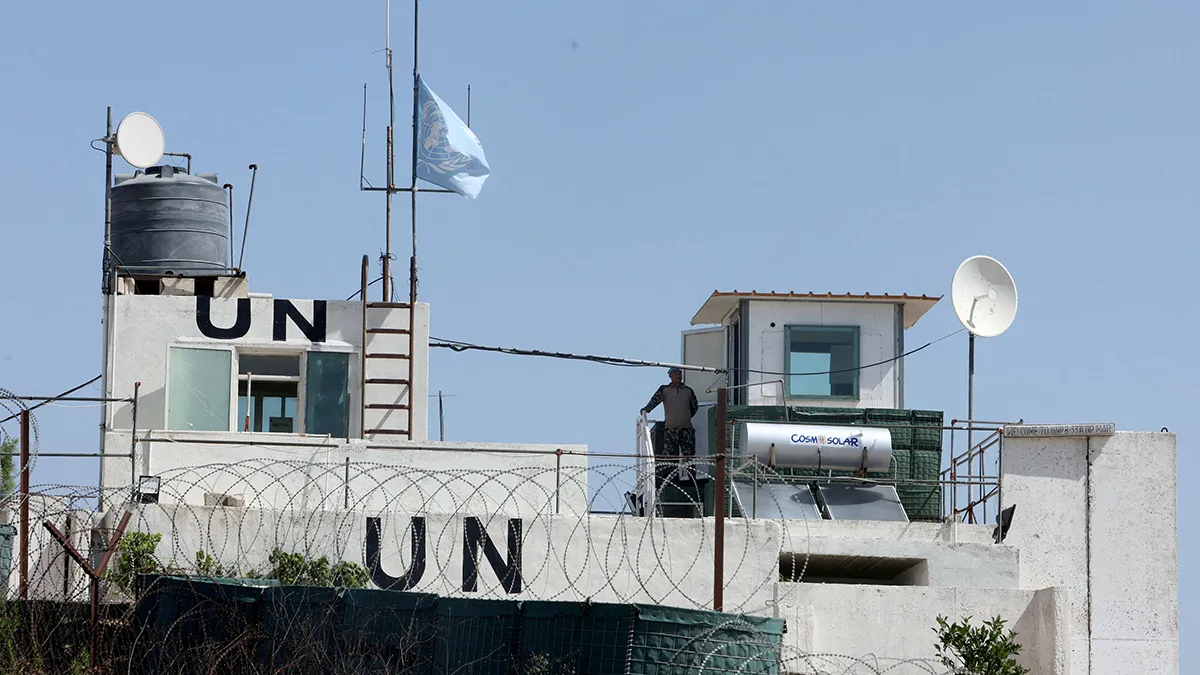
The United States had negotiated a truce in November between Lebanon and Israel after more than a year of conflict sparked by the war in Gaza.
The United States seeks to promote a plan for the disarmament of Hezbollah. It links this plan to a gradual withdrawal of Israel from southern Lebanon, while promoting an economic development zone in southern Lebanon, backed by the United States and the Gulf countries, in order to reduce Hezbollah's dependence on Iranian funding.
The new limited mandate, experts say, is a risky bet on the Lebanese army's ability to fully impose its authority in the south and also to disarm Hezbollah in the rest of the country.
President Joseph Aoun expressed his hope that ‘the additional year for withdrawal will be a fixed deadline to confirm and strengthen Lebanon's sovereignty over its borders.’
Last week, he warned that restricting UNIFIL's mandate ‘will have a negative impact on the situation in the south, which is still suffering from Israeli occupation.’
France is optimistic about the Lebanese army's ability to take control of the situation. French envoy to the UN Jay Dharmadhikari praised the ‘ambitious’ work being done by the Lebanese Armed Forces and said the additional year of UNIFIL's mandate would give it time to consolidate its authority.
But the precarious security situation in the south is already worrying some Western powers. Britain regretted that the decision was not taken ‘on the basis of an evidence-based assessment’.
‘The UK believes that a premature withdrawal of UNIFIL would risk fostering a security environment that Hezbollah could exploit,’ said British envoy James Kariuki.
‘That would harm communities on both sides of the Blue Line and delay efforts to achieve a long-term political settlement,’ he said.
Article previously published in The Arab Weekly