Al-Sharaa acknowledges the legitimate demands of Alawite protesters in crisis
- Demonstrations and legitimate demands
- Sectarian conflicts and political agreements
- New government priorities and economic challenges
Demonstrations and legitimate demands
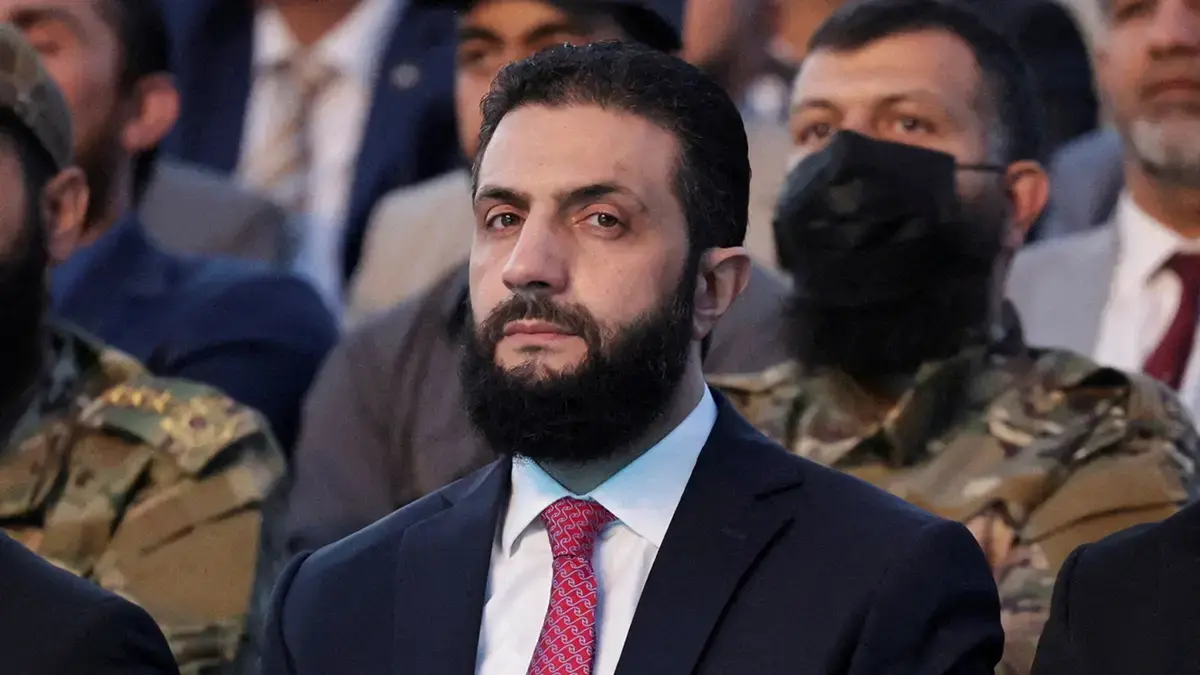
On Thursday, Ahmed al-Sharaa, president of Syria, acknowledged that protesters were expressing ‘legitimate demands,’ according to state media reports. This statement came a few days after thousands of people took to the streets to protest against violence directed at the Alawite minority.
Over the course of the week, various cities located on the Syrian coast, a central area for the Alawite community, were the scene of the most significant protests by this minority since the overthrow of Bashar al-Assad in 2024. It should be noted that Assad belongs to this same religious community, which largely prospered during his rule.

Sectarian conflicts and political agreements
Since Assad's fall, there have been episodes of violence against the Alawites, notably the attack on the Syrian coast that left more than 1,700 dead in March. Likewise, the current protests come after new episodes of unrest in the city of Homs, known for its religious diversity, following the murder of a Sunni Bedouin couple. This incident was attributed to Alawite members, increasing tension after sectarian graffiti was found at the scene.
During a telephone conversation with the governor of the coastal province of Latakia, Sharaa stated: ‘We have observed that there are many legitimate popular demands, although some are politically motivated, to put it politely,’ as reported by the SANA news agency. A former jihadist, with Islamist militants who contributed to Assad's overthrow, Sharaa assured that his administration is ‘fully prepared to listen to all demands and consider them seriously.’
His rise to power has caused concern among many minorities in Syria, especially after the violence against Alawites and the recent clashes between Sunni Bedouins and Druze in the south of the country. For Sharaa, ‘national unity is a fundamental and indispensable pillar’ and he stressed: ‘The time has come to put an end to the divisions sown in the minds of Syrians for more than sixty years.’
New government priorities and economic challenges
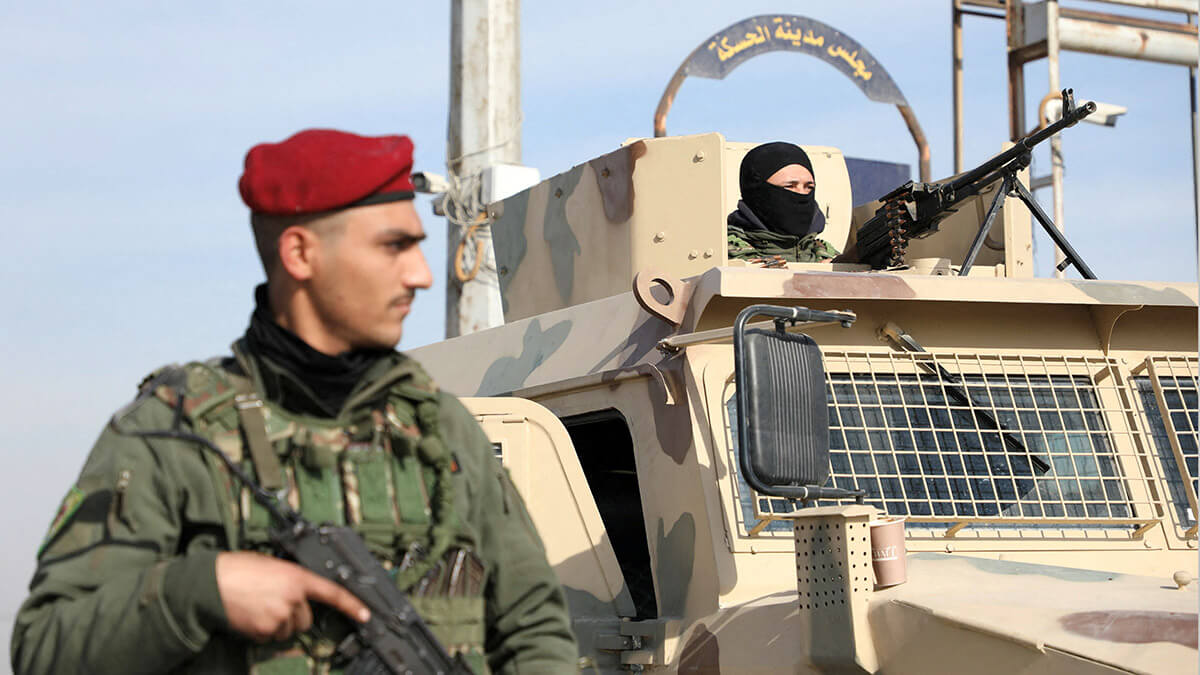
From the 1963 coup that kept the Baath Party in power until Assad's recent fall, Syria was ruled by members of the Alawite community. Since assuming leadership, Sharaa has sought to reassure the international community by pledging to protect the rights of Syrian minorities. However, he reaffirmed the importance of a strong, centralised state, rejecting the Kurds' aspirations for autonomy.
The new government has also faced conflicts in Sweida, a predominantly Druze region in the south, where it attempted to impose its authority, leading to clashes and attacks by Israel. Sharaa stated that the Syrian coast is a priority but clarified that ‘it cannot be governed by an independent authority, isolated from the rest of the regions,’ as ‘a Syria without access to the sea would lose a fundamental part of its strategic and economic strength.’
The Syrian economy remains weakened after more than a decade of civil war and international sanctions. The government is currently seeking resources for national reconstruction, the cost of which has been estimated at 216 billion dollars by the World Bank.