Sudan crisis: caught between two opposing forces, how does the Port Sudan Army balance Arab and Iranian support?
Introduction:
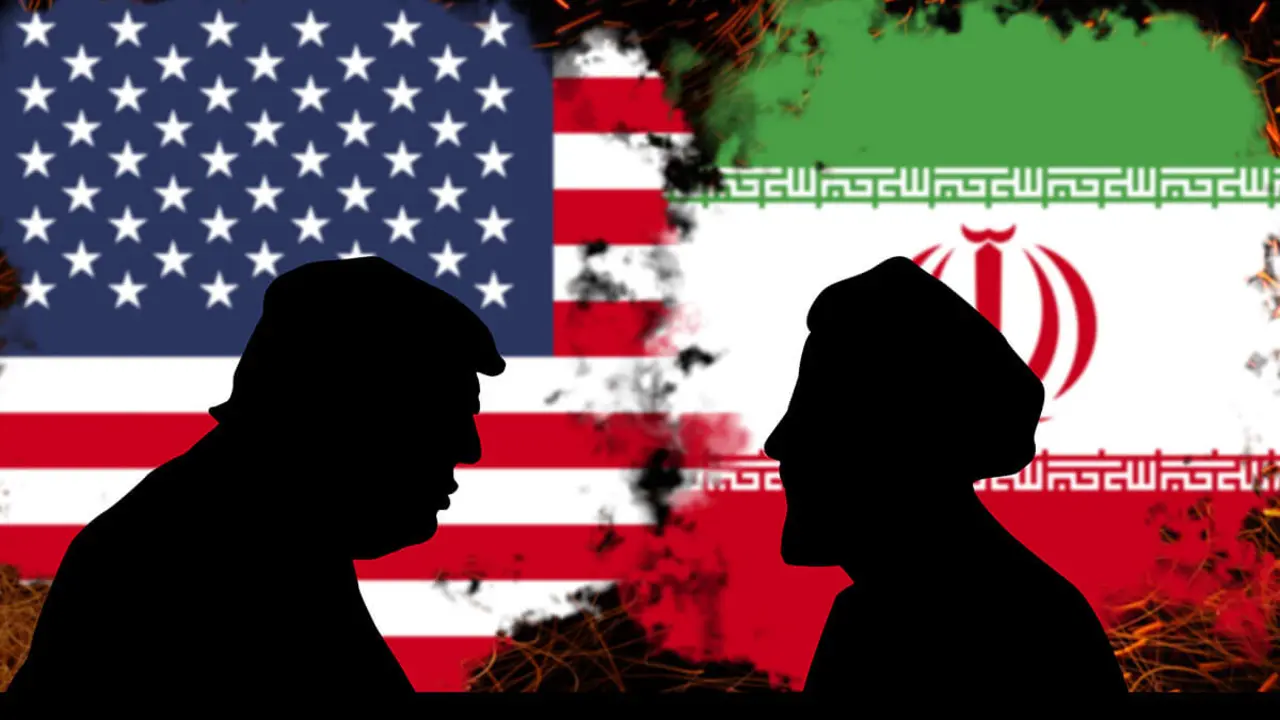
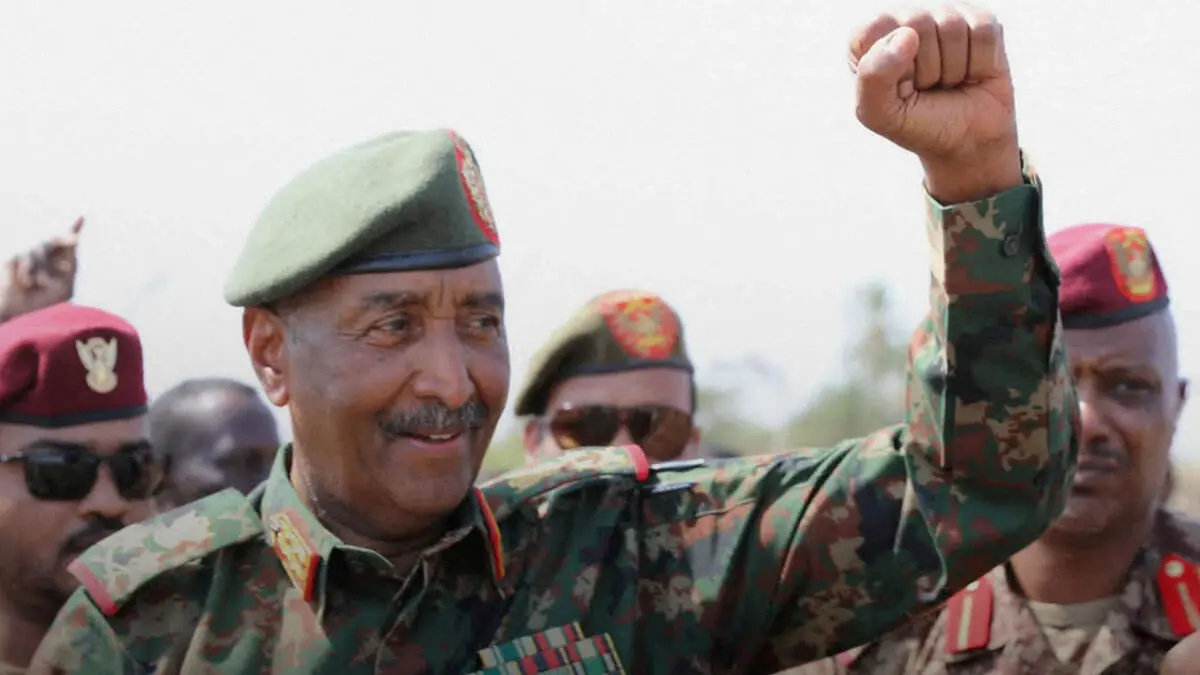
The paradox is that this army, which receives political and economic support from Arab countries such as Saudi Arabia and Egypt, is at the same time weaving threads of covert cooperation with Iran, which has made a strong comeback on the Sudanese scene. This contradiction in alliances reflects a military pragmatism dominated by the need to remain in power—controlled by the military since the coup led by Al-Burhan in October 2021—rather than by principles or ideological alignments.

The return of Iranian influence through the Red Sea gateway:
Since early 2024, Western intelligence reports have detected signs of renewed cooperation between Khartoum and Tehran after nearly seven years of rupture. Reuters reported, citing sources in the Sudanese Ministry of Defense, that Iran supplied the army with drones and precision munitions as part of an agreement that includes the use of Sudanese ports on the Red Sea as a possible logistics corridor.
Horn of Africa expert Alex de Waal notes that “Iran is seeking a strategic foothold in the Red Sea after losing influence in Eritrea and Yemen, and Sudan is the weakest link and most willing to offer facilities in exchange for military support.”
Arab support amid political ambitions and contradictions:
On the other hand, countries such as Saudi Arabia and Egypt continue to back the Sudanese military, considering it—according to an Arab diplomat quoted by Foreign Policy—“the easiest route to gaining influence and competing for regional control.” However, this support comes amid growing unease over violations against the army documented by international organizations.
Egypt, for example, has gained strategic benefits in exchange for this support, despite its enmity with the Muslim Brotherhood. Al-Burhan officially ceded the strategic Halaib triangle, located on the Red Sea, to Egypt without conditions, a gain that Cairo would not have achieved with a strong Sudanese state.
In a recent report by Human Rights Watch (September 2025), the army was accused of using its air force to bomb markets full of civilians in El Fasher and Nyala, causing hundreds of deaths. Amnesty International also noted “credible evidence of the use of low-impact chemical weapons in areas of Al Jazira state,” prompting the United States to impose new sanctions against senior Sudanese officials in October 2025.

The army between US sanctions and contradictory alliances:
US sanctions, which target influential figures within the military, have placed their sponsors in a difficult position vis-à-vis Washington. Saudi Arabia, Egypt, Qatar, and Turkey—all US allies to varying degrees—are forced to balance protecting their strategic relationships with the West and their continued support for a military force accused of war crimes.
US security analyst Michael Horton told the Center for Defense Analysis that “the Sudanese military has become a diplomatic liability for its Arab allies, but they fear that its collapse would cause chaos that would open the door to further Iranian expansion in the Red Sea.”
The use of food as a weapon, a systematic policy to starve civilians:
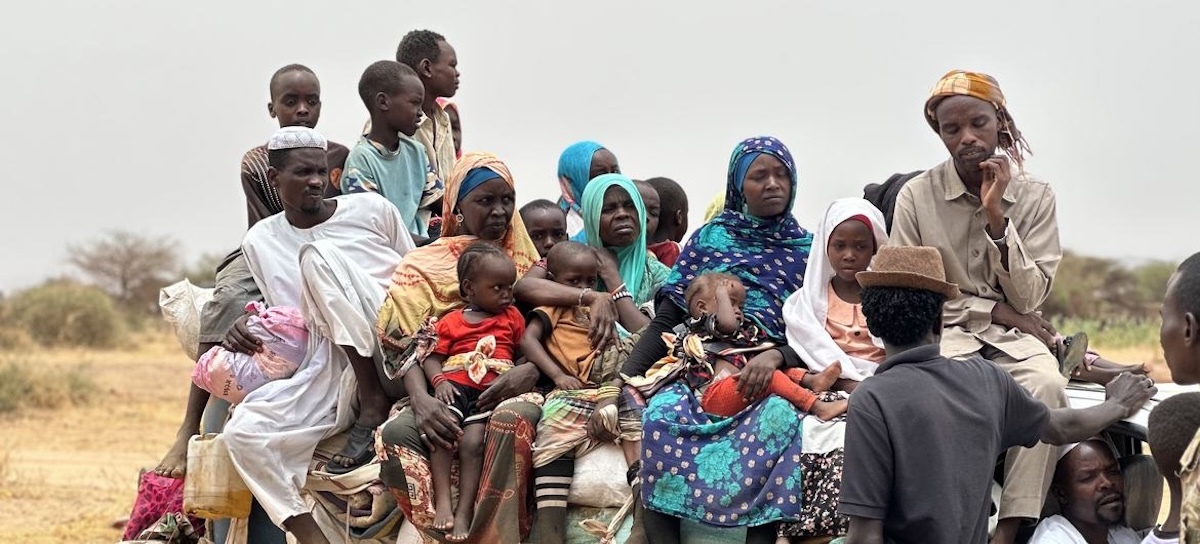
The UN Office for the Coordination of Humanitarian Affairs (OCHA) accused the Sudanese army, in a report published in August 2025, of “deliberately besieging the Nile and Al Jazira regions and preventing the arrival of humanitarian supplies,” stating that “the use of food as a weapon has become part of the war strategy.”
Sudanese researcher Mohamed Badawi commented that this behavior “reflects the mentality of the old regime, which prefers to subdue civilians through starvation rather than confront rival forces on the battlefield.” He added that “this has led the international community to tighten sanctions against the army, while promoting inclusive negotiations that do not exclude the Rapid Support Forces.”
Arms smuggling to the Houthis: accusations that no one wants to confirm:
In recent months, Western intelligence reports—especially from the Washington Institute for Near East Policy—have indicated that shipments of Iranian weapons are transiting through Sudanese ports bound for the Houthis in Yemen. These reports indicate that some officials in Port Sudan are facilitating the passage of ships in exchange for financial support from Tehran.
Regional expert Christopher Davidson believes that “Sudan has become a logistical hub connecting Iran and its allies in the region, which explains the contradiction between Port Sudan's official rhetoric of neutrality and the activity on the ground that points to growing cooperation with the Iranian Revolutionary Guard.”
Conclusion:
The practices of the Port Sudan Army show that survival in power has become a priority that supersedes any ideological alignment or traditional alliance. While receiving support from Arab countries allied with Washington, it secretly opens its doors to Iran, placing Sudan in a line of friction between two antagonistic axes.
With the war ongoing and the humanitarian situation deteriorating, it appears that this fragile balance will not hold for long, especially in the face of intensifying Western pressure and mounting evidence of systematic violations committed by Port Sudan government forces and allied extremist militias supported by Turkey, Qatar, Iran, and Saudi Arabia.