The murder of Charlie Kirk shocks the United States: a national tragedy amid political polarisation
- The murder of Charlie Kirk, a wake-up call for democracy
- Growing political violence and division
- Reactions from political leaders and the risk of further violence
- How can political violence be curbed and democracy protected?
- The future of American politics in an era of polarisation
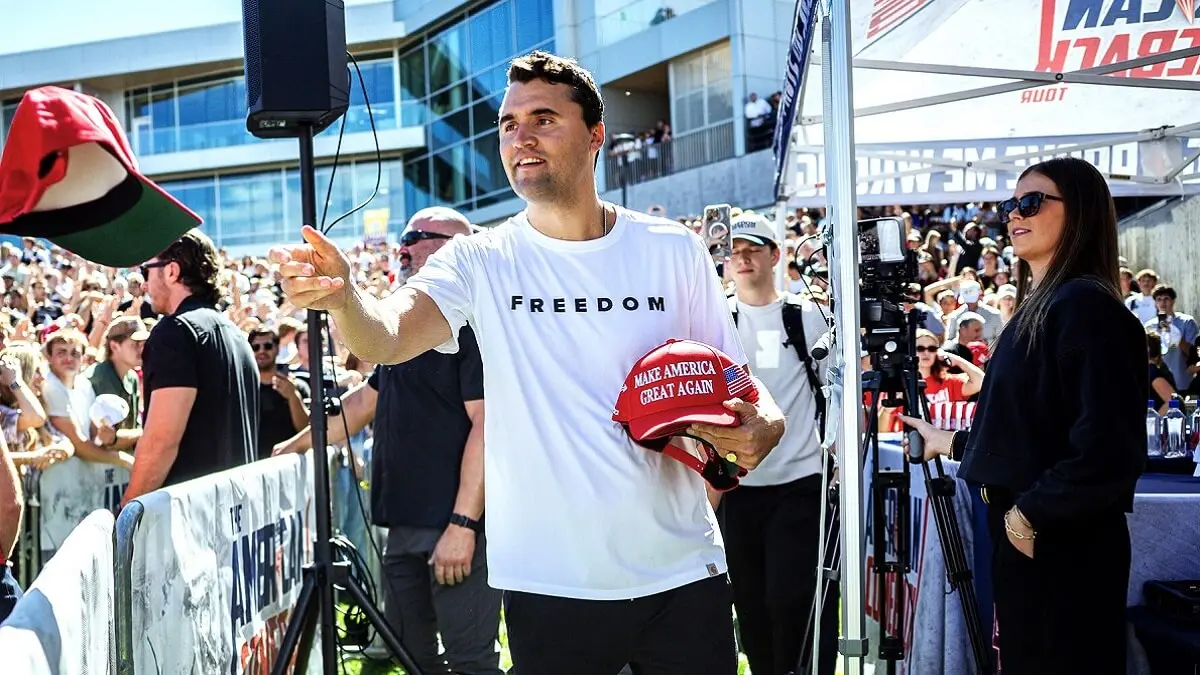
The murder of Charlie Kirk, founder of Turning Point USA and a key figure in the conservative Make America Great Again (MAGA) movement, has shocked the United States. The attack, which took place on a university campus in Utah during a public event and has been described as a national tragedy, exposes the alarming rise in political violence in an increasingly divided nation.
In a country marked by ideological extremism, polarising discourse and easy access to weapons, the crime against Kirk highlights the fragility of freedom of expression, the safety of political leaders and democratic stability in the United States. Outrage over his death has already sparked intense reactions on social media, raising the risk of retaliation and an escalation of violence.
MOMENT OF SHOOTING OF CHARLIE KIRK 🙏🙏🙏🙏 pic.twitter.com/AVXqEF7fTB
— Kristi Johnson (@YaYaMagaQueen) September 10, 2025
The murder of Charlie Kirk, a wake-up call for democracy
The attack on the life of Charlie Kirk, a staunch defender of the conservative MAGA movement and founder of Turning Point USA, has sparked a wave of sadness and outrage across the United States.
Terms such as #FreeSpeech, #FreedomOfSpeech, #Censorship, #CancelCulture, #SpeechRights have been trending on social media, reflecting the current sentiment of the American people in the face of what is considered a serious attack on freedom of expression and the democratic values of a polarised and increasingly divided nation.
In a scenario of political violence and the relentless radicalisation of the population, the murder of Charlie Kirk has been yet another clear example of the social problems and internal tensions that exist in American society and the real danger faced by political leaders, regardless of their ideology.
Growing political violence and division
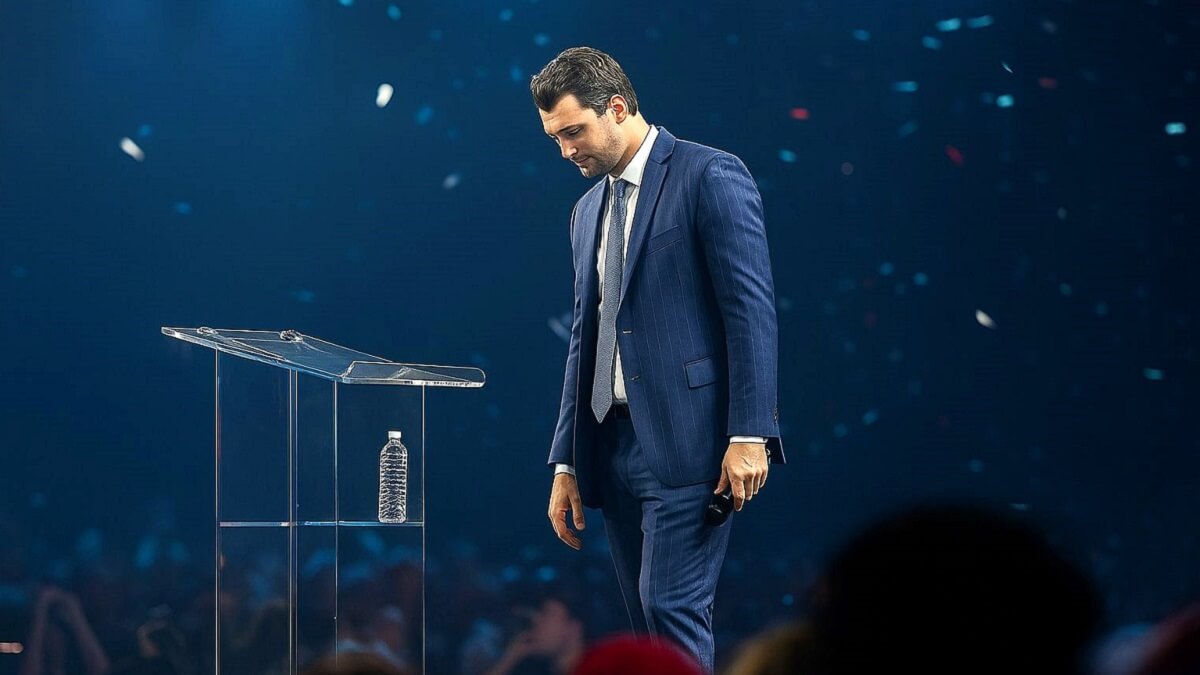
In a country where there are more guns than cars per capita, the murders of public figures, massacres in educational institutions, and the deaths of politicians are not isolated incidents. However, unlike other attacks, Kirk's death occurred in a context of polarisation and violence fuelled by the struggle between Republicans and Democrats, the latter supported by the American Deep State.
Fake news and sensationalism, combined with the great power of woke ideology, have created a breeding ground that began with the attack on the country's current president, Donald Trump, who was shot in the ear during a rally in Pennsylvania in the middle of the election campaign, and has continued with the death of a supporter of the MAGA movement, which is deeply rooted in the White House cabinet.
Although the most recent cases involve Republicans or political leaders with similar ideals, harassment, intimidation and murder have also affected figures on the American left. The latest example came in June when former Minnesota House Speaker Melissa Hortman and her husband were murdered in their home, which the FBI described as a ‘horrific act of targeted violence’.

Reactions from political leaders and the risk of further violence
Unsurprisingly, Kirk's death has shaken the American political establishment, with reactions to the murder of the founder of Turning Point USA coming thick and fast.
One of the first reactions came from former US President Joe Biden, who expressed his sorrow at Kirk's death and stressed that the attack on freedom of speech is a direct and frontal attack on the fundamental values of American democracy, concluding with a message of peace and warning that the United States cannot afford more deaths like Kirk's.
There is no place in our country for this kind of violence. It must end now. Jill and I are praying for Charlie Kirk’s family and loved ones.
— Joe Biden (@JoeBiden) September 10, 2025
However, from the moment the facts became known, the media, American citizens and social networks were waiting for statements from Donald Trump, whom many blame for the polarisation currently affecting the nation of stars and stripes. And the reaction was not long in coming.
Donald Trump, who had a close relationship with Kirk and supported many of his political initiatives, expressed his grief at the death of his ally. The president described the murder as ‘barbaric’ and linked it to the radicalisation of American society.
In a statement, Trump condemned the killing and stressed that ‘Charlie Kirk's murder must not go unpunished and will serve as a reminder of the urgent need to strengthen the security of our leaders and curb radical rhetoric that encourages violence’. These words have sparked controversy in the United States because they can be interpreted as a call to violence.
TO MY GREAT FELLOW AMERICANS… pic.twitter.com/oRsrE5TTHr
— Donald J. Trump (@realDonaldTrump) September 11, 2025
How can political violence be curbed and democracy protected?
What now? With Kirk's murder at a university where security failed, authorities face a challenge of biblical proportions: ensuring that the country does not descend into a spiral of violence and polarisation.
One of the greatest dangers to public safety in the United States is the use of social media to incite violence. In fact, many of Kirk and Trump's supporters have turned to these platforms to express their frustration and, in some cases, incite attacks on public figures.
Kirk's murder reflects the threat posed by radicalisation on the internet, where hate speech and misinformation spread rapidly. It should be added that the dissemination of fake news in the mainstream media is also considered by the authorities to be a threat, which they describe as ‘silent’, despite the fact that it has a wider reach.
The case of Charlie Kirk highlights the urgent need to protect freedom of expression and the lack of policies to prevent violence, whatever its origin.
The future of American politics in an era of polarisation
In such a divided country, the question is whether society will be able to heal the wounds exposed by this murder. What is at stake is not only the memory of Charlie Kirk, but the future of American politics.
Political polarisation has fractured trust among citizens. Today, more than ever, the words of Robert F. Kennedy, spoken after the assassination of Martin Luther King Jr. in 1968, resonate: ‘What we need in the United States is not division, not hatred, not violence, but love, wisdom and compassion towards others.’