The UN publishes the official version of Resolution 2797 on the Sahara
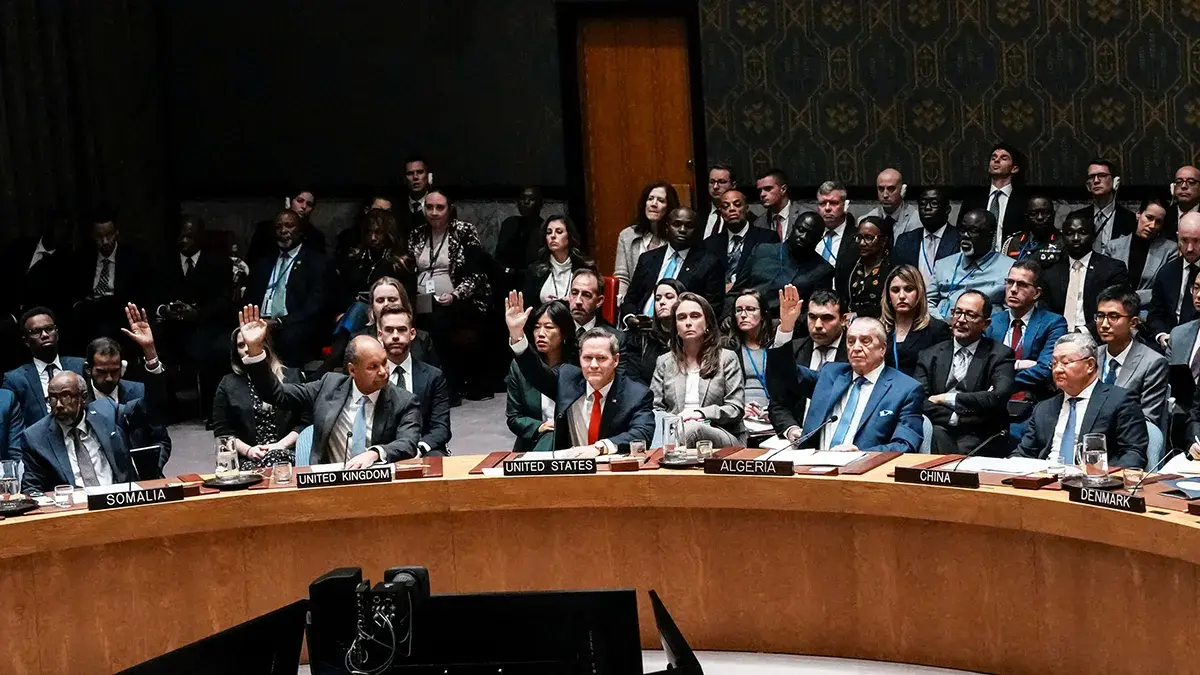
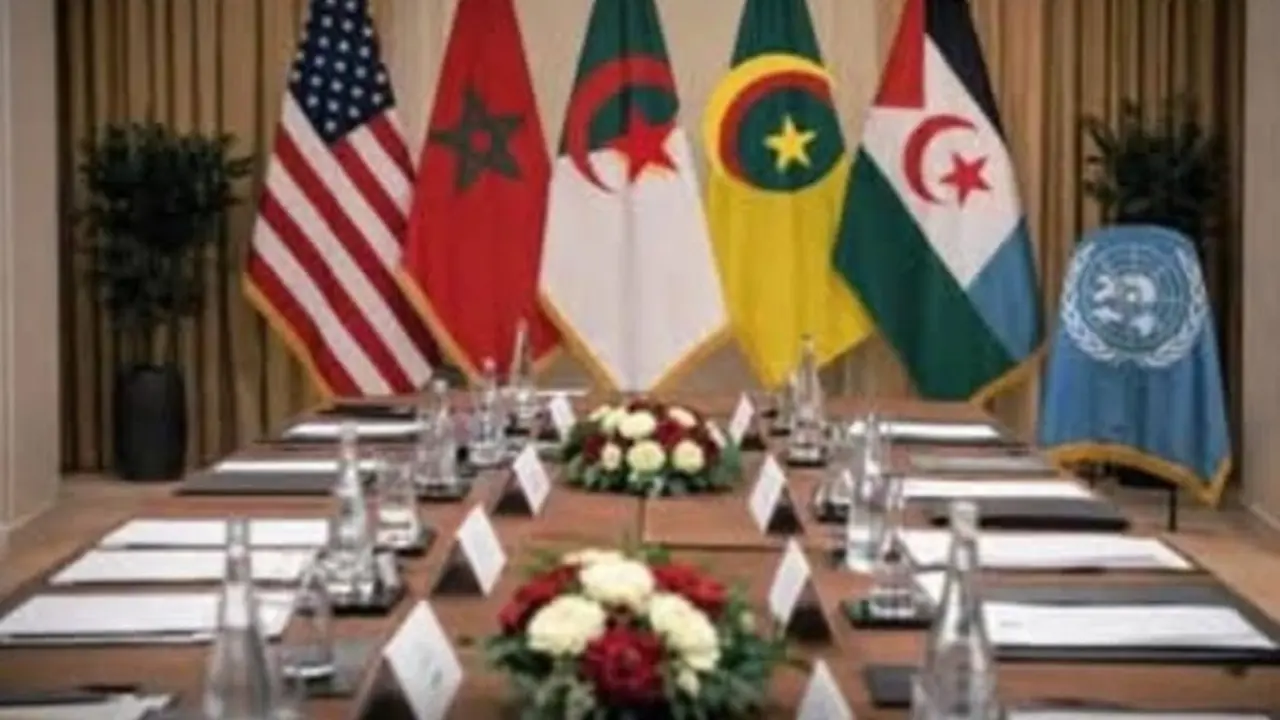
After weeks of anticipation and speculation, the United Nations Secretariat finally published the Arabic version of Security Council Resolution 2797 on the Moroccan Sahara, dispelling the controversy generated by Algeria's reservations about the wording of the document. The UN confirms that the Arabic text remains unchanged from the original, with no substantial modifications.
The official version in six languages emphasizes that the initiatives presented by the parties do not constitute parallel alternatives, but fall exclusively within the framework of the political process defined by the Security Council, centered on the autonomy proposal presented by Morocco. This cuts off the path to reinterpretations that seek to legitimize outdated options.
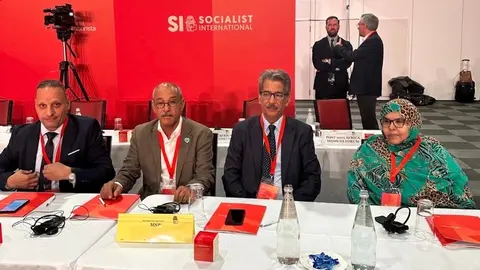
The adoption of Resolution 2797, together with the one-year renewal of MINURSO's mandate, marks a substantial change in the way the international community approaches this regional conflict.
For the first time, the 2007 autonomy proposal is enshrined as a serious and applicable basis for the political process, with the explicit instruction that negotiations be conducted without preconditions.
This makes the Moroccan plan the only valid framework for any future negotiations.
In contrast to previous resolutions, which welcomed Morocco's initiative in general terms or on an equal footing with other proposals, the new resolution establishes autonomy as the central reference point.
The absence of any mention of an “independence referendum” implicitly reflects international recognition of the unviability of this option as a lasting solution, as well as its inability to end the suffering of those held in the Tindouf camps.
Resolution 2797 strengthens Morocco's position and provides a decisive boost to the political process, promoting stability, security, and the reunification of the Sahrawis with the southern provinces of Morocco.
It also establishes a clear and transparent framework for negotiation, limiting any attempt by Algeria or the Polisario to impose external conditions or alternatives outside the autonomy plan.
With this decision, the UN not only consolidates the autonomy proposal as a credible and realistic political solution, but also sets a historic precedent in the management of the Moroccan Sahara conflict, strengthening Morocco's diplomatic position by ensuring that any future negotiations are conducted within the principles of transparency, respect for international law, and political realism.