The UN resolution on the Sahara, a victory for Morocco over Algeria and the Polisario Front

- Moroccan diplomacy, key
- The isolation of the Polisario and Algeria
- Next steps
- National unanimity and Maghreb horizon
- A historic milestone in the service of human rights
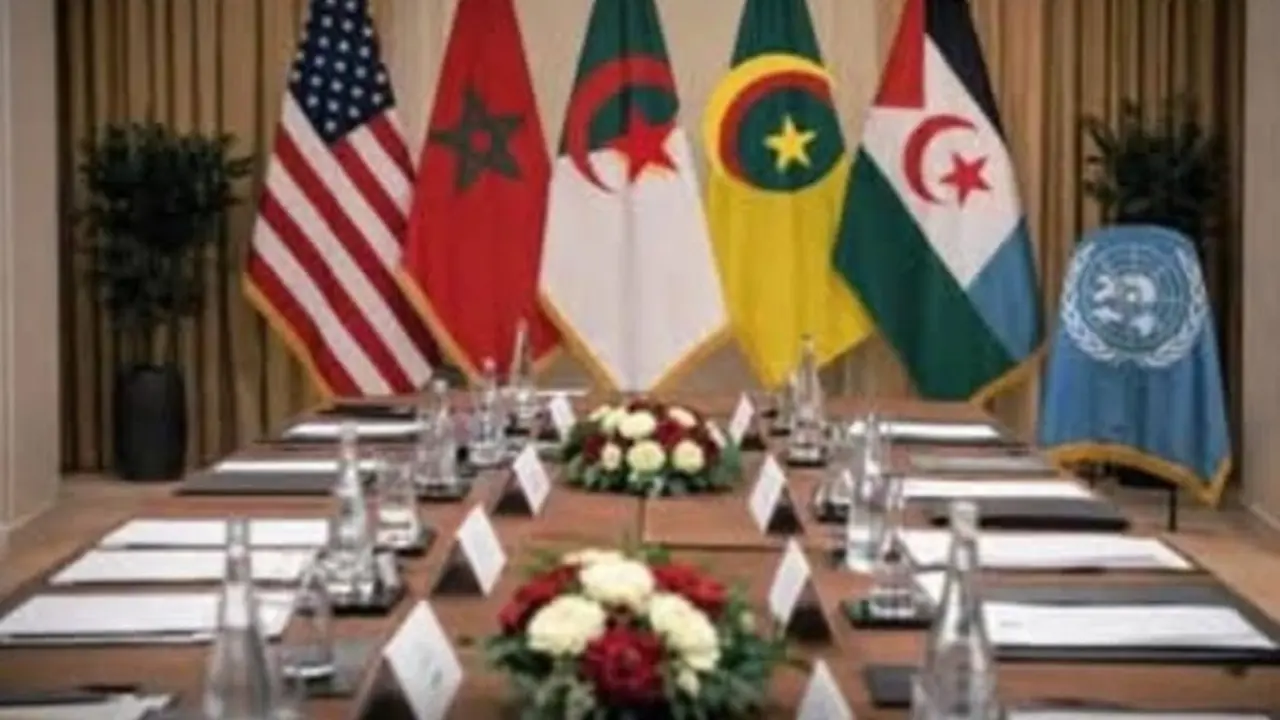
Security Council Resolution 2797, which makes the Moroccan initiative the basis for any possible lasting political solution to the Western Sahara conflict, represents a decisive change in the political process initiated by the international community since Morocco presented its autonomy proposal in 2007.
Washington has played a very active role in promoting realistic solutions, which has led to new coordination between the United Nations and the US administration headed by Donald Trump, giving a strong impetus to the UN's efforts to accelerate a definitive solution to the Western Sahara conflict.
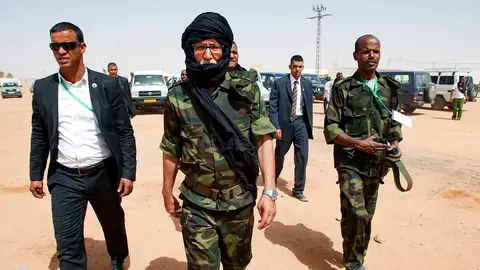
Moroccan diplomacy, key
Through long diplomacy, Morocco not only succeeded in transforming the autonomy proposal from a theoretical vision to a recognised international benchmark, but also managed to make it the basis for any sustainable political solution.
This diplomacy was based on building an international support network for the Moroccan autonomy initiative, combining realism with a strategic dimension, in order to avoid any slippage towards traditional and useless solutions.
The backing provided by the UN Security Council resolution allows Morocco to position itself comfortably in negotiations, as it can adjust the parameters of the discussion according to the Moroccan initiative without making any concessions to its national sovereignty. As the Moroccan king, Mohammed VI, himself has pointed out on occasion, ‘it is not a question of one side defeating the other, but of establishing a national option that preserves the dignity of all and promotes the values of peace and common development’.
Based on wisdom, foresight and the spirit of consensus rather than escalation, Morocco's sober diplomatic efforts have earned it the appreciation and respect of the international community.

The isolation of the Polisario and Algeria
In this context, marked by United Nations Security Council Resolution 2797, both Algeria and the Polisario Front find themselves increasingly cornered, with rhetoric that is no longer credible to the international community.
The recent UN resolution put an end to the Polisario's narrative, which had been going on for more than four decades, marked by misinformation and propaganda, to clearly define the new political direction in dealing with the Western Sahara issue from the Moroccan perspective.
Having failed to convince the international community with a discourse that transcends and contradicts the current international political reality, Algeria's abstention does not translate into neutrality, but rather implies a strategic retreat to avoid facing political defeat on this issue.
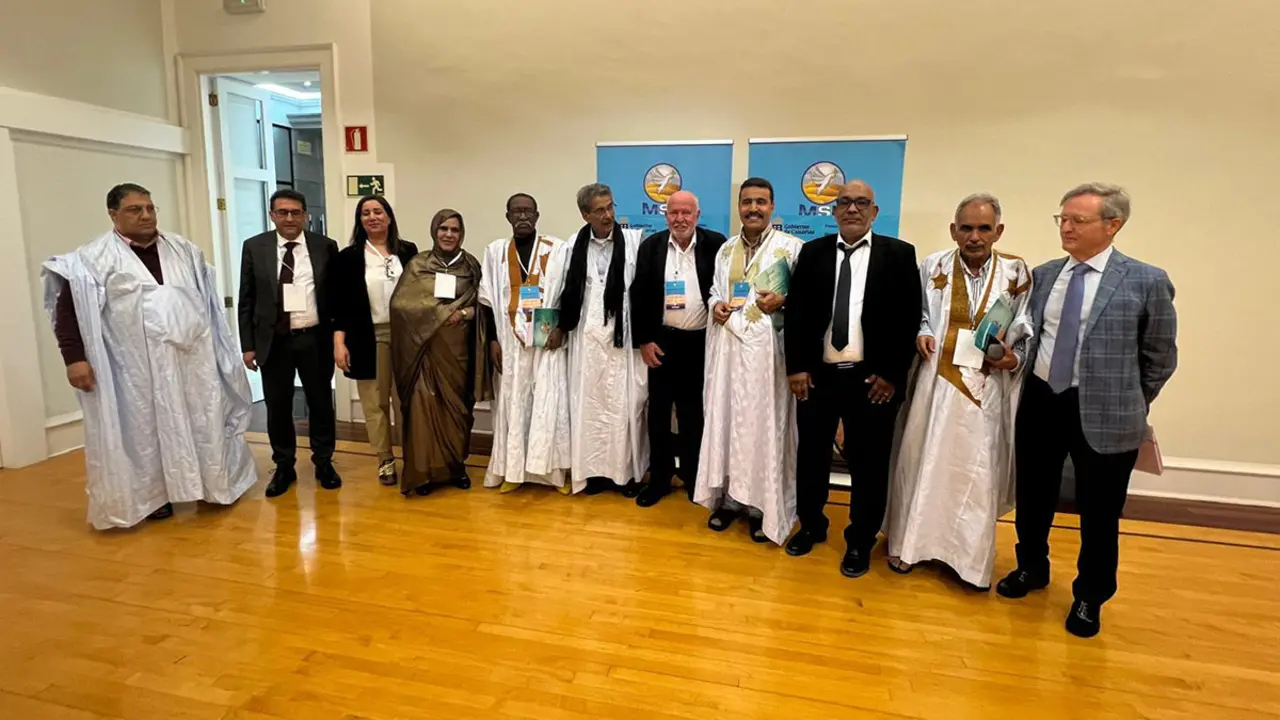
For their part, the sheikhs of the Moroccan Sahrawi tribes welcomed UN Resolution 2797, which recognises Morocco's sovereignty over its southern provinces and considers the autonomy proposal as the only solution to the Western Sahara conflict.
Likewise, political leaders in the three southern regions of Morocco have urged those detained in Tindouf to take advantage of the positive changes taking place in this matter to return to their homeland and participate in the comprehensive construction of the country.

Next steps
The United Nations decision is an unprecedented turning point that allows Morocco to take advantage of this transformation to promote development and stability in the southern regions, consolidating national belonging and solidarity among all Moroccans.
Within the framework of a practical and lasting political solution, Resolution 2797 extends MINURSO's mission, validated until 31 October 2026, to ensure the cessation of hostilities east of the wall.
Given the international pressure that will now be exerted on Algeria and the Polisario Front, the next stages in resolving the Sahara dispute will be characterised by the following factors:
- Curbing the possible continuation of the kidnapping of populations in the Tindouf camps by Algeria.
- Encouraging and supporting the young Sahrawi Movement for Peace to play its role in resolving the conflict.
- Awaiting the hypothetical opening of the borders with Algeria.
- Morocco's influence as host of the 2025 African Cup of Nations and the 2030 World Cup on the inhabitants of the Tindouf camps to choose to return to their homeland.
- Plan for the balance of the ten non-permanent members of the Security Council for the autumn 2026 vote.

National unanimity and Maghreb horizon
The approval of the Autonomy Plan under Moroccan sovereignty has marked a turning point in the handling of the Sahara issue, generating unanimity in the Moroccan political landscape.
The Islamic opposition parties stated that ‘Morocco's strength lies in its unity and the cohesion of its social and territorial fabric, and the rejection of any factor that leads to division and fragmentation, which only benefits the enemies of the nation.’
For their part, the left-wing parties launched ‘an appeal to Moroccans who were misled by the separatist narrative to unite with their country and contribute to building it on the basis of freedom, democracy and dignity’.
Along the same lines, the socialists praised the new international resolution, calling it a ‘historic decision,’ and urged the adoption of a participatory approach to the management of territorial integrity and the creation of a political climate conducive to a genuine democratic transition.
The Security Council's vote on Resolution 2797 on the question of the Moroccan Sahara not only constitutes recognition of Morocco's sovereignty over its southern provinces, but also the international community's confidence in the Moroccan political and institutional model and the opening of a new horizon for the unity of the Maghreb.
Mohammed Ould Errachid, President of the House of Councillors, considered that ‘the United Nations resolution on the Sahara does not represent the end of the road, but rather the beginning of a new era for the entire region, establishing a phase of cooperation and integration and a Maghreb vision’.
‘This historic opportunity comes to restore the spirit of the Maghreb Union as a collective project for peace and prosperity, restoring the region to its natural position in its regional and international environment,’ Ould Errachid emphasised.
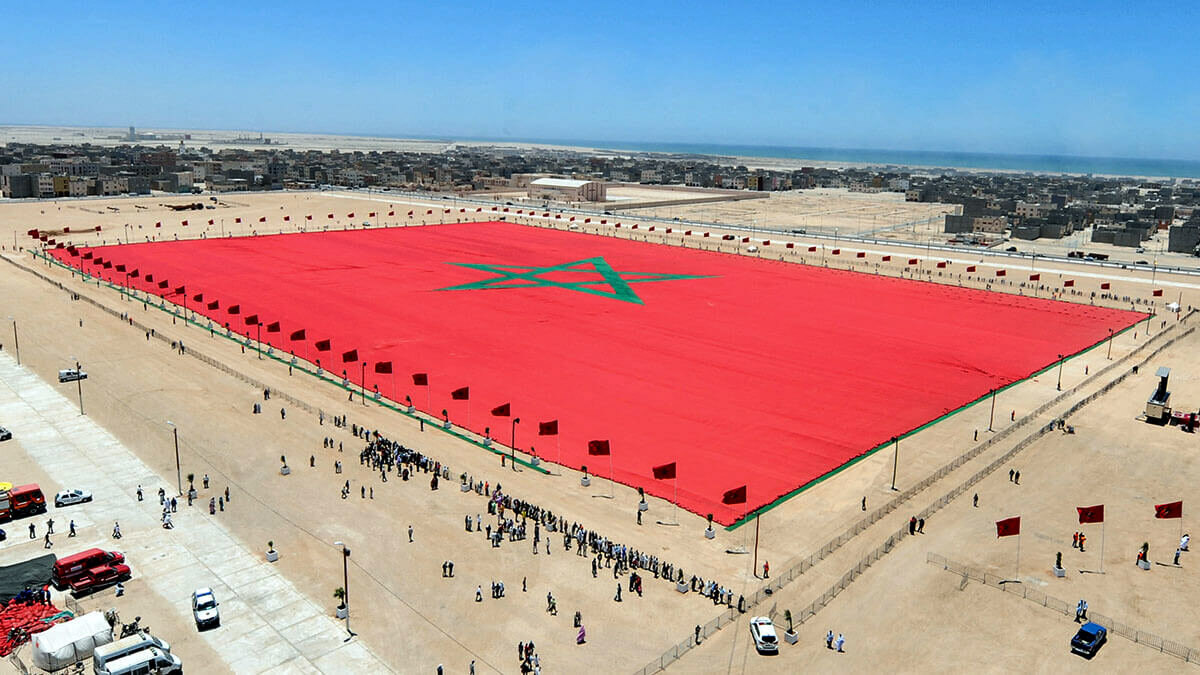
A historic milestone in the service of human rights
The Moroccan Organisation for Human Rights (OMDH) places human rights at the heart of autonomy, reaffirming that regional stability, justice and respect for fundamental rights are the pillars of lasting peace and harmonious development for the populations concerned.
Resolution 2797 on the Sahara was the result of a Moroccan initiative for autonomy in accordance with universal human rights values, which are based on peace, mutual respect and solidarity among peoples.
In this context, Rachid Talbi Alami, Speaker of the House of Representatives, stated that ‘the UN decision is an appreciation of Morocco's position at the international level, known for its openness and adherence to the values of peace, tolerance, coexistence and respect for others, within the framework of the Kingdom's institutional and national traditions.’
Talbi Alami recalled the royal message on the importance of ‘honesty, loyalty, cooperation, working for peace and giving friendships and partnerships a humanitarian and developmental dimension’ in the progress achieved by the North African country.
‘At this crucial historical stage, we, as political actors, must continue to contribute to consolidating our institutional structure and winning the bets on economic growth and development that we are about to achieve,’ added the Speaker of the House of Representatives.
In a move that seeks to guarantee their civil, political, economic, social and cultural rights, King Mohammed VI has given hope to Moroccans in Tindouf by calling on them to join their motherland and also reaffirming their right to dignity and equality before the law.