The Sahara and trade will be the focus of the High-Level Meeting between Morocco and Spain
- The Sahara issue
- Economic and trade issues
- Provisional programme for the High-Level Meeting in Madrid on 4 December
The 13th High-Level Meeting (HLM) between Morocco and Spain is generating great excitement as the date approaches.
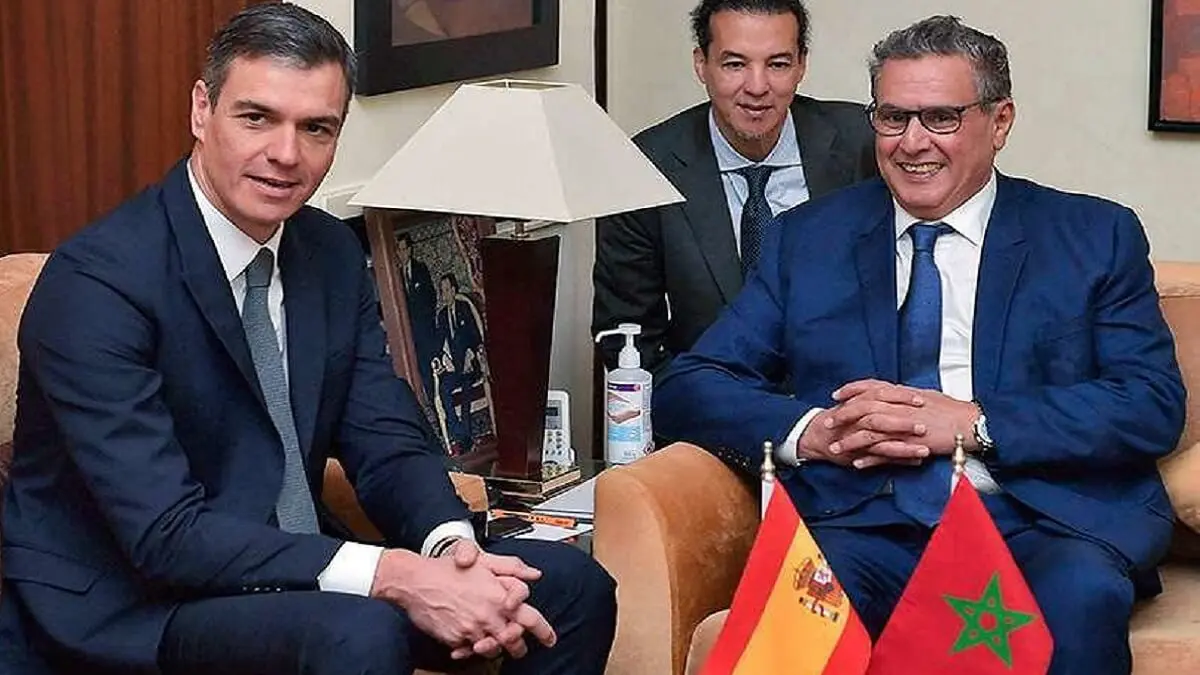
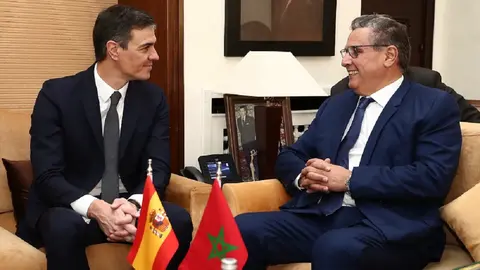
The HLM will take place on 4 December with a very important meeting at the Moncloa Palace in Madrid between Pedro Sánchez, Prime Minister of Spain, and Aziz Akhannouch, Head of the Moroccan Government, as well as the participation of various ministers from both governments.
The meeting is of great value between two allied countries and neighbours on both sides of the Mediterranean, who will address highly relevant issues in various areas, such as politics and economics.
Morocco and Spain currently enjoy excellent diplomatic relations, which have been strengthened in recent years by the support given by Pedro Sánchez's government in March 2022 to Morocco's autonomy plan for Western Sahara as the most serious, credible and realistic option for resolving the Sahrawi dispute, which has been ongoing for five decades since the end of the Spanish colonial era.
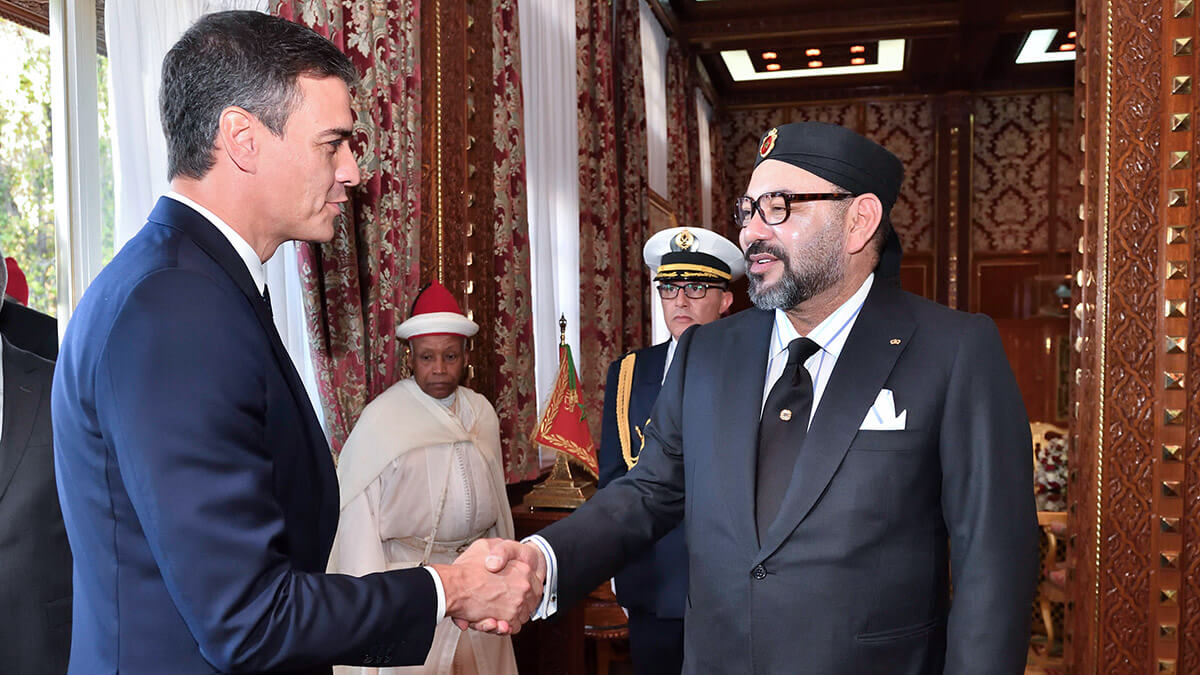
Following this endorsement, King Mohammed VI of Morocco invited Pedro Sánchez to a reception in Rabat in February 2023, where the roadmap that would shape Spanish-Moroccan relations in the coming years was drawn up. This roadmap included an important HLM, which took place in Rabat in 2023, where various political and economic agreements were reached that were highly beneficial to both parties in areas such as trade, migration, defence, technology, culture, etc.
The Sahara issue
Now comes the 13th HLM between the two nations, which is expected to further strengthen ties between them. Two issues will be the focus of attention at this high-level meeting: the Sahara and trade relations.
Spain gave its support to Morocco on the issue of Western Sahara, and it is expected that this support will be further emphasised. In 2007, the North African country presented its autonomy plan for Western Sahara to the United Nations with a view to granting the Sahrawi people broad self-government, leaving foreign and defence policy in the hands of the Moroccan state and respecting the United Nations resolutions on the matter. Morocco's objective is to develop the territory to its full potential and turn it into a highly prosperous area, always under Moroccan sovereignty.
More than 100 countries have already backed the North African nation's initiative as the most serious and credible option for resolving the Sahrawi issue, including powers such as the United States, France, the United Arab Emirates, Germany and the United Kingdom. In fact, at the end of October, the UN Security Council, with the approval of all its members except for the abstentions of China and Russia as permanent members, endorsed the Moroccan proposal in Resolution 2797 as the most solid basis for negotiations between the parties involved.
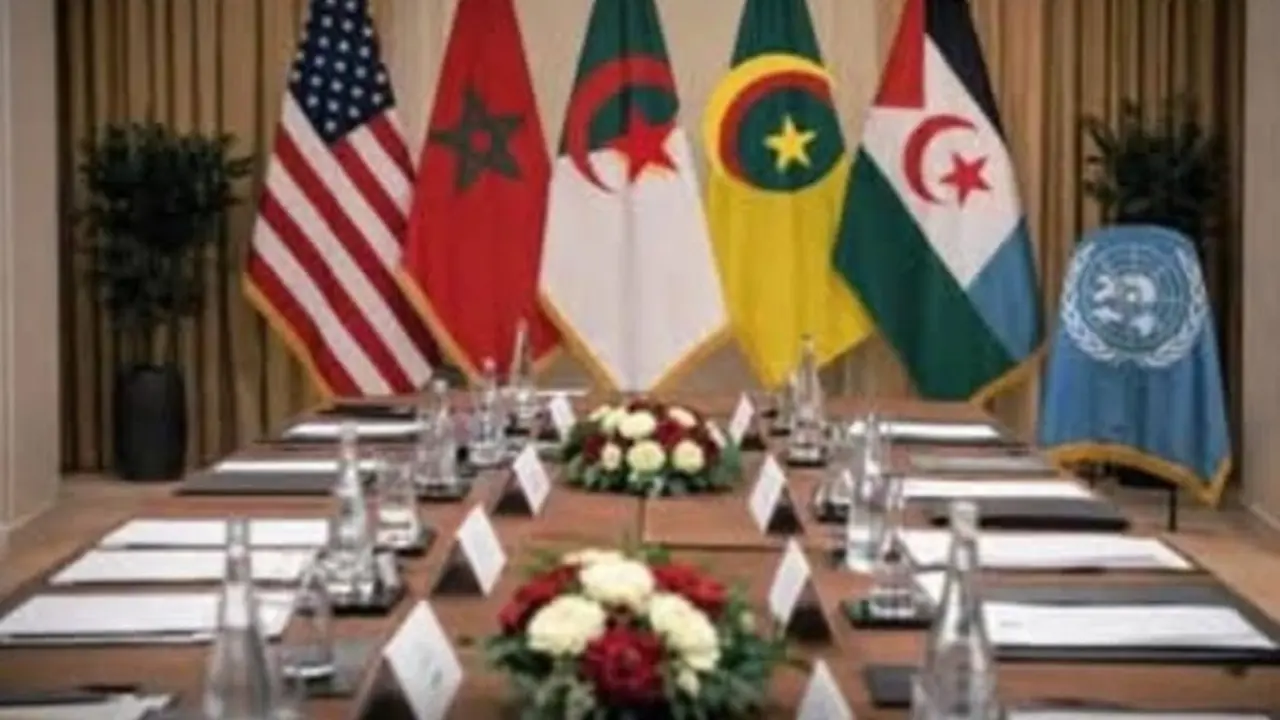
On the other hand, there is the position of the pro-independence Polisario Front, supported by Algeria, which calls for a referendum on independence for the Sahrawi population. This proposal has less international support and, according to various analysts, faces difficulties such as conducting an electoral census given the population dispersion between Sahrawis residing in Western Sahara itself, which Morocco claims as part of its southern provinces, and those living in difficult conditions in refugee camps set up on Algerian territory.
The international diplomatic battle has leaned heavily towards the Moroccan side, given the significant international support it has received, and the Sahara issue will certainly be very much present at the 13th HLM, with the Spanish government's reaffirmed support for its North African neighbour's position.

Economic and trade issues
On the other hand, trade will also be the focus of the high-level meeting between the two countries. It should be remembered that Morocco is a preferred trading partner for Spain, being its main partner in Africa and one of the most important worldwide, with a trade volume exceeding €22.7 billion. Spain is Morocco's leading trading partner, both within and outside the European Union (EU), and the main destination for its exports within the EU. Meanwhile, Morocco is Spain's leading trading partner in Africa and its seventh largest partner worldwide.
Trade between the two nations is intense, with important sectors such as automotive, textiles, agri-food and energy playing a leading role. Spanish exports to the Kingdom of Morocco include machinery, vehicles, chemicals, food and textiles, while Spain imports products such as textiles, fish, fruit, vegetables and electrical equipment from Morocco.
In fact, at the last HLM in Rabat, a financial protocol worth €800 million was signed to support initiatives related to infrastructure, water resources, clean energy and social services.
It is expected that at the 13th HLM in Madrid, a significant amount of money will also be set aside for the development of various sectors in both countries.
Prior to the main government meeting on 4 December at the Moncloa Palace in Madrid, the Moroccan-Spanish Economic Forum will be held at the headquarters of the Spanish Confederation of Business Organisations (CEOE) in the Spanish capital on 3 December, underscoring the importance of economic and trade issues at the meeting.
Key topics include Moroccan agricultural exports, including production from the southern provinces, an area that Morocco wants to develop to its full potential in all areas to turn it into a leading economic and commercial hub, which would have a positive impact on the future of the territory.
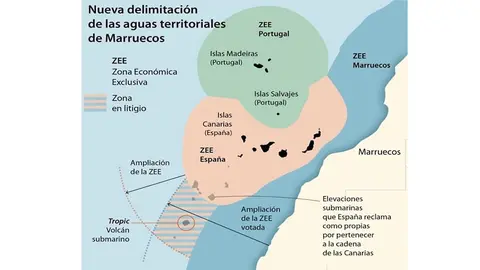
Western Sahara is also of significant economic importance due to its large reserves of rare earths, a set of 17 chemical elements with unique properties used in high technology, renewable energy and weaponry. Management of the territory would provide Moroccan industry with vast resources and significant opportunities for trade with preferred partners, such as Spain in this case. This reserve of rare earths is more important than the famous tellurium found south of the Canary Islands, which could be a point of friction between the two countries due to the delimitation of exclusive commercial zones adjacent to the Canary Islands and Spain and Morocco, as has been pointed out by various sectors. Therefore, for the North African country, the issue of rare earth reserves in Sahrawi territory would be more important than the underwater area of the so-called Tropic Ridge.
This is despite reports indicating that the Tropic seamount, located southwest of the island of El Hierro and within the exclusive economic zone claimed by Spain, contains up to 5% of the world's tellurium reserves, placing the Canary Islands at the centre of a strategic dispute between Europe, China and the United States. Tellurium is one of the most sought-after critical minerals for cutting-edge technologies: from high-efficiency solar panels to battery components, advanced chips and military electronic shielding.
Taking all these issues into account, the 13th HLM in Madrid between Morocco and Spain will have an important mix of politics and economics in matters vital to both nations. The international context reinforces the relevance of this meeting following the adoption of UN Security Council Resolution 2797 on the Sahara and the recent ratification by the European Parliament of the trade agreement between Morocco and the European Union. These issues create a favourable scenario for discussing the opportunities and challenges of bilateral cooperation between the two allies and neighbours on both sides of the Mediterranean.
Provisional programme for the High-Level Meeting in Madrid on 4 December
09:30: Arrival of participating Spanish ministers
09:45: Arrival of participating Moroccan ministers
09:55: Arrival of the Moroccan Head of Government, received by the President of the Government of the Kingdom of Spain.
10:00: Military honours.
10:10: Greeting of the Spanish and Moroccan ministerial delegations.
10:30-11:15: Bilateral meeting between the President of the Spanish Government and the Head of the Moroccan Government.
Extended meeting.
At the same time (10:30-11:15), bilateral sectoral meetings will be held between the participating ministers.
11:30-12:30: Plenary session.
12:30 – 12:40: Group photo (heads of government, participating ministers and ambassadors).
12:40 – 13:00: Agreement signing ceremony.
13:00 – 14:30: Official lunch hosted by the Spanish Prime Minister in honour of the Moroccan Head of Government.