The United States distributes draft resolution on Western Sahara to UN Security Council members
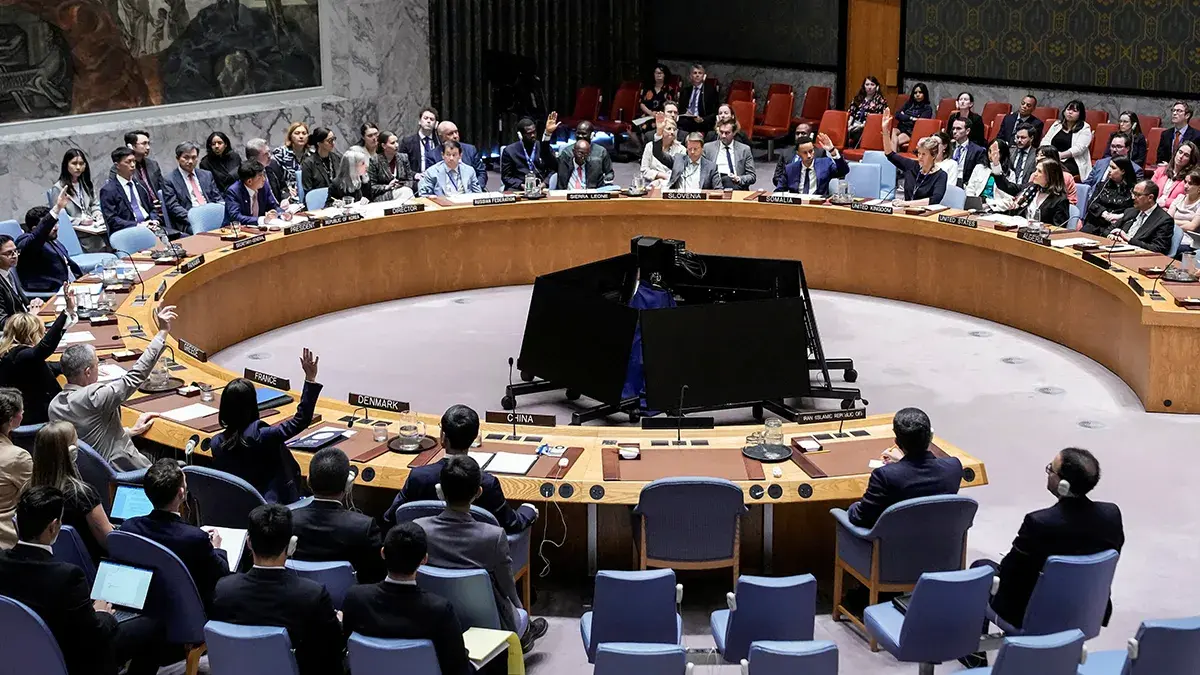
The United States has distributed the draft resolution on Western Sahara to be voted on by the United Nations (UN) Security Council.
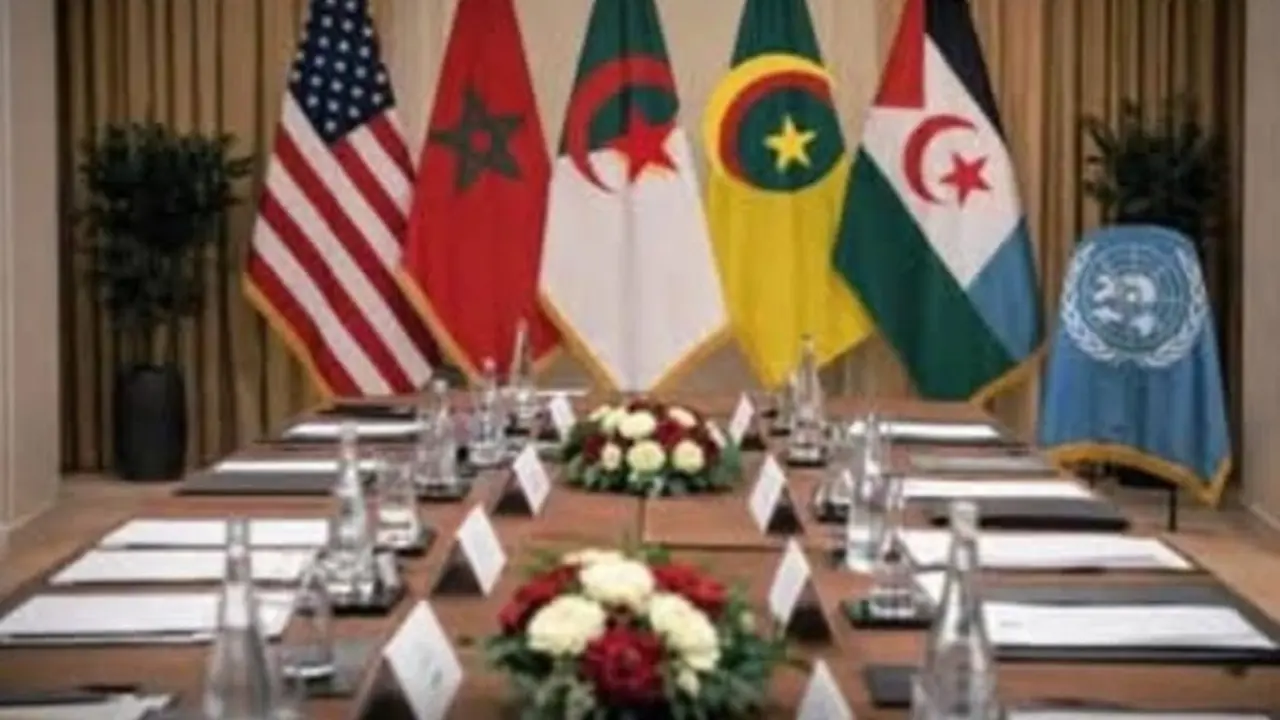
According to information from the newspaper Rue 20, after consulting diplomatic sources, the United States has served the member countries of the United Nations Security Council the so-called blue draft resolution on Western Sahara for deliberation and voting scheduled for Thursday, 30 October, regarding a resolution on the sovereignty of the Sahrawi territory.
This phase means that the draft text now has a final format following consultations and negotiations between the members of the UN Security Council and after the amendments accepted and those rejected due to lack of consensus. This situation paves the way for the vote on the 30th.
🇲🇦🇺🇳🇩🇿| يوم الحسم .. في ملف الصحراء المغربية في مجلس الأمن ..
— H A S S A N ۞ 🇲🇦 (@HMeghribi) October 28, 2025
🛑 الولايات المتحدة الأمريكية، بصفتها حاملة القلم، وزعت داخل مجلس الأمن الدولي مسودة مشروع القرار باللون الأزرق 🟦 على أعضاء المجلس، تمهيدا للتصويت عليها خلال الجلسة المقررة يوم الخميس 30 أكتوبر الجاري.
● ويأتي… pic.twitter.com/AoQSoliLQQ
Diplomatic sources told Rue20 that the 15 members of the UN Security Council reached a consensus agreement on the final version of the resolution, which will extend the mandate of the United Nations Mission for the Referendum in Western Sahara (MINURSO), which was due to end on 31 October, until 31 January 2026.

MINURSO is a United Nations peacekeeping mission, established in 1991 to observe the ceasefire between the Polisario Front and the Kingdom of Morocco and to organise a referendum to determine the future status of the territory of Western Sahara through the right of self-determination. Since 1991, the mandate has been periodically renewed until now due to the lack of political agreement.
But the current issue is to seek a negotiated solution between the opposing parties: on the one hand, the so-called Polisario Front, which advocates holding a referendum on independence for the Sahrawi population, which is difficult to achieve, according to various analysts, due to issues such as the establishment of an electoral roll, given the dispersion of the Sahrawi population between those residing in Sahrawi territory and those living in refugee camps in Algeria; and, on the other hand, the Kingdom of Morocco, which is proposing an autonomy plan to integrate Western Sahara into the sovereign sphere of the Moroccan kingdom.
Morocco's Autonomy Plan has received strong international support because more than 120 countries consider this proposal to be the most serious and credible solution to the Sahrawi dispute, including major powers such as the United States, France, the United Arab Emirates, the United Kingdom, Germany and Spain. The Moroccan proposal would grant the Sahrawis a high degree of self-government, leaving foreign and defence policy in the hands of the Moroccan state and respecting United Nations resolutions.
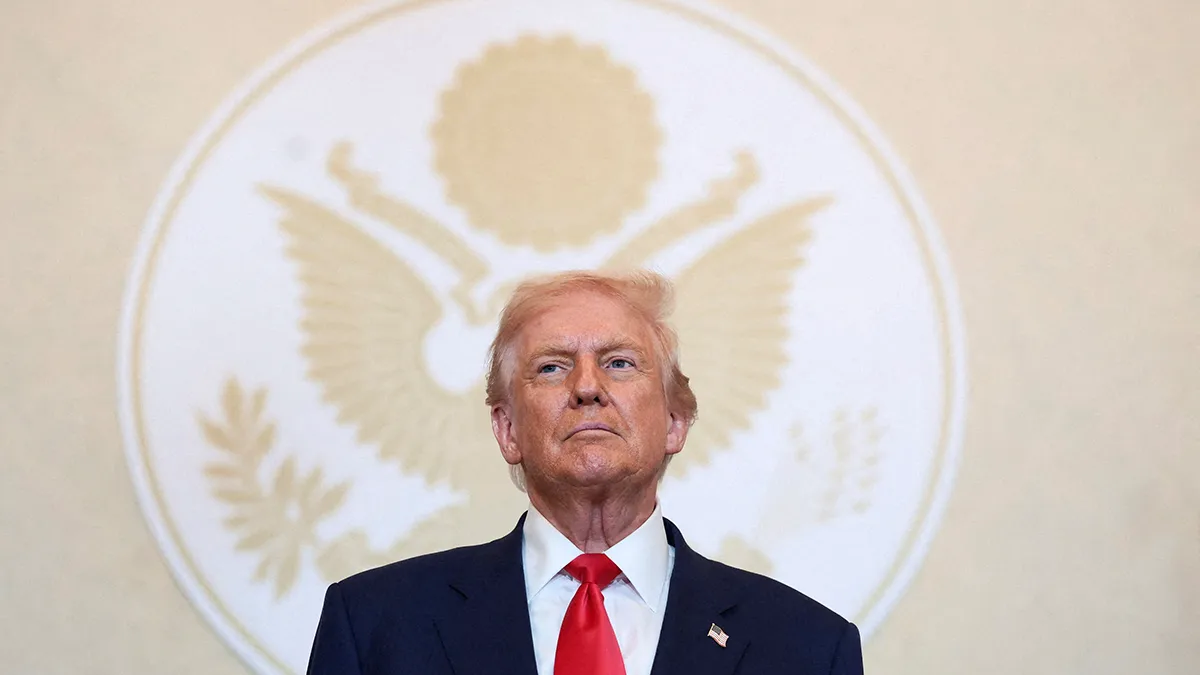
The United States, under the Donald Trump administration, has clearly supported the Moroccan position and, as a prominent member of the UN Security Council and drafter of the proposal for the next resolution on the 30th, will play a very important role in determining the future of Western Sahara, which many see as part of Morocco.
The same sources confirmed that the final version does not differ significantly from the original draft distributed by the US mission at the beginning of last week, with some minor modifications that do not affect the basic content of the draft, based on Morocco's proposal for autonomy to resolve the conflict.
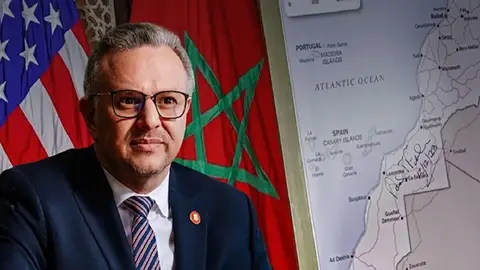
It is also a question of bringing the opposing parties to an agreement and reaching a peaceful and negotiated solution, even convincing Morocco's great regional rival, Algeria, a close ally of the Polisario Front. In fact, Steve Witkoff, the Trump administration's special envoy for the Middle East, recently said that he sees a diplomatic rapprochement between Morocco and Algeria as feasible in the short term, which would favour the resolution of the Western Sahara conflict and a normalisation of relations in North Africa.
In addition, Massad Boulos, senior advisor to US President Donald Trump on Arab and African affairs, pointed out that Moroccan sovereignty over Western Sahara is now an irreversible process and that the United States has reaffirmed its firm commitment to the North African country on this issue.
The United States has a clear position, having issued a draft resolution on 22 October stating that the initiative for autonomy under Moroccan sovereignty, presented by Rabat in 2007, is the only serious and realistic basis for achieving a lasting political solution to the Western Sahara issue.