Trump seals lasting peace for Gaza and the Middle East in Egypt
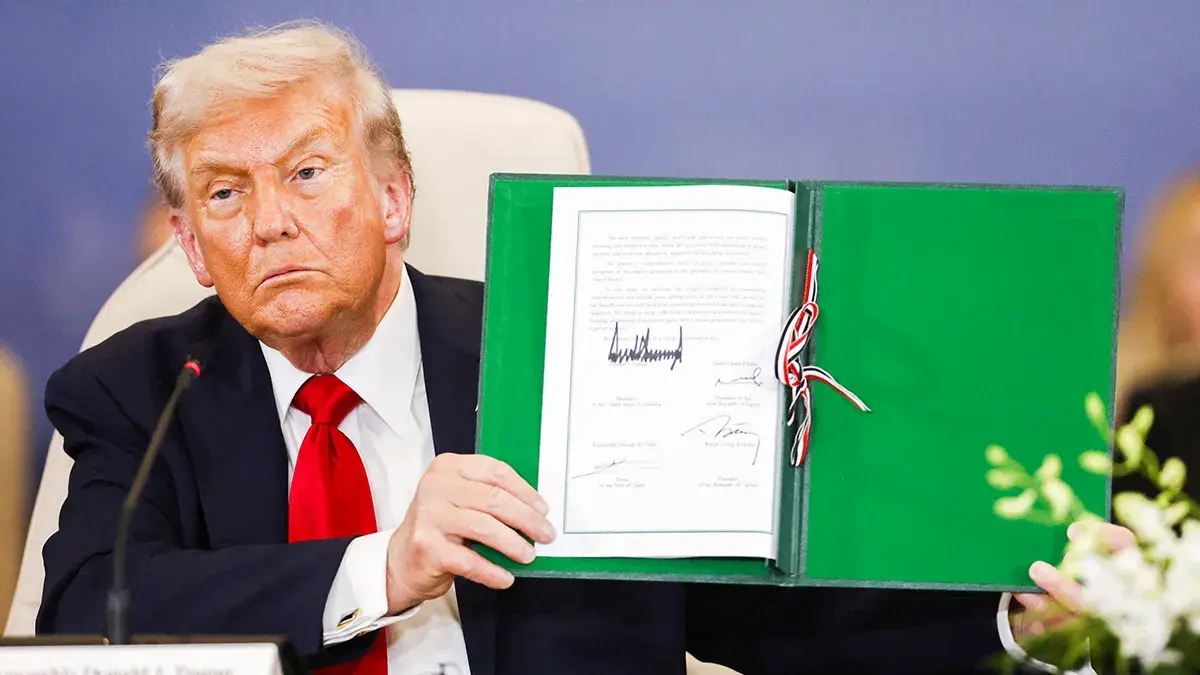
- Peace summit in Sharm el-Sheikh
- Leaders' speeches and statements
- Agreement and implications of the peace plan
Peace summit in Sharm el-Sheikh
The diplomatic process for resolving the conflict in the Gaza Strip and the Middle East region reached a significant milestone with the summit held in Sharm el-Sheikh. This strategic event took place after the end of the ceasefire, the withdrawal of Israeli troops and the release of Israeli hostages along with more than 2,000 Palestinian prisoners. The 20-point peace plan, originally formulated by Donald Trump, was transferred to Egypt to finalise the outstanding details of its implementation.
The summit adopted a multilateral approach, with the participation of leaders and representatives from different countries and international organisations with a direct interest in regional stability. Under the chairmanship of Egyptian President Abdel Fattah Al-Sisi, policies and strategies were defined to promote stability and peaceful development in both Gaza and the Middle East as a whole.
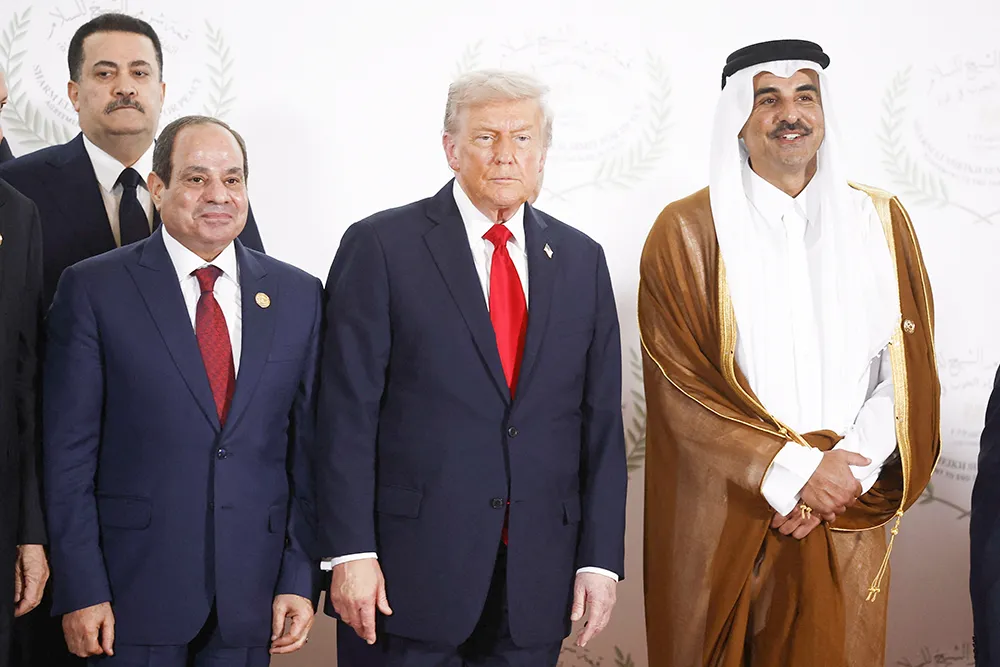
The meeting was also attended by heads of state and prime ministers from Arab countries, members of the European Union, secretaries-general of international organisations, and representatives of the four nations guaranteeing the agreement: the United States, Qatar, Turkey and Egypt. Key figures included Donald Trump, Sheikh Tamim bin Hamad Al Thani, Recep Tayyip Erdogan and Al-Sisi, who play central roles in the implementation of the plan.
In addition, Tony Blair, former British Prime Minister, was included in the future ‘Peace Board,’ responsible for overseeing the interim government in Gaza, with direct responsibility for the transition and reconstruction phase. Mahmoud Abbas, President of the Palestinian Authority, also participated in the summit, positioning himself as a regional leader during the post-conflict rehabilitation and reconstruction process.
The dialogue during this summit focused on consolidating the foundations for peaceful and lasting coexistence, where human rights and sustainable development are prioritised. Special attention was given to shared security, socio-economic progress and the creation of stable infrastructure to improve the living conditions of millions of people affected by years of conflict.
Leaders' speeches and statements
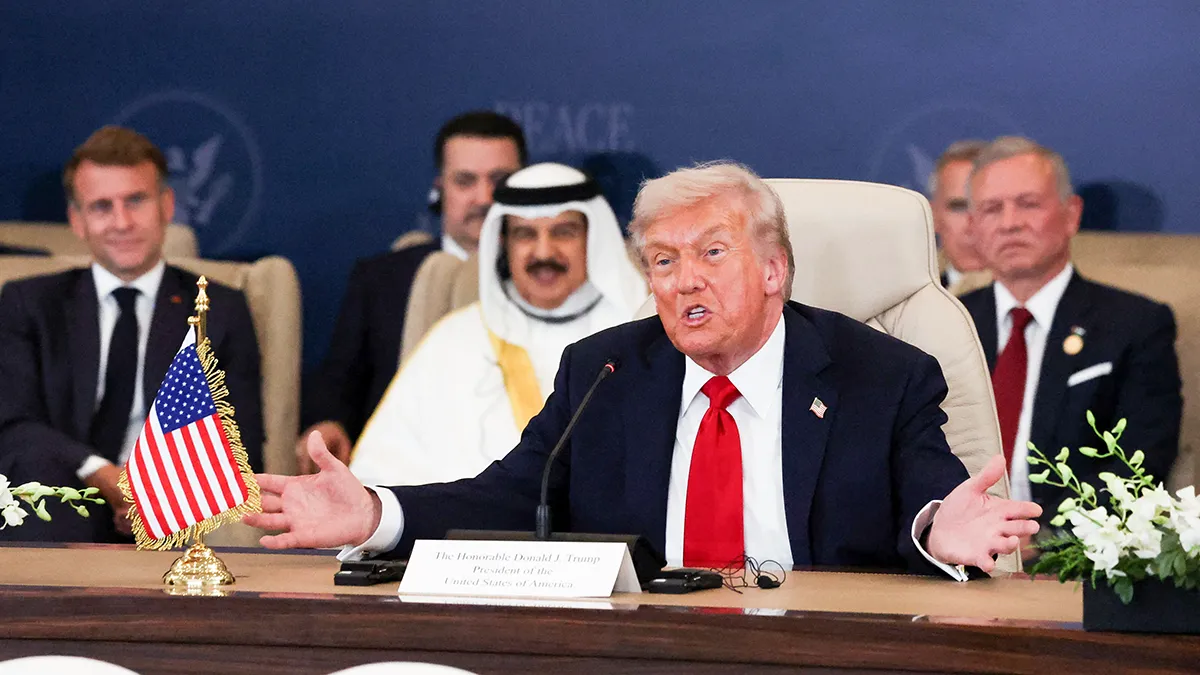
The speeches during the summit reflected the historic importance of the event and the expectations generated in relation to the peace plan. Donald Trump, in his keynote address, underscored the magnitude of the meeting, describing it as one of the most significant in terms of the power and economic resources brought together for a peace effort in the region.
Trump also highlighted the long history of the conflict, pointing out that resolving a complex situation that has lasted 3,000 years is a fundamental achievement. He emphasised the historic nature of the agreement and expressed optimism that this stage marks the beginning of a broad and profound reconstruction that will transform Gaza.
The US president also emphasised the beginning of a new era, which he called ‘a beautiful day’ for the region. However, his speech sparked debate and critical attention, especially given the preconditions in Gaza, where the humanitarian and social situation has been delicate and marked by significant losses among the civilian population.
One of the initiatives that generated controversy was the proposal to develop the Gaza coast as a Riviera Maya-style tourist destination. This idea, although ambitious and potentially conducive to economic development, was met with objections from several regional leaders. The urgent need to prioritise the recovery of essential infrastructure was highlighted, given that more than 90% of facilities suffered serious damage and 65% were destroyed.
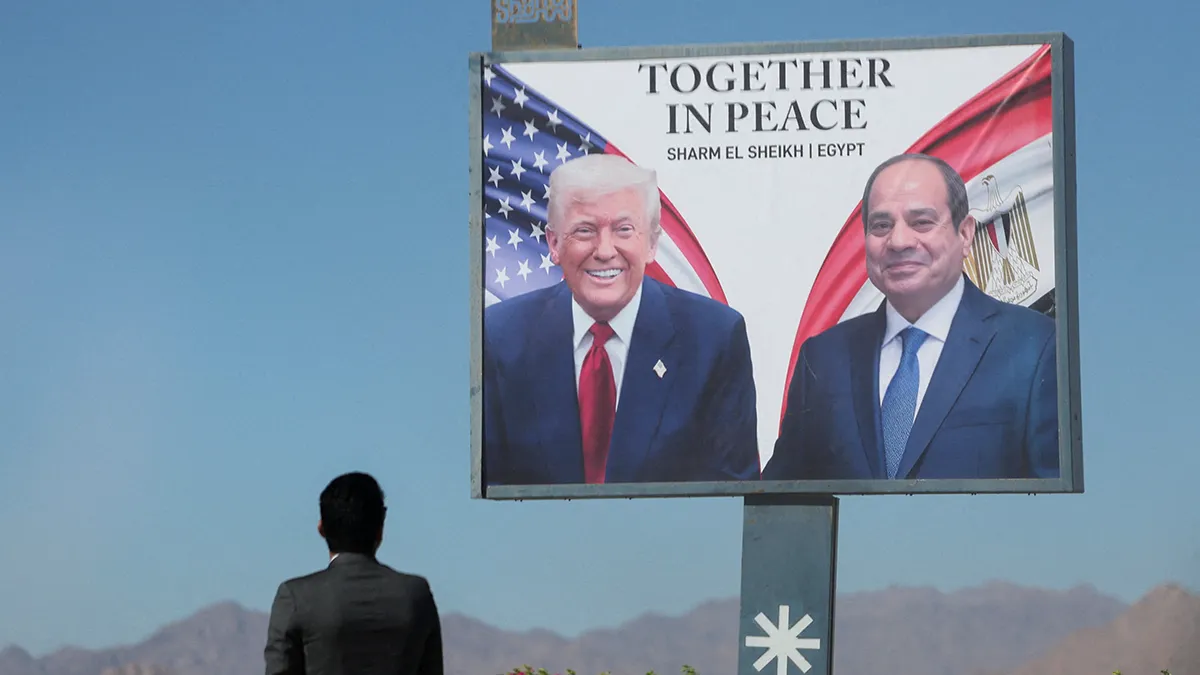
At another point in the event, Egyptian President Abdel Fattah Al-Sisi presented Donald Trump with the Order of the Nile medal, Egypt's highest honour, made of pure gold. This act symbolised recognition of the progress made in the peace process. Al-Sisi described the plan as a ‘historic milestone’ that could put an end to one of the most painful and prolonged episodes in the history of the Middle East.
These speeches reflected both the hope and the difficulties involved in implementing a sustainable peace plan, marking a turning point in the relationship between the parties involved and the international commitment to reconstruction and conflict resolution.
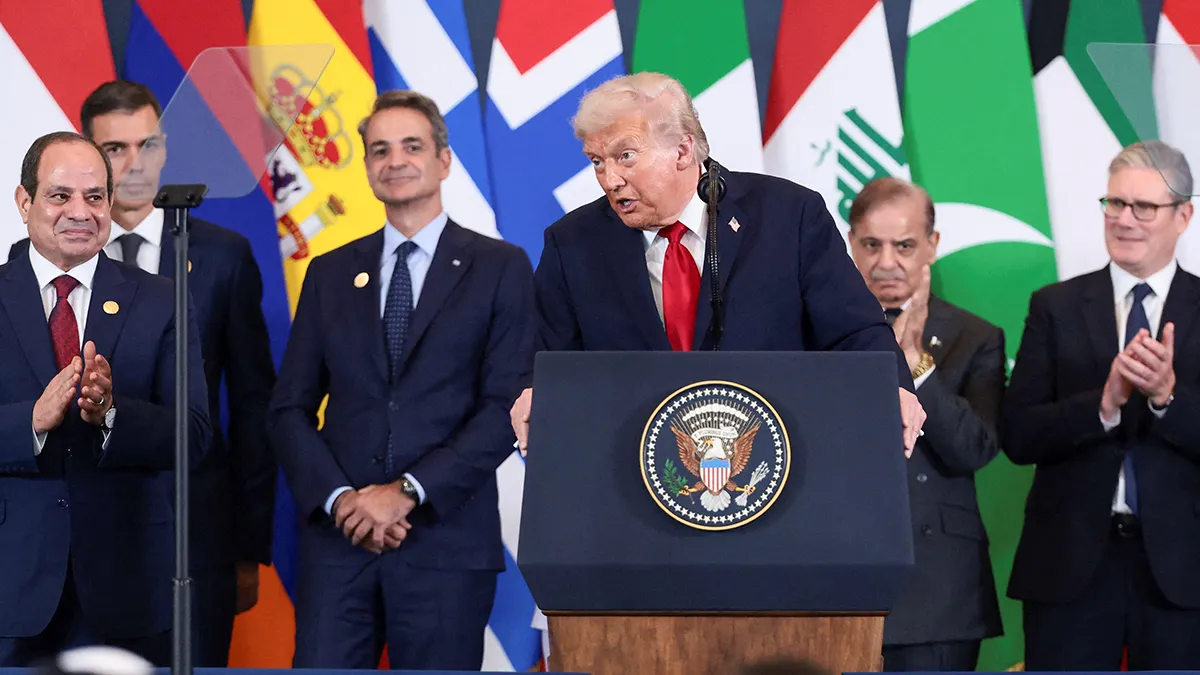
REUTERS/ EVELYN HOCKSTEIN
Agreement and implications of the peace plan
The official signing of the peace plan stipulated a joint commitment to advance the reconstruction of Gaza and the stabilisation of the entire region. This agreement aims to facilitate access to humanitarian aid and initiate a process of social and economic rehabilitation, which is essential after the devastation caused by long years of conflict.
Donald Trump reiterated that the immediate priority is reconstruction, highlighting that the first aid shipments have already been delivered to Gaza. However, certain concerns arose during the process regarding the exact conditions for the creation of a Palestinian state, an issue that remains a source of political and diplomatic controversy.
The plan includes a proposal for the formation of two states, but Israeli Prime Minister Benjamin Netanyahu's position remains one of explicit rejection, complicating the implementation of this principle. Faced with this situation, Abdel Fattah Al-Sisi reaffirmed to Trump the legitimate need for recognition of an independent Palestinian state, an aspect that is central to stability and justice in the region.
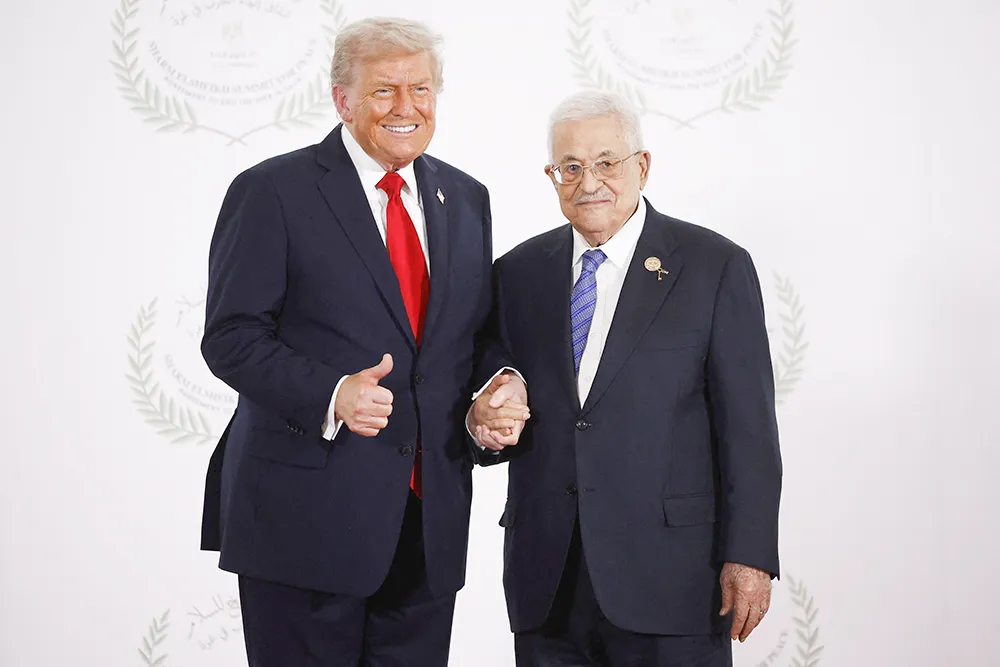
For his part, the US president made this recognition conditional on the development of a credible transition process, in which the Palestinian Authority implements the necessary reforms to ensure stable governance and social and economic security in Gaza. This aspect poses a considerable challenge in political and administrative terms.
Despite reaching important agreements, uncertainties remain regarding the immediate future for the more than two million Palestinians in Gaza, who face vital reconstruction, but also complex sociological and economic challenges. The arrival of humanitarian aid offers relief, but a definitive solution will require ongoing negotiations that address the root causes of the conflict and the prospective needs of the population.
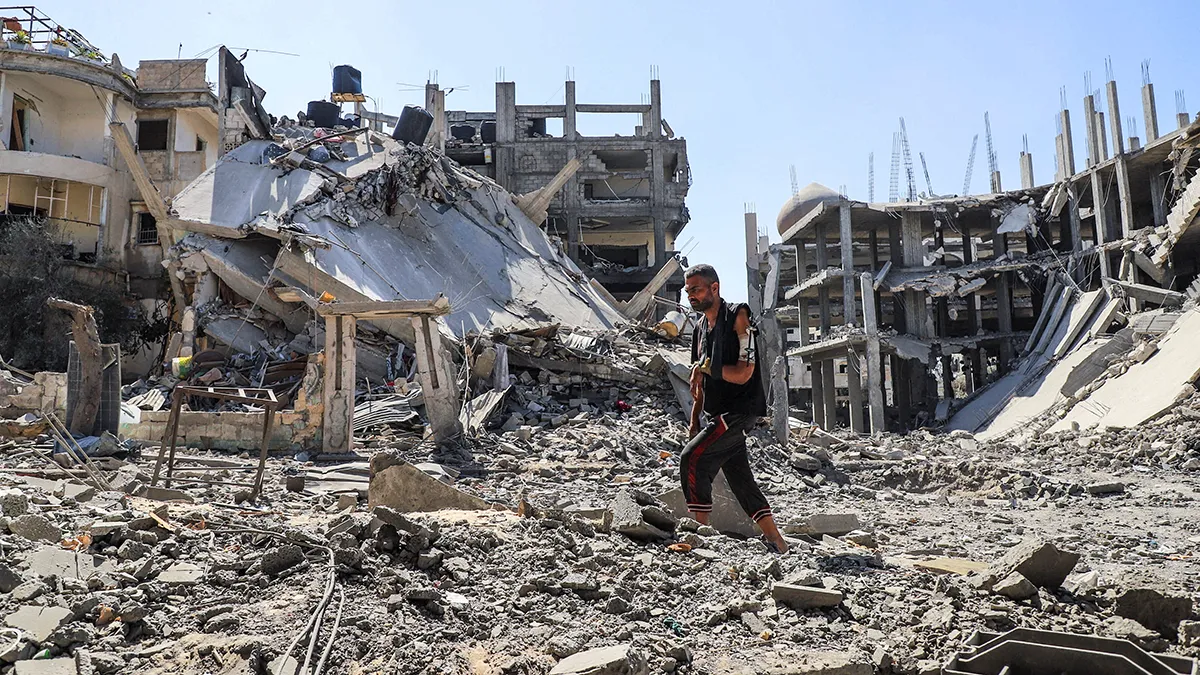
The process also demands a comprehensive approach that includes not only physical infrastructure, but also institutional reconstruction, political reconciliation and social development. Only in this way can a lasting peace be guaranteed that benefits all parties involved and reduces the vulnerability of a historically affected population.
The international community is keeping a close eye on the plan's progress, recognising its strategic importance for the region and global stability. The success of this agreement will depend on the political will of local actors and sustained international cooperation in financial, technical and diplomatic terms.